
Understanding Crow's Feet
Crow's feet, also known as periocular wrinkles, are the fine lines that develop around the outer corners of the eyes. These wrinkles are a natural consequence of aging, but they can also be exacerbated by factors such as sun exposure, smoking, and repetitive facial movements, such as squinting or smiling.
The appearance of crow's feet can be distressing for those who wish to maintain a youthful appearance. Thankfully, various effective treatment options are available to help reduce their visibility and enhance skin texture.
Crow's Feet Treatment Options
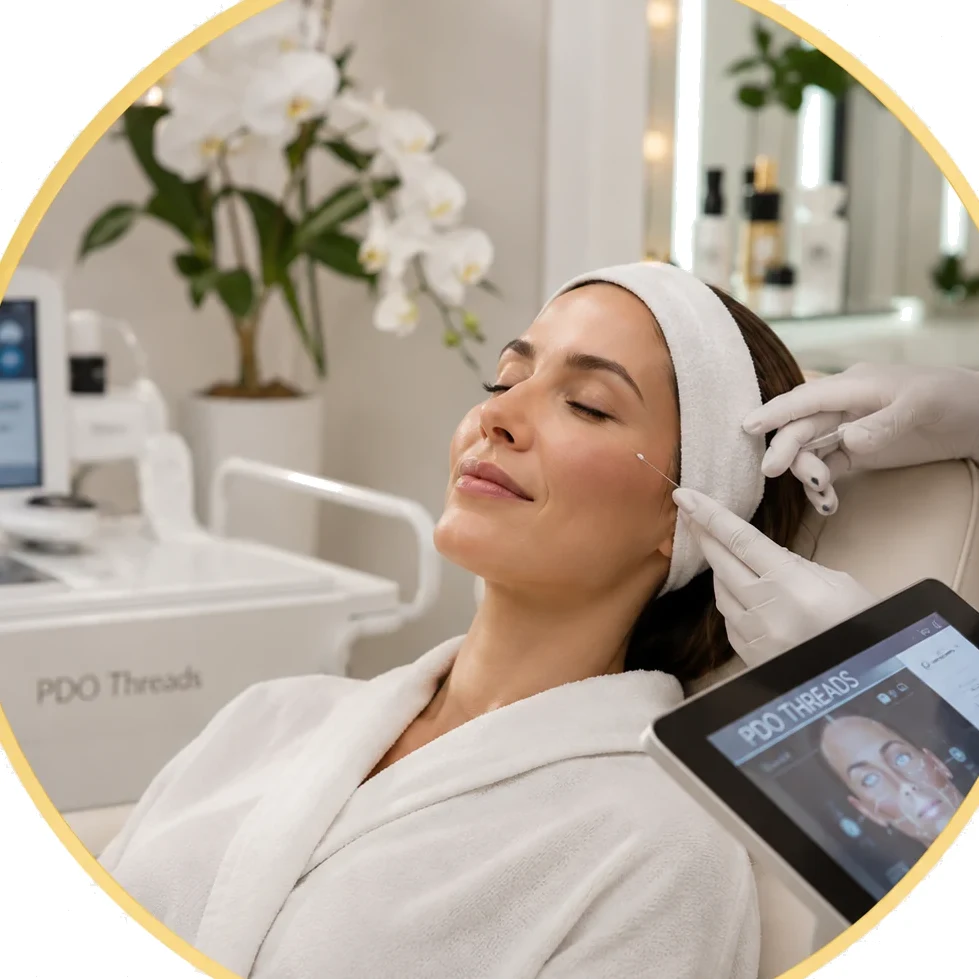
When it comes to treating crow's feet, individuals have several options to consider. These range from non-invasive procedures to more intensive treatments. Below is a detailed overview of some popular methods.
1. Injectable Treatments
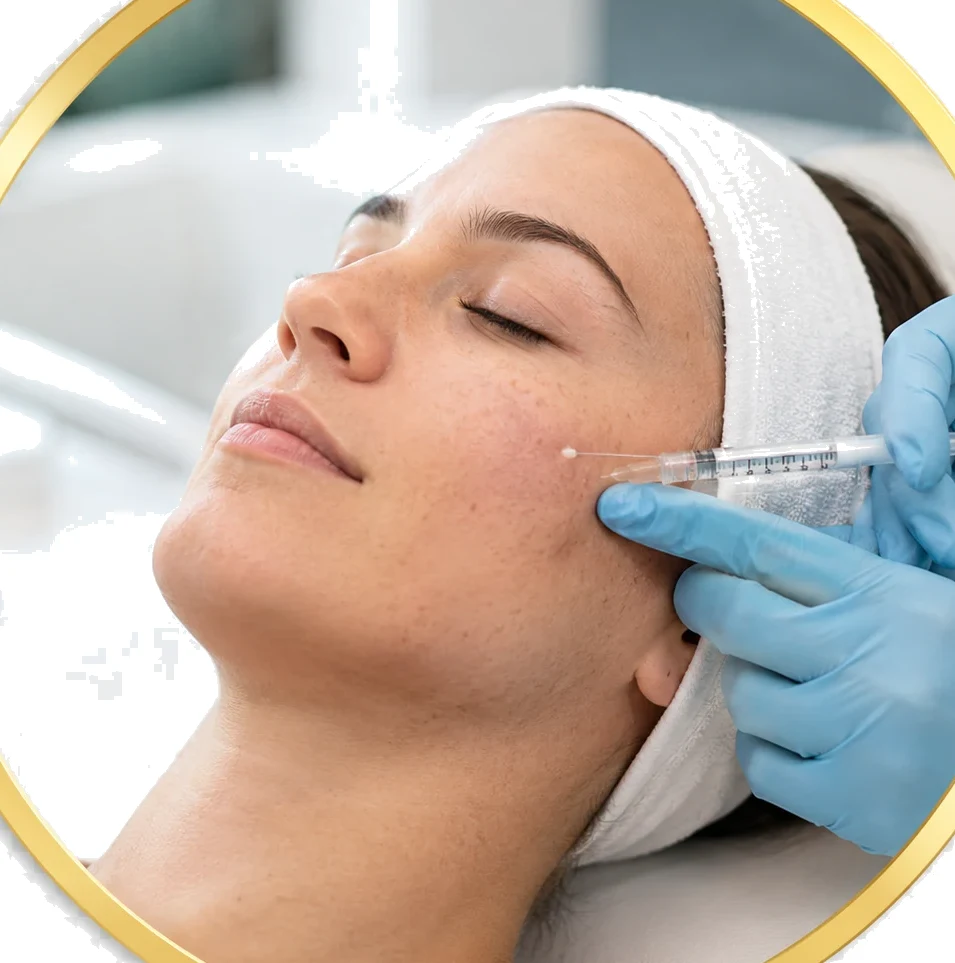
Injectable treatments, such as Botox and dermal fillers, have gained immense popularity for their ability to provide quick and effective results. Botox works by relaxing the muscles that cause wrinkles, smoothing the skin in the treated area.
Dermal fillers, on the other hand, add volume beneath the skin to smooth out wrinkles. Both treatments can be combined for enhanced results. Consult with a qualified practitioner to determine which option is best suited for your skin type and desired outcome.
2. Chemical Peels
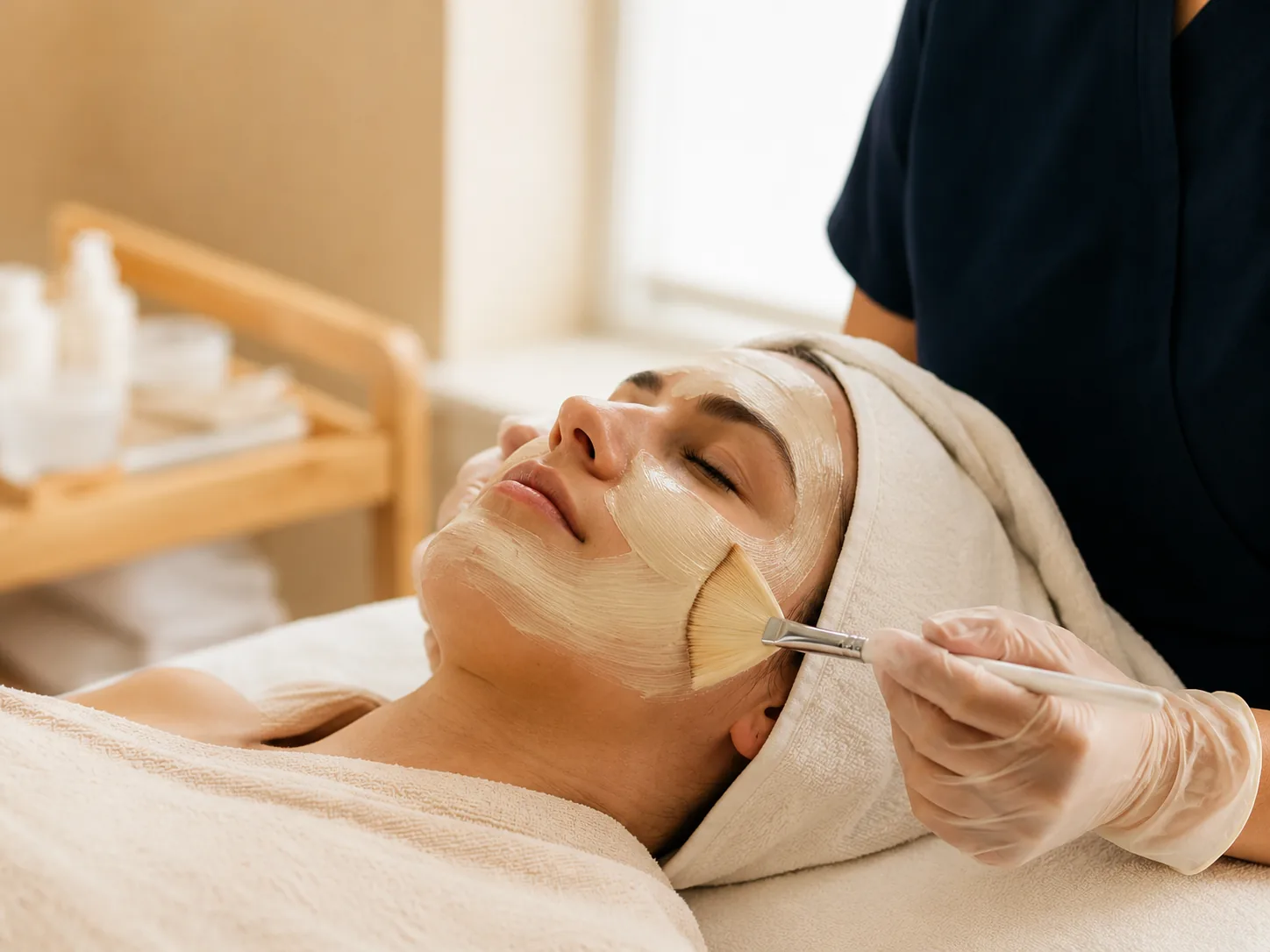
Chemical peels involve the application of a solution that exfoliates the skin, encouraging the shedding of dead skin cells. This process helps improve skin texture and may reduce the appearance of crow's feet.
The strength of the peel can be tailored to the individual’s skin type and the severity of the wrinkles, making this a versatile option. Multiple sessions may be needed to achieve the desired results.
3. Laser Treatments
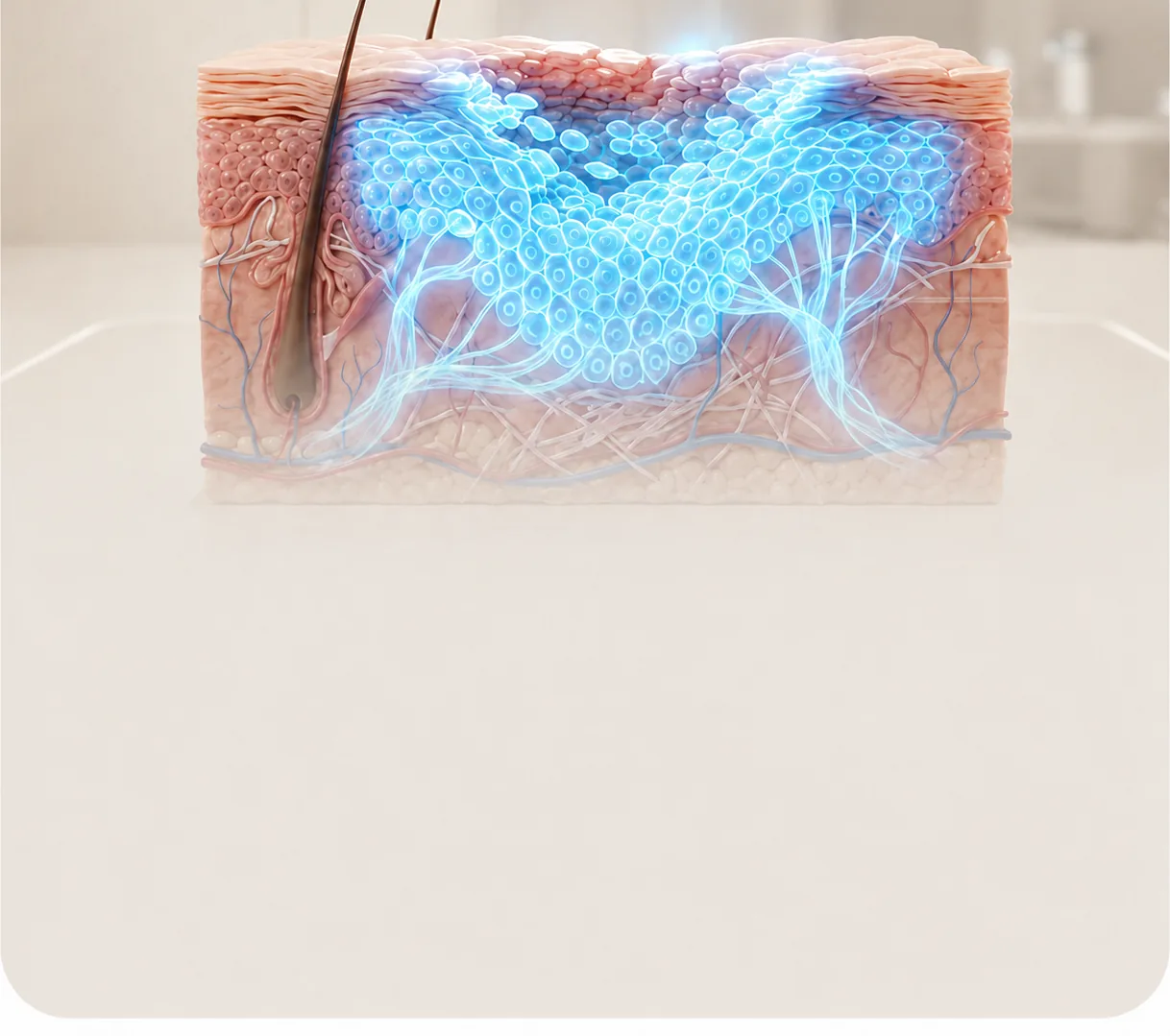
Laser skin resurfacing is another option that can effectively reduce crow's feet. This treatment uses lasers to stimulate collagen production, leading to smoother, firmer skin over time.
Results vary, and a course of treatments may be necessary. It’s crucial to consult with a professional to understand the best type of laser treatment for your specific needs.
4. Skincare Products
High-quality skincare products such as retinoids, hyaluronic acid, and antioxidants can also play a pivotal role in managing crow's feet. These ingredients promote skin renewal and hydration, which can diminish the appearance of fine lines over time.
A dedicated skincare routine that includes sun protection can significantly assist in preventing further wrinkles from developing.
| Treatment Type | Best For | Duration of Results |
|---|---|---|
| Injectables | Immediate wrinkle reduction | 3-6 months |
| Chemical Peels | Skin texture improvement | Varies, typically several months |
| Laser Treatments | Long-term collagen stimulation | 1-2 years |
| Skincare Products | Daily maintenance | Ongoing with consistent use |
Who This May Suit
Individuals who are experiencing visible crow's feet and wish to enhance their appearance may benefit from available treatment options. Age, skin type, and overall health should be considered when determining the most suitable procedure.
Those with specific aesthetic goals or concerns regarding skin texture may find treatments like chemical peels or laser procedures particularly beneficial.
What to Ask Before Treatment
Key Questions
- What treatment options are available, and which do you recommend for my skin type?
- Are there any risks or side effects associated with the treatments you're suggesting?
- What should I expect during and after the procedure?
- How many sessions will I need, and what is the estimated cost?
- Do you offer any combination treatments for optimal results?
Aftercare Considerations
After undergoing any treatment for crow's feet, proper aftercare is crucial to achieving the best results. Practitioners may recommend avoiding sun exposure, rigorous exercise, or specific skincare products immediately post-treatment.
Follow all aftercare instructions provided by your practitioner, and do not hesitate to reach out if you notice any unexpected changes or side effects.
When to Book a Consultation
If you are interested in exploring crow's feet treatment options, the first step is to book a consultation with a qualified practitioner. This initial meeting will allow you to discuss your concerns, receive professional advice, and create a tailored treatment plan based on your specific needs.
Conclusion
Multiple treatment options can help manage the appearance of crow's feet effectively. Whether opting for injectables, chemical peels, laser treatments, or quality skincare products, the key is to consult with a professional to determine the best approach for your unique situation. At NexGen Clinic, we are dedicated to providing personalised skincare solutions in Cambridge. Speak to the clinic today to begin your journey towards a more youthful appearance.