
Introduction
In the realm of aesthetic medicine, Botox has emerged as a go-to treatment for those seeking to reduce the appearance of fine lines and wrinkles. However, the ultimate goal for many individuals is to achieve a natural looking Botox result. At NexGen Clinic, we prioritise not only the desired results but also the preservation of your unique expressions and features. This article aims to provide you with thorough insights into achieving natural looking Botox results, ensuring that your treatment aligns with your aesthetic goals.
Whether you are new to Botox or considering it for the first time, understanding how this treatment works and what to expect will empower you to make an informed decision. For personalised guidance tailored to your individual needs, don’t hesitate to book a consultation.
What is Natural Looking Botox?
Natural looking Botox refers to the use of this popular neurotoxin in a manner that enhances your features without creating an exaggerated or artificial appearance. The essence of natural looking results lies in subtlety; the goal is to soften the facial musculature enough to diminish fine lines while maintaining your natural expressions. In effect, this prevents the ‘frozen’ look that can sometimes occur when Botox is over-administered.
Botox works by temporarily blocking nerve signals to the muscles, which reduces their activity. When executed correctly, this leads to a smoother appearance in areas where creases or lines form, particularly around the forehead, eyes, and mouth. However, the key to achieving a natural aesthetic is the skill and expertise of your practitioner. At NexGen Clinic, our experienced team is dedicated to ensuring you leave with results that feel authentic.
What to Expect During Treatment
The Consultation
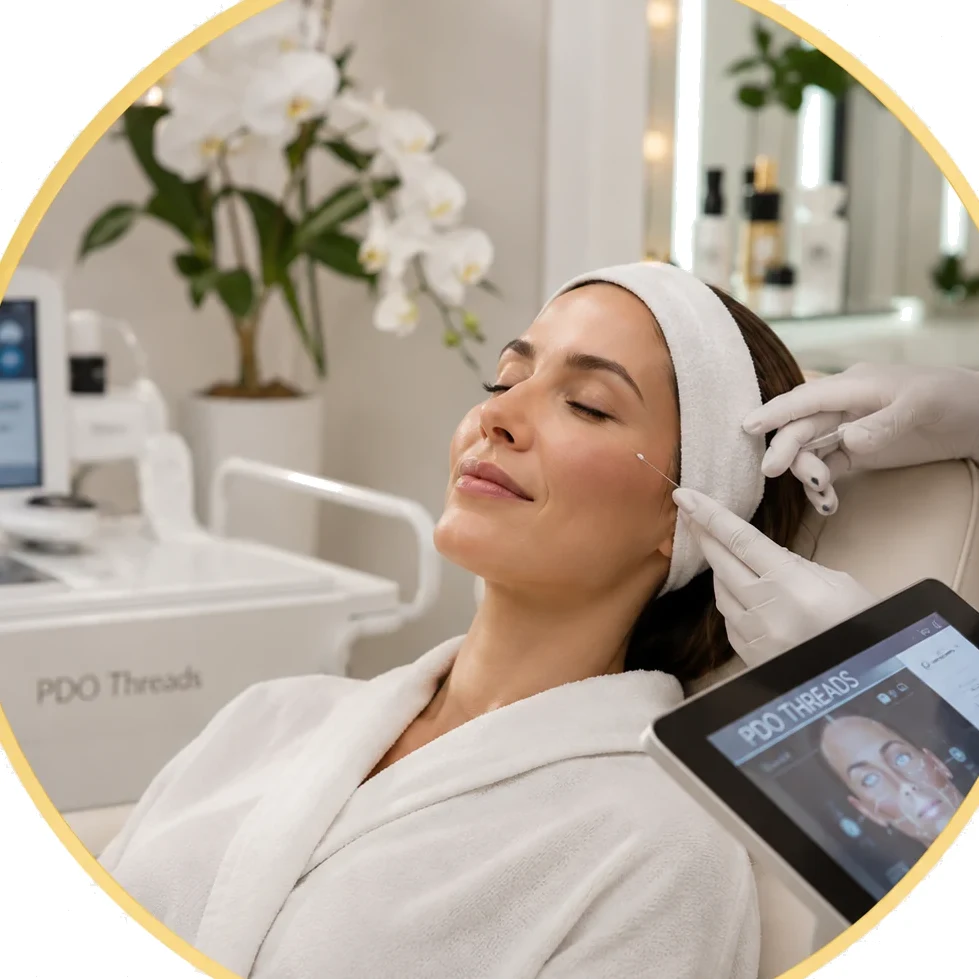
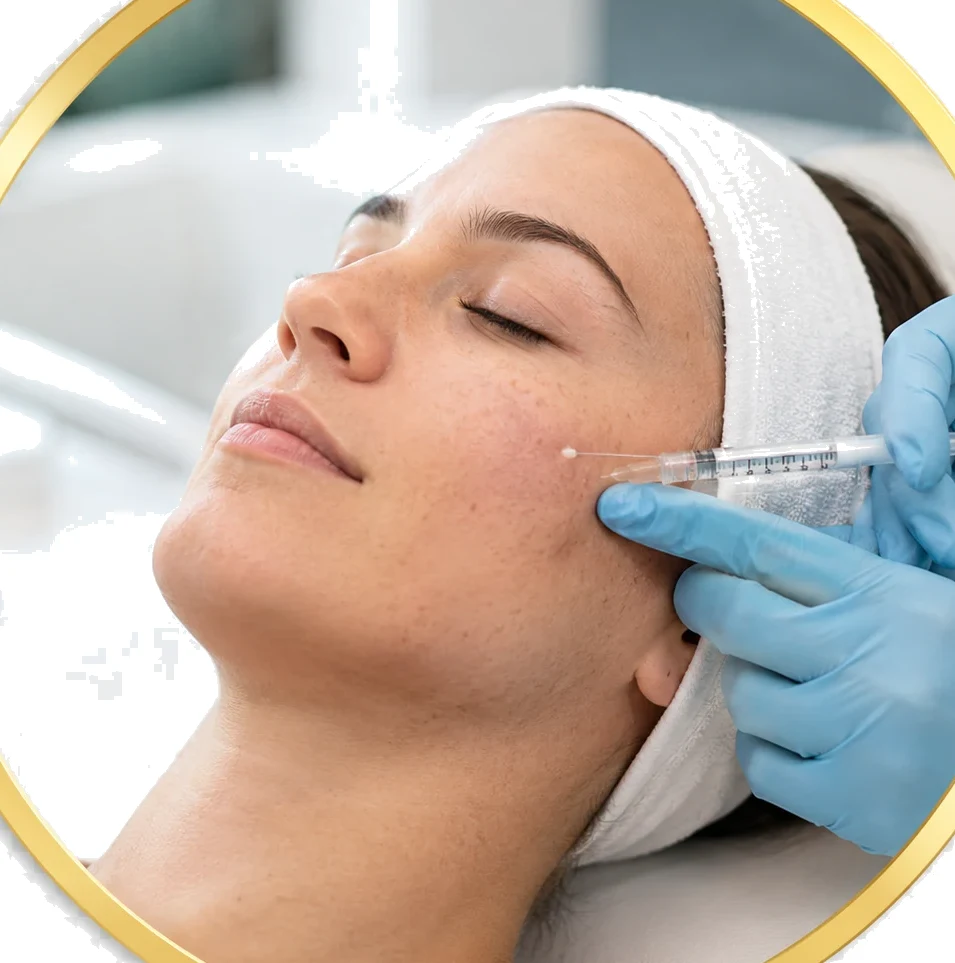
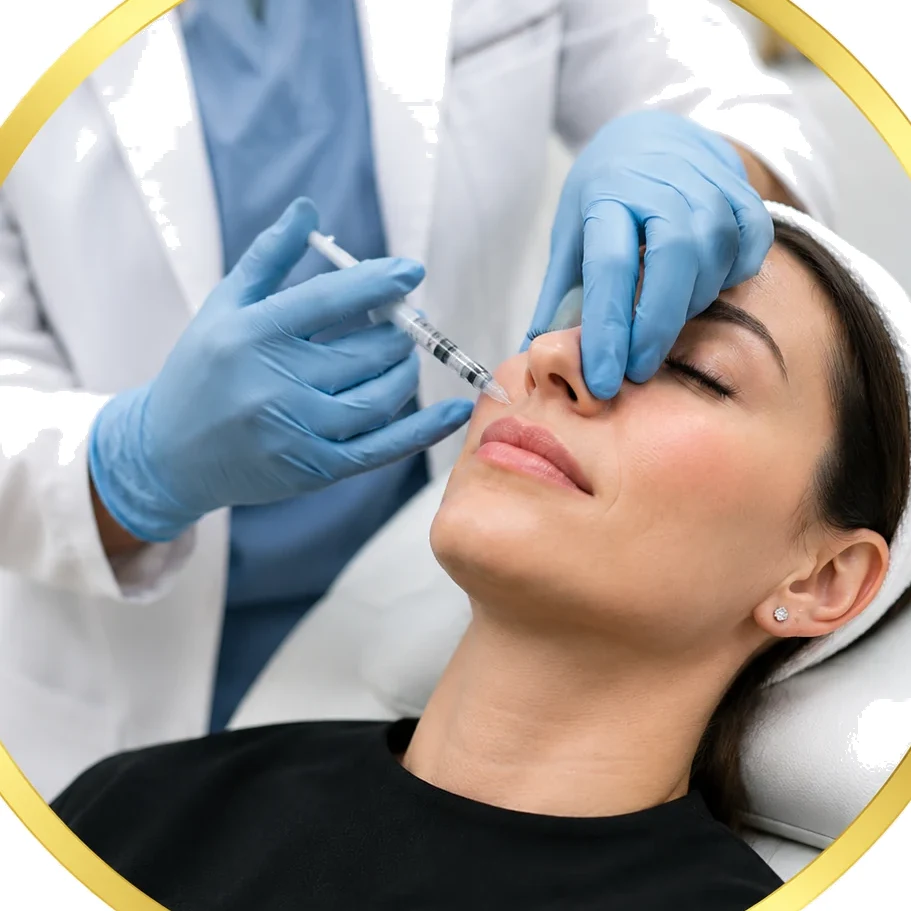
The Procedure
After the injections, some patients may experience slight redness or swelling, but these effects are usually temporary and subside quickly. Most individuals are able to return to their daily activities almost immediately, although it is advisable to avoid strenuous exercise and excessive sun exposure for a short period following treatment.
Who This May Suit
Natural looking Botox can be an attractive option for a wide range of individuals seeking aesthetic enhancement. Suitable candidates typically include:
- Those with fine lines and wrinkles they wish to soften.
- Individuals who desire a refreshed appearance without pronounced changes.
- People looking to address early signs of ageing while maintaining natural expressions.
It is crucial, however, to undergo a personalised consultation to determine if this treatment is appropriate for you. Factors such as your medical history, skin type, and aesthetic goals will all be considered to ensure a safe and effective approach.
What to Ask Before Treatment
- What are your qualifications and experience? Understanding your practitioner's background will help establish confidence in their expertise.
- What should I expect during the recovery process? Knowing the aftercare required can help you prepare post-treatment.
- Are there any potential side effects? Discussing risks will ensure you are fully informed and able to manage expectations.
These queries, alongside any other concerns, should be addressed during your consultation to foster a collaborative environment and pave the way for excellent results.
Aftercare Considerations
- Avoid touching or massaging the treated areas for at least 24 hours.
- Refrain from engaging in strenuous exercise for the first 24 hours.
- Stay upright for several hours following treatment to allow the Botox to settle into the targeted muscles.
By following these guidelines, you can enhance the longevity of your results and minimise potential side effects. If you have further questions or concerns regarding aftercare, do not hesitate to speak to the clinic.