
Regenerative · Cellular Repair
Polynucleotides
Polynucleotides are one of the most significant advances in regenerative aesthetics: purified DNA fragments that signal your skin to repair itself — stimulating fibroblasts, improving elasticity, calming inflammation and restoring quality at a cellular level rather than masking concerns.
In brief
NexGen Clinic provides polynucleotide treatments in Cambridge — regenerative injectables derived from purified DNA fragments that stimulate the skin’s own repair processes. They are especially effective for the delicate under-eye area, crepey skin and overall skin quality. A typical protocol is 2–3 sessions spaced 2–4 weeks apart, with prices from £180 per session. Consultations are free and suitability-led.
The NexGen approach
Considered, consultation-led polynucleotides
They have become our most-requested option for the under-eye area, where skin is too delicate for many other treatments, and for clients focused on long-term skin health. A typical plan is 2–3 sessions spaced 2–4 weeks apart, tailored at consultation.
Who this may suit
- Dark circles, thin or crepey under-eye skin
- Dull, tired or inflammation-prone skin
- Early laxity where a regenerative (not volumising) approach is preferred
- Skin quality restoration alongside or before other treatments
- Clients focused on long-term skin health and prevention

Before anything else
What to expect at your consultation
We examine the treatment area — particularly delicate zones like under the eyes — review your history and goals, and confirm whether polynucleotides, Profhilo or a combination is most appropriate. You receive a clear session plan and transparent pricing before anything is booked.
Step by step
Your treatment journey
Consultation & assessment
Skin analysis and honest suitability advice for your concern and area.
Session one
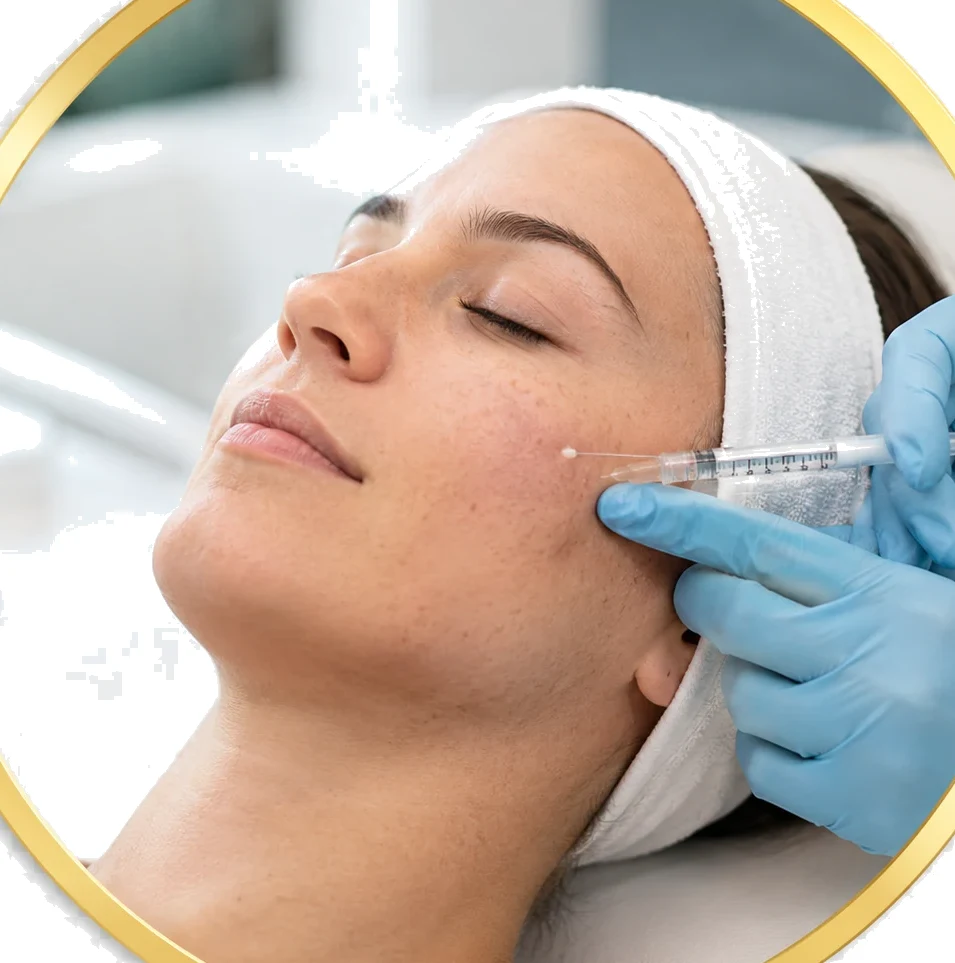
Fine micro-injections of polynucleotides into the treatment zone; numbing cream available.
Repeat sessions
Typically 2–3 sessions spaced 2–4 weeks apart for cumulative regenerative results.
Review
Improvement builds over weeks as repair processes work; we review and plan maintenance.
Looked after, afterwards
Aftercare guidance
- Mild swelling or small bumps at injection points usually settle within 24–48 hours
- Avoid makeup on the area for 12–24 hours
- Avoid strenuous exercise, saunas and alcohol for 24 hours
- Results build gradually — the skin improves over the course of the protocol
Written aftercare is provided at your appointment, and our team remains available if you have any questions while you settle.
View Full Treatment Pricelist
The complete treatment menu, packages, treatment times and latest guide prices.
Polynucleotides questions
Frequently asked questions
How much do polynucleotides cost in Cambridge?
NexGen prices start from £180 per session, with most plans involving 2–3 sessions. Exact course pricing is confirmed at your free consultation.
What are polynucleotides made from?
Highly purified DNA fragments (commonly derived from salmon or trout, selected for biocompatibility) that stimulate the skin’s own repair mechanisms. Suitability — including for allergies — is checked at consultation.
Are polynucleotides good for under the eyes?
Yes — this is one of their standout uses. The under-eye area is often too delicate for filler; polynucleotides improve skin thickness, tone and dark circles regeneratively.
How are they different from Profhilo?
Profhilo hydrates and firms using hyaluronic acid; polynucleotides repair and regenerate at a cellular level. They are complementary and often combined across a plan.
When will I see results?
Some improvement is often visible after the first session, with the full effect building over the weeks following the final session as regeneration progresses.
Often considered together
Related treatments


NexGen Journal
From the NexGen Journal
Guides and honest advice related to polynucleotides from our clinical team.
The NexGen standard
Why clients choose NexGen Clinic
NexGen Clinic · Cambridge
Considering polynucleotides?
Book a consultation at our Cambridge clinic — we will assess suitability honestly, explain your options and plan a result that suits your features.