
Introduction
Lip fillers have gained immense popularity in recent years, offering individuals the chance to enhance their lip volume and definition. However, with this surge in interest comes an essential question: are lip fillers safe? As a reputable aesthetic clinic in Cambridge, we prioritise patient safety and satisfaction above all. This article aims to explore the safety of lip fillers, the potential risks involved, and what individuals should know before considering this treatment.
For personalised guidance tailored to your needs, feel free to book a consultation with our experienced practitioners.
What Are Lip Fillers?
Lip fillers are injectable substances that are used to add volume and shape to the lips. The most common filler used is hyaluronic acid, a naturally occurring substance in the body that aids in hydration and volume. Other options may include collagen-based fillers and biodegradable materials.
The procedure typically takes around 30 minutes, and results can last anywhere from six months to a year, depending on the individual and the type of filler used.
What to Expect During the Treatment
Understanding the process can alleviate many concerns surrounding lip filler safety. Here is what you can expect:
- Consultation: A thorough consultation will be conducted where your medical history, desired outcomes, and any potential risks will be discussed.
- Preparation: The area will be cleaned, and a topical anaesthetic may be applied to minimise discomfort.
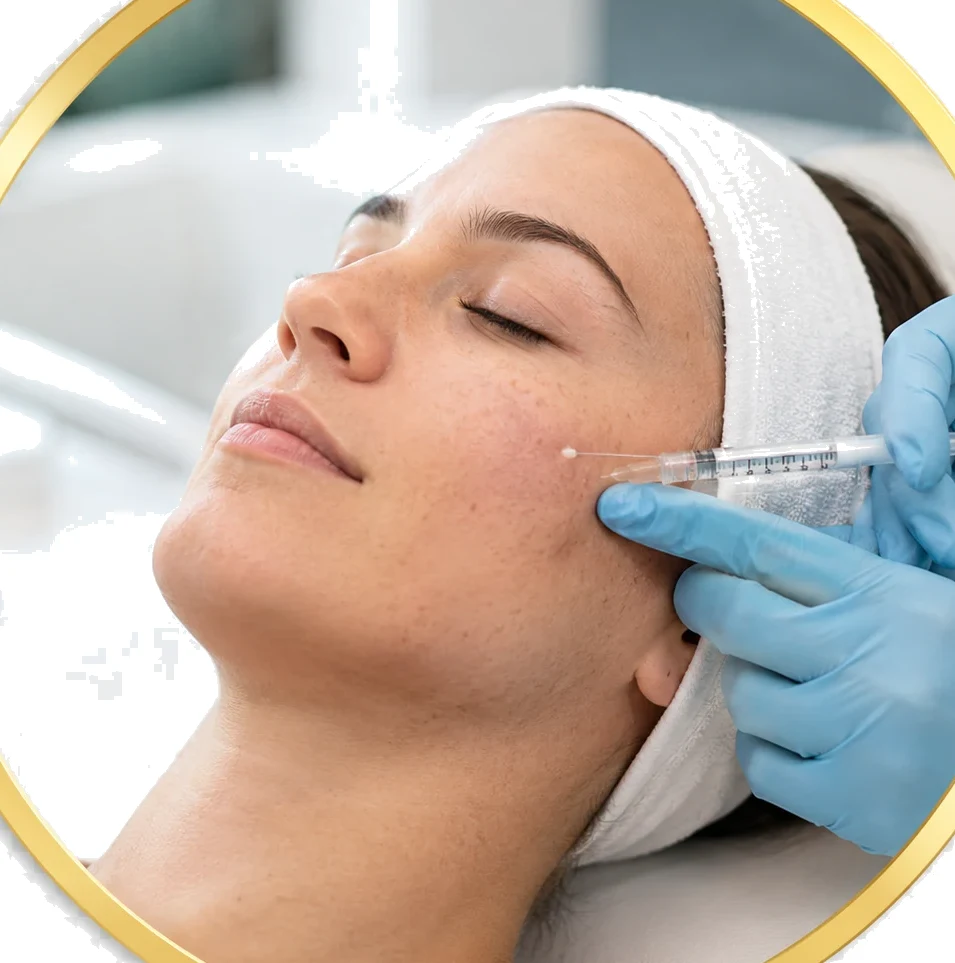
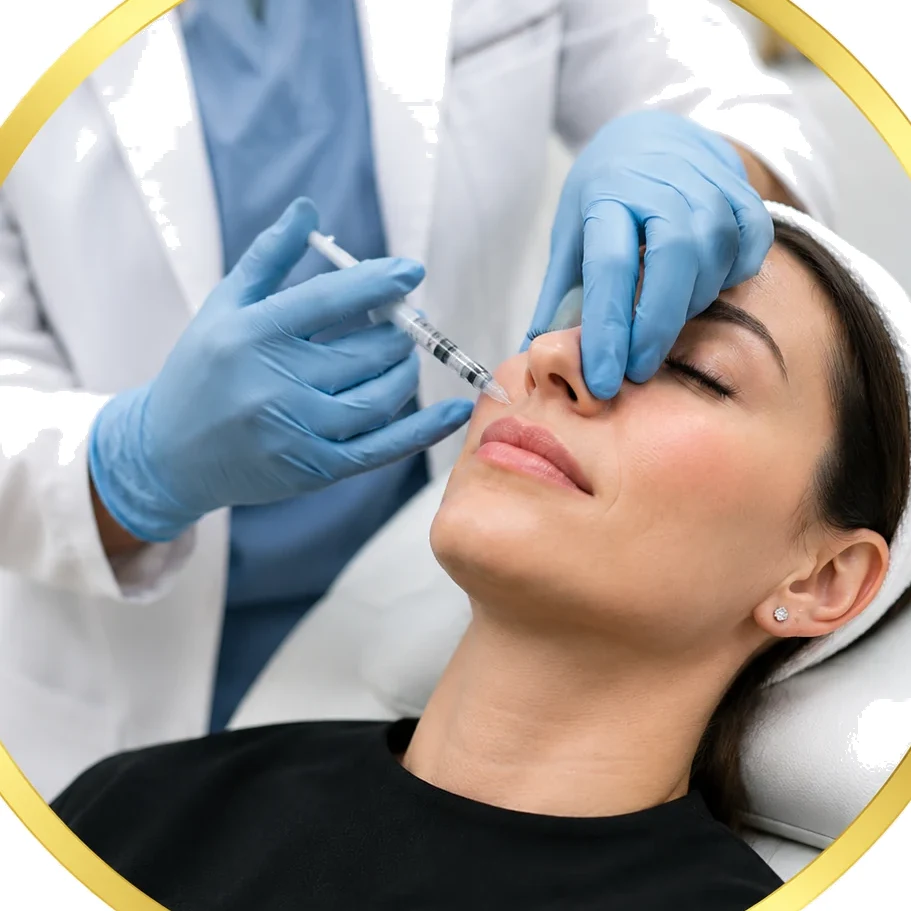
- Injection: The filler is injected strategically to achieve the desired aesthetic. Practitioners will make sure to use precise techniques.
- Post-Treatment Care: After the procedure, you will be advised on aftercare to maximise safety and results.
Who This May Suit
Lip fillers may be suitable for individuals who desire enhanced lip fullness, improved symmetry, or a more youthful appearance. It is essential to have realistic expectations regarding the outcomes of the procedure. Candidates should also be physically healthy, over the age of 18, and not have any active skin infections or specific allergies.
Those contemplating lip fillers should also consider their motivations; seeking treatment for personal reasons rather than external pressures is imperative for overall satisfaction.
Common Risks and Side Effects
While many individuals have successful and satisfying experiences with lip fillers, there are inherent risks and potential side effects to be aware of:
- Swelling and Bruising: Temporary swelling and bruising are common after the procedure and usually subside within a few days.
- Asymmetry: There is a possibility of uneven results, necessitating follow-up adjustments.
- Allergic Reactions: Some individuals may experience allergic reactions to the filler, although this is rare.
- Infection: Improper technique or aftercare can lead to infections, underscoring the importance of selecting a qualified practitioner.
What to Ask Before Treatment
Before proceeding with lip fillers, it is crucial to have an open dialogue with your practitioner. Consider asking the following questions:
- What type of filler do you recommend, and why?
- What qualifications do you have to perform this treatment?
- Can you share before and after photos from previous patients?
- What are the most common side effects, and how can they be managed?
- What is the expected recovery time, and when can I see results?
Post-Treatment Care
Proper aftercare significantly contributes to the safety and success of the treatment. Here are some recommended aftercare practices:
- Avoid strenuous exercise or heavy lifting for 24 hours.
- Keep the treated area clean and refrain from touching your lips excessively.
- Use a cold compress to minimise swelling.
- Follow any specific instructions provided by your practitioner regarding skincare and makeup.
When to Book a Consultation
Understanding the nuances of lip fillers and ensuring a safe and satisfactory experience begins with scheduling a consultation. This initial meeting allows both you and your practitioner to discuss your goals and address any concerns in a personalised manner.
At NexGen Clinic, we believe in a tailored approach to each treatment. If you are considering lip fillers, don’t hesitate to book a consultation with us today. Our experienced team will guide you through the entire process, ensuring you make an informed decision.
Conclusion
Ultimately, lip fillers can be a safe and effective way to enhance your appearance when administered by a qualified professional. Understanding the procedure, potential risks, and importance of aftercare is vital for ensuring a positive outcome. As with any aesthetic treatment, knowledge and preparation are key to achieving satisfaction.
If you have further questions regarding lip fillers or would like to discuss your options, we invite you to speak to the clinic today.