Introduction to Polynucleotides
Polynucleotides are increasingly recognised in the realm of aesthetic treatments due to their ability to stimulate skin regeneration and promote healing. Derived from natural sources, these biocompatible compounds are designed to enhance the skin's overall appearance and texture while offering a subtle rejuvenation. If you are considering polynucleotide treatments in Cambridge, it is essential to understand their benefits, applications, and what to expect during the procedure.
At NexGen Clinic, we prioritise a personalised approach, ensuring that each treatment aligns with individual needs and aesthetic goals. To explore your options further, book a consultation with our skilled practitioners, who can provide insights tailored to your unique circumstances.
What are Polynucleotides?
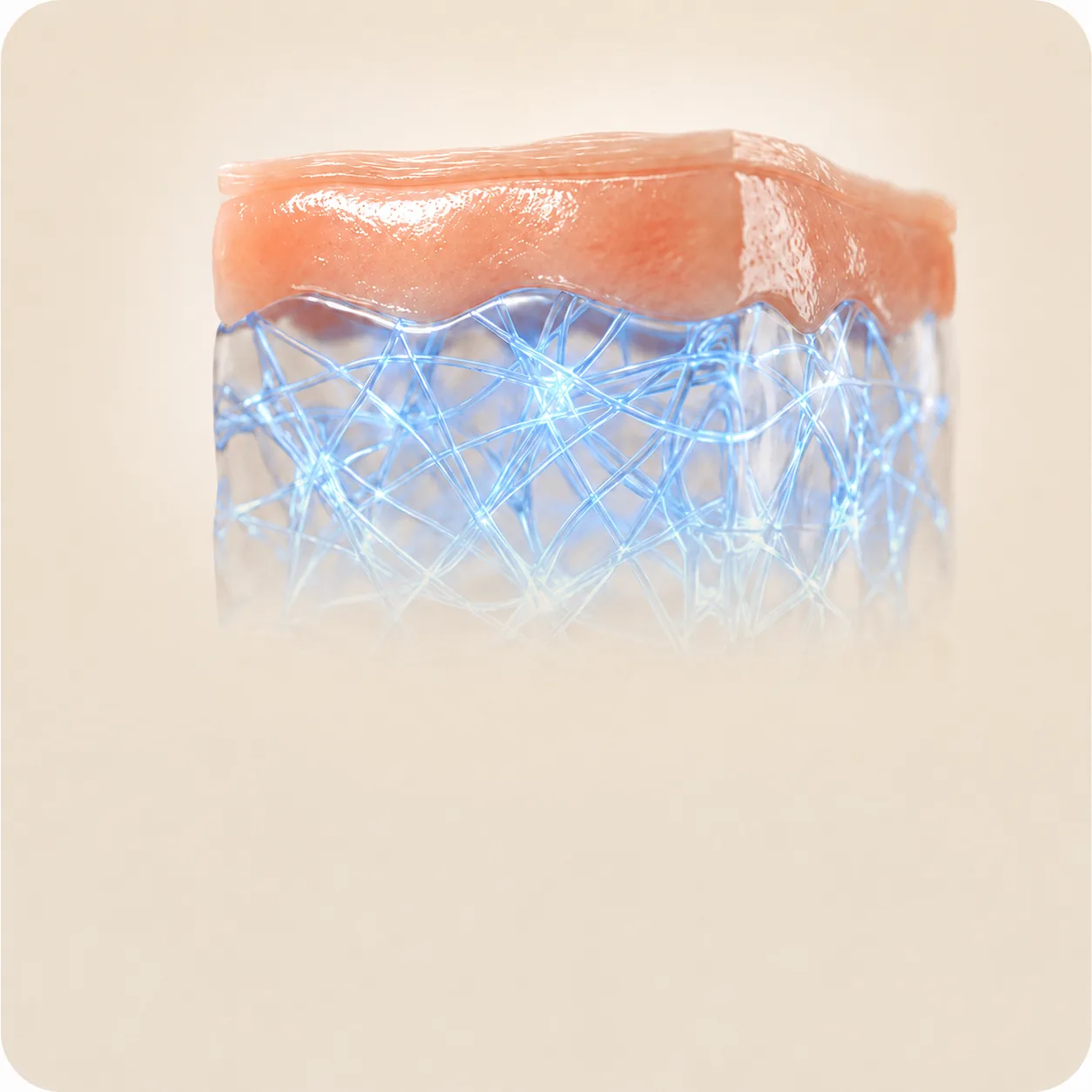
Polynucleotides are chains of nucleotides that play a crucial role in cellular processes, including DNA and RNA functions. In the aesthetic field, these substances are used primarily for their regenerative properties. They are essential for cellular repair and can aid in the skin's rejuvenation by promoting the production of collagen, improving hydration, and restoring elasticity.
While polynucleotides are often associated with procedures aimed at enhancing skin quality, they also show promise in treating conditions such as wrinkles, fine lines, and even post-acne scarring. Their natural origins and minimal side effects make them an appealing choice for many seeking less invasive aesthetic interventions.
What to Expect During a Polynucleotide Treatment
Pre-Treatment Consultation
The Treatment Procedure
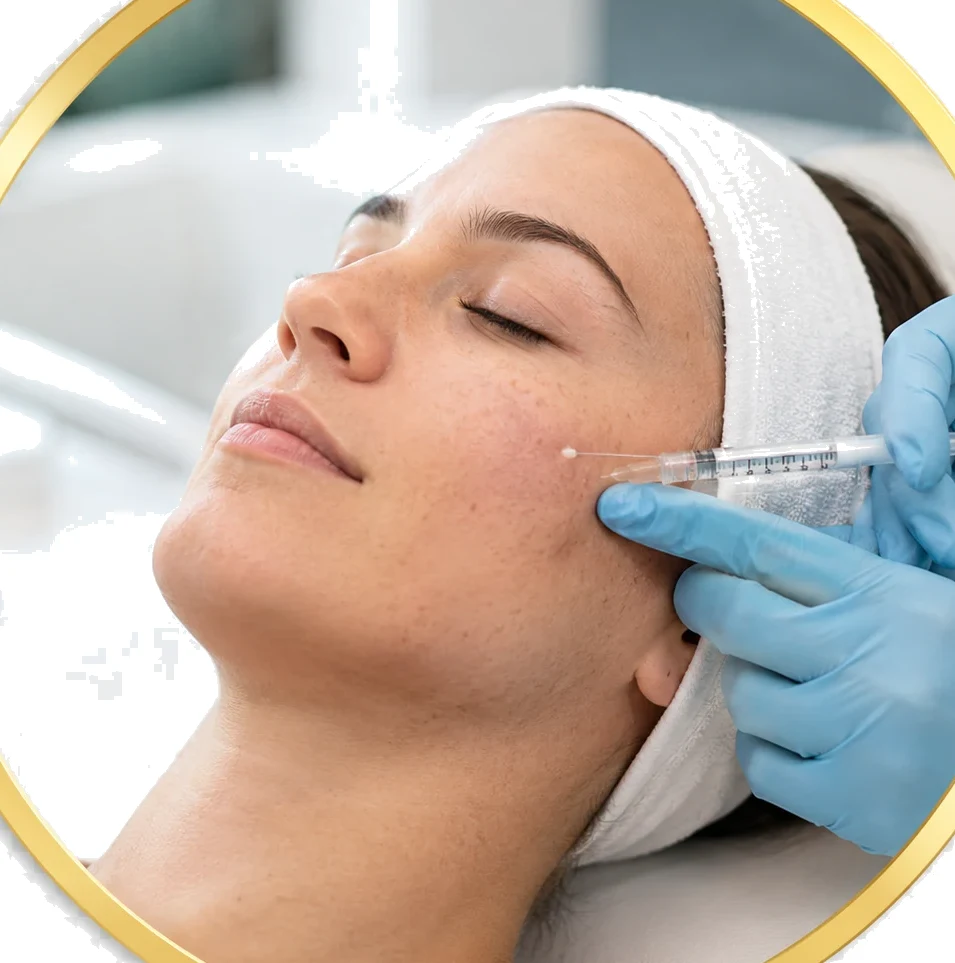
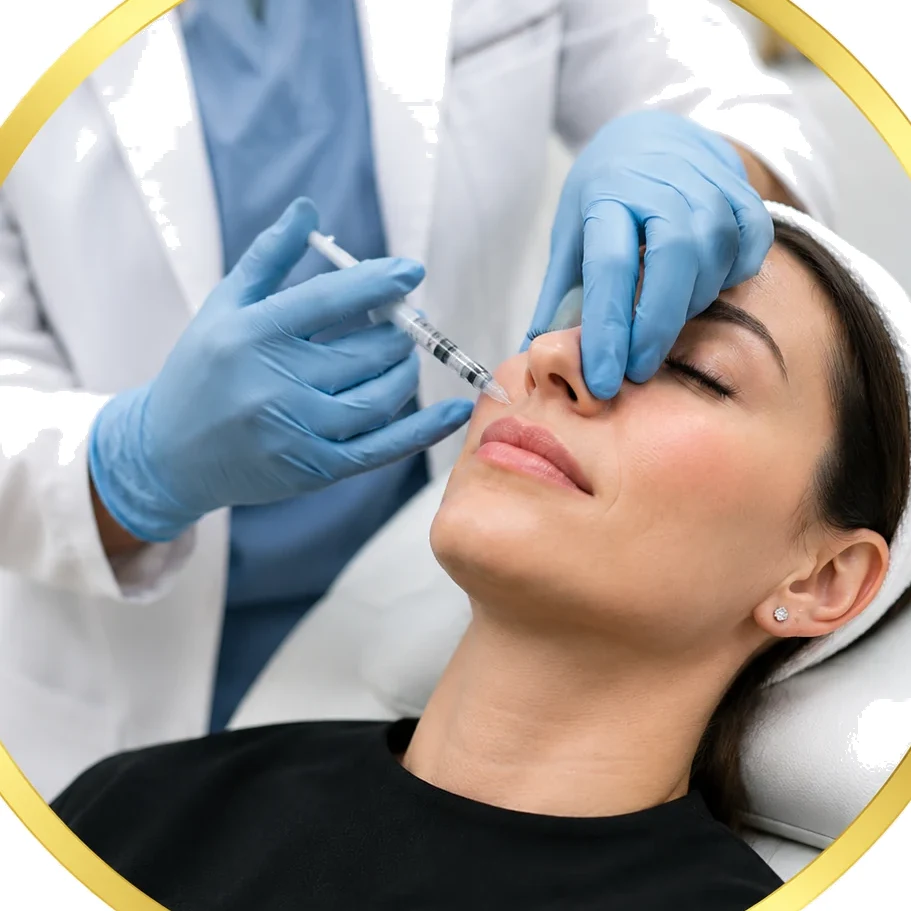
A polynucleotide treatment typically involves a series of micro-injections into the targeted areas of the skin. The procedure is relatively quick, generally lasting between 30 and 60 minutes depending on the areas treated. You may experience mild discomfort during the injections, but this can often be managed with topical anaesthetics.
Post-treatment, some redness or swelling may occur, which usually subsides within a few hours. Your practitioner will provide aftercare instructions to optimise your recovery and results.
Who is This Treatment Suitable For?
Polynucleotide treatments can suit a wide variety of individuals, particularly those looking to rejuvenate their skin subtly and effectively. Ideal candidates typically include:
- Individuals with fine lines or wrinkles
- Those suffering from skin laxity
- People seeking to improve overall skin texture and tone
- Patients recovering from skin-related conditions such as acne scars
However, it is vital to consult with a qualified practitioner to determine your suitability based on your health history and aesthetic goals. To find out more about suitable treatments for your needs, explore the conditions we treat.
Aftercare Considerations
Post-Treatment Care
- Avoiding sun exposure for a few days
- Refraining from strenuous exercise and hot baths for at least 48 hours
- Staying hydrated and maintaining a good skincare routine
Follow-Up Appointments
When to Book a Consultation
speak to the clinic and discover how our expert team can assist you in your journey towards enhanced skin health.At NexGen Clinic, our commitment to a personalised and premium service ensures that you receive treatment that is both effective and safe. To learn more about our approach, visit our about page.