
Introduction
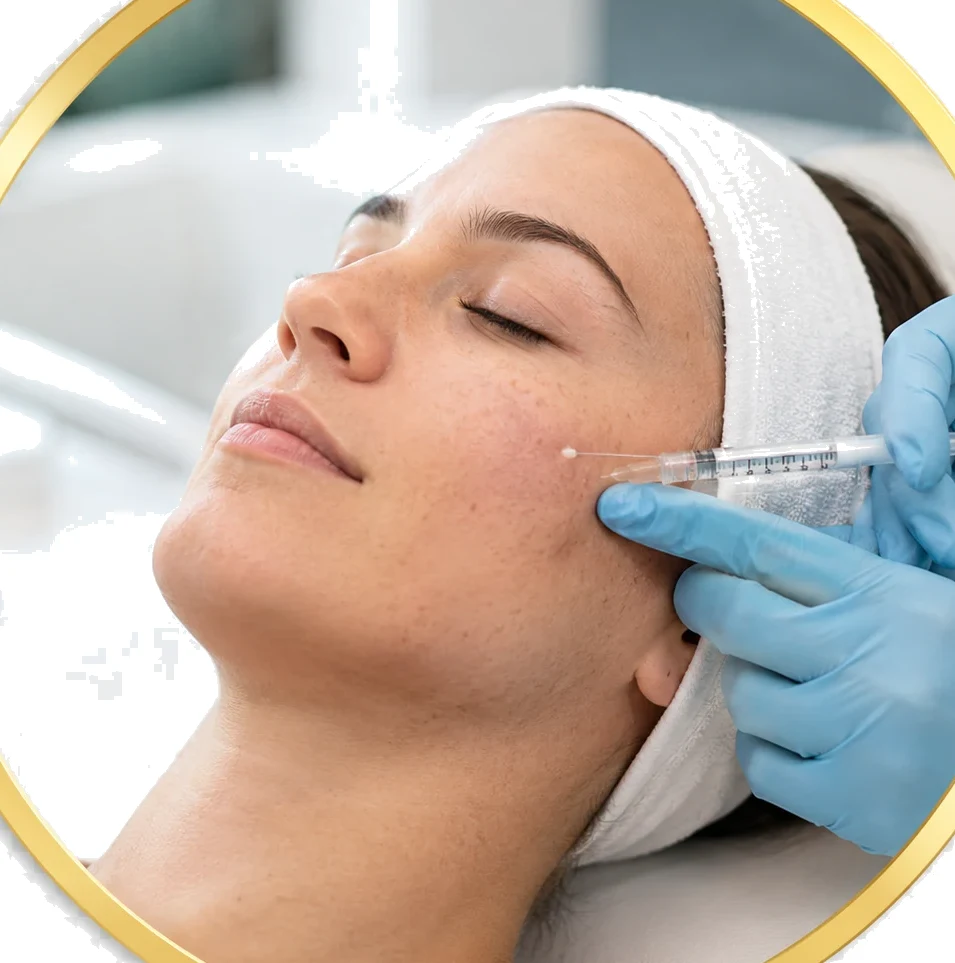
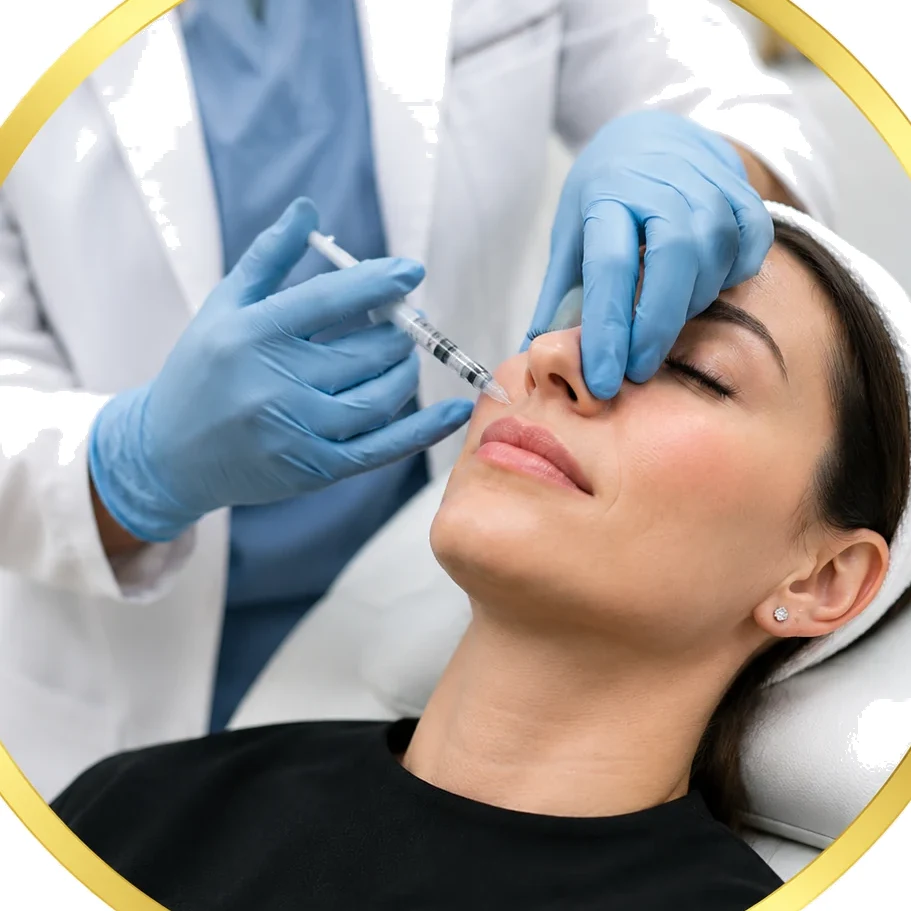
Botox has become a renowned treatment in the realm of aesthetics, offering solutions for wrinkle reduction and facial rejuvenation. However, the effectiveness of the treatment can be greatly influenced by the aftercare practices you follow. Understanding how to care for your skin post-treatment not only enhances results but also minimises potential side effects. If you are considering Botox or have recently undergone the procedure, this guide on Botox aftercare will provide you with essential insights.
At NexGen Clinic, we’re committed to ensuring that our clients enjoy a smooth healing process. For personalised advice tailored to your unique needs, don't hesitate to book a consultation with our experienced team.
What to Expect After Botox Treatment
Post-treatment sensations can vary, but there are common experiences that many individuals encounter. Generally, patients may notice:
- Minor Swelling and Redness: It is typical to see slight swelling or redness at the injection sites, which usually subsides within a few hours.
- Bruising: Some patients may experience bruising. This can often be covered with makeup, but it is essential to let it heal naturally.
- Headache: A mild headache can occur post-treatment, which typically resolves on its own.
- Results Timeline: Full effects of Botox usually manifest within 5 to 14 days, so patience is key.
Understanding these initial reactions can help set realistic expectations for your treatment journey. Remember, individual experiences may vary, and for any concerns, we recommend discussing them with your practitioner or speaking to the clinic.
Aftercare Considerations
Immediate Post-Treatment Care
Your immediate aftercare plays a crucial role in achieving the results you desire. Here are some key practices:
- Avoid Touching Your Face: For the first 24 hours, refrain from touching or massaging the treated areas to prevent displacement of the product.
- Stay Upright: It is advisable to remain upright for the first four hours after treatment. Avoid lying down or bending over to minimise the risk of migration.
- Ice Packs: If you notice swelling, applying a clean ice pack can help reduce discomfort and inflammation.
Long-term Aftercare
The care does not stop after the first few hours; certain strategies can prolong the effects of Botox:
- Follow-Up Treatments: Regular treatments can sustain results. Discuss a suitable schedule during your consultation.
- Sun Protection: Always apply a broad-spectrum sunscreen to protect your skin from UV damage, which can affect your results.
- Hydration and Skincare: Maintain a good skincare regimen and ensure adequate hydration to support skin health.
Who This May Suit
Botox is suitable for a wide range of individuals looking to manage the visible signs of aging or hyperhidrosis (excessive sweating). However, certain groups should exercise caution:
- Individuals with neuromuscular disorders.
- Pregnant or breastfeeding women.
- Those on anticoagulant therapy may face increased bruising risks.
Understanding your suitability for Botox is vital, and it’s always advised to have a thorough consultation with a qualified practitioner before proceeding.
What to Ask Before Treatment
- What qualifications do you hold? It’s important to know that your practitioner is qualified and experienced in administering Botox.
- What techniques do you use? Understanding the technique helps gauge the expected outcome.
- What are the potential risks and side effects? Knowing these details can help you make an informed decision.
- How many units will I need? The required dosage can vary greatly depending on individual anatomy.
When to Book a Consultation
For anyone considering Botox or wanting to learn more, we recommend scheduling a consultation. This allows for a thorough discussion regarding your goals, concerns, and the specifics of the procedure. Booking a consultation can be done easily through our website. Also, if you're interested in exploring our range of treatments, be sure to explore our aesthetic treatments.
Conclusion
Botox aftercare is an essential aspect of the treatment process that can significantly impact outcomes. The practices and recommendations outlined in this guide should help you navigate your post-treatment care effectively. If you have any questions or wish to discuss your concerns, please feel free to speak to the clinic. We're dedicated to providing you with the best possible support and care.