
Introduction
Cheek fillers have gained significant popularity in the aesthetic world, offering a non-surgical solution for enhancing facial contour and achieving a youthful appearance. At NexGen Clinic in Cambridge, we understand the nuances of cheek fillers and are dedicated to providing clients with comprehensive care and expert guidance. This article explores what to expect from cheek filler treatments, who they may suit, and important considerations before making a decision.
What Are Cheek Fillers?
Cheek fillers are injectable dermal fillers designed to restore volume, enhance contour, and improve facial symmetry in the cheek area. Typically composed of hyaluronic acid—a substance naturally found in the body—these fillers can provide a subtle lift and rejuvenation effect. As facial volume can diminish with age, cheek fillers offer a solution to combat this loss and enhance facial aesthetics without requiring invasive procedures.
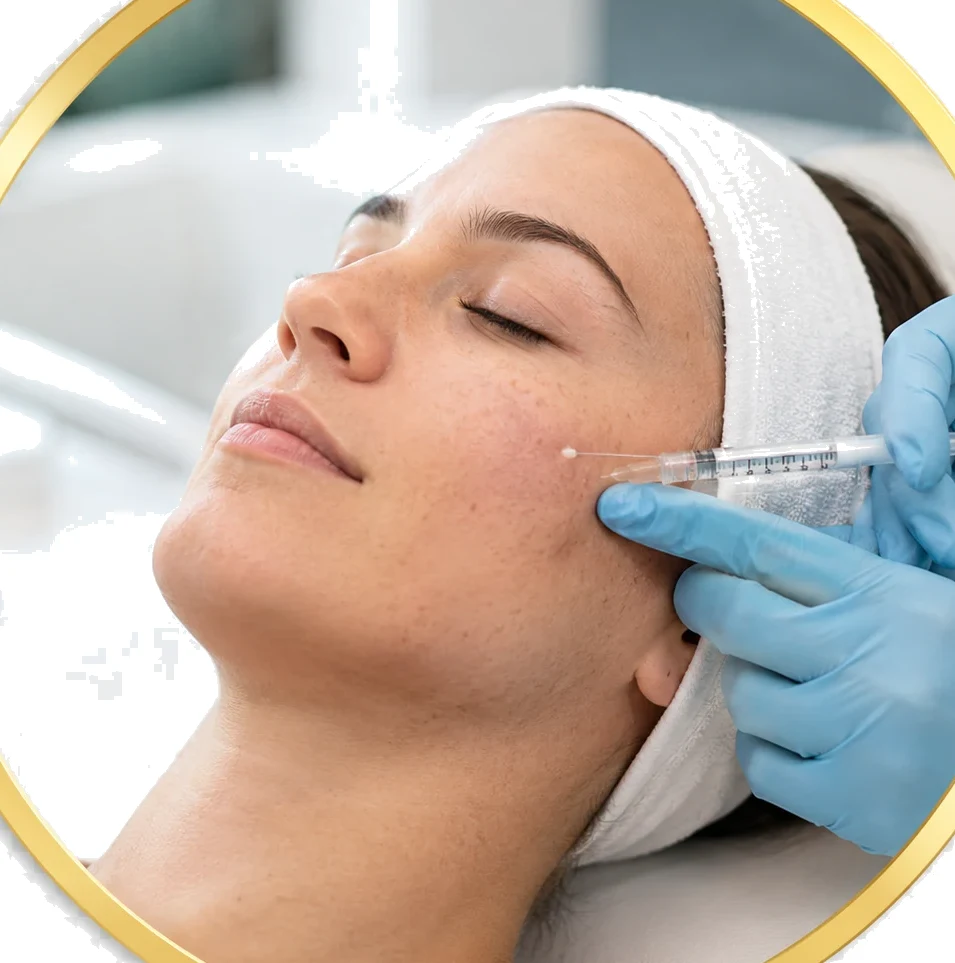
During a treatment session, a qualified practitioner will administer the filler using fine needles, allowing for precise application. The procedure itself usually takes about 30 to 60 minutes, depending on individual needs and anatomy. For those considering cheek fillers, it is advisable to book a consultation to discuss goals and expectations thoroughly.
What to Expect from the Treatment
- Initial Consultation: A professional assessment helps to identify your desired outcomes and any relevant medical history.
- Procedure Details: Most clients experience a comfortable treatment, often with minimal discomfort thanks to the presence of local anaesthesia or numbing agents in the filler.
- Aftercare: Post-treatment may involve some swelling or bruising; however, these effects are typically temporary.
Cheek Filler Effects: A Comparison
The effects of cheek fillers can vary based on several factors, including the type of filler used, the technique of the practitioner, and individual anatomy. Below is a comparison of temporary effects and expected longevity based on typical filler types:
| Filler Type | Duration of Results | Common Effects |
|---|---|---|
| Hyaluronic Acid Fillers | 6-12 months | Natural and soft appearance |
| Calcium Hydroxylapatite Fillers | 12-18 months | More volumising effect |
| Poly-L-lactic Acid Fillers | 2+ years | Gradual natural volume restoration |
Who This Treatment May Suit
Cheek fillers may be suitable for individuals looking to enhance their facial contours, especially those who have experienced loss of volume due to ageing or wish to add youthful prominence to their cheeks. Ideal candidates are generally non-smokers in good health, with realistic expectations about the outcomes of the procedure.
Additionally, it is important for patients to be comfortable with the idea of having injectable treatments. Those with specific allergies, or certain medical conditions should speak to a practitioner to ensure safety. If you feel unsure about your suitability for cheek fillers, we encourage you to speak to the clinic for personalised advice.
What to Ask Before Treatment
A thorough consultation is imperative before any aesthetic treatment. Here are essential questions to consider asking during your appointment:
- What type of filler do you recommend and why? Understanding the differences between fillers can aid in making an informed decision.
- What is the expected recovery time? Knowing what to expect post-treatment will help you plan accordingly.
- What are the potential side effects? Being aware of risks will help you weigh the benefits against possible downsides.
- How often will I need follow-up treatments? Understanding maintenance can affect your long-term planning.
Aftercare Considerations
Proper aftercare is essential for optimal results following cheek filler treatments. Following your procedure, it is common to experience mild swelling or bruising at the injection sites. To promote healing, consider the following aftercare tips:
- Avoid strenuous activity: Refrain from intense exercise for at least 24 hours post-treatment to minimise swelling.
- Ice packs: Apply ice packs to the treated areas for short periods to alleviate swelling and discomfort.
- Stay hydrated: Adequate hydration can support optimal recovery.
- Avoid alcohol: Limiting alcohol intake immediately after treatment can help reduce swelling and bruising.
When to Book a Consultation
If you’re intrigued by the prospect of cheek fillers, we recommend booking a consultation to learn more about the procedure and discuss your personal goals. During the consultation, our expert team will assess your facial structure, provide tailored advice, and help you understand realistic outcomes.
To take the first step towards achieving the aesthetic results you desire, please book a consultation today and let our skilled practitioners guide you through every aspect of the journey.
Conclusion
Cheek fillers can be a valuable option for those looking to enhance their facial aesthetics. With the right information and support from the expert team at NexGen Clinic, you can feel confident in your decision. Whether you’re considering your first treatment or exploring options to refresh your appearance, we are here to assist you every step of the way.
For more information about our services, visit about NexGen Clinic or conditions we treat. We look forward to helping you achieve your aesthetic goals.