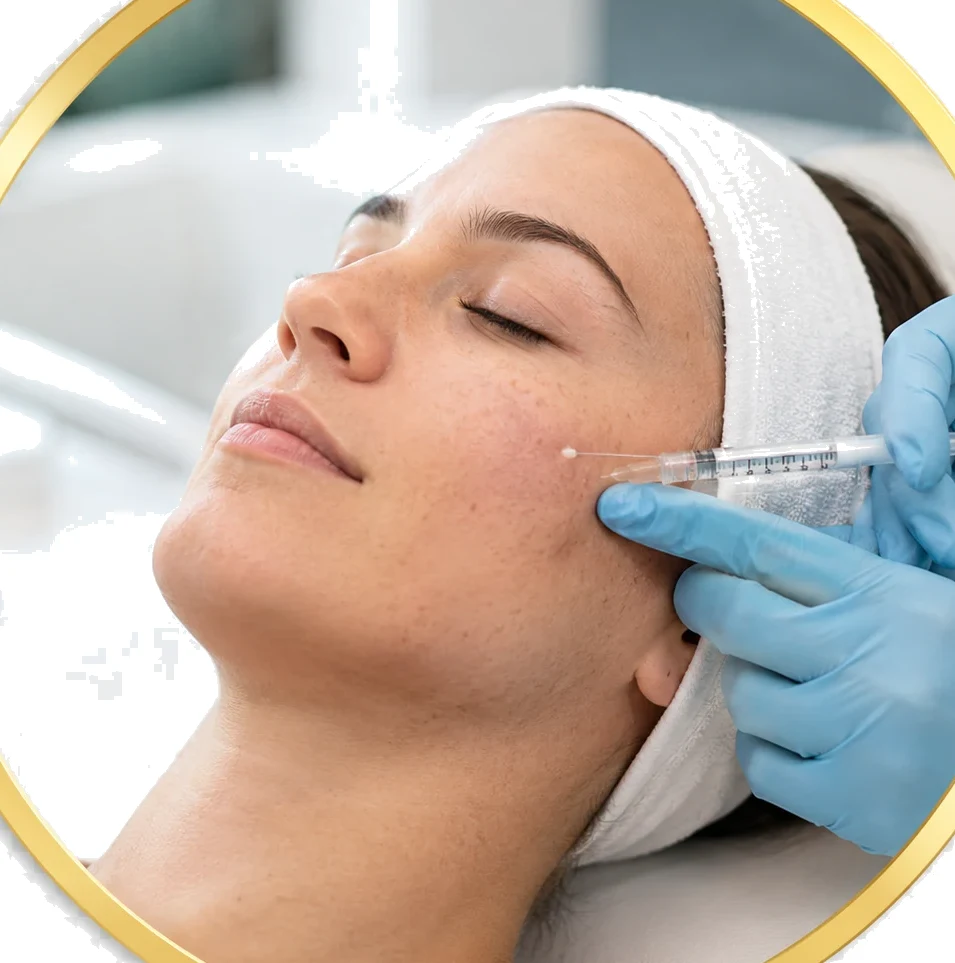

Dermal fillers can be safe when administered by properly trained, medically regulated practitioners who follow evidence-based protocols. The NHS is clear that complications, including infection, nerve damage and blindness, are real risks when fillers are given by inadequately trained practitioners. The MHRA regulates filler products as medical devices in the UK, and the JCCP sets the professional code of practice that governs how practitioners should assess, treat and follow up patients. Clinics such as Nexgen Clinic operate within these frameworks, combining medical oversight with documented consent and emergency protocols.
Three things every patient must know before booking:
- A face-to-face consultation with a qualified prescriber is not optional; remote prescribing without an in-person examination is a recognised safety risk.
- Never purchase filler products online or attempt self-injection; unregulated supply chains carry serious, sometimes irreversible, risks.
- Seek urgent medical attention immediately if you experience sudden severe pain, skin pallor, dusky discolouration, or any change in vision after treatment.
Key takeaways
Dermal filler safety in the UK depends on choosing a medically qualified, Level 7-trained practitioner who follows JCCP standards, uses traceable HA products, and holds hyaluronidase on-site for emergencies.
| Point | Details |
|---|---|
| Choose HA fillers first | Hyaluronic acid fillers are reversible with hyaluronidase, making complications significantly more manageable. |
| Verify qualifications | Confirm Level 7 training, medical registration, and indemnity insurance before booking any treatment. |
| Know the red flags | Sudden pain, skin pallor, or vision changes after injection require immediate emergency action, not a wait-and-see approach. |
| Avoid unregulated products | Internet-sourced or self-administered fillers carry severe, sometimes irreversible risks, as documented in NHS case reports. |
| Nexgen Clinic | Offers medically led, AI-informed filler treatments in Cambridge with on-site hyaluronidase, documented consent, and Level 7 practitioners. |
Table of Contents
- What are dermal fillers and how do they work?
- How do filler types compare for safety and durability?
- What are the real risks: expected effects versus serious complications?
- What to do immediately if vascular occlusion is suspected
- How to choose a safe clinic and injector in the UK
- What to expect after treatment and how to care for your skin
- How complications are managed and what the NHS pathway looks like
- The UK regulatory framework and what is changing
- Your rights and what informed consent means in practice
- How common are adverse events from fillers in the UK?
- The emotional side of complications: what patients often overlook
- An editorial perspective on what safety really requires
- Medically led filler treatments at Nexgen Clinic
- Sources
- FAQ
What are dermal fillers and how do they work?
Dermal fillers are injectable substances placed beneath the skin to restore volume, smooth lines, or reshape facial contours. The mechanism matters for understanding risk: fillers occupy physical space within tissue planes, provide structural support, and, if misplaced, can compress or enter blood vessels.
The three main product classes differ significantly in composition and, critically, in reversibility:
- Hyaluronic acid (HA) fillers are the most widely used. HA is a naturally occurring sugar molecule; these fillers can be dissolved with hyaluronidase if a complication occurs, making them the safest choice from a risk-management perspective.
- Semi-permanent fillers (such as calcium hydroxylapatite or poly-L-lactic acid) stimulate collagen over time. They are not reversible with hyaluronidase and require specialist management if complications arise.
- Permanent fillers (such as polyacrylamide gel or silicone) remain in tissue indefinitely. Complications from permanent products can be extremely difficult to treat and may require surgical excision.
How fillers interact with tissue depends on placement depth, volume, and the injector's anatomical knowledge. Superficial placement risks nodule formation; deep placement near vessels risks vascular occlusion. The complexity of facial vasculature means that even small volumes, injected incorrectly, can cause serious harm.
How do filler types compare for safety and durability?
| Filler type | Typical duration | Reversible? | Key safety implication |
|---|---|---|---|
| Hyaluronic acid (HA) | 6–18 months | Yes, with hyaluronidase | Preferred for safety; complications manageable |
| Semi-permanent (e.g. calcium hydroxylapatite) | over one year | No | Requires specialist management if complications arise |
| Permanent (e.g. silicone, polyacrylamide) | Long-lasting | No | Highest long-term risk; surgical removal may be needed |
Temporary HA fillers carry a meaningful practical advantage: if a vascular event or unwanted result occurs, hyaluronidase can dissolve the product, sometimes within minutes. Semi-permanent and permanent products offer no such option. Longer duration does not equal better safety; in fact, the opposite is often true when complications arise.
Pro Tip: If you are considering fillers for the first time, choose an HA-based product. The ability to reverse the treatment with hyaluronidase is not a minor detail — it can be the difference between a manageable complication and a permanent one.
What are the real risks: expected effects versus serious complications?
Most patients experience predictable, short-lived effects after treatment. Swelling, bruising, tenderness and mild redness at injection sites are normal and typically resolve within 48–72 hours. These are not complications; they are expected tissue responses.
True complications are a different matter. The peer-reviewed literature documents the following:
| Complication | Severity | Notes |
|---|---|---|
| Infection | Moderate to severe | Requires antibiotics; rarely abscess formation |
| Delayed nodules / granuloma | Moderate | Can appear months or years later; may need steroids or excision |
| Hypersensitivity reaction | Mild to severe | Rare; may require antihistamines or steroids |
| Filler migration | Moderate | More common with poor technique or overtreatment |
| Vascular occlusion | Severe / sight-threatening | Requires immediate hyaluronidase for HA fillers; emergency care for vision changes |
Anatomical risk is not evenly distributed across the face. The glabella (between the brows), nasal dorsum, periocular area, and nasolabial folds overlie vessels with direct connections to the ophthalmic circulation. Injectors without detailed vascular anatomy training are at higher risk of causing occlusion in these zones. This is precisely why the NHS advises patients to avoid practitioners who have completed only short training courses.
What to do immediately if vascular occlusion is suspected
Vascular occlusion is a medical emergency. Recognising it early and acting within minutes can prevent permanent tissue loss or blindness.
Red flags to watch for:
- Sudden, severe or disproportionate pain during or after injection
- Blanching (white patches) or pallor of the skin
- Dusky, mottled, or grey-blue skin discolouration
- Prolonged capillary refill time
- Any change in vision, including blurring, double vision, or sudden visual loss
Immediate steps:
- Stop the procedure immediately if any red flag appears during treatment.
- Contact your treating clinician without delay, even if symptoms appear hours later.
- If HA filler was used, the clinician should administer hyaluronidase promptly; timely use can be sight-saving.
- If vision changes occur, call 999 or go directly to an emergency department. Do not wait.
- Document the product name, batch number, and volume injected — this information is critical for emergency management.
Pro Tip: Before your appointment, ask your clinic whether hyaluronidase is held on-site and whether the treating practitioner is trained in its emergency use. A clinic that cannot answer this question clearly is not adequately prepared.
How to choose a safe clinic and injector in the UK
Choosing the right practitioner is the single most effective step you can take to reduce filler risks. The JCCP Code of Practice requires practitioners to conduct a face-to-face physical and psychological assessment before prescribing, and to report adverse events to regulators. A practitioner who skips this step is not compliant with professional standards.
Essential checks before booking:
- Verify medical qualification (doctor, dentist, nurse prescriber, or pharmacist prescriber).
- Confirm specialist aesthetic training at Level 7 or equivalent; Level 7 qualifications are recommended for practitioners administering dermal fillers.
- Ask for evidence of current indemnity insurance covering filler complications.
- Confirm a written consent process is in place, including documented discussion of risks.
- Check that the clinic maintains a product logbook recording brand, batch number, lot, volume, and anatomical site for every treatment.
Questions to ask at your consultation:
- Will the prescribing clinician assess me in person before treatment?
- Is hyaluronidase held on-site and can it be administered in an emergency?
- What is the clinic's protocol if I experience a complication after I leave?
- Can you tell me the brand and batch number of the product you plan to use?
- What follow-up is included, and how do I contact you urgently out of hours?
Red flags that should stop you booking:
- Remote prescribing or online consultation only, with no in-person examination.
- Prices significantly below the market average (a strong indicator of unregulated products or undertrained staff).
- Pressure to book immediately or add treatments during the consultation.
- Reluctance to share product details or provide a written aftercare plan.
Pro Tip: Cross-reference your practitioner's name against the relevant professional register (NMC, GMC, GDC, or GPhC). Registration is publicly searchable and takes under two minutes to check.
What to expect after treatment and how to care for your skin
Recovery from dermal filler treatment follows a broadly predictable pattern, though individual responses vary.
Typical timeline:
- First 24–48 hours: Swelling, bruising, and tenderness are normal. The treated area may look overfilled initially.
- Days 3–7: Swelling subsides; bruising fades. The product begins to integrate with surrounding tissue.
- Weeks 1–2: Most patients see the settled result. Minor asymmetry at this stage may resolve further.
- Week 2 onwards: Final result is visible. A follow-up review should be offered by your clinic.
Aftercare steps that reduce complication risk:
- Avoid strenuous exercise, saunas, and steam rooms for at least 24–48 hours.
- Do not consume alcohol on the day of treatment.
- Apply a cold pack (wrapped in a cloth) gently to reduce swelling; avoid direct pressure on treated areas.
- Sleep with your head slightly elevated for the first night.
- Do not massage the treated area unless specifically instructed by your clinician.
Signs that require prompt medical review:
- Skin that remains white, mottled, or discoloured beyond the first hour.
- Worsening pain rather than improving tenderness.
- Fever, increasing redness, or warmth suggesting infection.
- Any visual disturbance at any point after treatment.
Your clinic should provide a direct contact number for urgent aftercare queries. If they do not, ask for one before you leave.
How complications are managed and what the NHS pathway looks like
When complications occur, the management pathway depends on the type and severity of the problem.
Vascular occlusion:
- Immediate administration of hyaluronidase if an HA filler was used.
- Pain management and warm compresses to encourage vasodilation.
- Referral to an emergency department if vision is affected; ophthalmology input is required urgently.
Infection:
- Oral or intravenous antibiotics depending on severity.
- Incision and drainage if an abscess has formed.
- Referral to a specialist if the infection does not resolve or involves deeper tissue planes.
Delayed nodules and granulomas:
- Intralesional corticosteroid injection as first-line treatment.
- Hyaluronidase for HA-related nodules.
- Surgical excision in specialist settings for persistent or permanent filler-related nodules.
The NHS will treat acute emergencies, including vascular occlusion and severe infection, through emergency departments. Complex or delayed complications may require referral to a plastic surgeon or specialist dermatologist. Patients who have used internet-sourced or unregulated filler products often present with more complex, longer-lasting complications, including chronic inflammatory reactions from substances such as silicone oil, which require prolonged NHS management.
The UK regulatory framework and what is changing
The regulatory landscape for dermal fillers in the UK has been evolving, and changes introduced in 2025 will affect patients directly.
| Regulatory body / legislation | Role | Current status |
|---|---|---|
| MHRA | Regulates filler products as medical devices; issues safety alerts | Active |
| CQC (Care Quality Commission) | Regulates clinical settings; enforcement for breaches | Active |
| JCCP / CPSA | Professional standards and code of practice for practitioners | Active |
| Botulinum Toxin and Cosmetic Fillers (Children) Act 2021 | Bans administration of fillers to under-18s in England | In force |
| Health and Care Act 2022, Section 180 | Provides powers for personal and premises licensing of cosmetic procedures | Powers in place; regulations pending |
| 2025 government measures | Stricter oversight, local authority licensing, CQC enforcement for highest-risk procedures | Announced 2025 |
The Botulinum Toxin and Cosmetic Fillers (Children) Act 2021 makes it a criminal offence to administer fillers to anyone under 18 in England. The 2025 government measures extend oversight further, prioritising the highest-risk non-surgical procedures and introducing local authority licensing requirements. CQC enforcement powers for breaches add a meaningful deterrent.
Regulators and professional bodies also urge practitioners to report adverse events through the MHRA Yellow Card scheme, improving post-market safety surveillance across the sector.
Official resources to bookmark:
- MHRA Yellow Card reporting
- NHS cosmetic procedure guidance
- JCCP practitioner register
- CPSA standards documents
Your rights and what informed consent means in practice
Informed consent for dermal fillers in the UK is not a mere formality. It is a legal and ethical requirement that protects your right to make a genuinely informed decision about a procedure that carries real risks.
A valid consent process for dermal fillers must include a face-to-face discussion of the specific risks relevant to the treatment site, the products to be used, and the alternatives available. The JCCP Code requires practitioners to take a full clinical history and conduct a physical and psychological assessment before prescribing. Psychological readiness matters: practitioners are expected to identify patients who may be seeking treatment for reasons related to body dysmorphic disorder or other psychological concerns, and to refer appropriately rather than proceed.
You have the right to:
- Receive a written record of the products used, including brand and batch number.
- Decline treatment at any point, including after signing a consent form.
- Request a cooling-off period before proceeding, particularly for first-time treatments.
- Access your treatment records and report adverse events to the MHRA.
A consent form signed under pressure, or without a genuine opportunity to ask questions, does not constitute valid informed consent. If a clinic rushes this process, that is a red flag.
How common are adverse events from fillers in the UK?
Precise national figures on filler adverse events are difficult to establish because reporting has historically been inconsistent. The MHRA Yellow Card scheme captures some events, but under-reporting is widely acknowledged within the sector. What the published evidence does show is that complications can occur even under experienced hands, and that vascular events, while rare in absolute terms, carry consequences severe enough to warrant treating every treatment as carrying genuine risk.
The risk profile shifts sharply when products are sourced outside regulated supply chains. Case reports document patients presenting with chronic inflammatory reactions after self-administering products purchased online, some of which were chemically identified as silicone oil rather than the HA product advertised. These cases required prolonged NHS intervention and, in some instances, surgical management.
The 2025 government measures were introduced partly in response to a recognised pattern of harm from unregulated practitioners and products. Stricter licensing and CQC enforcement are intended to reduce the incidence of avoidable adverse events, but the regulatory framework only protects patients who use regulated practitioners in the first place.
The emotional side of complications: what patients often overlook
A physical complication from filler treatment can have a significant psychological impact, and this dimension is frequently underaddressed. Patients who experience visible complications, such as nodules, asymmetry, or prolonged swelling, often report anxiety, loss of confidence, and distress that persists beyond the physical resolution of the problem.
The JCCP Code recognises this by requiring practitioners to conduct a psychological as well as physical assessment before treatment. The same duty of care extends to the post-complication period. A responsible clinic will not simply manage the physical problem and discharge the patient; it will offer a follow-up conversation, acknowledge the patient's distress, and, where appropriate, refer to a mental health professional.
If you are experiencing anxiety or distress following a complication, you are entitled to raise this with your treating clinician. You can also contact your GP, who can refer you to appropriate psychological support. The emotional impact of a cosmetic complication is a legitimate medical concern, not an overreaction.
An editorial perspective on what safety really requires
The conversation around filler safety in the UK has improved considerably since the introduction of age restrictions and the announcement of licensing measures. Yet the most persistent gap is not regulatory; it is the gap between what patients assume and what the evidence actually shows.
Many people book filler treatments with the same level of scrutiny they apply to a haircut. The assumption is that if a clinic looks professional and charges a reasonable price, the risk is low. The published literature does not support that assumption. Vascular occlusion has been documented in cases performed by experienced, medically qualified practitioners. The risk is not eliminated by credentials; it is reduced by them, and reduced further by the right emergency protocols, the right products, and a genuine consent process.
The other underappreciated point is permanence. Patients often focus on the immediate result and underestimate the implications of choosing a non-reversible product. An HA filler that migrates slightly can be dissolved. A permanent filler that migrates cannot. The choice of product is a long-term decision, not just a short-term aesthetic one.
Regulation is catching up, but it has not yet caught up fully. Until personal licensing is fully in force, the burden of verification still sits with the patient. Checking a register, asking about hyaluronidase availability, and insisting on a face-to-face consultation are not excessive demands. They are the minimum standard of self-protection the evidence supports.
Medically led filler treatments at Nexgen Clinic
Patients who want the benefits of dermal fillers without the risks that come from unregulated settings will find that Nexgen Clinic's approach is built around the safety standards this article describes and how treatments combining PRP and fillers can be performed safely as explained in What Is the Vampire Facelift? PRP + Fillers Explained - Nortex Tissue Regeneration. Every treatment begins with a face-to-face medical consultation, documented consent, and a personalised plan informed by AI-assisted skin analysis. Hyaluronidase is held on-site, emergency protocols are in place, and every product is traceable by batch and lot number.
Nexgen Clinic's dermal filler treatments in Cambridge are delivered by medically qualified practitioners trained to Level 7 standards, with follow-up built into every treatment plan. For patients exploring how fillers can work alongside regenerative approaches, the NexGen filler and skin booster resources offer further reading grounded in clinical practice. To book a face-to-face consultation, visit Nexgen Clinic.
Sources
Official guidance and peer-reviewed resources to verify facts and read further:
- Choosing who will do your cosmetic procedure - NHS
- JCCP and CPSA Code of Practice and Guidance for Practitioners Who Provide Cosmetic Interventions – Third Edition – March 2023
- Crackdown on unsafe cosmetic procedures to protect the public
- Complications of Injectables—Dermal Fillers - PMC - NIH
This article is general information, not a substitute for advice from a qualified doctor. Consult a qualified healthcare professional about your own circumstances before acting on anything here.
FAQ
Are dermal fillers risky?
Dermal fillers carry real risks, including infection, nodule formation, migration, and vascular occlusion, but these risks are substantially reduced when treatment is performed by a medically qualified, Level 7-trained practitioner using regulated HA products and proper emergency protocols.
What is the riskiest area of the face for filler injections?
The glabella, nasal dorsum, and periocular region carry the highest vascular risk because vessels in these zones connect directly to the ophthalmic circulation; inadvertent injection here can cause tissue necrosis or irreversible blindness.
Are dermal fillers safer than botulinum toxin?
Both treatments carry distinct risk profiles. Botulinum toxin complications are generally temporary and self-resolving, whereas filler complications, particularly vascular occlusion, can be more acute and severe. Neither is categorically safer; the practitioner's training and technique matter more than the product type.
Why are some patients choosing to stop having fillers?
Growing awareness of long-term risks, including migration, delayed granulomas, and the difficulty of managing complications from non-reversible products, has led some patients to discontinue treatment or switch to HA-only options that can be dissolved if needed.
How do I verify a filler practitioner's qualifications in the UK?
Check the practitioner's registration on the GMC, NMC, GDC, or GPhC register (all publicly searchable), confirm Level 7 aesthetic training, and verify they follow the JCCP Code of Practice, which requires face-to-face assessment and documented consent before any injectable treatment.
Recommended
- Expert Guide to Dermal Fillers in Cambridge
- Dermal & Lip Fillers | NexGen Clinic Journal
- Dermal Fillers in Cambridge | Natural Facial Contouring | NexGen Clinic
- Lip Fillers Cambridge: Achieve Natural-Looking Results
Explore related NexGen treatments
- Explore our full treatment menu
- Book a consultation with our clinicians
- Contact our Cambridge team
- Read more articles in the NexGen Journal
Ready to explore your options?
Speak with a NexGen clinician for a personalised consultation. We’ll listen, assess, and recommend the safest and most effective route — always led by evidence, always tailored to you.
Book a consultation or get in touch with our Cambridge team.