Understanding Mole Removal
Mole removal is a common aesthetic procedure aimed at eliminating unwanted moles from the skin. While many moles are benign, individuals may choose to undergo removal for various reasons, including cosmetic preferences or concerns about skin health. At NexGen Clinic in Cambridge, we prioritise patient safety and care during this process, ensuring a tailored approach for each individual.
Before considering mole removal, it is crucial to consult with a qualified practitioner who can assess your specific case. This assessment will help determine if the mole is suitable for removal and what technique may be most appropriate. The types of removal methods can vary, including surgical excision, laser therapy, and cryotherapy, each with its own benefits and indications.
What to Expect During the Procedure
Consultation
Initially, a comprehensive consultation is essential. During this appointment, our experienced practitioners at NexGen Clinic will evaluate the mole's size, shape, and location. We will discuss your medical history and any concerns you may have. This ensures we tailor the treatment to your needs and helps manage expectations regarding the results.
The Procedure
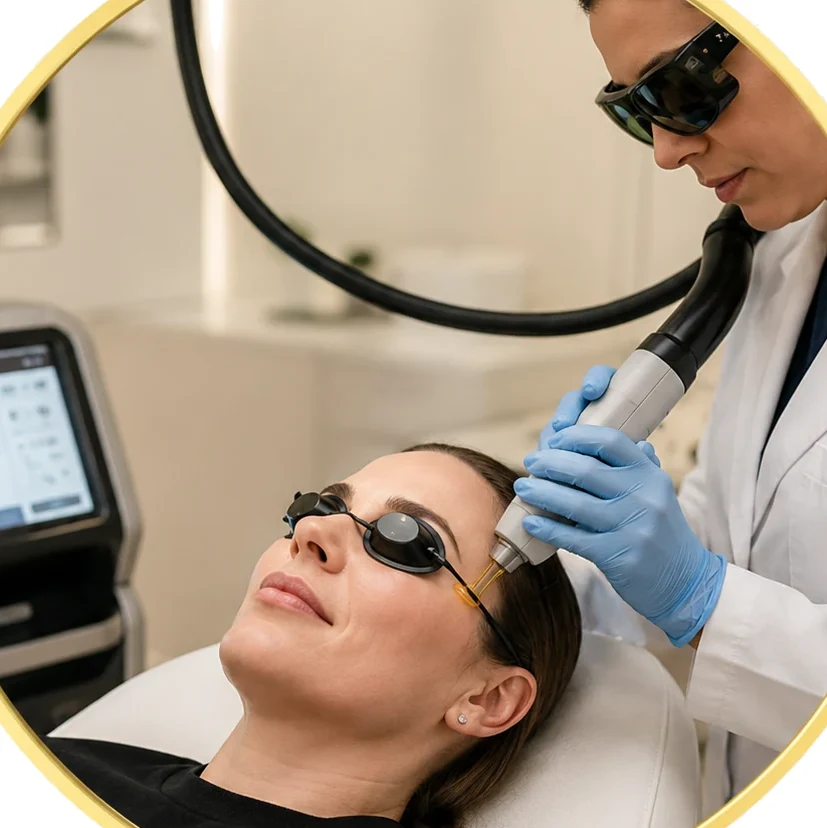
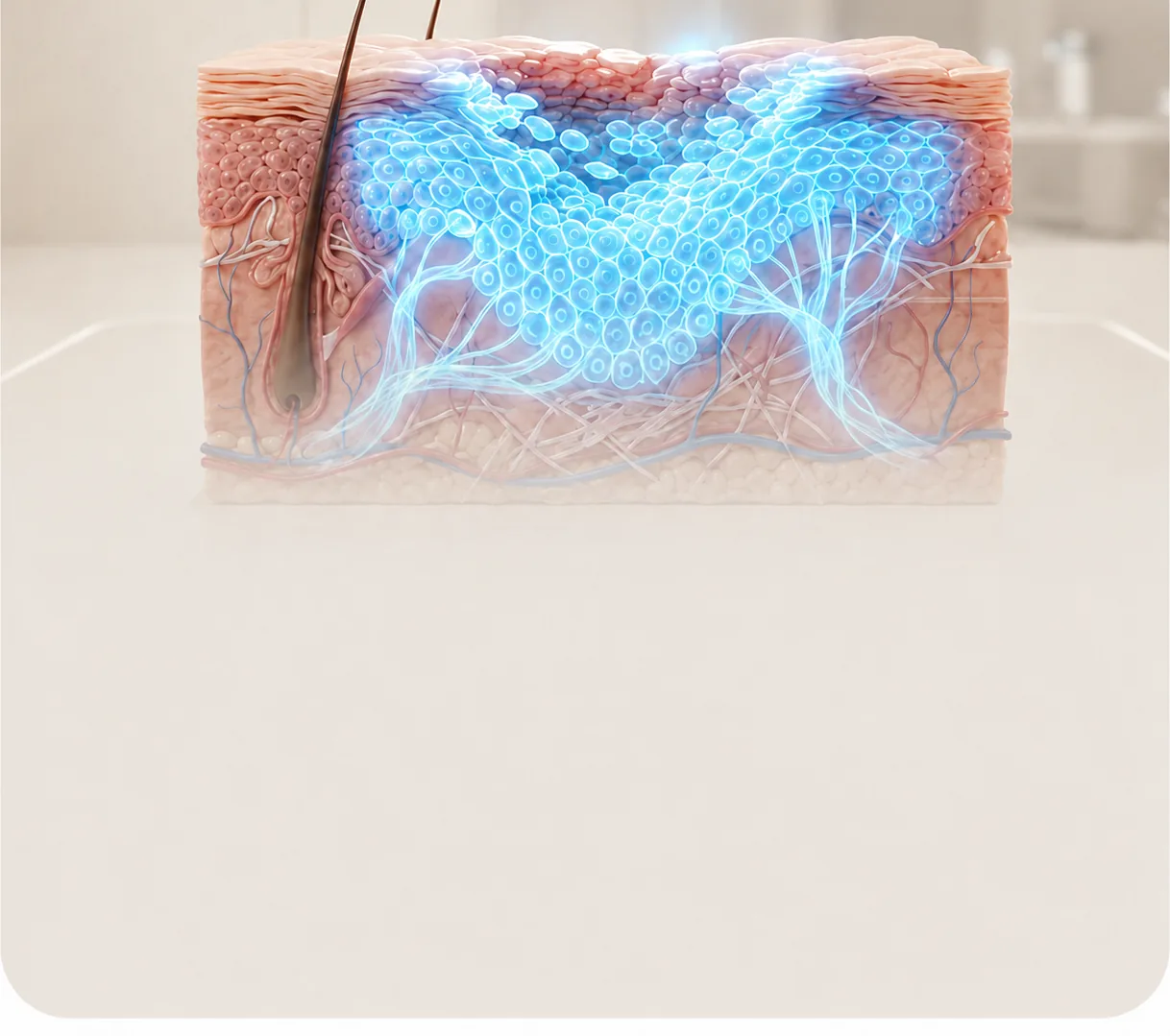
On the day of the procedure, you will be welcomed into our calm and modern treatment environment. Depending on the selected method, local anaesthesia may be administered to ensure minimal discomfort. Surgical excision typically involves cutting out the mole along with a margin of surrounding skin, while laser therapy uses focused light to effectively target the mole. Each method aims for precision and minimising impact on the surrounding skin.
Post-procedure, you may notice some swelling or redness in the area. These are usual responses and should subside within a few days, depending on the removal technique and individual healing responses.
Who This May Suit
Mole removal may suit anyone looking to enhance their appearance or address moles that have changed in colour, size, or shape. Those concerned about potential skin cancer may also find that removal is an essential step in managing their health. At NexGen Clinic, we cater to various skin types and conditions, ensuring our treatments are appropriate and effective.
Individuals with specific medical conditions or those taking certain medications may need additional considerations before proceeding. Therefore, a thorough pre-treatment assessment is vital to ensure safety and suitability. Speak with the clinic to discuss your individual circumstances.
Aftercare Considerations
Post-Procedure Care
After the mole removal procedure, proper aftercare is essential for optimal healing. We will provide detailed instructions tailored to the treatment undertaken. Generally, this includes keeping the area clean and dry, avoiding direct sun exposure, and refraining from picking at scabs.
Monitoring and Follow-Up
In addition to aftercare instructions, it is crucial to monitor the treatment area for signs of unusual reactions, such as increased pain, bleeding, or signs of infection. Following up with your practitioner for a review appointment may also be advised to ensure that the healing process is progressing as expected.
When to Book a Consultation
If you are considering mole removal, now is the perfect time to book a consultation with one of our experts. A personalised approach allows us to address your specific needs and ensure your treatment aligns with your aesthetic goals while maintaining safety and medical integrity.
At NexGen Clinic, we are committed to providing a high standard of care for all our patients. Our experienced team is here to guide you through the process, ensuring you feel informed and comfortable every step of the way. To discover more about our services and what we can offer, please speak to the clinic today.