Introduction
Skin lesions can vary widely in appearance and significance, ranging from harmless moles to growths that require medical attention. If you are in Cambridge and are considering skin lesion removal, it is important to understand your options, the processes involved, and what you can expect. At NexGen Clinic, we are dedicated to providing personalised care and effective solutions tailored to your needs.
For individuals seeking expert advice, nexGen Clinic offers thorough consultations for skin lesion assessments. Book a consultation today to learn how we can assist you.
What is Skin Lesion Removal?
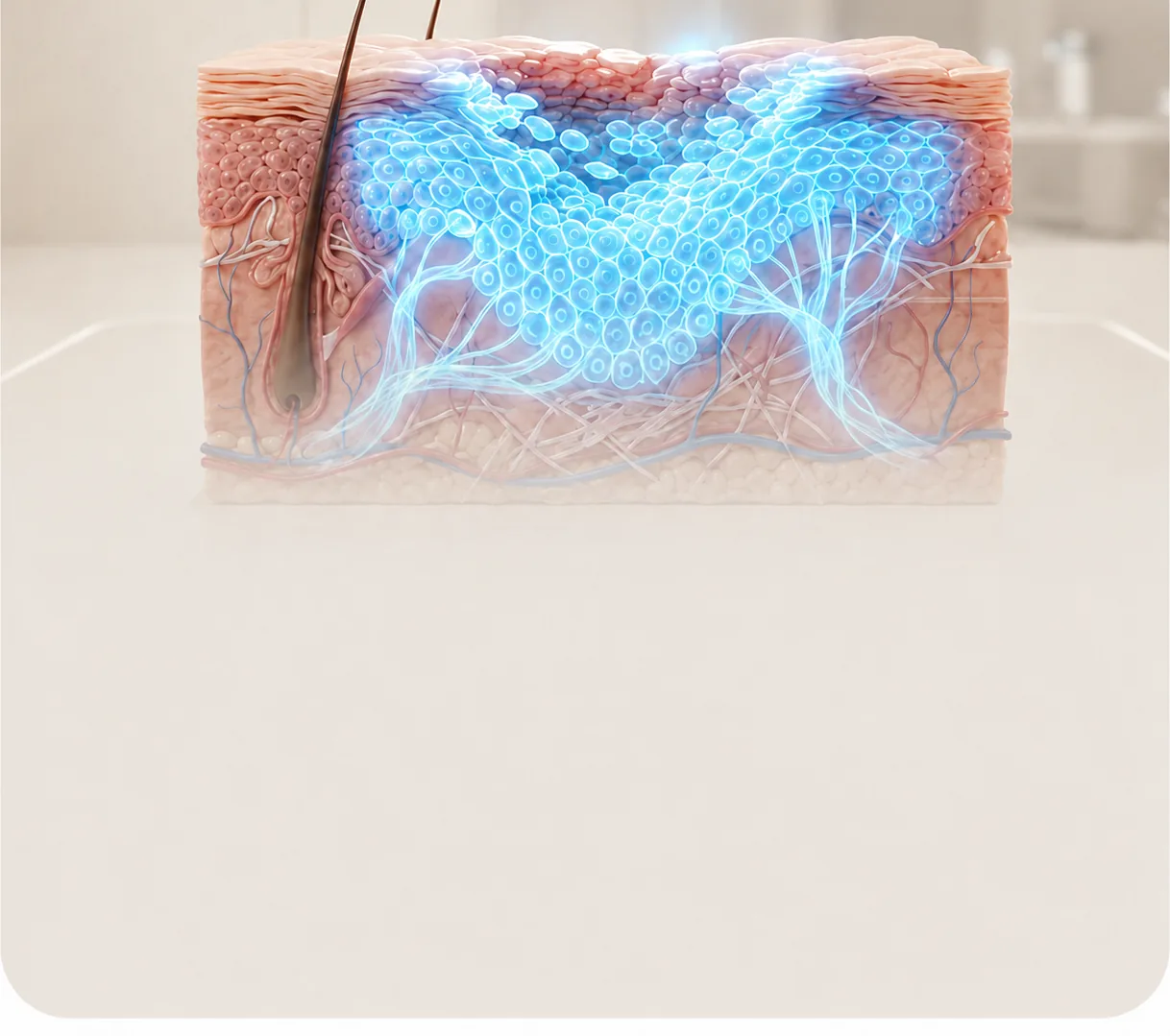
Skin lesion removal encompasses various techniques aimed at excising or treating abnormal growths on the skin. These techniques may include surgical excision, laser therapy, and cryotherapy, among others. The choice of method largely depends on the type of lesion, its size, and its location.
It is important to have any skin lesion evaluated by a qualified professional, especially if it changes in appearance, size, or colour. An expert will be able to determine whether the lesion is benign or may require further investigation.
What to Expect During the Procedure
The procedure for skin lesion removal is generally straightforward and can often be performed in an outpatient setting. Here’s a brief overview of what you can expect:
- Consultation: A thorough assessment will be conducted where you can discuss your medical history and concerns.
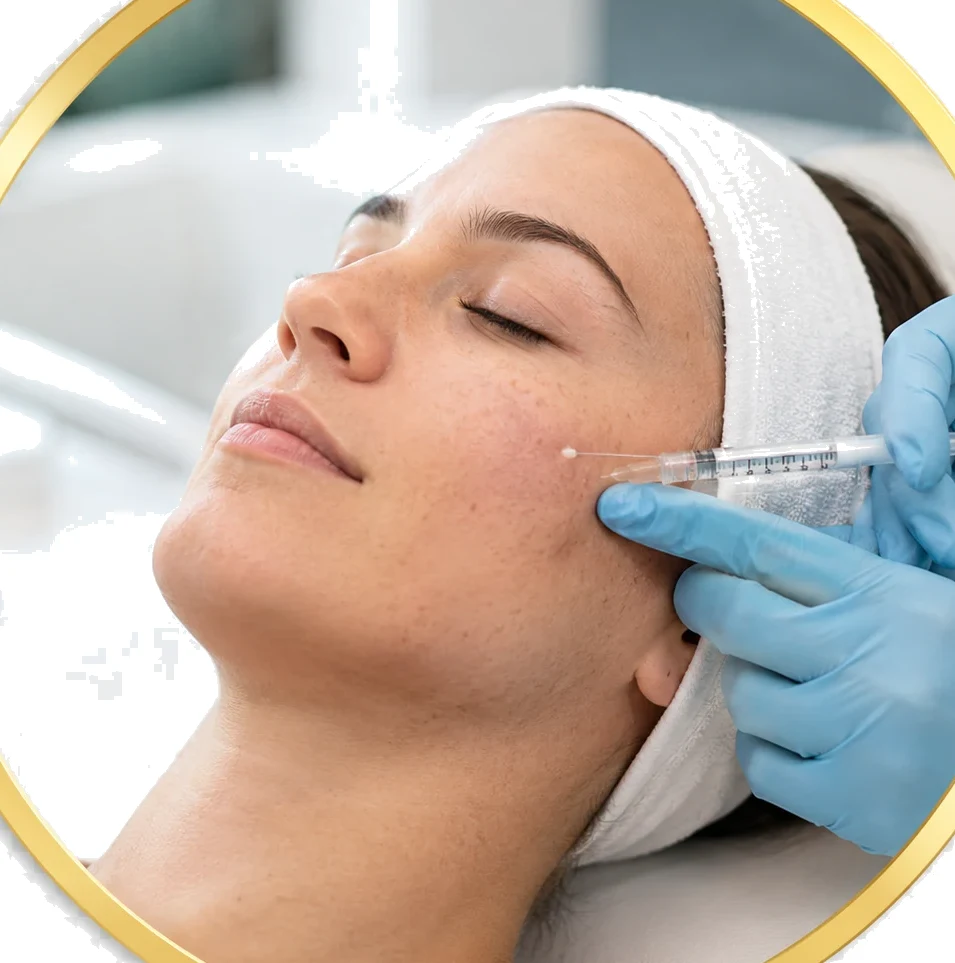
- Preparation: Depending on the method chosen, the area surrounding the lesion will be cleansed, and local anaesthetic will be administered.
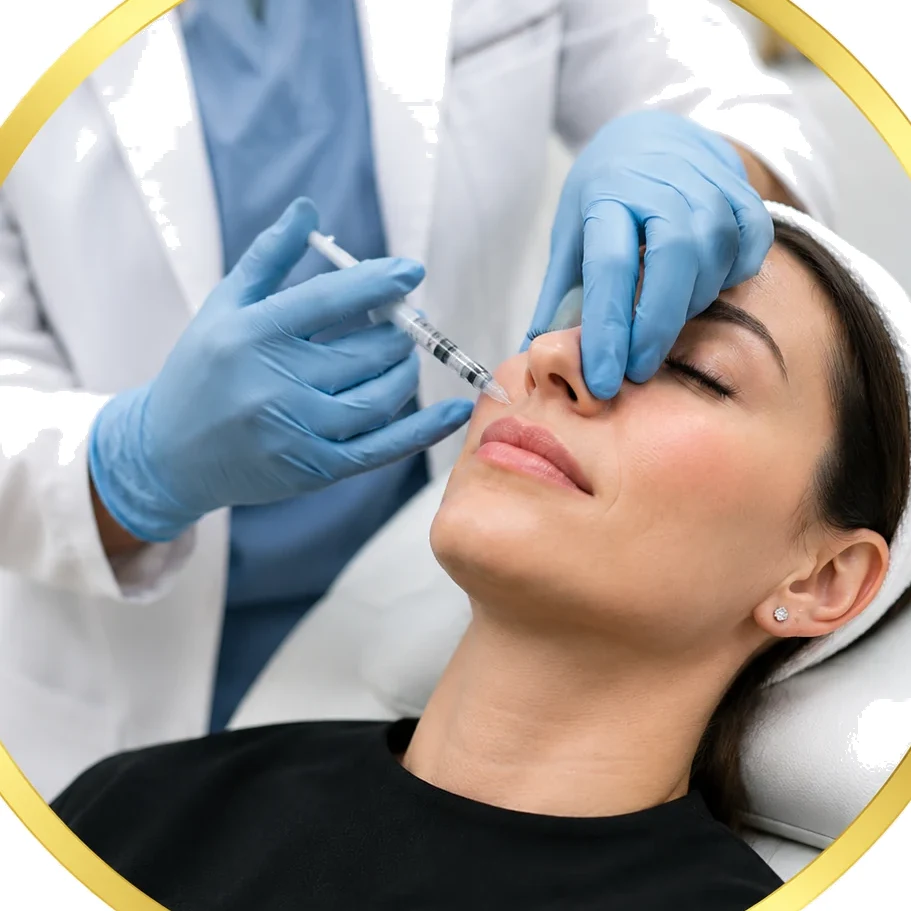
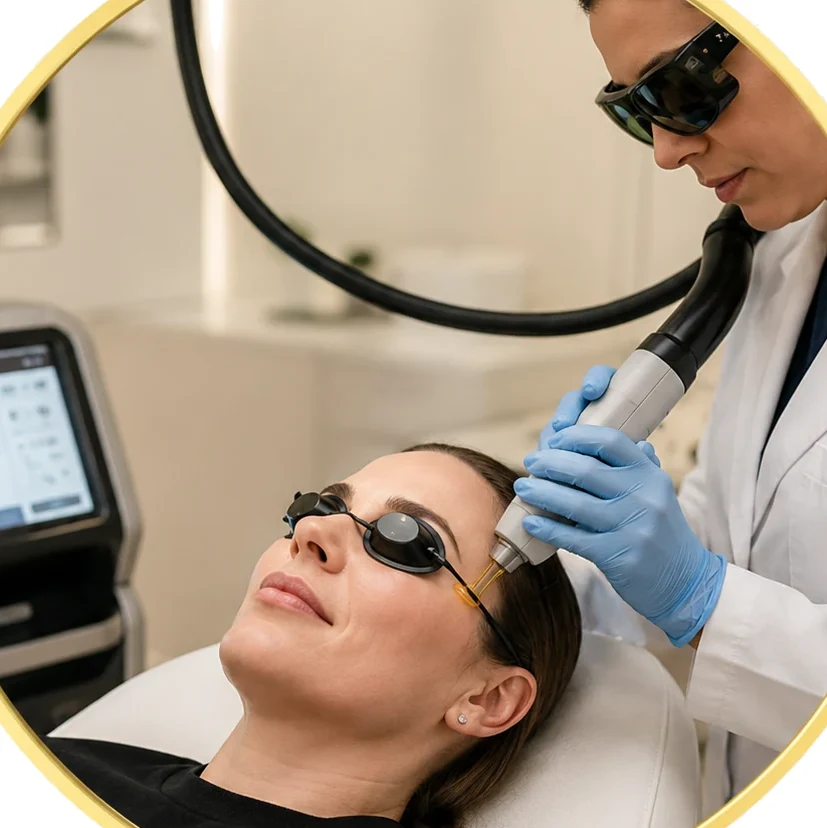
- Procedure: The technique may involve surgical incision, laser removal, or freezing the lesion off. Each approach has its pros and cons which will be discussed during your consultation.
- Post-Procedure Care: Instructions regarding aftercare will be provided to ensure proper healing.
Comparing Techniques for Skin Lesion Removal
| Technique | Description | Pros | Cons |
|---|---|---|---|
| Surgical Excision | Removing the lesion with a scalpel. | Effective for larger lesions, thorough examination of tissue. | Can leave a scar, may require stitches. |
| Laser Treatment | Using focused laser light to remove the lesion. | Minimally invasive, quick recovery. | Not suitable for all types of lesions. |
| Cryotherapy | Freezing the lesion to eliminate it. | Minimal discomfort, no scarring. | May require multiple sessions. |
Who This May Suit
Skin lesion removal may be suitable for a wide range of patients, particularly those who are experiencing:
- Changes in a mole or skin spot.
- Growths that are uncomfortable, painful, or bothersome.
- Concerns regarding skin cancer or other health implications.
Individuals with certain medical conditions may need to discuss their options with a healthcare provider. Ultimately, a consultation can help determine if you are an ideal candidate for this treatment.
What to Ask Before Treatment
Before proceeding with any skin lesion removal procedure, it is crucial to discuss your concerns and queries with your practitioner. Here are some questions you might consider asking:
- What type of removal method do you recommend for my situation and why?
- What are the potential risks and benefits associated with this treatment?
- What can I expect during recovery and aftercare?
- Are there any complications or signs I should watch for post-treatment?
Having a comprehensive understanding will prepare you for the journey ahead.
Aftercare Considerations
Aftercare is fundamental to ensuring optimal healing and minimising complications. Key considerations include:
- Keep the treated area clean and dry as advised by your practitioner.
- Avoid sun exposure or apply sunscreen to protect the area from UV damage.
- Monitor for signs of infection, such as increased redness, swelling, or discharge, and report any concerns to your clinic.
Following these guidelines can promote a smoother healing process and a better overall outcome.
When to Book a Consultation
If you have a skin lesion that concerns you or if you are simply looking to understand your options, it is wise to book a consultation with our experienced practitioners at NexGen Clinic. Early assessment is vital for ensuring the best care possible. Our team offers bespoke consultations that consider both your medical history and personal needs.
Once you have consulted our experts, you will be better equipped to make informed decisions regarding your skin health.
Conclusion
Skin lesion removal is a common procedure with various methods tailored to individual needs. Understanding what to expect can greatly ease any anxiety associated with the process. At NexGen Clinic in Cambridge, we pride ourselves on delivering premium aesthetic treatments in a calming environment. If you are ready to address your skin concerns, book a consultation to get started on your journey to healthier skin.