
Peptides in skincare support collagen signalling, calm specific enzyme or neurotransmitter pathways, or help carry trace minerals into the skin, depending on which type you're using. Topical results tend to be modest and highly dependent on formulation and delivery, while some oral peptide supplements show more consistent hydration and brightness benefits in clinical trials. The realistic expectation is gradual improvement in skin texture and tone rather than dramatic change.
TL;DR:
- Oral peptide supplements generally provide more consistent hydration and brightness benefits than topical formulations, though wrinkle reduction remains modest for both.
- The effectiveness of peptides heavily depends on formulation and delivery methods, with carriers like liposomes and clinical procedures like microneedling significantly improving skin penetration.
- Laboratory promises of peptides often lack validation from large-scale, long-term human trials, so product claims should be viewed as plausible rather than proven.
- Patch testing is recommended before introducing peptides into your routine, especially if your skin is sensitive or recently treated, and layering acids or vitamin C can reduce peptide stability.
- Over-the-counter peptides are best suited for maintaining early, mild skin changes, and longer-term use of eight to twelve weeks is necessary to assess visible improvements.
Table of Contents
- Peptide categories and how each works
- What the evidence shows for topical and oral peptides
- Why formulation and delivery decide whether peptides work
- Safety, interactions and what not to mix with peptides
- How to choose peptide products and read the claims
- NexGen Clinics' evidence-led approach to peptides
- Clinician perspective: when peptides are worth it
- Book a personalised skin assessment with NexGen Clinics
- FAQ
- Sources
Peptide categories and how each works
Not all peptides do the same job, and understanding the category tells you what to actually expect from a product. According to a recent review of peptides in skin senescence, skincare peptides fall into four main functional groups, each working through a different proposed mechanism.
Signal peptides are designed to prompt skin cells to behave as though repair is needed, often by encouraging collagen or elastin production. Carrier peptides, such as copper tripeptide (GHK-Cu), are built to transport trace minerals like copper into the skin, supporting processes linked to tissue maintenance. Neurotransmitter-inhibitor peptides work on a different principle entirely: they aim to reduce the muscle contractions that create expression lines, offering a milder, topical parallel to injectable treatments. Enzyme-inhibitor peptides target the enzymes responsible for breaking down existing collagen, with the goal of slowing that degradation rather than building new structure.
- Signal peptides: encourage collagen and elastin synthesis signals in skin cells.
- Carrier peptides: deliver trace minerals such as copper to support tissue processes.
- Neurotransmitter-inhibitor peptides: aim to soften the look of expression lines by limiting muscle signalling.
- Enzyme-inhibitor peptides: work to slow the enzymatic breakdown of existing collagen.
You'll usually find these listed by their INCI names on product labels, such as Copper Tripeptide-1 (GHK-Cu), Palmitoyl Pentapeptide-4, or Acetyl Hexapeptide-8. They appear across serums, moisturisers, eye creams and post-procedure recovery products. It's worth remembering that "peptide" is a broad umbrella term covering thousands of different sequences, and activity varies enormously by the specific peptide, its concentration, and how well the formulation protects and delivers it to the skin. A product calling itself a "peptide serum" tells you very little on its own; the sequence and the formulation around it tell you much more.
What the evidence shows for topical and oral peptides
Clinical evidence for peptides is encouraging in places and thin in others, and the two delivery routes, topical and oral, don't perform equally. A systematic review and meta-analysis of randomised controlled trials looking at both oral and topical peptides for skin ageing found that peptides, particularly oral formulations, improved hydration and brightness, with a modest pooled effect on wrinkle reduction. Effects on elasticity and skin density were inconsistent across the trials reviewed.
A pooled analysis of randomised trials found oral peptides produced more consistent hydration and brightness benefits than topical peptides. Wrinkle reduction effects were modest across both routes. This matters for anyone comparing a £40 serum with a collagen peptide supplement: the supplement route currently has somewhat steadier trial support for certain outcomes, even though topical products remain the more familiar option on the shelf.
Separately, a review of bioactive peptides in cosmetic formulations identified more than 100 commercially available cosmetic peptides and highlighted wide variability in the quality of in vitro and ex vivo evidence behind them. Many peptides have laboratory data showing biological activity in cell cultures or skin samples, but far fewer have been tested in well-designed human trials. That gap between laboratory promise and clinical proof is one of the main reasons results on your own skin may differ from what the marketing copy implies.
A further limitation runs through much of this research: sample sizes tend to be small, outcome measures vary from study to study, and few trials follow the same participants for long enough to confirm whether early improvements hold up. Larger, standardised trials would help settle which peptides, at which concentrations, in which formulations, produce reliable results. Until that evidence base matures, it's sensible to treat peptide claims as plausible rather than proven, and to judge individual products on their specific formulation rather than the ingredient name alone.
Why formulation and delivery decide whether peptides work
Even a well-chosen peptide can fail to do anything useful if it never reaches living skin cells. The outermost layer of skin, the stratum corneum, is built to keep things out, and peptides are often too large or too unstable to cross it easily on their own. This single barrier explains much of the gap between a peptide's laboratory activity and its real-world performance in a jar.
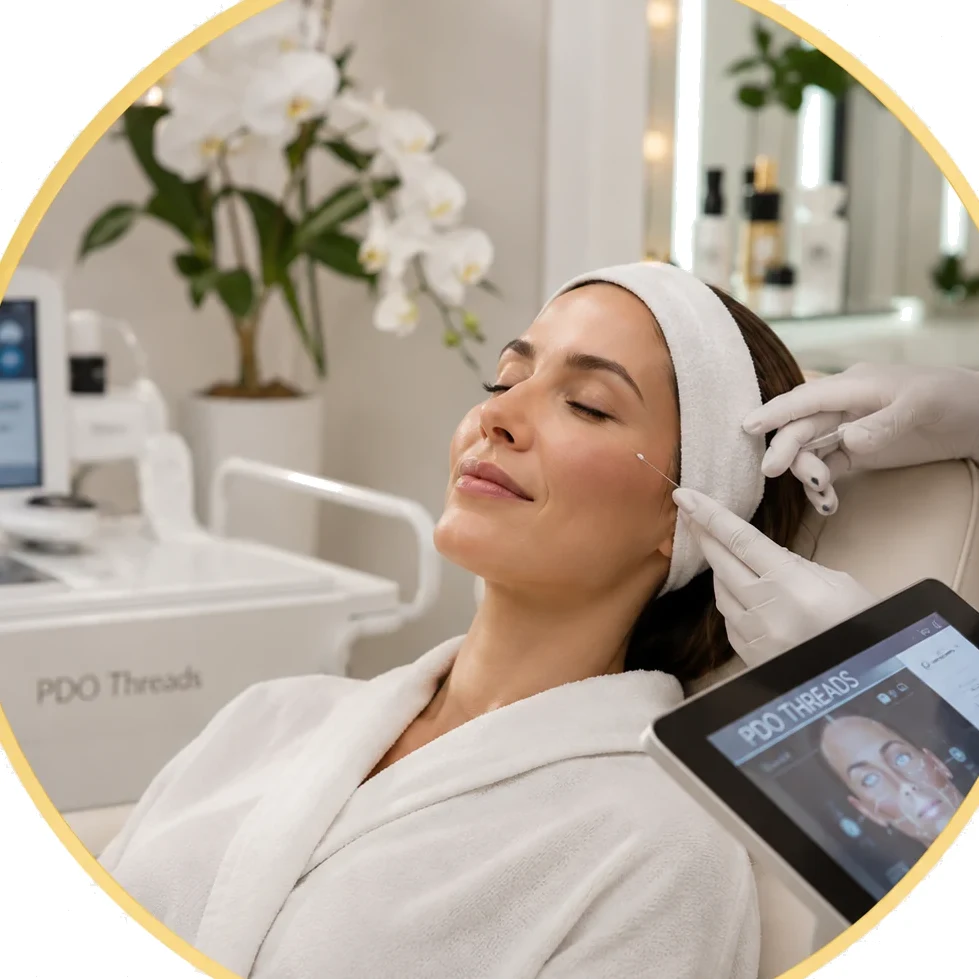
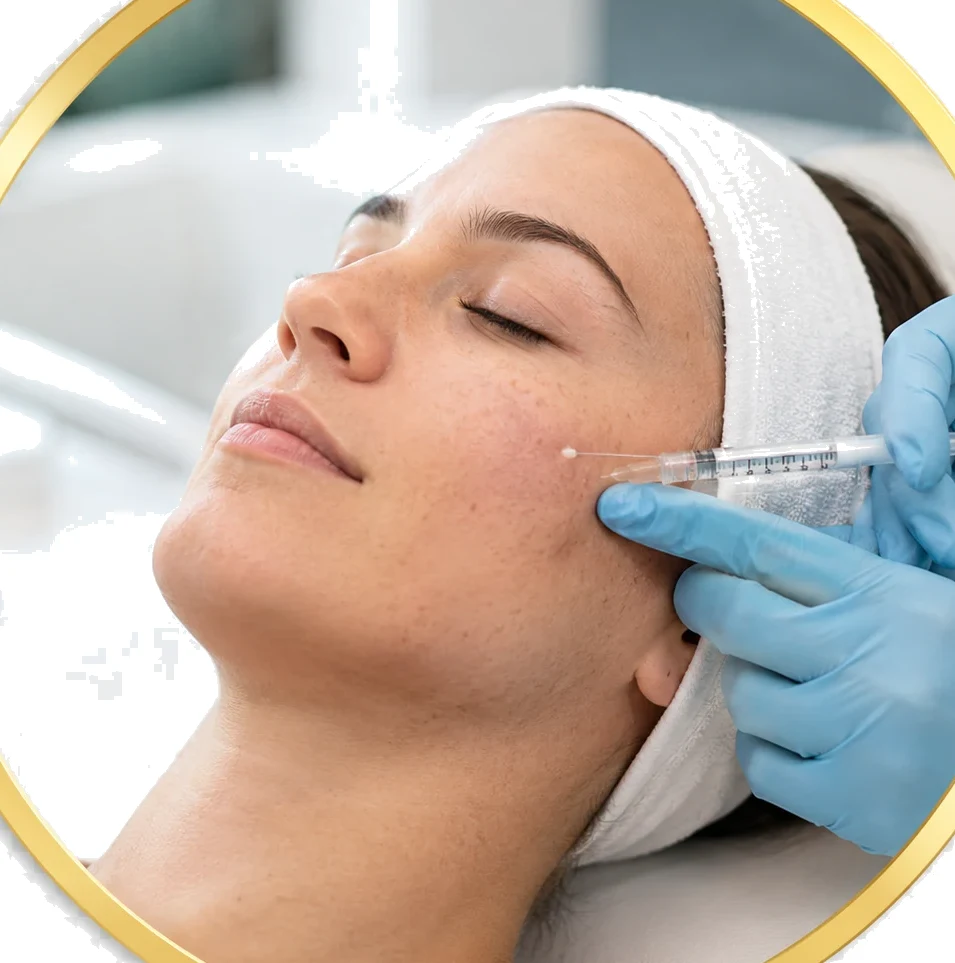
Formulators address this in a few ways. Nano-carrier systems such as liposomes, niosomes and ethosomes wrap peptides in a protective shell that can pass more readily through the skin barrier, improving the odds that the active ingredient survives to do its job. Penetration enhancers, chemical agents that temporarily loosen the barrier, are another route, though they carry their own irritation trade-offs on sensitive skin. In clinical settings, procedures like microneedling or iontophoresis create temporary micro-channels or use mild electrical currents to drive peptides deeper than a topical product could manage alone.
- Liposomes, niosomes and ethosomes: protective carriers that improve peptide penetration but add formulation cost and complexity.
- Chemical penetration enhancers: can increase absorption but may irritate reactive or compromised skin.
- Microneedling and iontophoresis: in-clinic methods that physically improve peptide delivery beyond what topical application alone achieves.
Pro Tip: Pairing a topical peptide serum with an in-clinic procedure that temporarily opens the skin barrier, such as microneedling, tends to improve how much of the active ingredient actually reaches your dermis.
Safety, interactions and what not to mix with peptides
Peptides are generally well tolerated, but that doesn't mean every combination or every skin type responds the same way. A short patch test on the inner arm or behind the ear, left for 24 to 48 hours, is a sensible precaution before applying any new peptide product to the face, and it becomes more important on compromised, broken or recently treated skin.
- Patch-test new products, especially if you have sensitive, reactive or post-procedure skin.
- Be cautious layering copper peptides with strong acids or high-concentration vitamin C, since pH mismatches can reduce the stability of either ingredient rather than cause harm outright; check product guidance for sequencing.
- Check for a Product Information File (PIF) and evidence of a qualified safety assessment before trusting a peptide product's claims.
- Watch for redness, stinging or breakouts in the first few uses and discontinue if irritation persists.
- Introduce one new active at a time so you can identify the cause if a reaction occurs.
On the regulatory side, cosmetic products sold in the UK, including peptide-containing ones, must undergo a formal safety assessment by a qualified assessor, supported by a Product Information File, before they can legally be placed on the market. This requirement exists specifically to confirm that a product is safe for normal use, which gives you a concrete way to judge legitimacy: a brand that can speak clearly about its safety assessment and substantiation is generally a more trustworthy source than one relying only on marketing language.
How to choose peptide products and read the claims
With so many "peptide complex" products on shelves, a short checklist does more good than brand reputation alone. Start with the ingredients list: where does the named peptide sit in the INCI order, and is the brand transparent about concentration or supporting data, rather than hiding behind the word "complex"?
- Check INCI placement: a peptide buried near the end of a long ingredients list is present at a lower concentration.
- Look for a stated delivery system, since an unprotected peptide may not survive contact with air, light or the skin barrier.
- Ask for substantiation: independent or peer-reviewed evidence carries more weight than in-house testing alone.
- Be wary of vague claims, dramatic before-and-after imagery, or an absence of any safety or assessment information.
If you've tried well-formulated topical peptides for several months with limited change, or you're dealing with more pronounced lines, loss of skin quality, or scarring, that's generally the point to book a professional skin assessment rather than keep cycling through over-the-counter products.
NexGen Clinics' evidence-led approach to peptides
Our approach at NexGen Clinics starts with AI-driven skin analysis, which we use to map individual concerns before recommending whether a topical peptide strategy, a skin booster, microneedling or a polynucleotide programme is the better fit. We built our regenerative programmes, including NexGen Age Reset™ and Facial Balance™, around this diagnostic step, because peptide and regenerative ingredients behave differently depending on skin type, barrier condition and the specific concern being treated. We emphasise tailored, doctor-led protocols rather than one-size-fits-all formulations. Where a topical peptide alone is unlikely to reach a concern effectively, we combine it with procedures designed to improve delivery and outcome.
Clinician perspective: when peptides are worth it
In our view, over-the-counter peptides earn their place as a maintenance step for early, mild changes, not as a fix for established lines or lost skin quality. Give a topical product eight to twelve weeks before judging it, and if results plateau, a personalised in-clinic assessment will tell you far more than another serum will.
— Ms Sandra Petraskaite
Book a personalised skin assessment with NexGen Clinics
If you've read this far wondering whether your current peptide serum is doing enough, a personalised assessment answers that question more precisely than any label can. We combine skin analysis with regenerative treatments to match you to options such as skin boosters, microneedling, or polynucleotide programmes designed to support skin quality from within.
- Skin boosters and microneedling address hydration and texture concerns that topical peptides alone often can't fully resolve.
- Polynucleotide treatments, from £180 per session, support skin regeneration with a different mechanism to topical actives.
- Profhilo, from £250 per session, is a further option for improving skin quality and hydration.
Browse our full range of treatments or book a consultation to find the plan that suits your skin.
This article is general information, not a substitute for advice from a qualified doctor. Consult a qualified healthcare professional about your own circumstances before acting on anything here.
FAQ
What do peptides do in skincare?
Peptides act as messengers or building blocks that support skin processes such as collagen signalling, mineral transport, or reduced muscle contraction, depending on the peptide type. Topical results are typically gradual and formulation-dependent, while some oral peptide trials show more consistent hydration and brightness benefits.
Are peptides legal in UK skincare products?
Yes, peptides are a widely used and legal cosmetic ingredient class, provided the finished product complies with the Cosmetic Products Regulation, including a qualified safety assessment and Product Information File. This applies to the product as a whole rather than to peptides specifically.
What should you not mix with peptides?
Copper peptides are generally best not layered directly with strong acids or high-concentration vitamin C in the same routine, since pH differences can reduce the stability of one or both ingredients rather than cause direct harm. Patch-testing any new combination, particularly on sensitive or recently treated skin, remains the safest approach.
Which peptide is best for skin concerns like wrinkles?
There's no single best peptide for every concern: signal peptides are more often chosen for fine lines and collagen support, while neurotransmitter-inhibitor peptides target expression lines specifically. A review of bioactive peptides found wide variability in evidence quality across commercially available peptides, so the formulation and supporting data matter as much as the peptide name itself.
How long does it take to see results from peptide skincare?
Most topical peptide products need consistent use for eight to twelve weeks before any visible change in hydration or texture becomes apparent. Trials included in a recent meta-analysis generally measured outcomes over similar timeframes, with oral formulations showing more consistent results across that period.
Sources
- Peptides: Emerging Candidates for the Prevention and Treatment of Skin Senescence: A Review
- Oral and topical peptides for skin aging: systematic review and meta-analysis of randomized controlled trials
- Bioactive peptides in cosmetic formulations: Review of current in vitro and ex vivo evidence
- Regulation (EC) No 1223/2009 on cosmetic products (as in force)
Ready to explore your options?
Speak with a NexGen clinician for a personalised consultation. We’ll listen, assess, and recommend the safest and most effective route — always led by evidence, always tailored to you.
Book a consultation or get in touch with our Cambridge team.