
Sculptra works by stimulating your skin's own collagen production, restoring facial volume gradually rather than filling it instantly. It suits people with diffuse volume loss across the cheeks, temples or jawline who want natural-looking, longer-lasting improvement. The trade-off is pace: results take months to appear and the effect cannot be reversed in the way hyaluronic acid filler can.
TL;DR:
- Sculptra's costs depend on the number of vials and sessions needed, often requiring two to three treatments spaced four to six weeks apart.
- Results typically appear after 6 to 12 weeks and can last up to two years, with a gradual improvement as collagen builds over time.
- Proper injection technique and experienced practitioners are essential to minimize risks like firm nodules or lumps that cannot be dissolved like hyaluronic acid fillers.
- It suits individuals with diffuse volume loss across broad facial areas but is generally avoided around the eyes and lips due to higher risk of visible nodules.
- A thorough consultation should include AI-driven skin analysis, personalized treatment plans, and clear cost estimates before proceeding.
Table of Contents
- What Sculptra is and how it works
- Who is suitable and who should avoid Sculptra
- What the treatment involves, from consultation to aftercare
- Results timeline and typical longevity
- Risks, side effects and how the UK regulates safety
- How Sculptra compares with HA fillers, Radiesse, Ellansé and polynucleotides
- Costs and how clinics typically price a course
- How a medically led, technology-assisted clinic approaches Sculptra
- A clinician's view on choosing Sculptra
- Book a Sculptra consultation with NexGen Clinics
- FAQ
- Sources
What Sculptra is and how it works
Sculptra is a poly-L-lactic acid (PLLA) injectable, manufactured by Galderma and approved for use in the UK. PLLA differs fundamentally from hyaluronic acid (HA) fillers and calcium hydroxyapatite (CaHA) products like Radiesse: rather than physically occupying space under the skin, it triggers your body's own fibroblasts to produce new collagen over time.
When Sculptra is injected, you will notice some immediate plumpness. This is largely the carrier fluid, not the treatment working yet, and it settles within days. The genuine collagen-building process begins gradually, which is why clinicians describe Sculptra's results as progressive rather than instant. This distinction matters when you are setting expectations with your practitioner, because judging Sculptra too early can lead to disappointment or unnecessary extra treatment.
Who is suitable and who should avoid Sculptra
Sculptra tends to suit people with broad, diffuse volume loss rather than sharply defined hollows. Good candidates include those wanting improvement across the cheeks, temples, jawline or the back of the hands.
Some areas are typically avoided, including the fine skin under the eyes and the lips, where the risk of visible nodules is higher.
- People with active skin infections, autoimmune conditions or keloid scarring are usually advised against treatment.
- Pregnant or breastfeeding women are not treated.
- In England, administering cosmetic fillers to anyone under 18 is a criminal offence under the Botulinum Toxin and Cosmetic Fillers (Children) Act 2021.
Always confirm your practitioner's qualifications before booking, using the NHS guidance on choosing a provider as your checklist.
What the treatment involves, from consultation to aftercare
A thorough consultation comes first. Your practitioner should assess your facial volume loss, discuss your goals, review your medical history and explain realistic timelines before any injection takes place.
- Consultation and planning: your practitioner maps the areas to treat and estimates how many vials and sessions you will need.
- Dilution and preparation: Sculptra is reconstituted with sterile water, usually days before treatment, to reduce clumping risk.
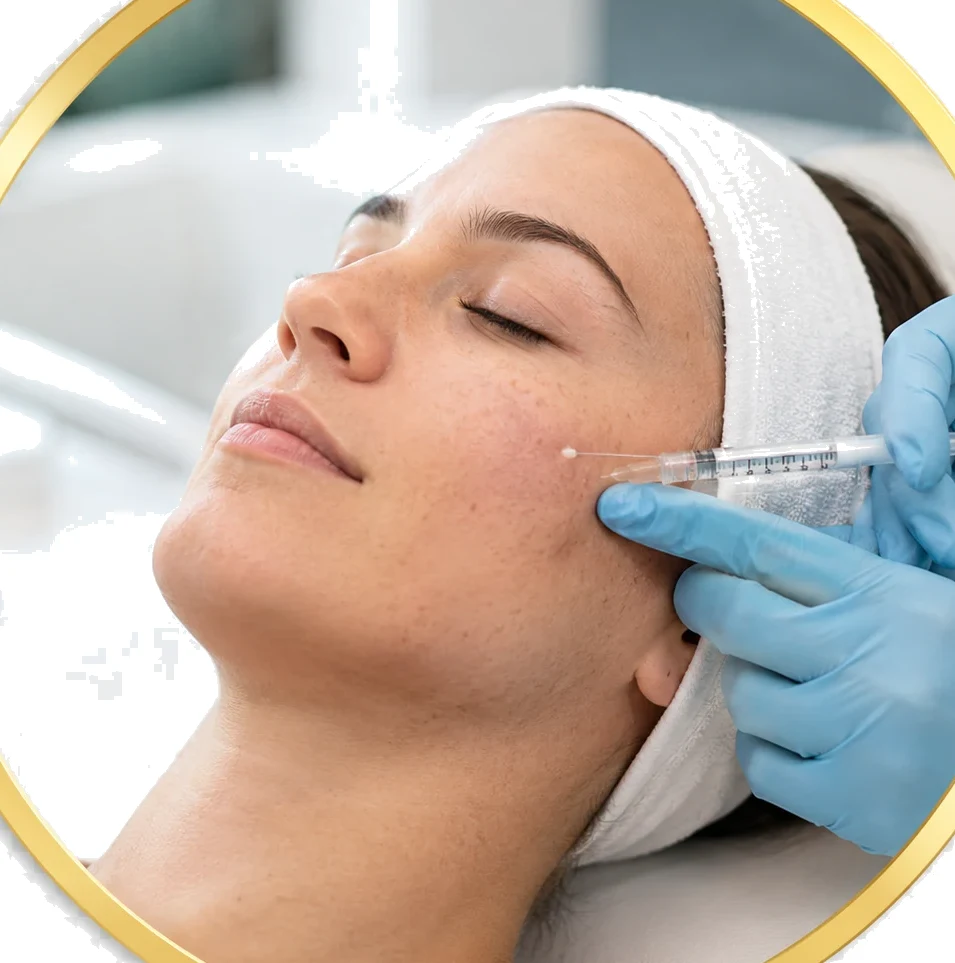
- Injection: the product is placed at an appropriate depth, often using a fanning or cross-hatching technique to distribute it evenly and reduce the chance of nodules.
- Immediate aftercare: you will be asked to massage the treated area for five minutes, five times a day, for five days, known as the "rule of fives".
- Follow-up sessions: most courses involve two to three sessions spaced four to six weeks apart.
Mild swelling and bruising are common for a few days after each session. Contact your clinic promptly if you notice firm lumps, unusual pain or skin discolouration that does not settle, as these can signal a complication requiring review.
Results timeline and typical longevity
Visible improvement from Sculptra usually begins around 6 to 12 weeks after the first session, as clinical literature on PLLA describes a gradual collagen response rather than an instant one. Results continue to build with each subsequent session as more collagen forms.
Once the full course is complete, many patients see effects lasting up to around two years, according to the same clinical reviews. Durability varies with your skin's own collagen turnover, the areas treated and how many vials were used. Because the effect fades gradually rather than disappearing abruptly, many clinics suggest a single top-up session a year or two after the initial course, rather than a fixed maintenance schedule.
Risks, side effects and how the UK regulates safety
Most side effects from Sculptra are mild and temporary.
- Swelling and bruising at injection sites, usually settling within a week.
- Tenderness or firmness that can persist for several weeks as collagen forms.
- Small bumps under the skin that often resolve with massage.
Less common but more serious risks include persistent nodules, infection and, rarely, vascular compromise if product is injected into or near a blood vessel. Correct injection depth, proper dilution and an experienced injector reduce the chance of nodules, a point clinicians consistently raise when discussing biostimulators. Seek review promptly if you notice a lump that grows, feels hard, or is accompanied by pain, skin colour change or skin breakdown, since unsatisfactory outcomes with PLLA cannot be dissolved the way HA filler can and may take months to settle.
The NHS advises checking a practitioner's training and experience before any injectable procedure, and avoiding anyone who has only completed a short introductory course. England's regulatory picture is also shifting: the government's consultation response on licensing sets out plans for tiered licensing of cosmetic procedures, with higher-risk treatments expected to fall under CQC oversight.
How Sculptra compares with HA fillers, Radiesse, Ellansé and polynucleotides
Each injectable category works differently, and the right choice depends on what you are trying to achieve. HA fillers give immediate, reversible volume and suit precise contouring, such as lips or under-eye hollows, but they do not stimulate meaningful collagen production and typically last 6 to 18 months. Radiesse, a calcium hydroxylapatite filler, combines some immediate lift with a mild collagen-stimulating effect, making it useful for jawline and hand rejuvenation.
Ellansé, built on polycaprolactone, offers a longer biostimulatory effect than HA but shorter than Sculptra in many cases, with gradual degradation over roughly one to four years depending on the formulation chosen. Polynucleotides (PDRN or PN) work differently again, focusing on skin quality, hydration and tissue repair rather than volume, which makes them a common pairing for the under-eye area where Sculptra is avoided.
Sculptra stands apart for broad, diffuse volume restoration with no immediate reversibility, so many practitioners stage it alongside other products: Sculptra for overall structure, polynucleotides or Profhilo for skin quality, and targeted HA filler for precise definition.
Costs and how clinics typically price a course
UK pricing for Sculptra varies by clinic location and practitioner experience, with per-vial costs and full-course totals both quoted differently across providers, so it is worth asking for a written, itemised quote before committing.
- Confirm how many vials your treatment plan is likely to need, since this drives the total cost more than the per-vial price alone.
- Ask whether follow-up sessions, massage guidance and review appointments are included in the quoted price.
- Check whether the clinic's pricing covers the full recommended course or only a single session.
Budgeting for the complete course, rather than comparing isolated session prices, gives a far more accurate picture of what the treatment will actually cost.
How a medically led, technology-assisted clinic approaches Sculptra
We build our Sculptra consultations around AI-driven skin analysis, which feeds into personalised treatment plans and programmes tailored to individual needs.
A thorough consultation should leave you with a clear written plan, including estimated vials, session spacing and aftercare guidance. Always verify your practitioner's credentials and ask where the product is sourced, confirming it carries proper manufacturer and regulatory approval.
A clinician's view on choosing Sculptra
Sculptra rewards patience: it suits people who value gradual, natural-looking change over instant results and are comfortable with a treatment that cannot be undone quickly if they change their mind. My practical tip is to plan your course around any upcoming events with a buffer of several months, not weeks, and to discuss a contingency plan with your injector before you start. A personalised consultation remains the only reliable way to know if it is right for your face.
— Ms Sandra Petraskaite
Book a Sculptra consultation with NexGen Clinics
We offer medically led injectable programmes, including Sculptra, built around personalised, AI-informed skin assessments rather than a one-size-fits-all treatment plan.
A consultation includes a detailed skin analysis, a tailored treatment proposal covering the areas and sessions likely needed, and a clear pricing estimate before you commit to anything.
| What you get | Detail |
|---|---|
| Assessment | AI-driven skin analysis and facial mapping |
| Planning | Personalised treatment proposal with session estimate |
| Pricing | Written quote before treatment begins |
Pro Tip: Bring photos of your face from five or ten years ago to your consultation, as they help your practitioner map exactly where volume has changed.
If you are weighing Sculptra against other options, our team can also talk you through Polynucleotides for skin quality or Profhilo as an alternative where volumising isn't the goal. For a full look at what we offer, visit our treatments page and book a consultation to get a personalised plan and pricing estimate.
This article is general information, not a substitute for advice from a qualified doctor. Consult a qualified healthcare professional about your own circumstances before acting on anything here.
FAQ
What does Sculptra do for your face?
Sculptra stimulates your own collagen production, gradually restoring volume in areas like the cheeks, temples and jawline rather than filling them instantly. Improvements build progressively over several months as clinical literature on PLLA describes, with effects that can last up to around two years.
How much does Sculptra cost for the face?
Pricing varies by clinic, location and how many vials your treatment plan requires, so it is best to request a written, itemised quote covering your full recommended course. We provide a pricing estimate as part of our consultation process.
What is the downside of Sculptra?
The main downside is pace: results take weeks to appear and months to fully develop, unlike the immediate effect of HA filler. It also cannot be dissolved if you are unhappy with the outcome, so choosing an experienced injector matters more than with reversible fillers.
Why do some doctors not like Sculptra?
Some practitioners are cautious about Sculptra because its results depend heavily on correct dilution, injection depth and technique, and poor technique raises the risk of firm nodules. Its non-reversibility also means mistakes take longer to resolve than with HA fillers.
Sources
- Gov
- Choosing who will do your procedure - NHS
- PubMed Central review article (clinical review on biostimulators)
Ready to explore your options?
Speak with a NexGen clinician for a personalised consultation. We’ll listen, assess, and recommend the safest and most effective route — always led by evidence, always tailored to you.
Book a consultation or get in touch with our Cambridge team.