
TL;DR:
- Subtle lip filler results are achievable with conservative hyaluronic acid injections by a qualified practitioner. Such treatments focus on natural hydration and definition, lasting roughly 6 to 12 months and reversible with hyaluronidase. A staged approach and careful selection of experienced clinicians ensure safe, proportionate, and natural-looking outcomes.
Yes, subtle lip filler is achievable — and for most first-time patients, it is the most sensible place to start. When a hyaluronic acid (HA) product, conservative dosing and an anatomy-led technique are combined by a medically registered practitioner, the result is softer, more hydrated lips that still look entirely like you.
Three facts worth holding onto before you read further:
- Volume matters more than brand. First-time subtle treatments typically use a small volume per session to achieve gentle definition and improved hydration rather than obvious fullness.
- Results are temporary and reversible. HA fillers last roughly 6–12 months and can be dissolved with hyaluronidase if needed — confirm your clinic keeps this on site.
- Practitioner credentials are non-negotiable. Look for GMC, GDC or NMC registration, before-and-after photos taken with patient consent, a written complication protocol, and alignment with JCCP guidance on consent and aftercare.
Ask for a staged plan in writing at your first consultation. A conservative first appointment followed by a two-week review is far safer than a single large volume.
Table of Contents
- What does 'subtle' actually look like with lip filler?
- Which filler types and UK brands are used for subtle results?
- How subtle lip filler is performed: techniques that keep results natural
- Typical volumes, UK costs and how long results last
- Who is a good candidate, and what are the alternatives?
- Risks, warning signs and how UK clinics manage complications
- How to choose a UK practitioner: what to check and what to ask
- Before-and-after photos and what to expect during recovery
- How a medically led clinic achieves subtle results: the Nexgen Clinic approach
- Key takeaways
- The case for conservative treatment
- Subtle lip enhancement at Nexgen Clinic, Cambridge
- Useful sources
- FAQ
What does 'subtle' actually look like with lip filler?
'Subtle' is not a vague aspiration — it has observable, clinical markers. A well-executed, natural lip enhancement preserves full lip movement, softens fine vertical lines around the mouth, improves the vermilion border's hydration and gently defines the Cupid's bow without pushing the lip forward into an unnatural projection.
What you should not see is a hard or overprojected lip edge, excessive central tubercle volume (the classic 'sausage' effect), or lips that look stiff when smiling or speaking. Natural pliability during expression is one of the clearest signs that placement and product choice were appropriate.
When reviewing before-and-after photos, look for consistent lighting and camera angle across both images, a neutral expression alongside a smiling shot, and ideally a settled result photographed at two weeks rather than immediately post-procedure. Immediate post-treatment photos always show more volume than the final outcome because swelling is present. A clinic that shows only day-one results is not giving you an accurate picture.
At consultation, a thorough practitioner will take baseline photographs, measure lip proportions relative to the rest of your face, and propose a staged plan. That process is not bureaucracy — it is what separates a predictable, proportionate outcome from an unpredictable one.
Which filler types and UK brands are used for subtle results?
Hyaluronic acid is the standard material for lip enhancement in the UK. It is a naturally occurring substance found in skin tissue, which is why it integrates well and feels soft. Crucially, it is reversible: hyaluronidase dissolves HA filler if a complication arises or if you simply want to return to baseline.
Three HA brands appear most frequently in UK clinical practice for lip work:
- Juvéderm (Allergan/AbbVie) — a range of HA gels with varying viscosity. Products within the Juvéderm family are commonly used for lip volume and border definition, and the range includes formulations designed specifically for lip tissue.
- Restylane (Galderma) — another well-established HA range. Certain Restylane products are noted for their ability to integrate into lip tissue with a natural feel, making them a frequent choice for soft augmentation.
- Belotero (Merz) — known for its cohesive, low-viscosity formulations. Belotero products are often selected for superficial placement and fine-line work around the vermilion border, where a very soft result is the goal.
Product choice matters less than injector skill and anatomical understanding. Different HA formulations vary in their elasticity and cohesivity — a practitioner selects the grade suited to your lip tissue and the specific outcome you want. What you should ask at consultation is not "which brand will you use?" but "why have you chosen that formulation for my anatomy?" That question tells you far more about clinical reasoning.
All three brands are reversible with hyaluronidase. Confirm that your clinic stocks it and has a documented protocol for its use before you book.
How subtle lip filler is performed: techniques that keep results natural
Conservative dosing, precise anatomical mapping and careful micro-placement are what produce a soft, natural result. The procedure itself follows a clear sequence, and understanding each step helps you know what to expect and what to ask.
Consultation and consent. Your practitioner reviews your medical history, discusses your goals, explains the risks and obtains written consent. This is not a formality — it is the point at which a good clinician will tell you honestly whether your expectations are achievable in one session.
Photography and anatomical mapping. Baseline photographs are taken from straight-on and 45° profile angles, with a neutral expression and a smiling shot. The practitioner maps the five central lip tubercles (three on the upper lip, two on the lower) and notes any existing asymmetry.
Topical anaesthesia. A numbing cream is applied for 20–30 minutes. Most HA fillers also contain lidocaine, which reduces discomfort during injection.
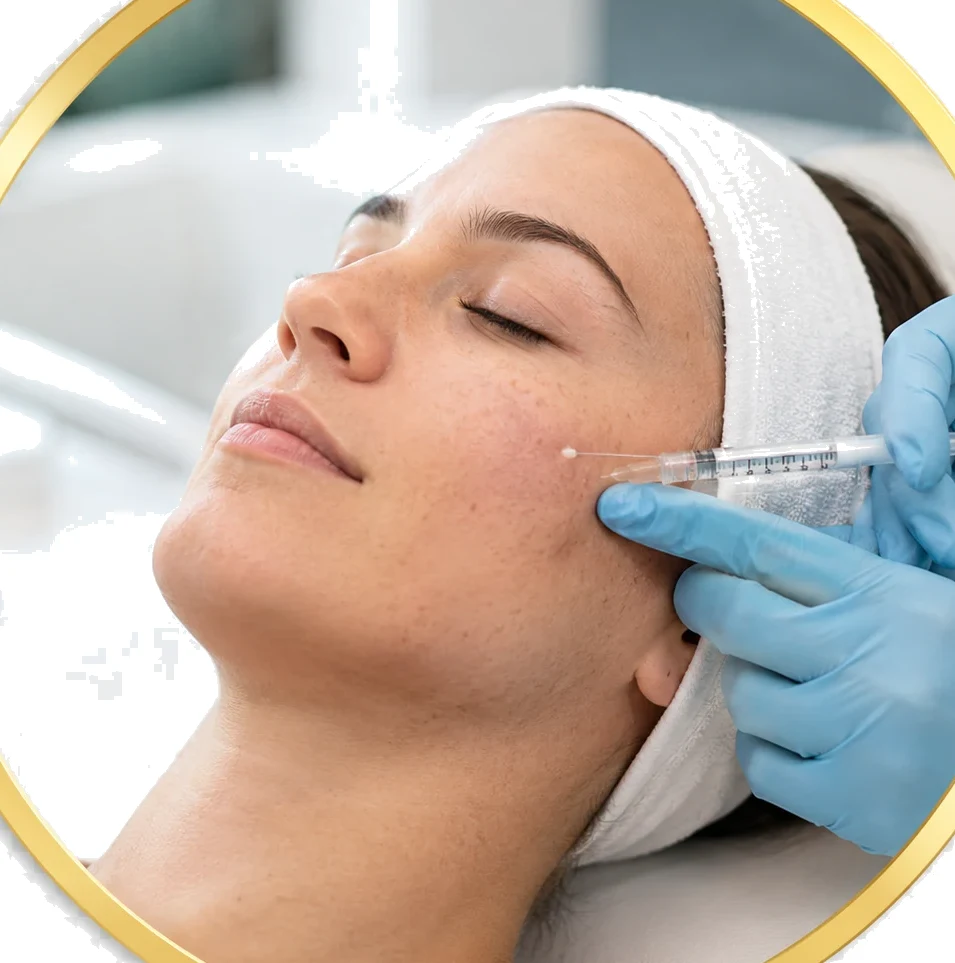
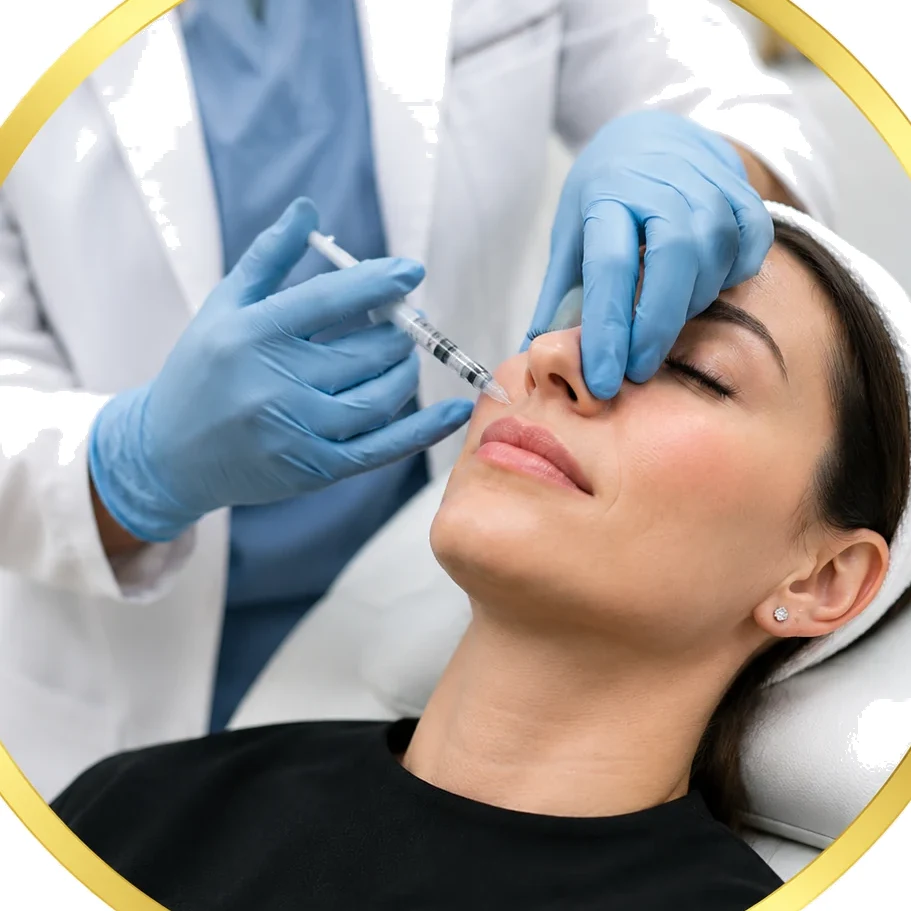
Injection technique. For subtle results, practitioners typically use microbolus deposits placed precisely into the tubercles rather than linear threading along the border. Superficial placement preserves movement; deeper placement risks stiffness. A cannula (a blunt-tipped flexible instrument) is often preferred for border work because it reduces bruising compared with a sharp needle.
Immediate moulding. Gentle massage immediately after injection helps the product integrate evenly and reduces the risk of palpable lumps.
Aftercare instructions. Written aftercare is provided before you leave. Expect guidance on avoiding heat, strenuous exercise and alcohol for 24–48 hours, and clear instructions on what to do if you notice warning signs.
Layering volume across staged sessions rather than depositing a large amount in one visit is the single most reliable way to avoid overfilling. A practitioner who recommends starting with a smaller volume and reassessing at two weeks is following best practice, not being cautious to the point of ineffectiveness.
Typical volumes, UK costs and how long results last
Volume
For a first subtle treatment, most practitioners work within a range of 0.3–0.6 ml. At 0.5 ml, the typical result is slightly fuller, better-defined lips with improved hydration — noticeable to you in the mirror, but not immediately obvious to others. Volumes of around 1 ml produce a more visible enhancement; 1.5 ml or above, usually delivered across staged sessions, creates a more pronounced change.
| Result type | Typical volume | How it looks | Who it suits |
|---|---|---|---|
| Very subtle | 0.3–0.5 ml | Softer definition, improved hydration | First-time patients |
| Gentle enhancement | 0.5–1 ml | Slightly fuller, clearer border | Most common UK choice |
| More noticeable | 1 ml+ (staged) | Clear volume increase, proportionate | Experienced patients with a staged plan |
Longevity
HA lip fillers typically last several months for subtle effects. Longevity varies with product choice, individual metabolism, placement depth and activity of the lip area. Lips move constantly during speech and eating, which means they metabolise filler faster than less mobile areas of the face.
Cost
Conservative, bespoke lip treatments in the UK vary by clinic, location and practitioner experience. Always ask for a full price breakdown that includes the consultation, the procedure itself and any follow-up appointments. A staged approach means budgeting for more than one session.
Pro Tip: Ask your clinic to confirm the cost of a two-week review and any top-up in writing before you book. Some clinics include this in the initial fee; others charge separately. Knowing this upfront avoids surprises.
Who is a good candidate, and what are the alternatives?
Good candidates
- Adults in good general health with realistic expectations about the degree of change a small volume produces.
- First-time patients who want a conservative starting point and are comfortable with a staged approach.
- People with naturally thin lips who want improved definition and hydration rather than dramatic size increase.
- Those with early vertical lip lines who want a softer appearance without surgery.
When to delay or avoid treatment
- Active cold sores or lip infection — treatment must wait until fully resolved.
- Recent dental procedures (typically within two weeks) — the mouth needs time to heal.
- Pregnancy or breastfeeding — treatment is not recommended.
- Certain autoimmune conditions or anticoagulant medication — discuss your full medical history with the clinician before booking.
Non-injectable alternatives worth considering first
If you are hesitant about injections, two options are worth discussing at consultation. Skin boosters such as Profhilo or Juvederm Hydrate are injectable moisturisers that improve lip hydration and fine-line texture without adding volume — a genuinely subtle option for those who want fresher-looking lips rather than more fullness. Medical-grade topical skincare targeting hydration and barrier function can also improve the appearance of fine lines around the mouth over time, though results are more gradual.
For structural facial asymmetry or significant tissue loss, a clinician may discuss more extensive options, but these are not typical starting points for subtle enhancement.
Risks, warning signs and how UK clinics manage complications
Complications are uncommon when treatment is performed by a qualified practitioner, but they do occur and you should know what to watch for. Common side effects include bruising, mild asymmetry and temporary swelling. Less common but more serious risks include nodule formation, infection and, rarely, vascular occlusion — where filler inadvertently compresses or enters a blood vessel.
Warning signs that require immediate action
- Severe or worsening pain after the procedure.
- Pallor, mottling or a white or bluish discolouration of the lip or surrounding skin.
- Persistent numbness or a sensation of cold in the treated area.
- Swelling that continues to worsen beyond the expected 48–72 hour peak.
Vascular occlusion is a medical emergency. A competent clinic will have a documented vascular occlusion pathway, hyaluronidase on site and the ability to escalate to hospital care if required. Ask about this protocol before you consent to treatment.
The UK regulatory context
The UK government is progressing a local-authority licensing scheme to tighten safety for cosmetic procedures. Until that scheme is fully implemented, patients must rely on practitioner self-regulation and professional standards. The JCCP and CPSA code of practice sets out recommended behaviours for consent, assessment and complication management — it is not statutory, but it is the clearest existing benchmark for what good practice looks like. The BBC has reported that licensing will extend to cosmetic injectables including lip fillers as the scheme develops.
How to choose a UK practitioner: what to check and what to ask
Choose a medically registered practitioner who follows JCCP guidance, carries indemnity insurance and can show you a documented complication protocol. That is the short answer. Here is what to verify in practice.
Before you book
- Valid professional registration: GMC (doctors), GDC (dentists) or NMC (nurses) as appropriate.
- Indemnity insurance — ask which provider and confirm it covers aesthetic procedures.
- Before-and-after photographs taken with patient consent, showing settled results at two weeks.
- Clear written consent forms and written aftercare provided at every appointment.
- Clinic hygiene standards and, where applicable, CQC registration.
Questions to ask at consultation
- "Which product and volume do you recommend for a subtle result, and why?"
- "Do you keep hyaluronidase on site, and are you trained to use it?"
- "Can I see immediate post-procedure and two-week healed photos from patients with similar anatomy to mine?"
- "What is your complication protocol if I experience a vascular event?"
Red flags
- Pressure to purchase a larger volume than you asked for at a single visit.
- No documented consent process or written aftercare.
- Credentials that exist only on social media with no verifiable registration number.
- No clear answer when you ask about hyaluronidase or complication management.
- Pricing that seems unusually low without a clear explanation of what is included.
Pro Tip: Request a written staged plan before your first appointment. A conservative first session with a scheduled two-week review is the standard of care — not an upsell. If a clinic cannot provide this in writing, that tells you something important.
For natural-looking lip filler results in Cambridge, Nexgen Clinic's medically led approach follows exactly this framework.
Before-and-after photos and what to expect during recovery
Expect immediate fullness after treatment — this is largely swelling, not the final result. Most swelling peaks at 48–72 hours and settles by 7–14 days. Final results are typically visible at the two-week mark, which is also the standard window for a review appointment and any minor refinement.
Recovery timeline
- Immediately after: Lips appear fuller and slightly swollen. Some bruising is normal.
- 48–72 hours: Swelling is at its peak. Avoid heat, alcohol and strenuous exercise.
- 7–14 days: Swelling resolves and the filler integrates. This is when you see the genuine result.
- 6–12 months: Product gradually breaks down and lips return toward baseline.
Reading before-and-after galleries honestly
Insist on consistent lighting and camera angle across both images. A straight-on shot and a 45° profile are the most informative angles. Look for a neutral expression in both images and a smiling shot in the settled photo — this shows whether movement has been preserved. Consent statements on gallery images indicate a clinic that takes documentation seriously.
Small increases may be subtle enough that others do not immediately notice. That is often exactly the point. Staged top-ups are normal and expected; some minor asymmetry can persist and may need refinement at the two-week review.
How a medically led clinic achieves subtle results: the Nexgen Clinic approach
Medically led clinics combine anatomical mapping, staged dosing and integrated diagnostics to achieve balanced, proportionate outcomes. The workflow at Nexgen Clinic reflects this directly.
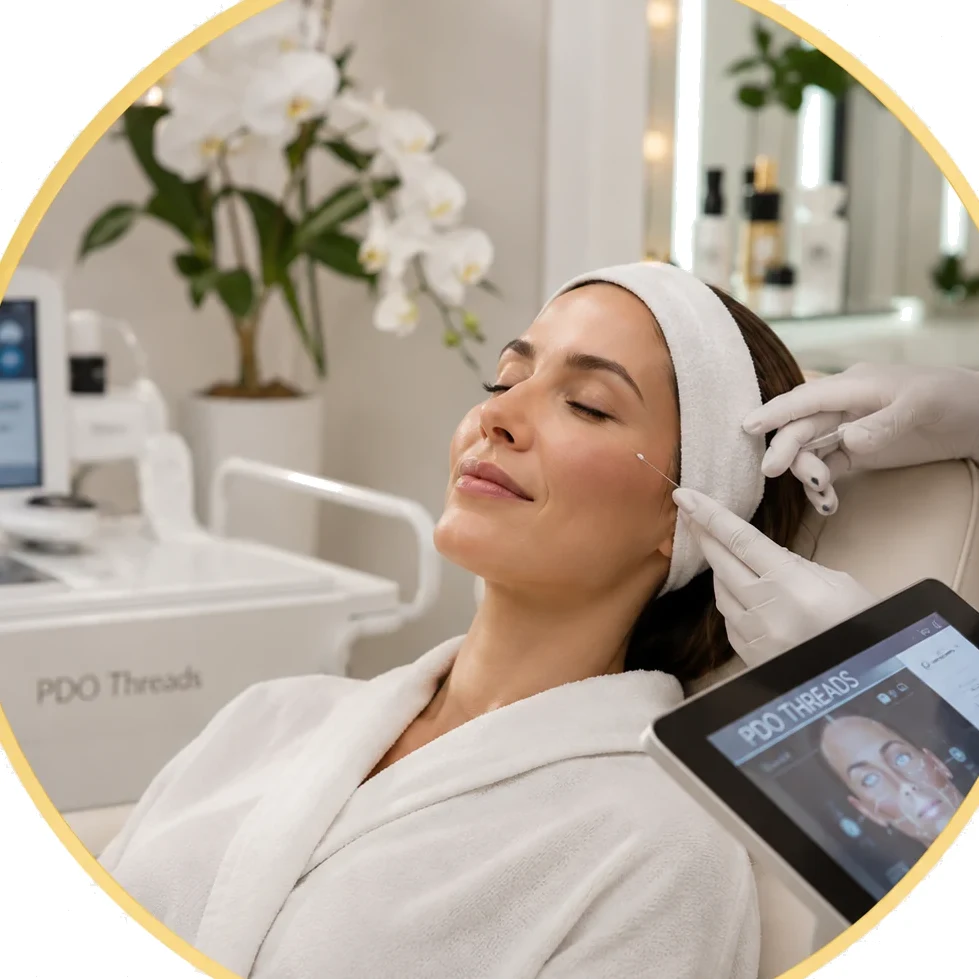
The process begins with AI-assisted facial analysis using Nexgen Clinic's diagnostic technology, which maps facial proportions and identifies the specific areas where subtle enhancement will have the most natural effect. This feeds into a bespoke treatment plan built around the NexGen Facial Balance™ framework — a structured approach to proportionate enhancement rather than trend-led volume addition.
During the procedure, clinicians work with emergency drug availability including on-site hyaluronidase, follow a documented vascular occlusion protocol and provide written aftercare before the patient leaves. A two-week follow-up review is standard, not optional.
Safety practices to expect and ask about at any medically led clinic include: on-site hyaluronidase with a clear protocol for its use; clinician registration and indemnity insurance; written aftercare and a scheduled follow-up review; and documented case outcomes that can be shown to prospective patients with consent.
Key takeaways
Subtle, natural-looking lip filler is achievable in the UK when hyaluronic acid, conservative volumes of 0.3–0.6 ml, and an anatomy-led technique are combined by a medically registered practitioner who follows JCCP guidance.
| Point | Details |
|---|---|
| Volume for subtle results | First-time treatments typically use 0.3–0.6 ml; 0.5 ml produces gentle definition without obvious fullness. |
| Longevity and reversibility | HA lip fillers last roughly 6–12 months and can be dissolved with hyaluronidase if needed. |
| Practitioner vetting | Verify GMC, GDC or NMC registration, indemnity insurance, complication protocol and before-and-after photos with consent. |
| Staged approach | A conservative first session with a two-week review is best practice — ask for this plan in writing. |
| Nexgen Clinic | Nexgen Clinic offers medically led, AI-assisted lip filler treatments in Cambridge with staged dosing and on-site hyaluronidase. |
The case for conservative treatment
The most common regret in aesthetic medicine is not having had treatment — it is having had too much, too soon. Patients who arrive asking for subtle enhancement and leave with proportionate, natural-looking results are consistently the most satisfied. Those who are persuaded toward larger volumes at a single visit often find themselves back in clinic asking for dissolution.
Conservative, staged treatment is not a compromise. It is the approach that produces the most reliable, most natural outcomes — and the one that gives you the most control over the final result. A practitioner who recommends starting small and reassessing is not being unhelpful. They are demonstrating exactly the clinical judgement you should be looking for.
The philosophy at Nexgen Clinic is straightforward: restore proportion and hydration first, add volume only where anatomy supports it, and document every outcome.
Subtle lip enhancement at Nexgen Clinic, Cambridge
Patients who want genuinely natural results — not just a smaller version of an overdone look — benefit from a clinic where the starting point is your facial anatomy, not a standard volume. At Nexgen Clinic, lip filler treatments are delivered by medically registered clinicians using AI-assisted facial analysis to map proportions before a single injection is placed.
Every treatment plan is bespoke, built around the NexGen Facial Balance™ framework and staged from a conservative first session. On-site hyaluronidase, a documented vascular occlusion protocol, written aftercare and a two-week review are standard at every appointment. The clinic's 98% patient satisfaction rate reflects an approach that prioritises what you actually look like at two weeks, not what the immediate post-procedure photo shows.
To discuss your goals and find out whether subtle lip enhancement is right for you, book a consultation at Nexgen Clinic. A thorough assessment, honest advice and a written staged plan are included as standard.
Useful sources
- GOV.UK: Crackdown on unsafe cosmetic procedures — the government's announcement on the licensing scheme for cosmetic procedures, including injectables. Read this to understand the current regulatory direction and what protections are in development.
- GOV.UK: Licensing of non-surgical cosmetic procedures — consultation response — the detailed consultation outcome, including which procedures are prioritised and the proposed age restrictions.
- JCCP and CPSA Code of Practice (v2) — the existing best-practice benchmark for consent, assessment and complication management. Use this to verify whether a practitioner's stated approach meets recognised standards.
- BBC News: Clinics to need licences for Botox and fillers — a clear, accessible summary of the licensing changes and their scope.
- Good Housekeeping UK: How to get natural-looking lip fillers — a consumer-facing explainer covering technique, longevity and what 'natural' means in clinical practice.
- Nexgen Clinic lip filler treatments — clinic-specific protocols, safety measures and booking information for patients considering treatment in Cambridge.
FAQ
Can lip fillers be subtle?
Yes. When a hyaluronic acid filler is used at a conservative volume (typically 0.3–0.6 ml) and placed with anatomy-led technique, the result is softer, more hydrated lips that look natural rather than obviously treated.
Is 0.5 ml lip filler subtle?
0.5 ml is widely regarded as a very subtle to gentle starting volume. Most patients see improved definition and hydration rather than a dramatic size increase, and the change is often not immediately obvious to others.
What is the most natural-looking lip filler?
No single brand guarantees a natural result — outcome depends far more on injector skill, volume and placement than on product choice. Hyaluronic acid fillers from Juvéderm, Restylane and Belotero are all used for natural lip enhancement in the UK; the practitioner's anatomical approach is what determines how natural the result looks.
How long do subtle lip fillers last?
HA lip fillers used for subtle enhancement typically last 6–12 months. Longevity varies with product choice, individual metabolism and placement depth.
What should I look for in a UK lip filler practitioner?
Verify GMC, GDC or NMC registration, indemnity insurance, on-site hyaluronidase, a documented complication protocol and before-and-after photos taken with patient consent. The JCCP code of practice is the clearest existing benchmark for what good practice looks like in the UK.
This article provides general information about lip filler treatments and is not a substitute for professional medical advice. Please discuss your individual circumstances, medical history and suitability with a qualified, registered clinician before proceeding with any aesthetic treatment.
Recommended
- Lip Fillers Cambridge: Achieve Natural-Looking Results
- Dermal & Lip Fillers | NexGen Clinic Journal
- Lip Fillers in Cambridge | Natural Lip Enhancement | NexGen Clinic
- Expert Guide to Dermal Fillers in Cambridge
Explore related NexGen treatments
- Explore our full treatment menu
- Book a consultation with our clinicians
- Contact our Cambridge team
- Read more articles in the NexGen Journal
Ready to explore your options?
Speak with a NexGen clinician for a personalised consultation. We’ll listen, assess, and recommend the safest and most effective route — always led by evidence, always tailored to you.
Book a consultation or get in touch with our Cambridge team.