Understanding Acne Scarring
Acne scarring is a common concern for many individuals, often resulting from inflammatory acne lesions such as cysts and nodules. When the skin experiences significant trauma due to acne, it can lead to the formation of scars, which may be atrophic (depressed) or hypertrophic (raised) in nature. These scars can affect the surface texture of the skin and may impact self-esteem.
In Cambridge, many individuals find that their acne scars persist long after their breakouts have healed. Recognising the varied types of acne scars is crucial for determining the most suitable treatment options. An informed approach can help individuals regain confidence in their skin.
What to Expect from Treatments
Treatment options for acne scarring are diverse and depend on the severity of the scarring, skin type, and individual preferences. Commonly offered treatments include:
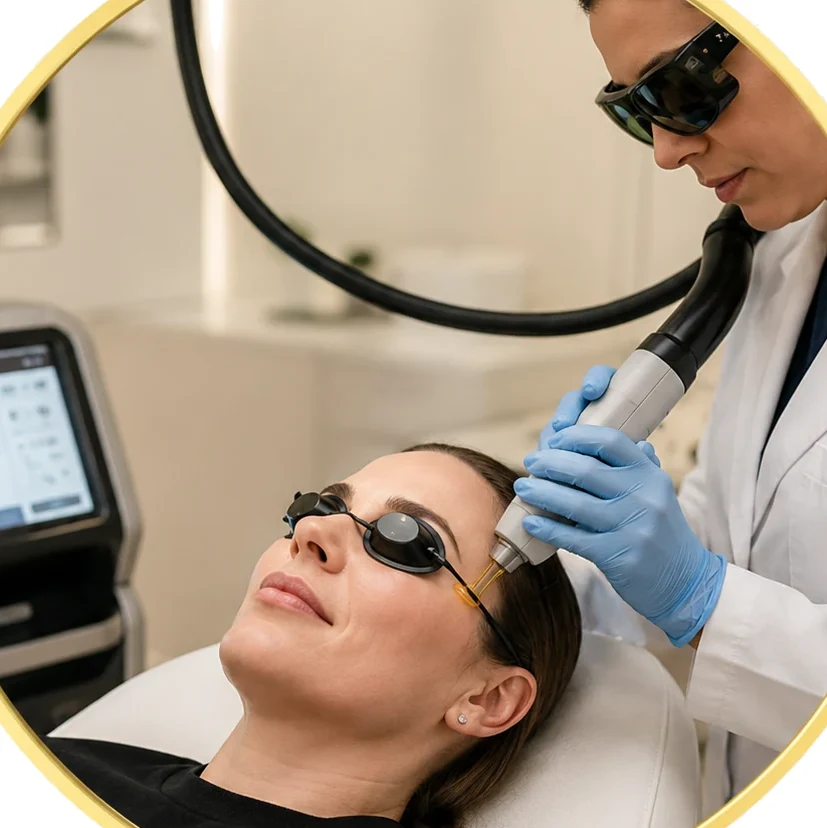
- Laser Therapy: Utilises focused light to target scars, stimulating collagen production and skin renewal.
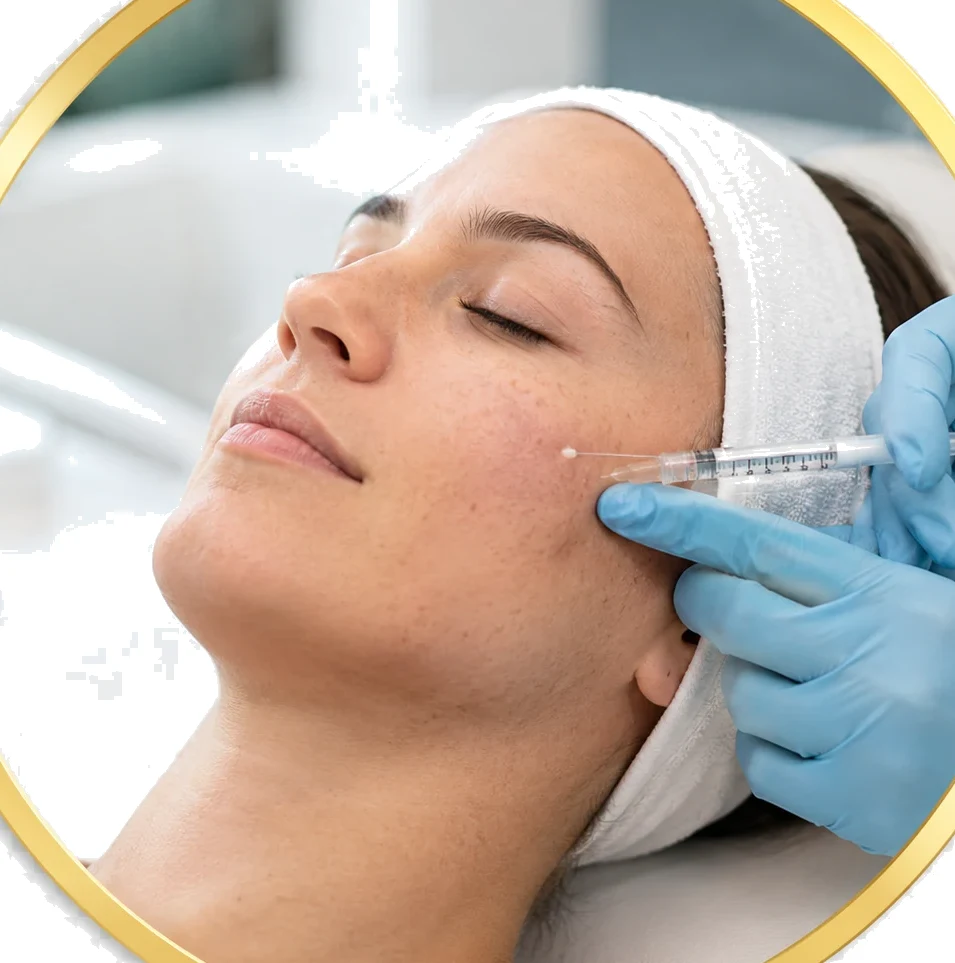
- Microneedling: A procedure that uses tiny needles to create micro-injuries, promoting the skin’s healing response and improving texture.
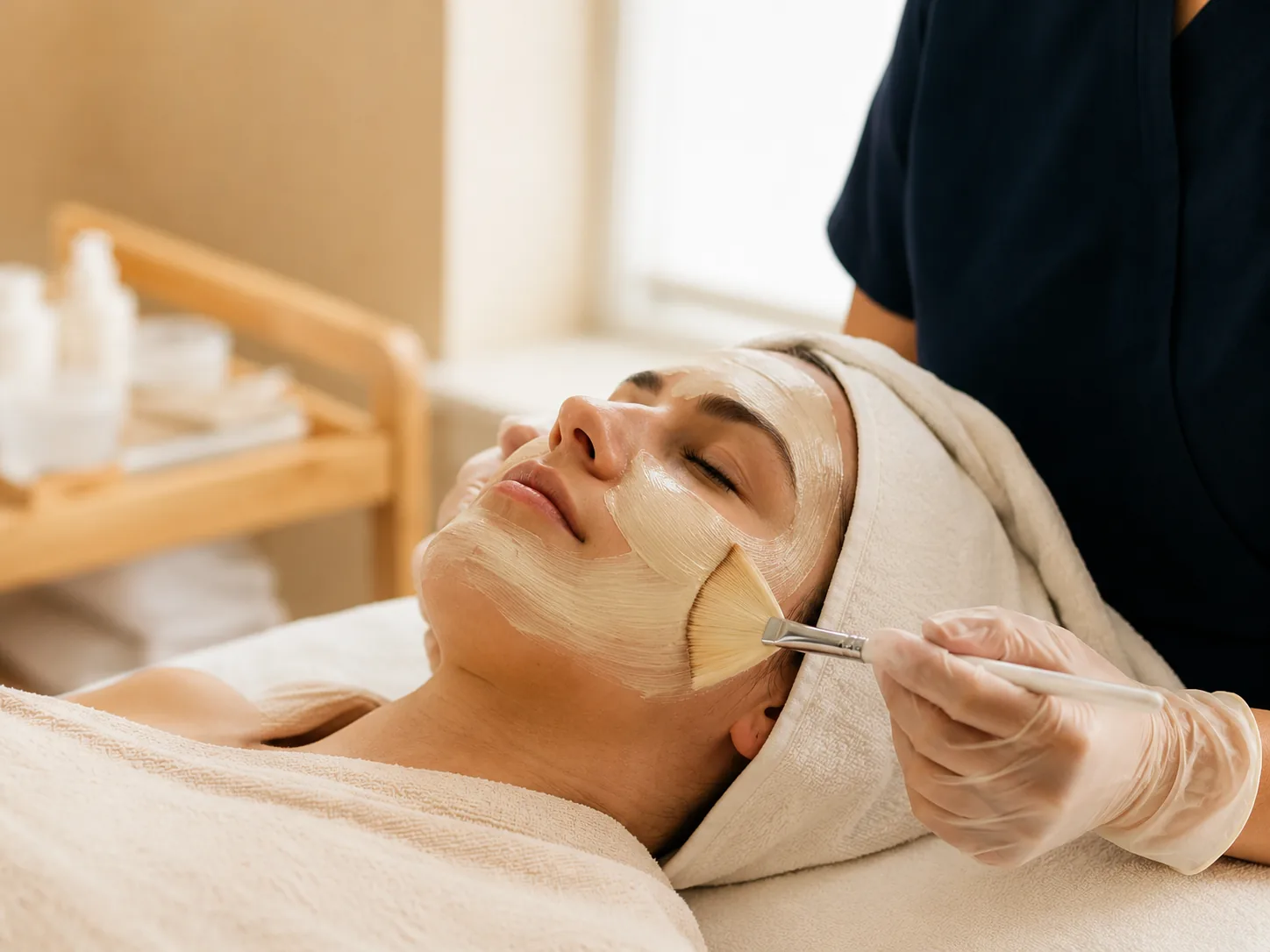
- Chemical Peels: Involves the application of a chemical solution to exfoliate the skin and enhance cell turnover, effectively reducing the appearance of scars.
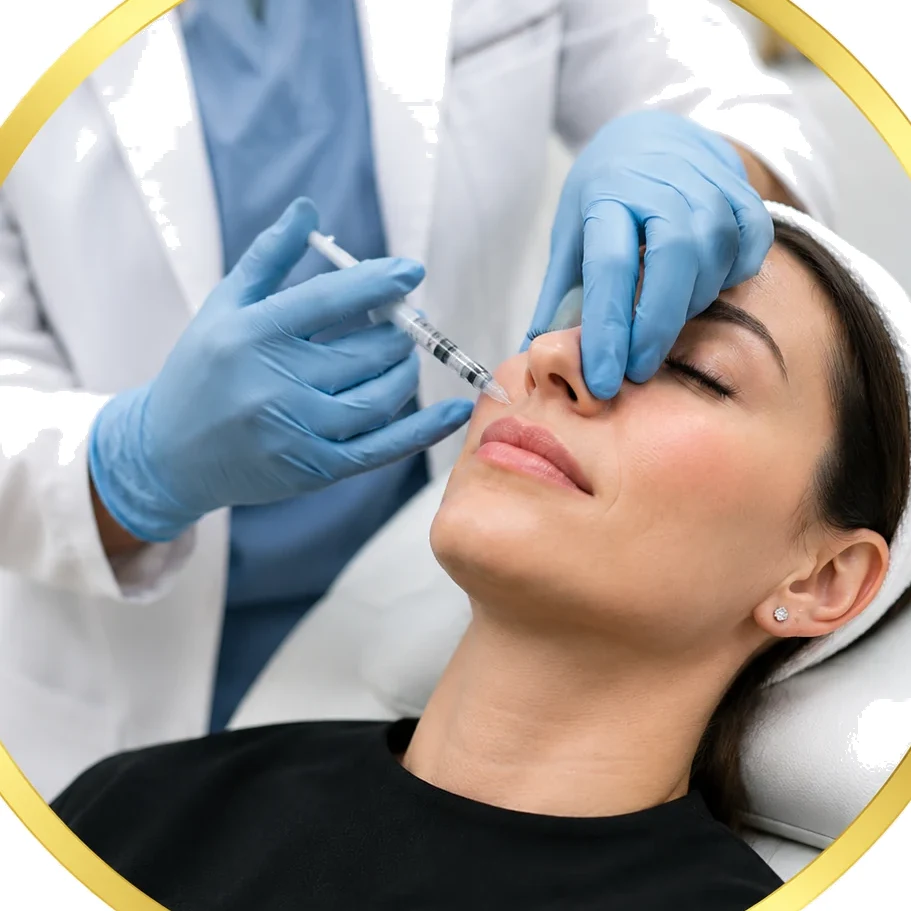
- Dermal Fillers: Injectable substances that can provide volume to atrophic scars, offering a temporary lift and smoother skin appearance.
Each of these treatments may be discussed during your initial consultation to assess their suitability for your needs. Proper planning and tailored approaches can lead to improved outcomes.
Who This May Suit
Individuals with acne scarring seeking effective solutions typically benefit from professional treatments. This includes those with:
- Persistent scars that do not respond to over-the-counter skincare products.
- A desire to enhance skin texture and boost self-confidence.
- Skin types and tones that can accommodate specific treatment protocols.
Our team at NexGen Clinic offers personalised consultations to ensure that patients receive the most appropriate care tailored to their individual skin conditions and aesthetic goals. If you’re considering treatment for acne scarring, book a consultation to discuss your options.
Pre-Treatment Considerations
Before initiating any treatment, it’s essential to discuss your medical history, current skincare regimen, and any allergies. Our qualified practitioners will perform a thorough skin assessment to determine the most effective treatment plan. Transparency regarding your expectations will help create a robust foundation for treatment success.
Aftercare Considerations
Post-treatment care is vital for healing and optimal results. Depending on the selected modality, aftercare may vary but generally includes:
- Avoiding direct sunlight and using high-SPF sunscreen.
- Adhering to any prescribed skincare routines to support healing.
- Monitoring the skin for any unusual reactions and following advised follow-up appointments.
By following these aftercare recommendations, patients can help enhance the results of their acne scar treatments.
When to Book a Consultation
If you are struggling with acne scarring, it is advisable to seek professional advice promptly. Many individuals find that earlier intervention leads to better long-term skin refinement. At NexGen Clinic, we encourage those experiencing acne scarring to speak to the clinic about available treatment options.
Every individual’s skin is unique, and our tailored treatment plans reflect this. Whether you’re looking to enhance your skin’s appearance or simply want to regain your confidence, we are here to help.
Conclusion
Acne scarring is a common concern that can be effectively addressed with the right treatment. With a variety of options available, tailored to meet the needs of each patient, it is essential to consult with skilled professionals to ensure the best possible results. To learn more about your personalised options and explore our aesthetic treatments, contact us today.