
Introduction
Botox has become a popular treatment for those seeking to reduce the appearance of wrinkles and achieve a more youthful look. If you are considering Botox in Cambridge, it is crucial to understand what the treatment entails, its potential benefits, and the aspects to consider before your first consultation.
At NexGen Clinic, we pride ourselves on offering expert-led consultations, ensuring that our clients are well-informed and equipped to make the best decisions for their aesthetic goals. If you are ready to explore your options, book a consultation with us today.
What is Botox?
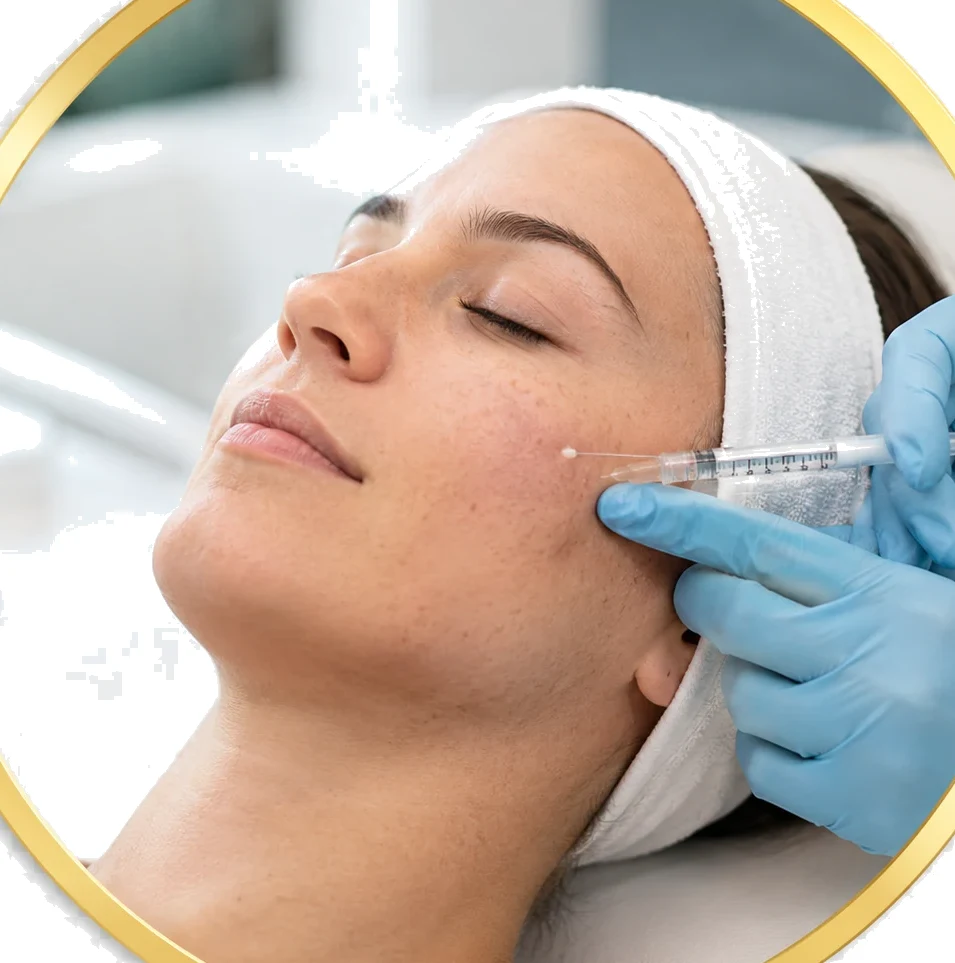
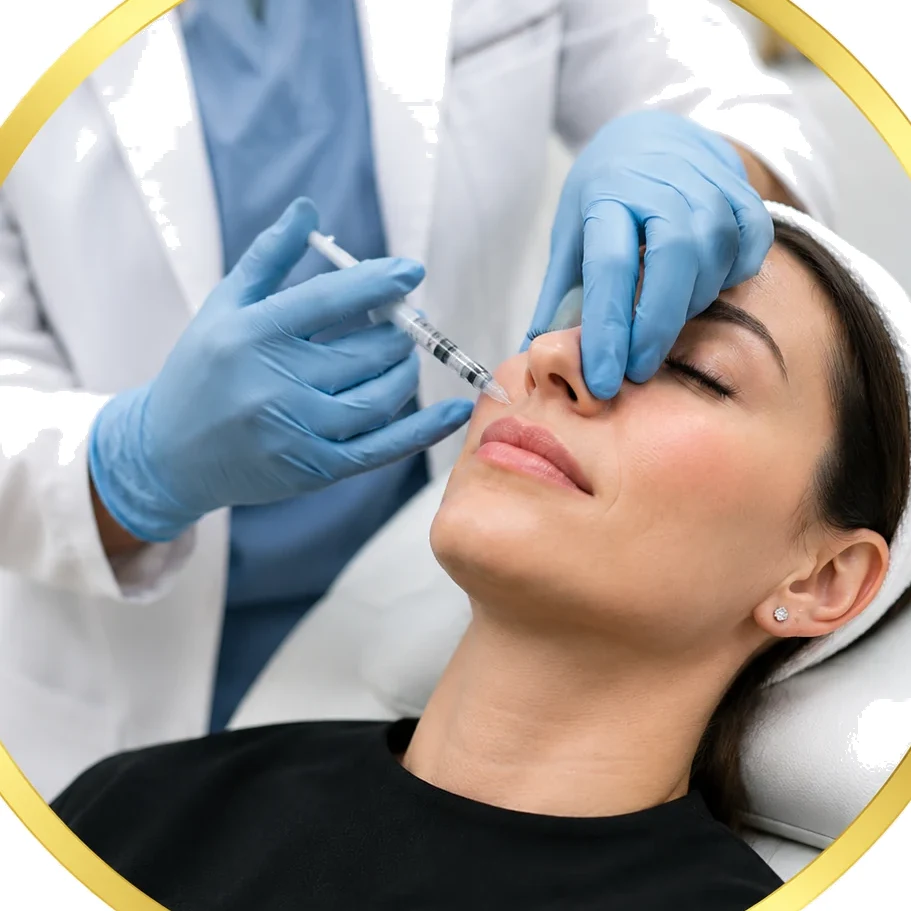
Botox, or botulinum toxin, is a neurotoxic protein used in cosmetic treatments to temporarily relax facial muscles. This results in a smoother appearance of fine lines and wrinkles, primarily around the forehead, crow's feet, and frown lines. The treatment works by blocking nerve signals to the muscles, preventing contractions that can cause the skin to wrinkle.
Botox is often associated with natural-looking results when administered by a qualified practitioner. The aim is to maintain facial expressions while minimising the signs of ageing. It’s essential to find a skilled provider to ensure a safe and effective treatment experience.
What to Expect During Your Consultation
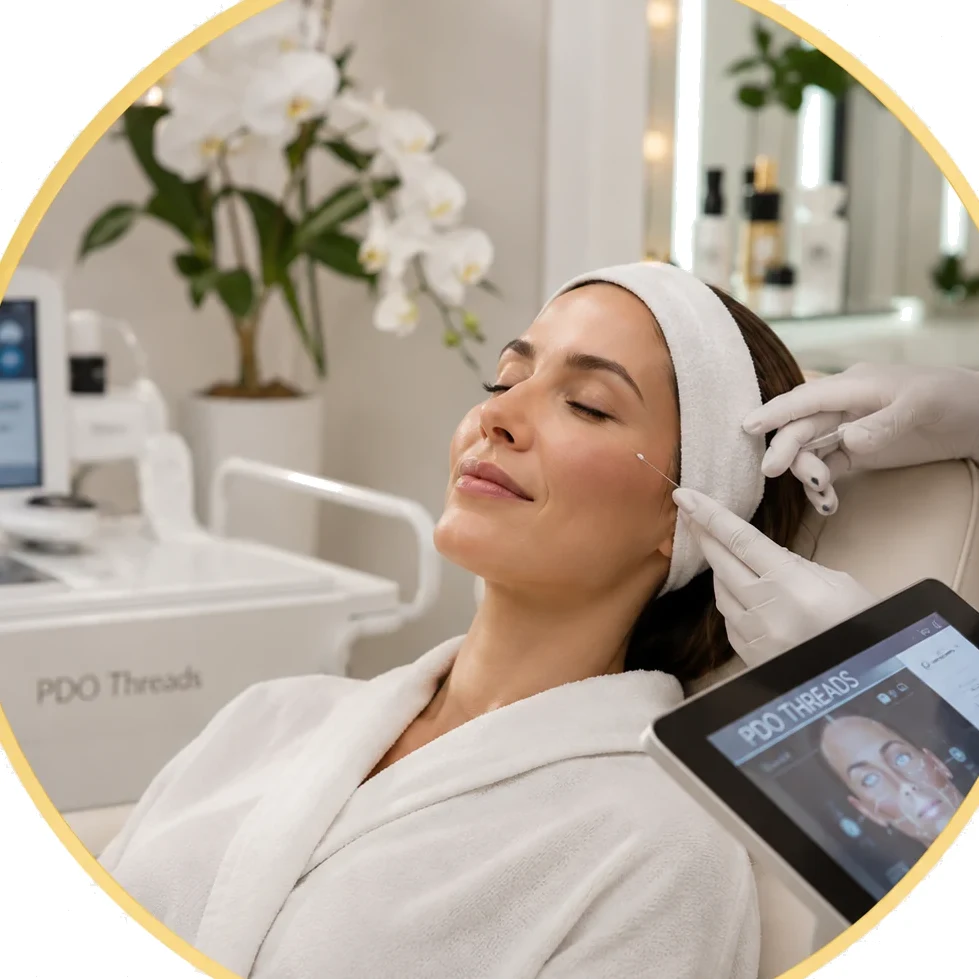
Before any treatment, a comprehensive consultation is vital. During your visit, the practitioner will assess your facial anatomy, discuss your concerns, and examine your medical history to provide personalised recommendations. Expect to discuss the specific areas you would like to treat and your desired outcomes.
Typical components of the consultation include:
- A thorough understanding of your health and medical history.
- Discussion of your aesthetic goals and expectations.
- Overview of the treatment process, including potential side effects and aftercare.
Who This May Suit
Botox can be suitable for various individuals looking to reduce wrinkles and enhance their overall facial appearance. Ideal candidates typically include those who:
- Are over 18 years of age.
- Have moderate to severe wrinkles.
- Maintain realistic expectations regarding treatment outcomes.
However, some individuals may not be suitable for Botox treatments. Those who are pregnant, breastfeeding, or have specific neurological disorders should discuss their options with a qualified practitioner during the consultation process.
What to Ask Before Treatment
Before committing to the treatment, it is essential to feel confident and informed. Here are some important questions to consider asking:
- What is your experience with Botox administration?
- Can you provide before and after photos of previous clients?
- What should I expect during the procedure?
- How long do the results typically last?
- What are the potential side effects?
Addressing these questions can help you feel more comfortable and prepared for your Botox treatment.
Botox Aftercare
Once the Botox treatment is complete, proper aftercare is crucial for achieving the best possible results. Here are some guidelines to follow:
- Avoid touching the treated area for at least 24 hours to prevent the toxin from spreading.
- Refrain from strenuous exercise, hot baths, or saunas for 24 hours post-treatment.
- Sleep on your back for the first night to allow the substance to settle evenly.
- Keep your head elevated for a few hours after treatment.
Many clients wonder, how long does Botox last? Results typically last three to six months, after which follow-up treatments may be needed to maintain the desired appearance.
When to Book a Consultation
It’s advisable to schedule your consultation at least two weeks before any significant events, allowing time for any potential adjustments or follow-up treatments. By planning ahead, you can ensure you receive the best results possible.
At NexGen Clinic, we prioritise your safety and satisfaction. Our team of experts is here to guide you through the process. If you would like to learn more about our services or have any questions, please speak to the clinic directly.
Conclusion
Botox can provide an excellent solution for individuals seeking to minimise the appearance of wrinkles. By understanding the treatment process and setting realistic expectations, you can make a well-informed decision on your aesthetic journey. If you are considering anti-wrinkle treatment in Cambridge, we invite you to book a consultation and explore your options with our experienced team.