
Collagen banking is a proactive skin-care approach that combines protective habits with targeted treatments to preserve and stimulate your skin's collagen. It is not a solution for ageing skin, and it works best alongside daily sun protection rather than instead of it. The approach suits people in their twenties to forties who want to slow visible changes before they become harder to reverse.
TL;DR:
- Collagen banking is more effective when combined with daily sun protection and starts early in your twenties or thirties before visible decline accelerates.
- Treatments like microneedling and skin boosters show initial improvements in hydration within weeks, but structural firmness typically takes several months and requires maintenance.
- Oral collagen peptides have the most consistent supportive evidence, with significant hydration and elasticity improvements typically visible after 8 to 24 weeks of regular use.
- The strongest evidence supports polynucleotide-based therapies and hyaluronic acid skin boosters, while exosome treatments have limited scientific backing at this stage.
- Proper practitioner regulation, personalized skin analysis, and a structured plan that prioritizes sun protection maximize safety and treatment effectiveness.
Table of Contents
- What collagen banking means and why timing matters
- How common collagen-stimulating treatments actually work
- What the evidence actually supports
- Typical treatment timelines and how many sessions to expect
- Who benefits most from starting early
- Safety, regulation and choosing the right practitioner
- A stepwise plan to start collagen banking
- How NexGen Clinics approaches personalised collagen plans
- The gap between what collagen banking promises and what actually works
- Turning a collagen banking plan into a booked appointment
- Sources
- FAQ
What collagen banking means and why timing matters
Collagen is the structural protein that keeps skin firm, plump and elastic. Collagen banking describes the practice of protecting and stimulating that supply early, rather than waiting until visible sagging or deep lines prompt corrective treatment. Natural collagen production begins a gradual decline from the mid-twenties, and two external factors accelerate it: ultraviolet exposure and smoking, both of which damage the collagen fibre network faster than the body can repair it.
Collagen's structural roles explain why this matters for how skin looks and behaves over time.
- Provides tensile strength, so skin resists stretching and tearing.
- Supports elasticity, allowing skin to spring back after movement.
- Maintains skin thickness and a smooth surface texture.
- Works alongside elastin and hyaluronic acid to retain hydration and volume.
How common collagen-stimulating treatments actually work
Most collagen banking treatments rely on one of two biological triggers: controlled injury or direct stimulation of fibroblasts, the cells that produce collagen.
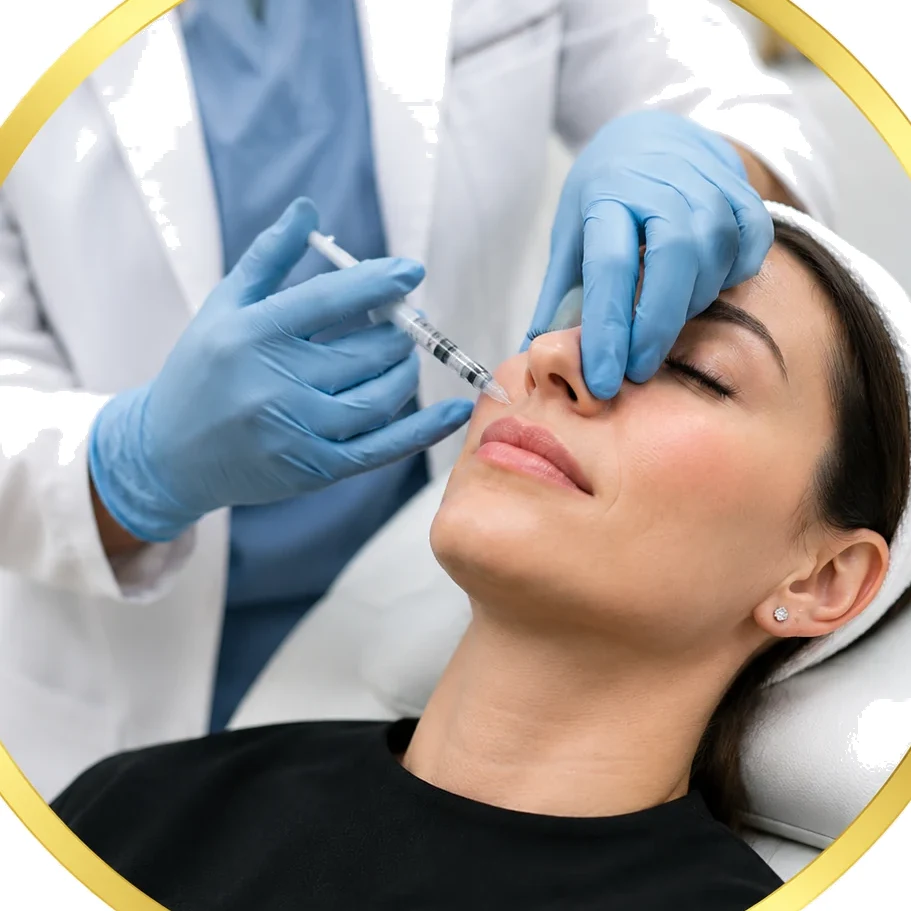
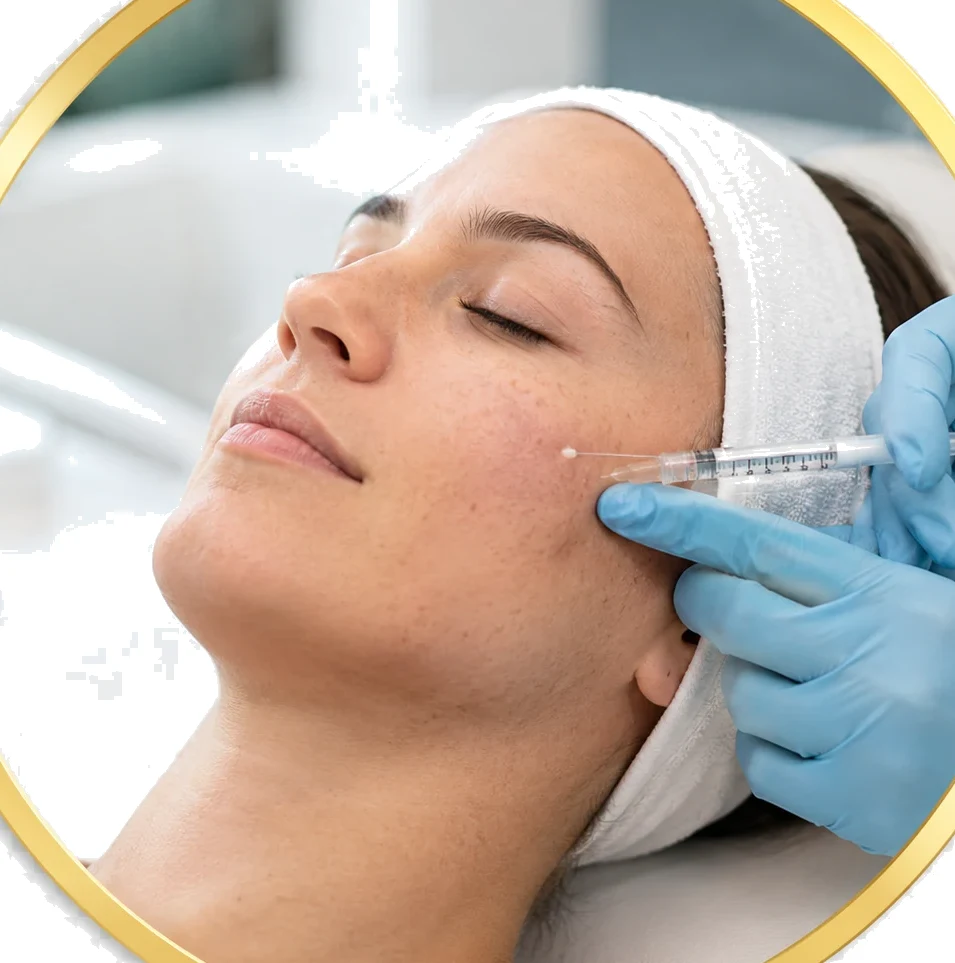
- Microneedling creates controlled micro-injuries in the skin, prompting a wound-healing cascade that lays down new, organised collagen.
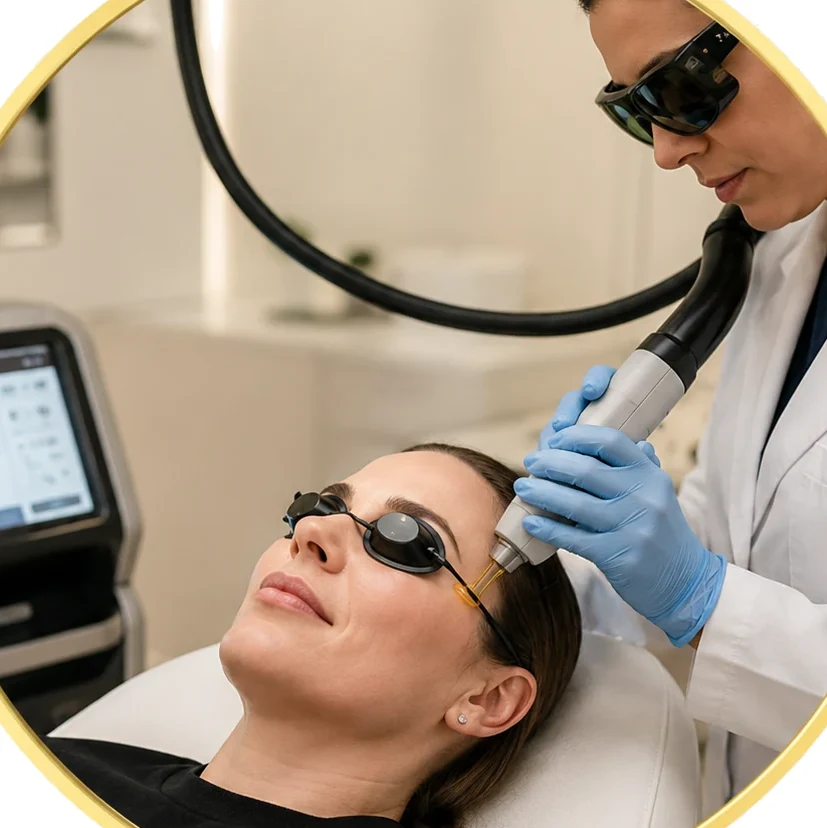
- Energy devices (radiofrequency or laser-based) heat deeper skin layers to encourage collagen remodelling without breaking the surface.
- Biostimulatory injectables, including poly-L-lactic acid and polynucleotides, act as a scaffold that stimulates fibroblasts directly over several weeks.
- Skin boosters use hyaluronic acid to improve hydration, which supports skin structure indirectly rather than stimulating new collagen production.
- Oral collagen peptides are broken down during digestion, and the resulting amino acids may signal fibroblasts to produce more collagen, though absorption and individual response vary.
A 2025 UK systematic review found that polynucleotide-based therapies improved skin firmness and provided sustained results for a moderate period, while hyaluronic acid-based skin boosters improved hydration and elasticity with high patient satisfaction.
What the evidence actually supports
Not every collagen banking treatment rests on the same quality of evidence, and it helps to know where the stronger data sits before committing to a plan.
Oral hydrolysed collagen has the most consistent trial support. A review of randomised trials found that oral hydrolysed collagen can improve hydration and elasticity over weeks to months, though results vary by formulation and trial quality. A more recent systematic review and meta-analysis of peptide interventions reported that peptides, particularly oral formulations, significantly improved hydration and showed modest pooled effects on wrinkle reduction, while calling for larger, more standardised trials.
Injectable biorevitalisers sit on firmer ground than most marketing suggests. The UK systematic review of licensed products found polynucleotide-based therapies improved firmness with sustained results, and hyaluronic acid boosters improved hydration and elasticity with high satisfaction.
Exosome-based therapies are the weakest link in the evidence chain. The same review noted high patient satisfaction but described the underlying evidence as still emerging, which means claims made about exosomes in marketing often outpace what trials have actually confirmed.
Study endpoints across this field tend to cluster around a few measures: skin hydration, elasticity readings, wrinkle depth and patient-reported satisfaction, typically tracked over 8 to 24 weeks for supplements and several months for injectables.
Peptide interventions, particularly oral formulations, significantly improved hydration and showed modest pooled effects on wrinkle reduction, though larger standardised trials are still needed.
Treating every collagen banking claim as equally proven is a mistake. Some methods, like oral peptides, have a reasonable evidence base; others, like exosome treatments, are still catching up to their own marketing.
Typical treatment timelines and how many sessions to expect
Most collagen banking treatments require a course rather than a single visit, and timelines vary by method.
- Microneedling typically involves 4 to 6 sessions spaced at least six weeks apart, giving the wound-healing response time to progress between treatments.
- Skin boosters and Profhilo usually follow an initial course of two sessions four weeks apart, with maintenance visits roughly every six months.
- Polynucleotides and biostimulatory fillers are often given as a course of two to three sessions, with peak collagen effects appearing over the following two to three months.
- Across most methods, visible improvement in hydration or texture appears within weeks, while structural firmness changes take longer and typically need maintenance to sustain.
Who benefits most from starting early
Collagen banking suits a wide range of people, but the benefit shifts depending on when you start and what your skin has already been through.
- People in their twenties and thirties see the most preventative value, since early intervention works with still-active collagen production.
- Those starting later can still see improvement, though treatments then work more to correct existing laxity than to preserve reserves.
- Smokers, those with heavy cumulative sun exposure, and women in perimenopause or menopause often see collagen decline accelerate, which can mean a more tailored approach is needed.
- Realistic outcomes tend to include better hydration, softer fine lines and improved firmness rather than dramatic, sudden change.
Safety, regulation and choosing the right practitioner
Collagen banking treatments carry real medical considerations, so who performs them matters as much as which treatment you choose. NHS guidance advises checking a practitioner's training, insurance and regulatory status before any cosmetic procedure. The UK government has introduced measures to tighten oversight and licensing of higher-risk non-surgical cosmetic procedures, reflecting growing concern about unregulated providers offering injectables and energy-based treatments.
Before booking any treatment, check for the following.
- Confirmation the practitioner is medically regulated and holds relevant insurance.
- A clear explanation of risks, expected downtime and aftercare.
- Willingness to review your treatment history and photos before recommending a plan.
- No pressure to book multiple treatments in a single visit without a proper assessment.
Pro Tip: Bring a list of every cosmetic treatment you have had in the past two years to your consultation, since stacking incompatible procedures is one of the most avoidable safety risks.
A stepwise plan to start collagen banking
A structured approach works better than picking treatments at random, and the order matters as much as the treatments themselves.
- Book a professional skin analysis to establish your current collagen quality, hydration and sun damage before choosing treatments.
- Commit to daily broad-spectrum SPF 50+ as the foundation, since UV exposure is the main driver of collagen breakdown.
- Start with lower-risk stimulation, such as skin boosters or microneedling, before considering biostimulatory injectables.
- If oral peptides are part of your plan, allow 8 to 24 weeks of consistent use before assessing results, in line with trial timelines.
- Track progress with consistent photos and review the plan every three to six months, adjusting treatments as your skin responds.
Pro Tip: Take progress photos in the same lighting and position each time. Subtle collagen changes are easy to miss without a consistent reference point.
How NexGen Clinics approaches personalised collagen plans
NexGen Clinics uses AI-driven skin analysis to assess collagen quality, hydration and sun damage before recommending any treatment. Plans are built around each person's skin, combining categories such as skin booster plus microneedling, or polynucleotides alongside Profhilo, rather than applying a single fixed protocol. Every plan follows a doctor-led consultation to confirm suitability and manage expectations.
The gap between what collagen banking promises and what actually works
The phrase "collagen banking" implies you can store up collagen for later, like a savings account. That framing oversells what the evidence supports. What you are actually doing is slowing a decline and improving skin quality at the margins, not building a reserve that offsets future neglect.
The conventional advice on this topic overweights injectables and underweights sun protection. Dermatology research has shown that even moisturisers with SPF often provide weaker real-world coverage than dedicated sunscreens, and consistent broad-spectrum protection remains the strongest single anti-ageing measure available. Spending on biostimulatory treatments while neglecting daily SPF is working against yourself, since UV-driven collagen degradation can outpace whatever a clinic procedure achieves.
If you take one thing from this guide, make it sequencing: fix sun protection first, then layer in stimulation. Treatments amplify good habits. They do not replace them.
— Ms Sandra Petraskaite
Turning a collagen banking plan into a booked appointment
Once you know the principles, the next step is finding a clinic that builds a plan around your skin rather than a fixed package. NexGen Clinics offers skin boosters, Profhilo, polynucleotides and microneedling as part of tailored, doctor-led plans that map directly onto collagen banking principles, using AI-driven skin analysis to decide which combination suits your skin's current condition.
A consultation starts with that skin analysis, a review of your treatment history and a discussion of realistic timelines before anything is recommended. If Profhilo or polynucleotides fit your goals, your practitioner will explain session counts and expected onset during that visit. Book a skin analysis with NexGen Clinics to find out which approach suits your skin.
Sources
For readers who want to review the primary evidence, the UK systematic review of injectable biorevitalisers and the peptide meta-analysis cover treatment efficacy in detail. NHS guidance on choosing a practitioner and the government's cosmetic procedure licensing update explain the regulatory picture. Readers interested in hydration mechanisms behind skin boosters may also find this guide to natural humectants useful.
This article is general information, not a substitute for advice from a qualified doctor. Consult a qualified healthcare professional about your own circumstances before acting on anything here.
- Efficacy and safety of injectable bio-revitalizers and rejuvenate therapies in the UK (systematic review) — 2025
- Microneedling pre-treatment information (Chelsea and Westminster NHS)
- Systematic review and meta‑analysis on peptides and skin ageing (2026)
- Oral collagen peptides and skin physiology — review (PubMed)
- Gov
FAQ
What does collagen banking mean?
Collagen banking means using protective habits and targeted treatments, such as sun protection, skin boosters and biostimulatory injectables, to preserve and stimulate the skin's natural collagen before significant decline sets in. It is a preventative approach rather than a single treatment or product.
Does the NHS recommend collagen treatments?
The NHS does not promote specific collagen products, but its guidance does cover choosing a regulated practitioner for cosmetic procedures and provides patient information on treatments such as microneedling. Always check a provider's regulatory status before booking any collagen-stimulating treatment.
What foods are high in collagen?
Collagen itself comes mainly from animal connective tissue, found in bone broth, chicken skin and fish skin, though the body must break it down into amino acids before use. Foods rich in vitamin C, zinc and copper, such as citrus fruit and nuts, support the body's own collagen synthesis rather than supplying collagen directly.
What are signs that collagen-stimulating treatment is working?
Common signs include improved skin hydration, softer fine lines, a firmer texture and a more even skin tone over several weeks to months. Because collagen remodelling is gradual, changes are usually noticed through consistent photos rather than day-to-day observation.
How long does it take to see results from collagen banking treatments?
Timelines vary by method: skin boosters often show hydration improvements within a few weeks, while biostimulatory treatments like polynucleotides typically take two to three months to reach peak effect. Oral peptides generally require 8 to 24 weeks of consistent use before results become measurable.
Explore related NexGen treatments
- Explore our full treatment menu
- Book a consultation with our clinicians
- Contact our Cambridge team
- Read more articles in the NexGen Journal
Ready to explore your options?
Speak with a NexGen clinician for a personalised consultation. We’ll listen, assess, and recommend the safest and most effective route — always led by evidence, always tailored to you.
Book a consultation or get in touch with our Cambridge team.