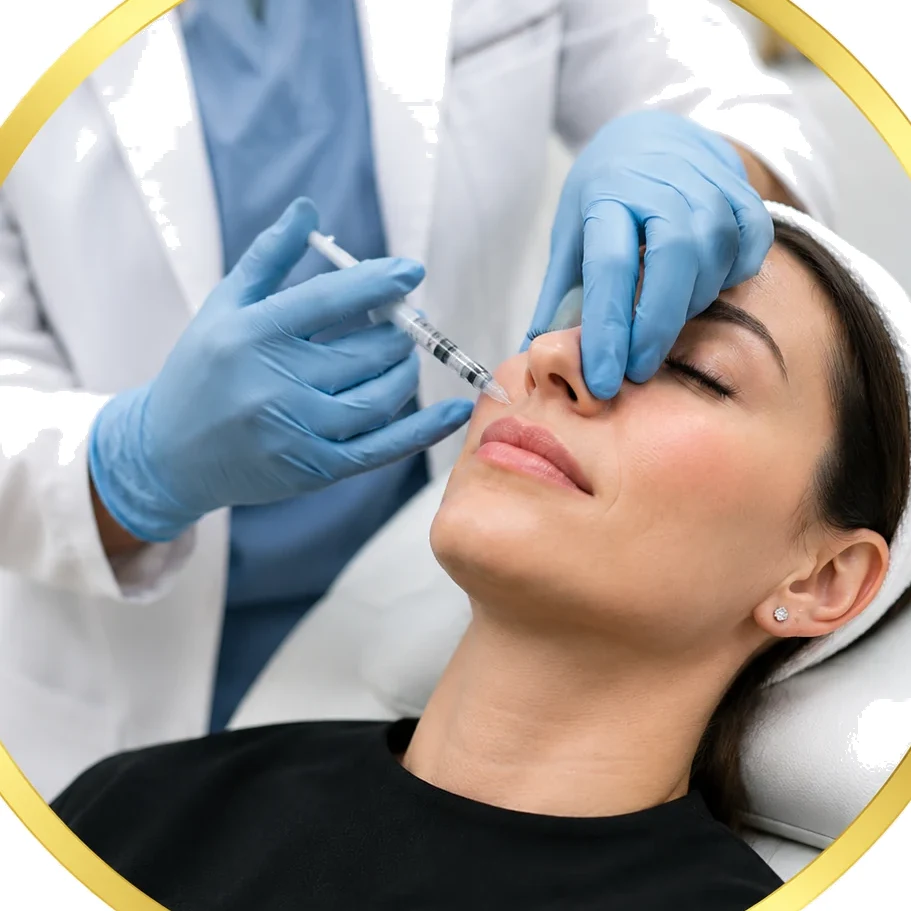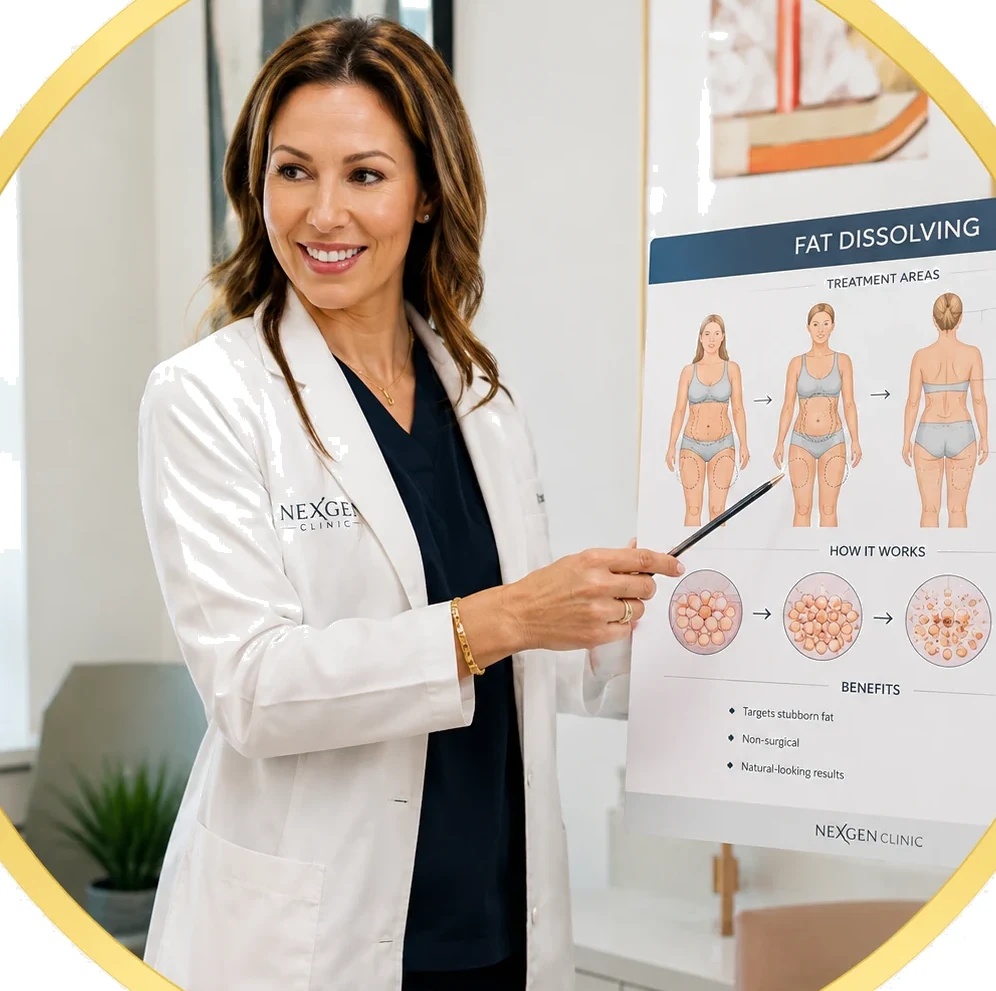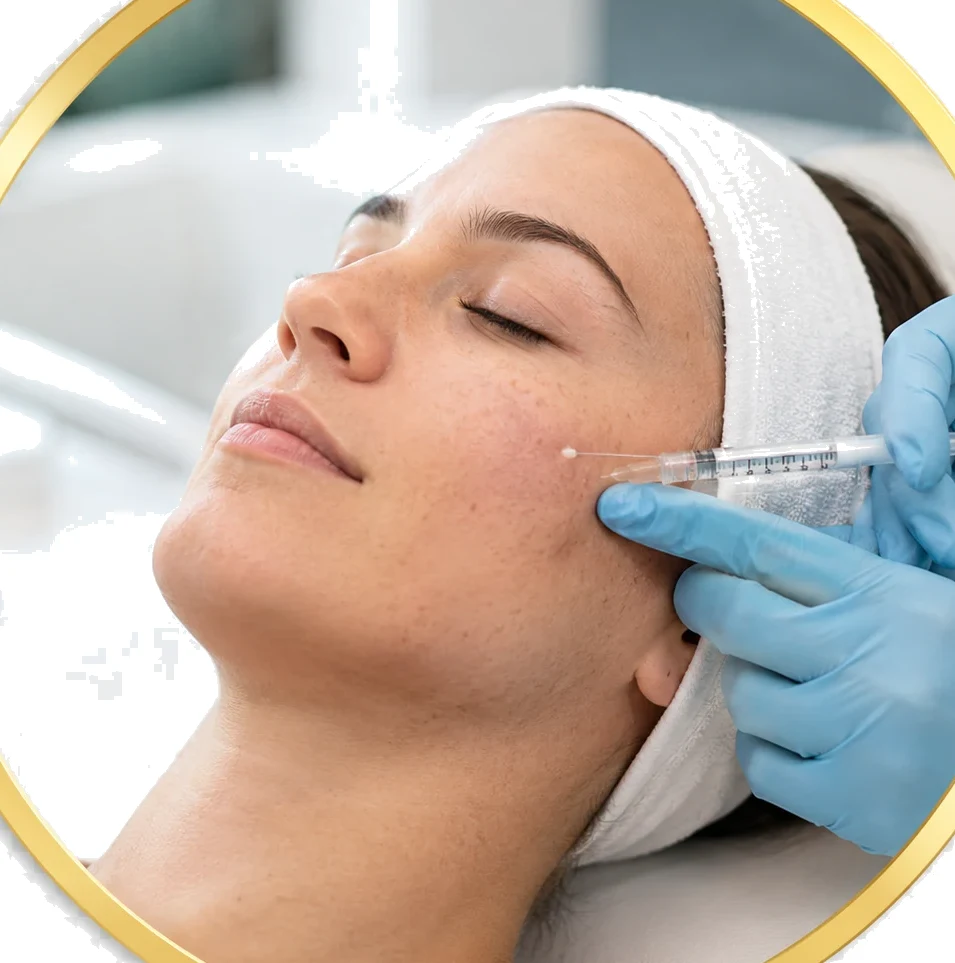

For most people seeking subtle skin texture improvements, PRF often offers a slight edge thanks to its fibrin scaffold and slower growth-factor release, while PRP remains a reliable choice for pigmentation and has a stronger evidence base for hair density. The right choice depends on your specific goal, and the research behind both treatments is still developing.
TL;DR:
- A 2025 review of 43 trials with 1,877 participants found activated PRP improved hair density and reduced recurrence, but not hair thickness consistently.
- A UK review of 26 studies and 2,450 patients found 76% reported better skin quality with PRP in protocols aligned with MHRA and NICE.
- Around the eyes, improvements associated with PRF sometimes faded by six months, and current reviews do not establish that it outperforms PRP overall.
- Because PRF begins clotting immediately, ask how soon it will be injected, and confirm the clinic explains its preparation protocol, hygiene measures, and clinician qualifications.
Table of Contents
- How growth factors and fibrin scaffolds drive skin and hair renewal
- What is PRP: preparation, uses and the evidence behind it
- What is PRF: preparation, uses and where current research points
- PRP versus PRF: comparing the evidence for skin and hair
- How to choose between PRP and PRF: a step-by-step checklist
- Safety, regulation and setting realistic expectations
- How we approach PRP and PRF at NexGen Clinics
- Counselling patients: a clinical perspective
- Ready to find your fit: book an assessment
- FAQ
- Sources
How growth factors and fibrin scaffolds drive skin and hair renewal
Both PRP and PRF rely on concentrated platelets drawn from your own blood, and platelets release growth factors such as PDGF, TGF-β and VEGF once activated. These signalling proteins encourage collagen production, support blood vessel formation and help stimulate hair follicles, which is why both treatments appear across skin rejuvenation and hair restoration protocols.
The difference lies in how that release happens. PRP typically stays in liquid form after processing, delivering its growth factors in a short, concentrated burst. PRF, by contrast, forms a fibrin matrix during preparation, a mesh-like structure that holds platelets and white blood cells in place and releases their contents more gradually over several days. This fibrin scaffold also provides some mechanical support to the tissue, which may explain the early textural improvements some patients notice with PRF.
Centrifugation speed and the use of anticoagulants are what create this distinction. PRP preparation uses an anticoagulant and typically a two-spin process, keeping the sample fluid. PRF preparation skips the anticoagulant and uses a single, slower spin, allowing natural clotting to form the fibrin network. These procedural choices shape everything that follows, from handling time to clinical indication.
What is PRP: preparation, uses and the evidence behind it
Platelet-rich plasma is prepared by drawing a small blood sample, adding an anticoagulant, then spinning it (often twice) to separate and concentrate the platelet layer. Some protocols activate the plasma with calcium chloride or thrombin before injection, which can influence outcomes.
PRP is commonly used for:
- Improving skin pigmentation and overall tone
- Softening fine lines and improving skin texture
- Increasing hair density in pattern hair loss
A 2025 meta-analysis of 43 randomised controlled trials involving 1,877 participants found that activated PRP improved hair density and reduced recurrence compared with placebo, though pooled results did not show a consistent improvement in hair thickness. The same review noted that activation status and the precise protocol used significantly influence results, which is part of why outcomes vary between clinics.
A separate UK-focused systematic review of 26 studies covering 2,450 patients found that PRP produced moderate-to-significant improvements in skin texture and fine lines, with around 76% of patients reporting enhanced skin quality when treatment followed MHRA and NICE-aligned practice. Most protocols involve a short course of sessions spaced several weeks apart, with visible changes building gradually and minor side effects such as redness, swelling or bruising that typically resolve within days.
What is PRF: preparation, uses and where current research points
Platelet-rich fibrin uses a single, slower centrifuge spin with no anticoagulant, allowing the sample to clot naturally into a fibrin matrix. This clot can be used as a solid plug (classic PRF) or processed further into a more fluid form known as injectable PRF, which is easier to inject but must be used quickly before it sets.
PRF is often selected for:
- Fine lines and skin texture refinement, particularly around delicate areas
- Short-term volumising or lifting effects in thinner-skinned zones
- Supporting collagen remodelling in combination with other regenerative treatments
A systematic review of PRF versus PRP for periorbital rejuvenation found that PRF often improved texture and fine lines around the eyes, partly because its fibrin content and leukocyte presence can give an early tactile filling effect before collagen accumulates. However, the same review found that these early advantages sometimes faded by six months, and the evidence does not yet establish PRF as superior overall.
Pro Tip: Ask your clinician how quickly the PRF will be prepared and injected after your blood draw, since clotting begins immediately and timing affects consistency.
PRP versus PRF: comparing the evidence for skin and hair
The mechanistic differences between these treatments translate into different clinical strengths. PRP's anticoagulated, liquid form delivers a faster, more concentrated release of growth factors, while PRF's leukocyte-rich fibrin clot releases its contents more slowly and adds structural support to the tissue.
- PRF tends to show short-term gains in texture and fine lines, particularly around the eyes
- PRP has a stronger, more consistent dataset for pigmentation and hair density
- PRF's benefits can diminish by six months in some studies, while PRP has shown sustained pigmentation improvements in others
- Neither treatment has been proven superior overall, and long-term durability data remains limited for both
In practice, this means the number of sessions and expected longevity vary by indication rather than by which product is inherently "better". Hair restoration protocols tend to favour PRP given its larger trial base, while some facial rejuvenation plans use PRF for its early textural effect, sometimes alongside PRP for pigmentation concerns.
How to choose between PRP and PRF: a step-by-step checklist
- Define your main goal: pigmentation and hair density point toward PRP, while fine lines and texture may suit PRF.
- Check that your clinic is medically led, with doctors or appropriately trained practitioners overseeing your treatment plan.
- Confirm the clinic uses aseptic technique and a clearly described preparation protocol, including centrifuge speed and tube type.
- Ask whether outcome photography is used to track your progress over successive sessions.
- Request a written session plan with realistic timelines for visible results and total cost.
Pro Tip: Bring a list of your goals to your consultation and ask your clinician which product composition, PRP or PRF, best matches each one rather than assuming one treatment covers everything.
Safety, regulation and setting realistic expectations
Both treatments commonly cause temporary redness, swelling or bruising at the injection site, and rare risks include infection, which proper aseptic technique helps minimise. Because these treatments use your own blood, allergic reactions are uncommon, though no cosmetic procedure is entirely without risk.
In England, the government has set out plans for a tiered licensing scheme for non-surgical cosmetic procedures, bringing higher-risk treatments under CQC regulation and introducing local licensing conditions for lower-risk ones. Checking your clinician's qualifications and your clinic's safety protocols remains a sensible step regardless of which treatment you choose.
It's worth setting expectations accordingly: both PRP and PRF tend to produce subtle, gradual improvements rather than dramatic, permanent change, and results vary between individuals.
How we approach PRP and PRF at NexGen Clinics
We use skin analysis alongside doctor-led consultations to assess which regenerative approach, PRP, PRF or a combination, suits your skin or hair goals. Where appropriate, we integrate either treatment with complementary options as part of a tailored plan.
Counselling patients: a clinical perspective
When patients ask which treatment to choose, I weigh their specific goal against the evidence rather than defaulting to the newer-sounding option. Safety and realistic expectations always come before novelty.
— Ms Sandra Petraskaite
Ready to find your fit: book an assessment
Choosing between PRP and PRF does not have to mean guessing. We use skin analysis with a doctor-led consultation to match your specific goals, whether that's pigmentation, hair density or facial texture, to the regenerative approach most likely to suit you.
If you would like to see how PRP or PRF might fit alongside other regenerative options, our treatments overview covers the full range, and our Profhilo and polynucleotides pages explain two complementary treatments we often discuss during consultations. Book your assessment with us to start building a plan suited to your skin.
This article is general information, not a substitute for advice from a qualified doctor. Consult a qualified healthcare professional about your own circumstances before acting on anything here.
FAQ
What are the differences between PRF and PRP microneedling?
PRP microneedling combines a liquid, anticoagulated plasma with micro-needling to deliver growth factors into the skin quickly, while PRF microneedling uses a fibrin-based product that releases its contents more gradually. Both aim to improve skin texture, though reviews of PRF and PRP for facial rejuvenation suggest PRF may offer a modest early advantage for fine lines.
Is 3 sessions of PRP enough?
The right number of sessions depends on your goal and individual response, and your clinician will typically recommend a course based on your consultation. Hair restoration studies often use multiple sessions spaced weeks apart, so it's best to discuss a personalised schedule with your treating doctor.
Does PRF work for under eyes?
PRF is often used around the eyes because its fibrin matrix can offer an early tactile filling effect alongside gradual texture improvement. A systematic review of periorbital rejuvenation found PRF often improved texture and fine lines in this area, though benefits sometimes reduced by six months.
What should I check before choosing PRP or PRF treatment?
Before deciding, check that your clinic is medically led, uses a clear and hygienic preparation protocol, and can explain which product composition suits your specific goal. It's also worth asking about expected timelines, number of sessions and realistic outcomes, since both treatments tend to produce subtle rather than dramatic change.
Sources
- A systematic review of platelet‑rich plasma versus platelet‑rich fibrin for periorbital rejuvenation
- Platelet‑Rich Plasma in the management of alopecia: systematic review and meta-analysis (2025)
- The licensing of non-surgical cosmetic procedures in England: consultation response
- Efficacy and safety of injectable bio-revitalizers and rejuvenate therapies including PRP — systematic review (UK, 2025)
Ready to explore your options?
Speak with a NexGen clinician for a personalised consultation. We’ll listen, assess, and recommend the safest and most effective route — always led by evidence, always tailored to you.
Book a consultation or get in touch with our Cambridge team.