
TL;DR:
- Effective collagen stimulation depends on clinical treatments like microneedling, lasers, and biostimulatory injectables. These procedures activate fibroblasts to produce new collagen, with results developing over several months. Topical retinoids, vitamin C, and sun protection support long-term skin health when combined with professional therapies.
The most reliably effective collagen stimulating treatments fall into four clinical categories: energy-based devices (radiofrequency microneedling, fractional lasers, HIFU), mechanical microinjury (standard microneedling), biostimulatory injectables (poly-L-lactic acid, calcium hydroxyapatite, polycaprolactone), and adjuncts such as PRP and PDO threads. Topical retinoids and vitamin C provide meaningful support but cannot replicate the dermal remodelling that clinic procedures achieve. For most adults, the right starting point is a clinician-led consultation that maps your specific concerns to the most appropriate modality.
First-line options by primary concern:
- Skin laxity and firmness: RF microneedling, HIFU, or biostimulatory injectables (PLLA/CaHA)
- Surface texture and fine lines: Standard microneedling (collagen induction therapy), fractional lasers, medium-depth TCA peels
- Volume loss and structural support: Biostimulatory injectables (Sculptra, Radiesse), PDO threads
- Overall skin quality and hydration: Skin boosters (Profhilo), PRP, topical retinoids
A systematic review of collagen biostimulators covering 42 studies confirmed that PLLA, CaHA and polycaprolactone each stimulate type I and III collagen, with PLLA lasting 18–24 months, CaHA 12–18 months, and PCL up to or beyond 24 months. That level of evidence places biostimulatory injectables firmly in the first-line category for structural rejuvenation. Nexgen Clinic offers clinician-led consultations in Cambridge, with AI-assisted skin analysis to help you identify the right treatment path.
Table of Contents
- Why collagen matters and what happens as you age
- How do collagen-stimulating treatments actually work?
- Clinician-led treatments: what each option does, costs and suitability
- Which topical products and lifestyle habits genuinely support collagen?
- How do you choose the right treatment for your skin?
- What results should you expect, and what does it cost in the UK?
- Safety, side effects and what you need to know about UK regulation
- How a personalised collagen treatment plan works at Nexgen Clinic
- Key takeaways
- A clinician's perspective on realistic outcomes
- Considering a personalised collagen treatment plan?
- Useful sources and further reading
- FAQ
Why collagen matters and what happens as you age
Collagen is the primary structural protein of the dermis, accounting for roughly 70–80% of its dry weight. Type I collagen provides tensile strength and firmness; type III contributes elasticity and is particularly prominent in younger skin. Together, they form a dense fibrous network that keeps skin plump, resilient, and smooth.
From your mid-twenties, the body produces less collagen each year. Type I and III fibres thin and fragment, and cumulative UV exposure accelerates this through a process called solar elastosis, where ultraviolet radiation degrades collagen and elastin directly. The visible results are familiar: fine lines deepen into wrinkles, skin loses its rebound, jowls form as the dermis thins and gravitational forces act on weakened tissue.
Histological studies measuring dermal thickness before and after treatment have become a standard endpoint in clinical trials, because they give an objective measure of whether a procedure genuinely rebuilds the extracellular matrix rather than simply filling space temporarily. This distinction matters when you are comparing options: a hyaluronic acid filler adds volume immediately but does not rebuild collagen architecture, whereas biostimulatory injectables trigger controlled fibroblast activation for longer-term tissue remodelling.
How do collagen-stimulating treatments actually work?
All effective collagen production enhancement procedures share one goal: activating fibroblasts, the dermal cells responsible for synthesising new collagen. They reach that goal through three distinct mechanisms.
The three core mechanisms:
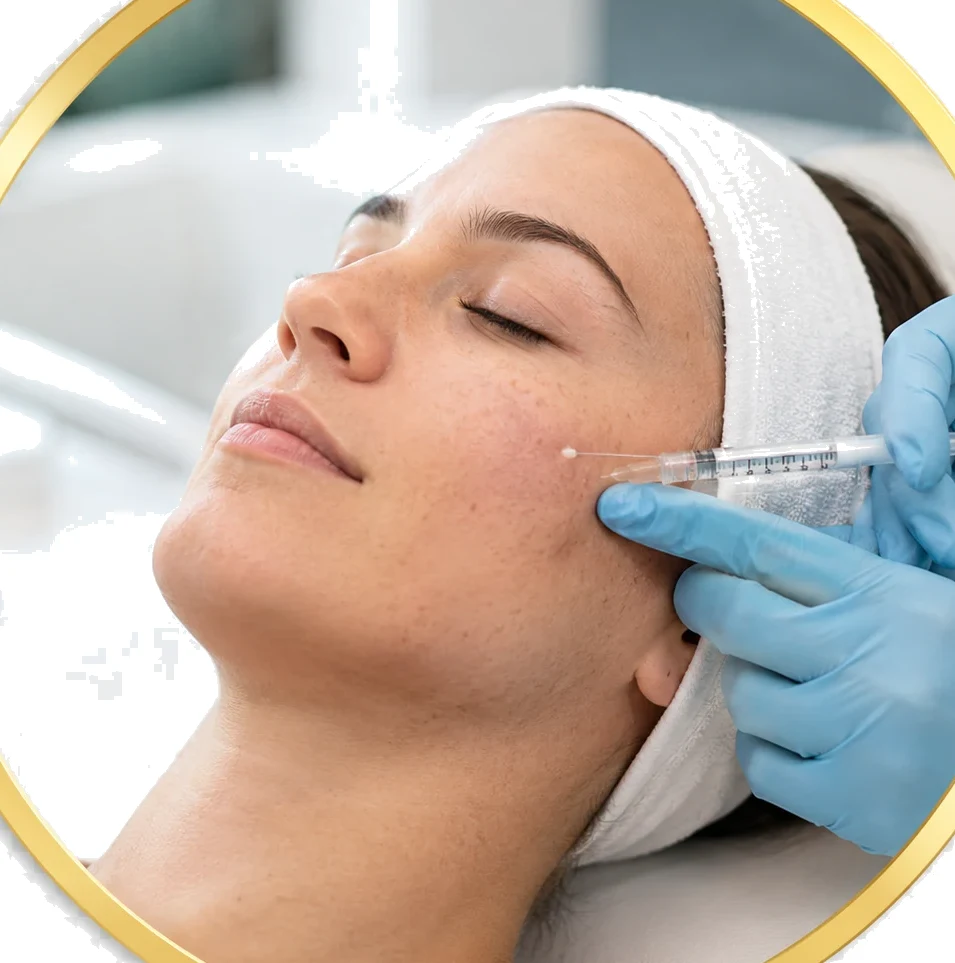
- Controlled microinjury: Microneedling creates thousands of micro-channels in the dermis, triggering the wound-healing cascade. Platelets release growth factors, fibroblasts migrate to the site, and new collagen is laid down as the tissue repairs.
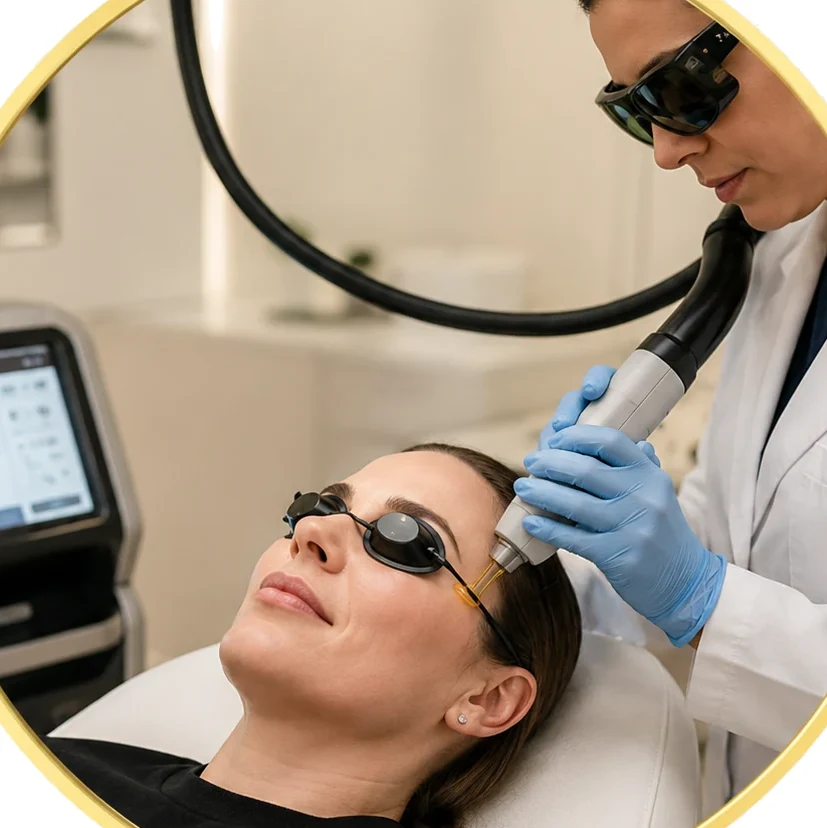
- Thermal energy: Radiofrequency, fractional lasers, and HIFU deliver heat to the dermis or deeper SMAS layer. Heat denatures existing collagen fibres, causing immediate contraction, and then stimulates a remodelling response over weeks to months.
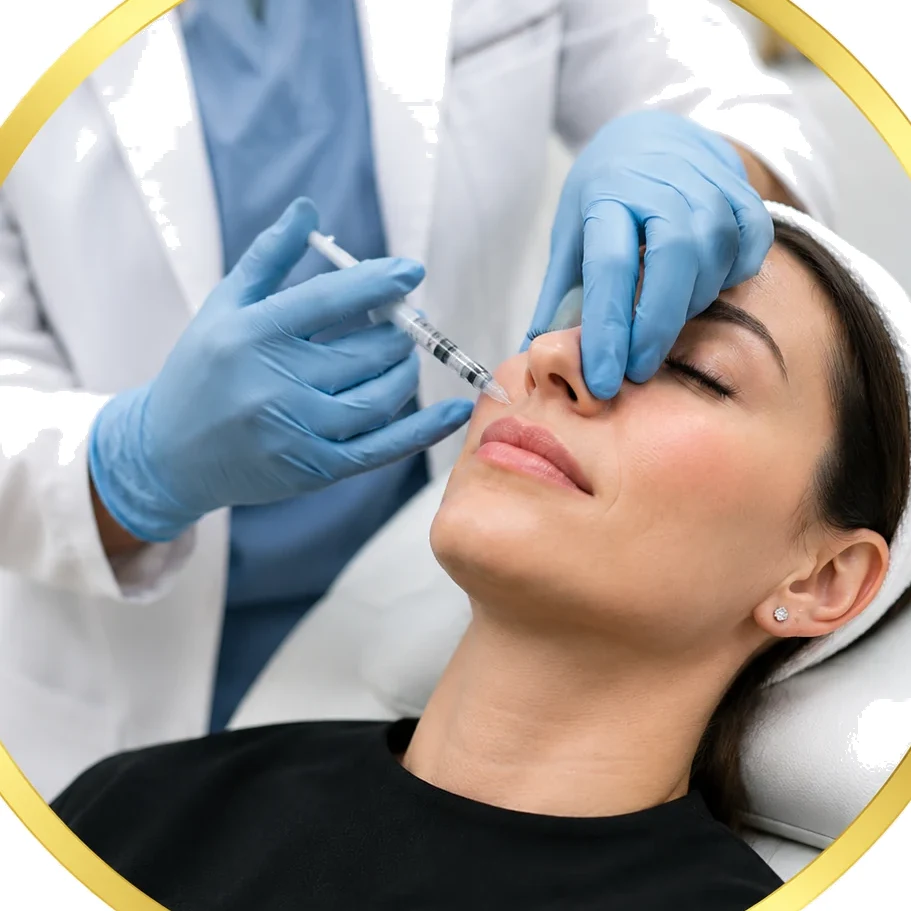
- Biochemical scaffolding: Biostimulatory injectables such as PLLA (Sculptra) and CaHA (Radiesse) act as physical scaffolds. They provoke a controlled inflammatory response and fibroblast recruitment, with new collagen gradually replacing the carrier as it is absorbed.
- Growth factor delivery: PRP (platelet-rich plasma) concentrates autologous growth factors that directly stimulate fibroblast activity and collagen synthesis.
The timeline follows from the mechanism. Thermal devices can produce some immediate tissue contraction, but the meaningful remodelling phase unfolds over 4–12 weeks. Biostimulatory injectables work more slowly still, with peak results often appearing at 3–6 months as the scaffold is replaced by native collagen. This is not a flaw in the treatment; it is how genuine neocollagenesis works.
Clinician-led treatments: what each option does, costs and suitability
Professional collagen boosting procedures form the backbone of any serious skin rejuvenation plan. Each modality targets fibroblasts through a different route, which is why the right choice depends on your skin concern, skin type, downtime tolerance, and budget.
Microneedling (collagen induction therapy)
Microneedling uses a device with fine needles to create controlled micro-channels at a precise depth in the dermis. It is well-suited to fine lines, acne scarring, uneven texture, and mild laxity. Downtime is typically a couple of days of redness. Most protocols involve multiple sessions spaced weeks apart, with results lasting several months. Typical UK cost ranges vary depending on the clinic. Suitable for most skin types, including darker Fitzpatrick types, with low risk of post-inflammatory hyperpigmentation.
RF microneedling (radiofrequency-assisted microneedling)
RF microneedling combines the microinjury of needling with targeted radiofrequency energy delivered directly into the dermis. The thermal component adds a tightening effect that standard microneedling cannot match, making it the preferred option for moderate laxity and deeper lines. Devices in this class (such as Morpheus8-type platforms) can reach the subdermal layer. Downtime lasts several days. A course of a few sessions is typical, with results building over several months and lasting over a year. Typical UK cost ranges vary by clinic. Generally safe across skin types when settings are adjusted appropriately.
Fractional lasers (ablative and non-ablative)
Ablative fractional lasers (CO₂ or Er:YAG) remove columns of skin tissue, triggering aggressive remodelling. They deliver the most dramatic results for deep lines, sun damage, and significant textural irregularity but carry a week or more of downtime and require careful skin-type assessment. Non-ablative fractional lasers heat the dermis without surface removal, offering a milder effect with few days downtime. Both types stimulate collagen remodelling through thermal injury. Sessions vary with lasting results ranging from months to years. Typical UK costs vary widely by type and treated area. Darker skin types require non-ablative protocols and experienced operators.
HIFU (high-intensity focused ultrasound)
HIFU delivers focused ultrasound energy to the SMAS layer, the same tissue plane addressed in surgical facelifts. It is the most effective non-surgical option for significant jowling and neck laxity. There is minimal surface downtime (mild swelling for 24–48 hours), though some patients experience temporary tenderness. A single session is often sufficient, with results appearing progressively over 3–6 months and lasting 12–18 months. Typical UK cost: £800–£2,500 depending on area and device. Best suited to adults with mild to moderate laxity; less effective for very loose skin.
Chemical peels (medium-depth TCA)
A trichloroacetic acid (TCA) peel at medium depth (typically 20–35%) creates a controlled chemical injury that stimulates dermal remodelling and collagen synthesis. It is particularly effective for fine lines, pigmentation, and surface texture. Downtime involves about a week of peeling and redness. One to two sessions per year is a common protocol. Typical UK costs vary. Requires careful skin-type assessment; darker skin tones carry a higher risk of post-inflammatory hyperpigmentation and should be assessed by an experienced clinician.
PRP (platelet-rich plasma)
PRP uses a small sample of your own blood, which is centrifuged to concentrate growth factors, then injected or micro-needled into the skin. The growth factors directly stimulate fibroblast activity. PRP is often combined with microneedling for synergistic effect. Results are gradual, appearing over 4–8 weeks, and typically require 3 sessions. Longevity is 12–18 months with maintenance. Typical UK cost: £250–£500 per session. Suitable for most skin types; contraindicated in certain blood disorders and active infection.
PDO threads
Polydioxanone (PDO) threads are inserted under the skin to provide immediate mechanical lift and, over time, stimulate collagen production as the thread is absorbed. Smooth threads are used for collagen stimulation in areas like the neck and décolletage; barbed threads provide lift. Results from collagen stimulation appear over 4–8 weeks and last 12–18 months. Typical UK cost: £400–£1,200 depending on thread type and area. Downtime lasts several days with possible swelling and bruising. Best suited to adults with mild to moderate laxity.
Skin boosters (Profhilo and similar)
Skin boosters such as Profhilo deliver highly purified hyaluronic acid into the dermis, stimulating fibroblasts and improving skin quality, hydration, and fine-line appearance. Unlike volumising fillers, they spread through the tissue rather than adding structural bulk. Explore the skin booster options at Nexgen Clinic for a detailed overview of what is available. A standard course is multiple sessions spaced weeks apart, with results lasting several months. Typical UK cost varies by clinic. Suitable for all skin types; minimal downtime (mild redness for 24 hours).
Biostimulatory injectables: PLLA, CaHA, and PCL
These agents are distinct from hyaluronic acid fillers. Rather than adding immediate volume, they promote type I and III collagen production through scaffold-mediated fibroblast activation. CaHA (Radiesse) also provides some immediate volumisation before the biostimulatory phase begins. Longevity varies by agent, with effects lasting over a year depending on the product. Typical UK costs vary by treatment and clinic; most protocols require multiple sessions. For a deeper look at injectable options, the injectables journal at Nexgen Clinic covers biostimulators and skin boosters in detail.
Treatment comparison at a glance
| Treatment | Best for | Downtime | Sessions | Typical Duration | Typical UK cost | Suitability | Evidence strength | Common side effects |
|---|---|---|---|---|---|---|---|---|
| Microneedling | Texture, fine lines, scars | A few days | Multiple sessions | Several months | Varies | All skin types | Strong | Redness, mild swelling |
| RF microneedling | Laxity, deeper lines | Several days | Few sessions | Over a year | Varies | All types (adjust settings) | Strong | Redness, swelling, bruising |
| Ablative fractional laser | Deep lines, sun damage | About a week or more | 1–2 | Long-lasting | Varies | Lighter skin types | Strong | Redness, crusting, PIH risk |
| Non-ablative fractional laser | Texture, mild lines | Few days | Multiple sessions | Over a year | Varies | Most types | Moderate–strong | Redness, mild swelling |
| HIFU | Jowling, neck laxity | Minimal downtime | Single session | Over a year | Varies | Mild–moderate laxity | Moderate–strong | Tenderness, swelling |
| TCA peel (medium) | Lines, pigmentation, texture | About a week | Occasional sessions | Over a year | Varies | Lighter–medium tones | Moderate | Peeling, redness, PIH risk |
| PRP | Overall quality, texture | Minimal downtime | Multiple sessions | Over a year | Varies | All skin types | Moderate | Bruising, swelling |
| PDO threads | Mild laxity, lift | Several days | Few sessions | Over a year | Varies | Mild–moderate laxity | Moderate | Bruising, swelling, asymmetry |
| Skin boosters | Hydration, skin quality | Minimal downtime | Multiple sessions | Several months | Varies | All skin types | Moderate–strong | Redness, small bumps |
| PLLA (Sculptra) | Volume loss, structural | Minimal downtime | Several sessions | Over a year | Varies | Most adults | Strong | Nodules (if diluted poorly), bruising |
| CaHA (Radiesse) | Volume + biostimulation | Minimal downtime | Few sessions | Over a year | Varies | Most adults | Strong | Bruising, swelling |
| PCL biostimulator | Long-term remodelling | Minimal downtime | Few sessions | Long-lasting | Varies | Most adults | Moderate–strong | Bruising, swelling |
Which topical products and lifestyle habits genuinely support collagen?
Topicals and lifestyle measures are supportive, not transformative on their own. Combined with clinic treatments, they extend results and protect the investment you make in your skin.
Evidence ratings for topical actives:
- Topical retinoids (tretinoin, retinol): Strong evidence. Retinoids increase collagen gene expression and inhibit matrix metalloproteinases (enzymes that degrade collagen). Prescription tretinoin has the strongest data; over-the-counter retinol formulations are effective at adequate concentrations.
- Topical vitamin C (L-ascorbic acid): Moderate–strong evidence. Vitamin C is a co-factor in collagen synthesis and a potent antioxidant that neutralises UV-generated free radicals. Stable formulations at 10–20% concentration are most effective.
- Peptides (signal peptides, matrikines): Moderate evidence. Certain peptides signal fibroblasts to produce collagen; evidence is growing but less robust than for retinoids.
- Broad-spectrum SPF 30+ sunscreen: Strong evidence. UV radiation is the single largest external driver of collagen degradation. Daily sunscreen use is the most cost-effective collagen-protective measure available.
- Ingestible collagen peptides: Mixed evidence. Oral collagen supplements may support skin hydration and texture, but evidence for meaningful deep structural remodelling remains limited compared with topical actives and clinic procedures.
Lifestyle factors with clinical relevance:
Adequate dietary protein and vitamin C intake provide the raw materials for collagen synthesis. Smoking is one of the most potent accelerants of collagen degradation, reducing dermal vascularity and generating oxidative stress. Sleep and regular exercise support growth hormone secretion, which in turn promotes tissue repair. Minimising cumulative UV exposure, even on overcast days, remains the single most impactful lifestyle decision for long-term collagen preservation.
A note on collagen masks: viral collagen mask trends deliver surface glow through transient hydration, not histological neocollagenesis. They are pleasant to use but should not be confused with treatments that rebuild the dermis.
Pro Tip: Apply your vitamin C serum in the morning under SPF, and your retinoid at night. This pairing addresses both collagen synthesis and UV-driven degradation, the two sides of the same problem.
How do you choose the right treatment for your skin?
Start with your primary concern and your downtime tolerance. Texture and fine lines point towards microneedling or fractional lasers. Significant laxity calls for RF microneedling, HIFU, or biostimulatory injectables. Volume loss requires a biostimulator or a combination approach. If you have no downtime, skin boosters, PRP, or biostimulatory injectables are the logical starting point.
Consultation checklist — what to cover with your clinician:
- Full medical history, including medications, autoimmune conditions, and history of keloid scarring
- Skin analysis to assess Fitzpatrick type, degree of laxity, and active conditions
- Realistic expectations: when results appear, how long they last, and what maintenance looks like
- Before-and-after documentation and a written treatment protocol
- Staged plan if combining modalities, with clear intervals between treatments
- Aftercare instructions provided in writing before you leave the clinic
Red flags to watch for:
- Guarantees of specific outcomes or dramatic before-and-after claims without documented protocols
- No medical oversight or clinician assessment before treatment
- Biostimulatory injectables offered without discussion of dilution technique and nodule risk
- No written aftercare instructions or emergency contact details
- Pressure to book multiple sessions upfront before any assessment
Decision guide by goal:
| Goal | Recommended first-line options |
|---|---|
| Firmer, tighter skin | RF microneedling, HIFU, PLLA/CaHA biostimulators |
| Improved texture and fine lines | Microneedling (CIT), fractional laser, TCA peel |
| Volume restoration | PLLA (Sculptra), CaHA (Radiesse), PDO threads |
| Overall skin quality | Skin boosters, PRP, topical retinoids + vitamin C |
Pro Tip: Ask your clinician specifically about their training in biostimulatory injectables. Proper dilution technique for PLLA is critical to avoiding nodule formation. A well-trained practitioner will explain their protocol without hesitation. Nexgen Clinic's practitioners hold recognised credentials; the Aesthetic Career Academy also trains practitioners to these standards.
What results should you expect, and what does it cost in the UK?
Most non-surgical collagen boosting procedures show progressive results rather than immediate transformation. Energy devices can produce some immediate tissue contraction, but the meaningful remodelling phase unfolds over 4–12 weeks. Biostimulatory injectables typically reach peak effect at 3–6 months as new collagen replaces the absorbed scaffold.
Approximate UK cost brackets by modality:
- Entry level (£150–£400 per session): Standard microneedling, TCA peels, PRP
- Mid-range (£400–£900 per session): RF microneedling, skin boosters, PDO threads, PLLA/CaHA injectables
- Premium (£800–£2,500 per session): HIFU, ablative fractional CO₂ laser
Result timeline in plain terms:
- Immediately after treatment: Possible mild contraction (energy devices), temporary redness and swelling across most modalities
- 4–12 weeks: Visible texture improvement from microneedling and lasers; early collagen deposition from biostimulators
- 3–6 months: Peak results from biostimulatory injectables and HIFU; continued improvement from RF microneedling
- 12–24 months: Sustained results from PLLA and PCL biostimulators; maintenance sessions typically recommended at this point
Clinician skill, product quality, the area treated, and individual healing capacity all influence both timing and outcome. Cost ranges reflect the UK market broadly; London clinics typically sit at the higher end of each bracket. Always obtain a written cost estimate at consultation, including the full recommended course, not just a single session price.
This article provides general information only and is not a substitute for professional medical advice. Always consult a qualified clinician before beginning any treatment.
Safety, side effects and what you need to know about UK regulation
Collagen stimulating treatments are safe when delivered by trained clinicians using appropriate protocols. The most common side effects across all modalities are transient: redness, swelling, and bruising that typically resolve within a few days.
Safety essentials:
- Immediately after treatment: Avoid direct sun exposure, heavy exercise, and active skincare ingredients (retinoids, AHAs) for at least 48–72 hours
- Signs of complication: Increasing pain, warmth, or discharge after 48 hours may indicate infection; persistent nodules after biostimulatory injectables warrant prompt review
- Vascular events (rare): Any blanching, mottled skin, or sudden visual changes after injectable treatments require immediate medical attention; attend A&E or call 999
- Persistent nodules: Can occur with PLLA if dilution technique is inadequate; managed by hyaluronidase (for HA-based products) or specific protocols for PLLA
UK regulatory context: The Medicines and Healthcare products Regulatory Agency (MHRA) regulates medical devices used in aesthetic treatments, including laser and energy-based devices, and oversees the licensing of injectable products. From 2022, the UK government introduced new regulations requiring that certain aesthetic procedures, including the use of botulinum toxin and dermal fillers, be performed only by regulated healthcare professionals. Always verify that your clinician is registered with a recognised professional body (GMC, NMC, GDC, or equivalent) and that any device or injectable used holds appropriate UK market authorisation.
Contraindications to discuss with your clinician:
- Active skin infection or inflammatory skin condition in the treatment area
- Pregnancy or breastfeeding
- History of keloid or hypertrophic scarring
- Certain autoimmune conditions or immunosuppressive medications
- Blood-thinning medications (relevant for injectable and needling treatments)
Darker Fitzpatrick skin types (IV–VI) require specific protocols for lasers and peels to minimise the risk of post-inflammatory hyperpigmentation. This is a clinical decision, not a contraindication, but it underscores why operator experience matters.
How a personalised collagen treatment plan works at Nexgen Clinic
A clinician-led pathway begins with assessment, not assumptions. At Nexgen Clinic, the process typically follows these stages:
- Initial consultation and AI-assisted skin analysis: Advanced imaging and skin analysis technology maps skin quality, laxity, pigmentation, and texture objectively, rather than relying on visual assessment alone. This creates a baseline against which results can be measured.
- Treatment selection and combination planning: The clinician reviews the analysis alongside your medical history, concerns, and lifestyle to propose a modality or combination. For example, a patient with moderate laxity and textural concerns might be recommended a course of RF microneedling followed by a skin booster, with a topical retinoid programme at home.
- Consent and staging: A written treatment plan, cost estimate, and consent process are completed before any procedure. Combination treatments are staged, to allow adequate healing intervals.
- Aftercare and review: Written aftercare instructions are provided at every appointment. A review point is scheduled to assess response and adjust the plan if needed.
Nexgen Clinic's signature treatment programmes are designed around exactly this kind of staged, multimodal approach, combining regenerative science with personalised assessment for natural-looking results.
This example is for illustration only. Individual plans vary based on clinical assessment.
Key takeaways
The most effective collagen stimulating treatments are clinician-led, evidence-backed procedures that trigger genuine dermal remodelling through microinjury, thermal energy, or biochemical scaffolding.
| Point | Details |
|---|---|
| Biostimulatory injectables last longest | PLLA lasts 18–24 months, CaHA 12–18 months, and PCL offers up to or beyond 24 months of effect according to systematic review evidence. |
| Match treatment to your primary concern | Laxity responds best to RF microneedling or HIFU; texture to microneedling or lasers; volume loss to PLLA or CaHA. |
| Topicals support but do not replace clinic treatment | Retinoids and vitamin C have strong evidence for collagen support; combine them with clinic procedures for best results. |
| Check UK regulatory compliance | Verify your clinician is registered with the GMC, NMC, or GDC, and that devices and injectables hold MHRA authorisation. |
| Nexgen Clinic offers a personalised pathway | AI-assisted skin analysis and clinician-led planning at Nexgen Clinic help match the right treatment to your skin's specific needs. |
A clinician's perspective on realistic outcomes
There is a tendency in aesthetic medicine to present collagen treatments as a single-session fix, and that framing does patients a disservice. The reality is that genuine neocollagenesis takes time. The patients who see the most satisfying, lasting results are those who commit to a staged plan, maintain it with appropriate topicals, and return for timely maintenance sessions rather than waiting until results have fully faded.
Combination approaches are where the real gains lie. Pairing an energy device with a biostimulatory injectable, for instance, addresses both the structural scaffold and the surface quality simultaneously. Neither alone achieves what both together can. The same logic applies to homecare: a well-chosen retinoid and vitamin C routine does not replace a clinic treatment, but it meaningfully extends the results of one.
Conservative, staged treatment also carries a better safety profile. Starting with a lower-energy protocol, assessing the response, and building from there is far preferable to an aggressive single session that risks prolonged downtime or complications. Patience, in this context, is a clinical virtue.
Considering a personalised collagen treatment plan?
Knowing which treatments work is one thing. Knowing which is right for your skin, your age, your concerns, and your schedule is where a clinician makes the difference.
Nexgen Clinic in Cambridge offers a structured first consultation that includes AI-powered skin analysis, a full clinical assessment, and a written treatment plan with clear cost estimates. There is no pressure to proceed on the day; the consultation is designed to give you the information you need to make a confident decision. Clinician oversight, written aftercare, and a clear follow-up plan are standard at every appointment.
Whether you are considering your first collagen-stimulating treatment or reviewing a plan that has not delivered the results you hoped for, a second clinical opinion grounded in objective skin analysis is a sound starting point. Book a consultation at Nexgen Clinic or browse the full range of clinician-led treatments to see what is available.
Useful sources and further reading
- Collagen biochemistry and structure (NCBI Bookshelf) — Authoritative overview of collagen types, synthesis, and dermal structure.
- Injectable biostimulators in regenerative aesthetics (Springer) — Clinical applications and synergistic approaches for injectable biostimulators.
- PMC: skin ageing and collagen remodelling — Peer-reviewed research on dermal ageing mechanisms and treatment responses.
- Nexgen Clinic treatments overview — Clinician-led collagen and rejuvenation treatments available in Cambridge.
FAQ
What treatments most reliably stimulate collagen?
RF microneedling, HIFU, fractional lasers, and biostimulatory injectables (PLLA, CaHA, PCL) have the strongest clinical evidence for genuine dermal remodelling. Standard microneedling and PRP are effective, lower-downtime options for texture and skin quality.
How much do collagen stimulating treatments cost in the UK?
Costs range from approximately £150 per session for standard microneedling and TCA peels to £800–£2,500 for HIFU and ablative fractional lasers. Biostimulatory injectables typically cost £400–£900 per session, with most protocols requiring 2–3 sessions and durability ranging by agent: PLLA 18–24 months, CaHA 12–18 months, PCL up to or beyond 24 months.
How long does it take to see results from collagen treatments?
Energy devices can show early improvement within 4–12 weeks; biostimulatory injectables typically reach peak effect at 3–6 months as new collagen replaces the absorbed scaffold. Results from PLLA can last 18–24 months; CaHA typically lasts 12–18 months, while PCL reaches up to or beyond 24 months.
Do collagen stimulating injections actually work?
Yes, with strong clinical evidence. A systematic review of 42 studies confirmed that PLLA, CaHA, and PCL biostimulators promote type I and III collagen production, with PLLA lasting 18–24 months, CaHA 12–18 months, and PCL up to or beyond 24 months.
What are the best ways to support collagen at home?
Daily broad-spectrum SPF, a topical retinoid, and a stable vitamin C serum form the most evidence-backed home routine. These support and extend the results of clinic treatments but cannot replicate the dermal remodelling that professional procedures achieve.
Recommended
- Skin Boosters in Cambridge | Deep Skin Hydration | NexGen Clinic
- Precision Treatments | NexGen Clinics
- Skin Boosters in Cambridge | NexGen Clinic
- Dermal Fillers in Cambridge | Natural Facial Contouring | NexGen Clinic
Explore related NexGen treatments
- Explore our full treatment menu
- Book a consultation with our clinicians
- Contact our Cambridge team
- Read more articles in the NexGen Journal
Ready to explore your options?
Speak with a NexGen clinician for a personalised consultation. We’ll listen, assess, and recommend the safest and most effective route — always led by evidence, always tailored to you.
Book a consultation or get in touch with our Cambridge team.