
Effective double chin treatment without surgery comes down to matching the right technique to your anatomy. For a fat-dominant submental pad, fat-dissolving injections (deoxycholic acid) or cryolipolysis are the most clinically supported options. When skin laxity is the primary driver, HIFU/Ultherapy or radiofrequency tightening produce the most meaningful improvement. Mixed cases, where both excess fat and loose skin are present, respond best to a staged plan: reduce fat first, then address laxity. Dermal fillers and PDO thread lifts offer immediate contouring and lift without touching fat volume at all. Lymphatic drainage and facial exercises can support results but cannot replace clinical treatment when the cause is structural.
At a glance:
- Fat reduction: deoxycholic acid injections or cryolipolysis; permanent fat cell loss, gradual timeline
- Skin tightening: HIFU/Ultherapy or radiofrequency; progressive collagen remodelling over months
- Contouring: dermal fillers or PDO threads; immediate to gradual shape improvement
- Adjuncts: lymphatic drainage, facial exercises; supportive only
Pro Tip: Before booking any treatment, identify whether your concern is mainly fat, loose skin, or both. A clinician who skips this assessment and goes straight to recommending a package is a red flag.
Table of Contents
- What are the main non-surgical treatments for a double chin?
- How do you choose the right treatment for your anatomy?
- What results and timelines can you realistically expect?
- How do UK regulations protect you when choosing a clinic?
- What happens at your consultation, during treatment, and afterwards?
- Can you combine treatments, and when is surgery the better option?
- Key takeaways
- A practitioner's perspective on personalised treatment planning
- Nexgen Clinic's approach to non-surgical chin treatment
- Useful sources
- FAQ
What are the main non-surgical treatments for a double chin?
Each option works through a distinct mechanism, which is why the same treatment can produce excellent results for one person and disappointing ones for another.
Deoxycholic acid (fat-dissolving injections)
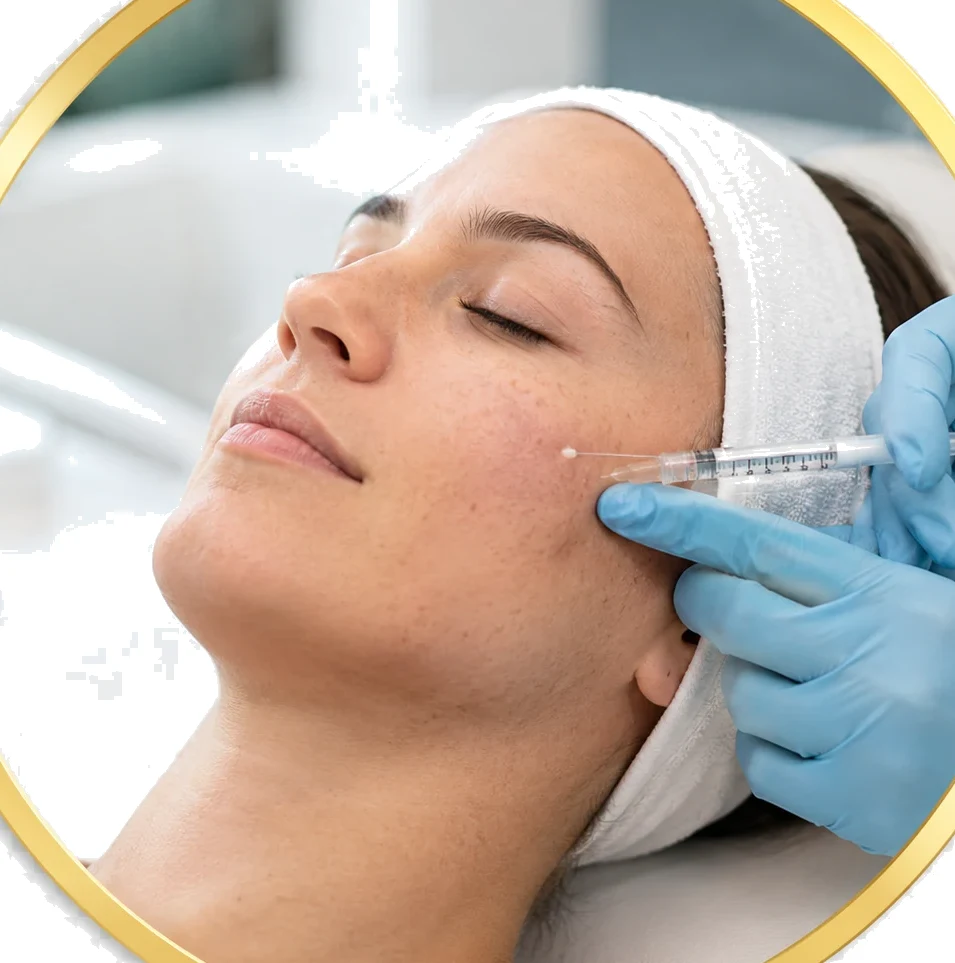
Deoxycholic acid is a naturally occurring bile acid that, when injected into submental fat, disrupts adipocyte cell membranes and triggers permanent fat cell destruction. The body then clears the debris gradually over several weeks. A typical course involves two to four sessions spaced four to six weeks apart, with visible improvement appearing around four to twelve weeks after completing the course. Post-treatment swelling is significant and can temporarily make the area look larger before it settles. Injectable deoxycholic acid (ATX-101) is the most extensively studied non-surgical treatment for submental fullness, with patient satisfaction rates consistently reported to be high. It suits people with a small-to-moderate, pinchable fat pad and good skin elasticity.
Cryolipolysis (fat freezing)
Cryolipolysis works by cooling fat cells to a temperature that triggers crystallisation and natural cell death, without harming surrounding tissue. Results appear gradually over two to four months as the body processes and eliminates the destroyed cells. One to two sessions are typical for the submental area, and the technique suits slightly larger, pinchable fat pads. A rare but important complication is paradoxical adipose hyperplasia (PAH), where the treated area enlarges rather than shrinks. PAH is uncommon but requires surgical correction, so choosing a qualified practitioner matters.
HIFU and Ultherapy
High-intensity focused ultrasound (HIFU), delivered through devices such as Ultherapy, targets the deeper structural layers of the skin with focused energy. This stimulates collagen remodelling and gradual tissue tightening over three to six months. HIFU is best suited to people whose primary concern is skin laxity rather than a large fat pad. There is minimal downtime, though the treatment can be uncomfortable during delivery. Results continue to develop for up to six months after a single session.
Radiofrequency skin tightening
Radiofrequency (RF) devices heat the deeper dermis and subcutaneous tissue to stimulate collagen production. The effect is more modest than HIFU and typically requires a course of four to six sessions. RF is well-suited to milder laxity and is often used as a maintenance treatment after more intensive procedures. Downtime is minimal, and the treatment is generally comfortable.
Dermal fillers and chin contouring
Dermal fillers placed along the jawline and chin do not remove fat. Instead, they rebalance facial proportions visually, making the jaw appear more defined and reducing the perceived prominence of the submental area. Results are immediate, with full settling over one to two weeks. Longevity is typically 12–18 months, after which repeat treatment is needed to maintain the effect.
PDO thread lifts
PDO (polydioxanone) threads are inserted under the skin to provide immediate mechanical lift and stimulate collagen over the following months. They sit between non-invasive and surgical options in terms of effect and recovery. The collagen benefit develops over six to twelve months as the threads dissolve.
Lymphatic drainage and facial exercises
Lymphatic drainage massage can reduce fluid retention and puffiness in the submental area, which is useful as an adjunct but does not address structural fat or skin laxity. Facial exercises and neck movements similarly offer modest toning benefits. Neither replaces clinical treatment when the cause is a true fat pad or significant skin looseness.
Comparison of non-surgical options
| Method | Best for | Typical sessions | Visible results | Downtime | Typical UK cost range | Common side effects |
|---|---|---|---|---|---|---|
| Deoxycholic acid injections | Small-to-moderate fat pad | 2–4 | 4–12 weeks post-course | Several days of swelling | £600–£2,000 | Swelling, bruising, numbness |
| Cryolipolysis | Larger pinchable fat pad | 1–2 | 2–4 months | Minimal to none | £500–£1,500 | Redness, temporary numbness, rare PAH |
| HIFU/Ultherapy | Skin laxity | 1–2 | 3 months | Minimal | £800–£2,500 | Temporary tenderness, redness |
| Radiofrequency | Mild laxity, maintenance | 4– | 2–4 months | None | £200–£600 | Mild redness, warmth |
| Dermal fillers | Contouring, jaw definition | 1 | Immediate | Minimal | £300–£800 | Bruising, swelling |
| PDO thread lift | Lift and early laxity | 1 | Immediate + 12 months | 2–5 days | £500–£2,000 | Bruising, thread visibility |
| Lymphatic drainage | Puffiness, adjunct support | Multiple | Days | None | £60–£150 | None significant |
Pro Tip: Cryolipolysis favours larger, pinchable fat pads; deoxycholic acid suits smaller, more stubborn pockets where precision matters. Anatomy, not preference, should drive the choice.
How do you choose the right treatment for your anatomy?
The most common mistake people make is choosing a treatment based on what they have read about rather than what their anatomy actually requires. A structured self-assessment before your consultation will help you arrive with the right questions.
Self-assessment checklist
- Is my concern mainly fat, loose skin, or both? Pinch the skin under your chin. If there is a substantial pinchable pad, fat reduction is likely the priority. If the skin feels thin but hangs loosely, laxity is the driver.
- How much improvement am I expecting? Non-surgical options produce gradual, moderate improvement. Significant volume or severe laxity may require a surgical conversation.
- Is my weight stable? Fat-destroying treatments produce permanent cell loss, but remaining fat cells can expand with weight gain. Stable weight is important for lasting results.
- What downtime can I tolerate? Deoxycholic acid injections cause several days of noticeable swelling. HIFU and RF have virtually none.
- What is my timeline? If you have an event in six weeks, HIFU is unlikely to show full results in time. Fillers offer immediate change; fat reduction takes months.
Questions to ask at consultation
- What are your qualifications, and are you registered with the GMC or Nursing and Midwifery Council?
- How do you assess submental anatomy before recommending a treatment?
- How many sessions do you recommend, and why?
- Can I see before-and-after photos of patients with similar anatomy?
- What is your consent and aftercare process?
- What happens if I experience a complication?
Red flags to watch for
- Guarantees of instant or dramatic results from non-surgical treatment
- No formal consultation before recommending a package
- Pressure to purchase a full course on the first visit
- No mention of CQC registration, JCCP, or Save Face membership
- Clinician unable to explain the mechanism of the treatment they are recommending
Pro Tip: Ask specifically who will perform the procedure. In some clinics, the person who consults is not the person who treats. The injecting or treating clinician's qualifications are what matter most.
A practical guide on choosing an aesthetic clinic can help you prepare the right questions before you book.
What results and timelines can you realistically expect?
Non-surgical treatments are not instant. Understanding the timeline for each method prevents disappointment and helps you plan around events or commitments.
- Deoxycholic acid injections: Swelling peaks in the first week and can be significant. Gradual improvement becomes visible from four weeks post-treatment, with full results typically apparent at 12 weeks after completing a course of two to four sessions.
- Cryolipolysis: No immediate visible change. Fat clearance is gradual, with results appearing over two to four months as the body processes destroyed cells.
- HIFU/Ultherapy: Progressive collagen remodelling means results build over three to six months. A single session is often sufficient, with a second considered at six months if needed.
- Radiofrequency: Modest tightening develops over a course of four to six sessions, with cumulative improvement visible at two to four months.
- Dermal fillers: Immediate effect, with full settling at one to two weeks. Longevity is typically 12–18 months.
- PDO threads: Immediate mechanical lift, with collagen benefit developing over six to twelve months as threads dissolve.
Typical UK cost ranges
| Treatment | Typical UK cost range | Sessions needed | Longevity of results |
|---|---|---|---|
| Deoxycholic acid (course) | £600–£2,000 | 2–4 | Permanent (weight-dependent) |
| Cryolipolysis | £500–£1,500 | 1–2 | Permanent (weight-dependent) |
| HIFU/Ultherapy | £800–£2,500 | 1–2 | 12–18 months |
| Radiofrequency | £200–£600 | 4– | 12 months |
| Dermal fillers | £300–£800 | 1 | 12–18 months |
| PDO thread lift | £500–£2,000 | 1 | 12–18 months |
Prices vary by clinic location, device model, practitioner seniority, and whether treatments are purchased as part of a combination package. London and Cambridge clinics typically sit at the higher end of these ranges.
Worth knowing: Destroyed fat cells do not regenerate, but remaining fat cells can expand with significant weight gain. Maintaining a stable weight after fat-reduction treatment is the single most important factor in preserving long-term results.
How do UK regulations protect you when choosing a clinic?
The NHS does not routinely fund cosmetic aesthetic procedures, which means the private sector carries the responsibility for patient safety. Regulation in this space is a mix of statutory requirements and voluntary accreditation, and knowing the difference matters.
Key UK trust signals to verify
- CQC registration: In England, clinics performing surgical or minimally invasive procedures must be registered with the Care Quality Commission (CQC). Check the CQC register before booking.
- JCCP membership: The Joint Council of Cosmetic Practitioners (JCCP) is a voluntary register that sets standards for non-surgical cosmetic practitioners. Membership signals a commitment to ongoing training and accountability.
- Save Face accreditation: Save Face is a government-approved register of practitioners and clinics. Accredited members have been assessed against patient safety standards.
- GMC or NMC registration: Any clinician injecting prescription-only medicines (including deoxycholic acid) must be a registered prescriber, typically a doctor (GMC-registered) or an independent prescriber nurse (NMC-registered).
- Clear consent process: A reputable clinic provides written information before treatment, a cooling-off period, and documented consent.
- Before-and-after evidence: Genuine, unfiltered before-and-after photos from the clinic's own patients are a meaningful indicator of realistic outcomes.
Common risks across treatments
Non-surgical does not mean without risks. Across the main options, risks include swelling, bruising, temporary numbness, and uneven results from incorrect injection placement. Cryolipolysis carries a small risk of paradoxical adipose hyperplasia (PAH), which requires surgical correction. HIFU can cause temporary tenderness and, rarely, nerve irritation. All of these risks are significantly reduced by choosing a qualified, experienced practitioner who conducts a thorough anatomical assessment.
Pro Tip: Ask the clinic for their written complication management protocol and confirm they hold appropriate indemnity insurance. A confident, reputable clinic will share this without hesitation.
Statistic: A systematic review of ATX-101 (injectable deoxycholic acid) found consistent evidence of efficacy for submental fullness, with patient satisfaction rates reported between 67% and 86% across studies. These figures reflect outcomes in clinical trial settings with qualified practitioners.
What happens at your consultation, during treatment, and afterwards?
Knowing what to expect at each stage reduces anxiety and helps you give genuinely informed consent.
At consultation
- Your clinician takes a full medical history, including medications, allergies, and any previous aesthetic treatments.
- Standardised photographs are taken from multiple angles.
- The clinician assesses submental fat volume and skin laxity, often by palpation and measurement.
- A bespoke treatment plan is discussed, including the recommended method, number of sessions, expected timeline, and total cost.
- You receive written information and a consent form. A reputable clinic allows time to consider before you sign.
During a fat-dissolving injection session
A topical numbing cream is applied for 20–30 minutes before treatment. The clinician marks a grid of injection points across the submental fat pad and delivers small amounts of deoxycholic acid at each point. The session typically takes 20–30 minutes. Stinging and heat are normal during injection. Swelling begins within hours and peaks over the first few days.
During a cryolipolysis session
A protective gel pad is placed on the skin, and the applicator is positioned over the submental area. Controlled cooling is applied for around 35–45 minutes. You may feel intense cold and pressure initially, which usually subsides as the area numbs. Redness and temporary numbness are normal immediately after.
During HIFU or radiofrequency treatment
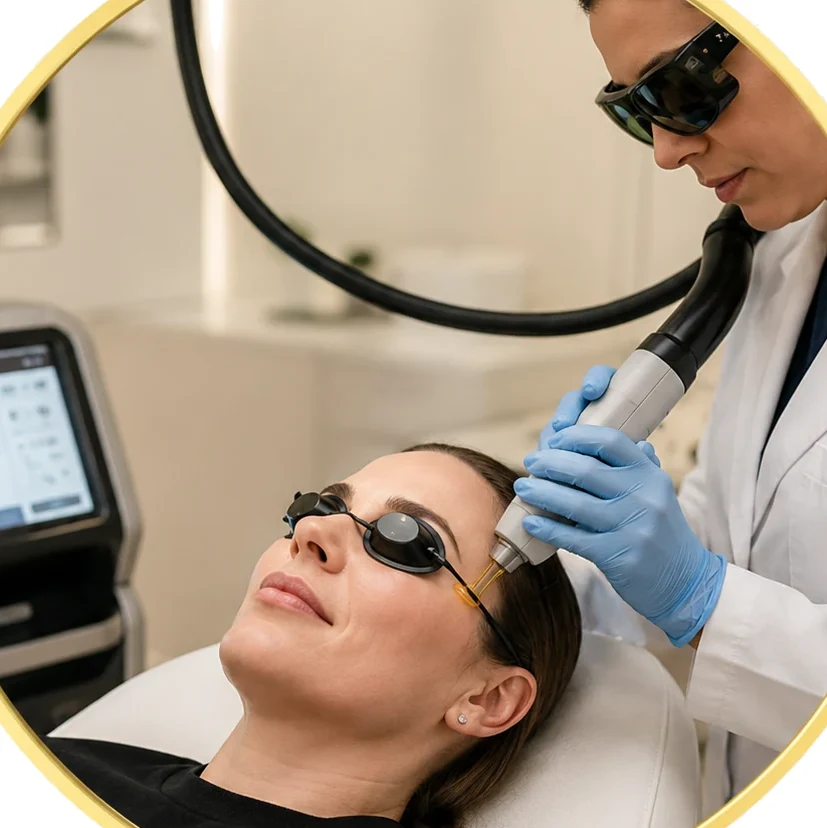
Both treatments are performed with a handheld device moved across the skin. HIFU can produce a sharp, deep sensation as energy is delivered; RF is generally more comfortable. Sessions last 30–60 minutes. No numbing is typically required for RF; HIFU practitioners may offer topical anaesthetic.
Aftercare
- Keep the treated area clean and avoid touching or massaging it unless specifically advised by your clinician.
- Avoid strenuous exercise, alcohol, and excessive heat (saunas, hot baths) for 24–48 hours after injections or HIFU.
- Apply cold compresses gently to manage swelling after fat-dissolving injections.
- Attend all follow-up appointments and report any concerns promptly.
Warning signs that need urgent review
- Severe asymmetry that worsens rather than improves after the initial swelling phase
- Prolonged or worsening numbness beyond four weeks
- Signs of infection: increasing redness, warmth, discharge, or fever
- Unexpected persistent enlargement of the treated area after cryolipolysis (possible PAH)
Can you combine treatments, and when is surgery the better option?
Combining treatments can produce better outcomes than any single method alone, but sequencing matters.
The staged combination roadmap
- Step 1: Reduce fat first using deoxycholic acid injections or cryolipolysis. Allow full fat clearance (typically three to four months) before assessing the result.
- Step 2: Reassess skin laxity once fat reduction is complete. Removing fat from very lax skin can worsen the appearance of looseness if tightening is not planned.
- Step 3: If laxity remains, add HIFU, radiofrequency, or PDO threads to tighten and lift.
- Step 4: Consider dermal fillers for final jawline definition and contouring once volume and laxity are addressed.
Staged combination plans are the clinically sensible approach for mixed-driver cases. Attempting aggressive skin tightening over a large residual fat pad tends to produce poor contour results and increases patient dissatisfaction.
When to consider a surgical consultation
Non-surgical options have real limits. If you have a large fat volume that would require many sessions to address, or significant skin laxity with poor elasticity, a surgical consultation with a plastic surgeon is worth considering. Liposuction or a neck lift is likely to produce a more substantial and durable result in these cases. A good non-surgical practitioner will tell you honestly when surgery is the more appropriate route.
What home remedies and natural approaches can realistically achieve
Facial exercises, lymphatic drainage massage, and dietary changes can reduce puffiness and support overall facial tone. They cannot destroy fat cells or tighten structurally lax skin. If your double chin is primarily driven by a true fat pad or skin looseness, home remedies will not produce meaningful structural change. They are useful as maintenance adjuncts after clinical treatment, not as replacements for it.
Pro Tip: Allow at least three to four months after fat-reduction treatment before booking a tightening procedure. Assessing laxity over residual fat gives an inaccurate picture and can lead to unnecessary additional treatment.
Key takeaways
Non-surgical double chin reduction works best when the treatment is matched precisely to the underlying anatomy: fat-dominant cases need fat destruction, laxity-dominant cases need collagen stimulation, and mixed cases need a staged plan.
| Point | Details |
|---|---|
| Match treatment to anatomy | Fat-dominant: injections or cryolipolysis. Laxity-dominant: HIFU or RF. Mixed: staged approach, fat first. |
| Expect gradual results | Most non-surgical treatments take months for full results; fillers are the exception with immediate effect. |
| Verify clinic credentials | Check CQC registration, JCCP or Save Face membership, and GMC or NMC registration for injecting clinicians. |
| Plan staged combinations | Treat fat before tightening; assessing laxity over residual fat leads to suboptimal outcomes. |
| Maintain weight for lasting results | Destroyed fat cells do not return, but remaining cells can expand; weight stability protects long-term outcomes. |
| Nexgen Clinic | Offers AI-assisted anatomical assessment and medically led, bespoke staged plans for non-surgical chin reduction. |
A practitioner's perspective on personalised treatment planning
The most common reason non-surgical chin treatments underdeliver is not the technology. It is the assessment that precedes it.
When someone arrives at a clinic asking about a double chin, the first question is not "which treatment?" but "what is actually driving this?" A small, firm, pinchable pad in someone with good skin elasticity is a very different clinical picture from a soft, diffuse fullness in someone whose skin has lost significant tone. Treating both with the same protocol is how you get mediocre results and disappointed patients.
What has changed the quality of assessment considerably is AI-assisted skin analysis. At Nexgen Clinic, the AI skin diagnostic technology allows a more objective baseline measurement of skin quality, laxity, and fat distribution before any plan is discussed. That data shapes the recommendation, not the other way around. It also gives patients something concrete to look at, which tends to improve understanding and consent quality.
The staged approach is not just clinically sensible; it is also more honest. Telling someone they need fat reduction first, then a reassessment, and possibly a tightening step three months later is a longer conversation than selling a single package. But it is the conversation that leads to outcomes patients are actually satisfied with. The satisfaction range reported in systematic reviews for deoxycholic acid reflects clinical trial conditions with proper patient selection. In practice, satisfaction is higher when the right patient gets the right treatment.
Maintenance matters too. Patients who maintain a stable weight and return for periodic touch-ups, whether a single RF session or a filler refresh, tend to sustain their results far longer than those who treat it as a one-off procedure.
Nexgen Clinic's approach to non-surgical chin treatment
Nexgen Clinic's non-surgical chin reduction consultations begin with AI-powered skin analysis and a thorough anatomical assessment before any treatment is recommended, a process supported by cheap websites for beauticians and salons that help clinics modernise their patient-facing operations. Medically led by qualified clinicians, the process maps fat volume, skin laxity, and facial proportions to build a bespoke staged plan, whether that means a course of fat-dissolving injections, a combination programme, or a referral where surgery is the more appropriate route.
Transparent pricing, documented consent, and structured aftercare are standard at every appointment. Clinicians hold appropriate registrations, and the clinic's approach to combination staging means you are not sold a single treatment when your anatomy calls for a sequenced plan. For those considering PDO thread lifts or a curated combination programme