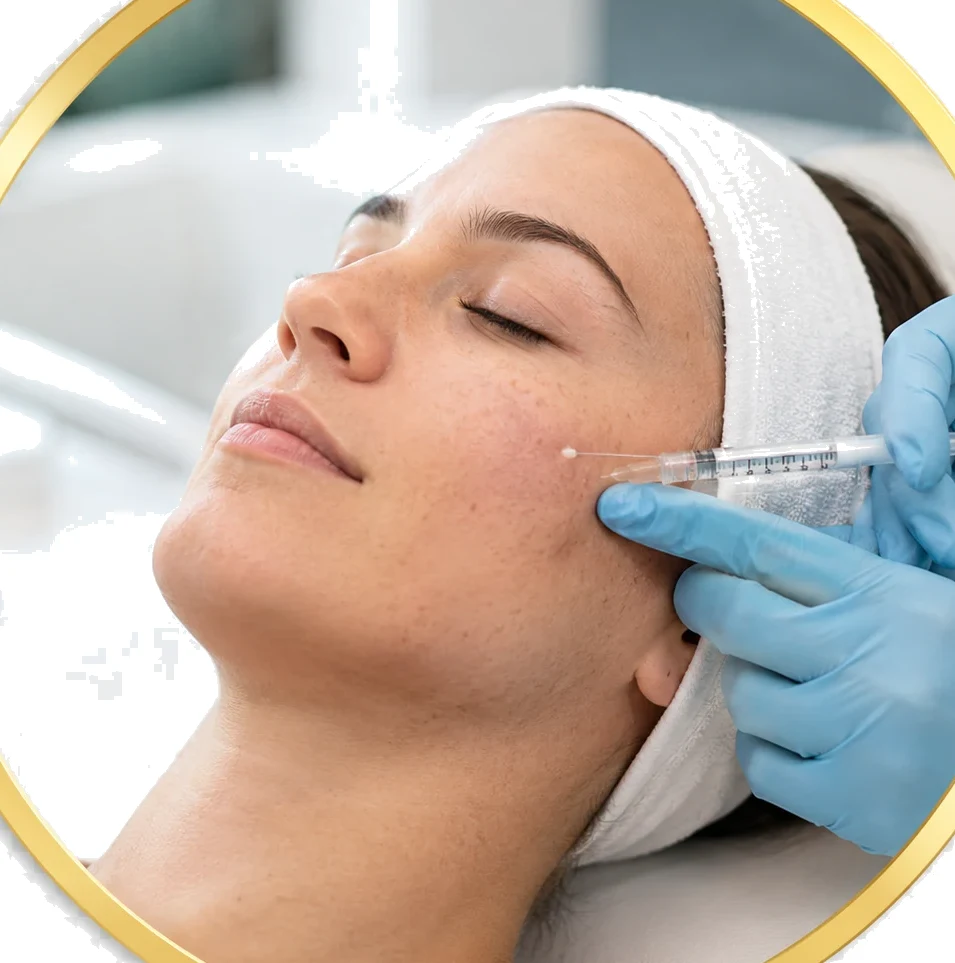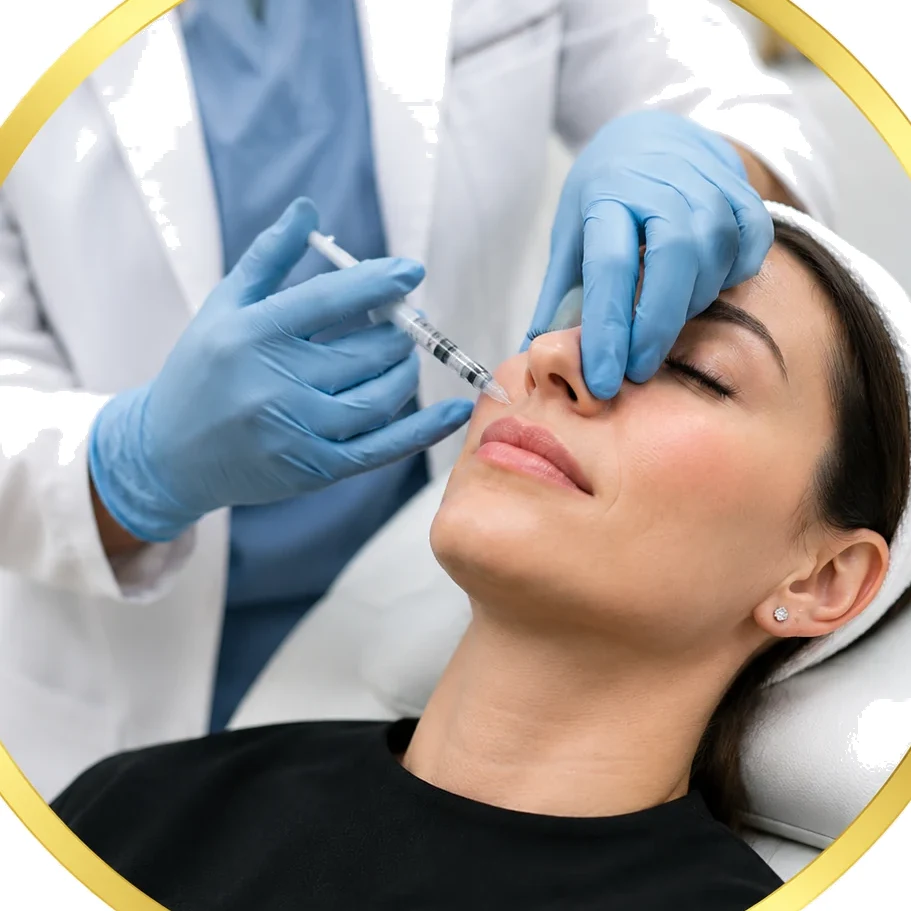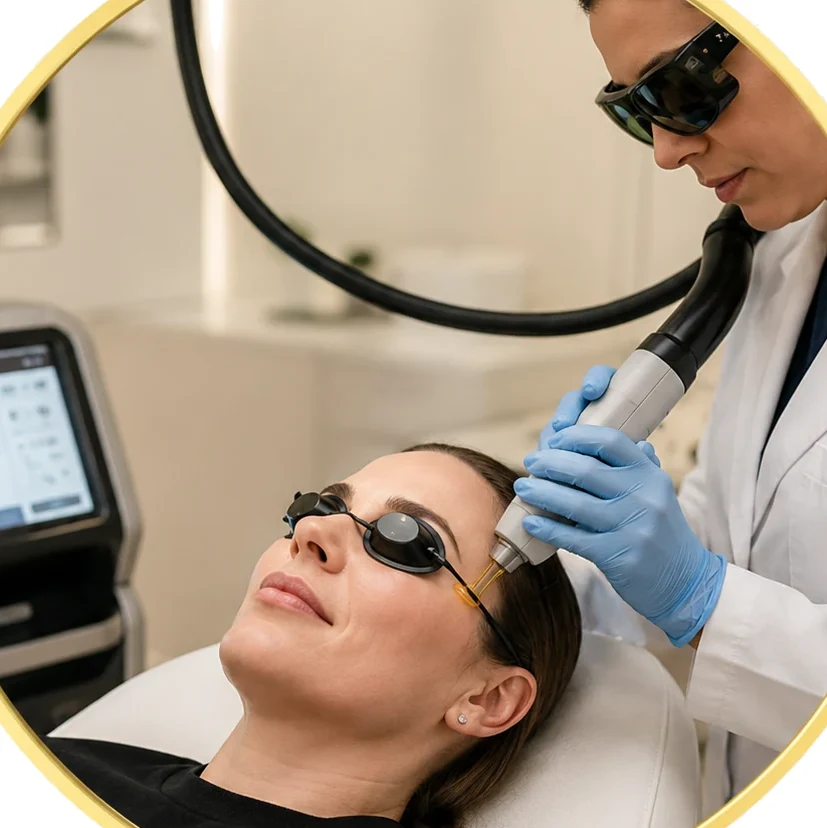
The best lip lines treatment is rarely a single product or procedure. It is a personalised combination plan that matches the dominant cause of your lines, whether that is volume loss, repetitive muscle movement, or damaged skin texture. Get that match right and results tend to look natural rather than "done." Get it wrong, and you risk overfilling a mouth that actually needed resurfacing, or lasering skin that just needed a little volume back.
For most people starting out, the sensible order looks like this:
- Start with a prescription-strength topical retinoid and daily SPF to slow further collagen breakdown.
- Book a clinical assessment to establish whether your lines are dynamic, static, or texture-driven.
- Consider fillers for volume loss, a neuromodulator for movement-driven lines, or resurfacing for textural damage, often in combination.
Pro Tip: Resist the urge to reach for filler first if your main issue is surface texture rather than volume. Treating texture with resurfacing before adding filler usually gives a cleaner, more natural result than filler alone.
Key Takeaways
Effective lip lines treatment matches the modality to the underlying cause, volume loss, muscle movement, or texture damage, and combination plans consistently outperform single treatments.
| Point | Details |
|---|---|
| Identify the dominant cause | Establish whether lines are dynamic, static, or texture-driven before choosing a treatment. |
| Combination beats single modality | Pairing filler, neuromodulator, or resurfacing typically gives a more natural result than one treatment alone. |
| Match downtime to lifestyle | Superficial peels and neuromodulators suit low downtime; laser resurfacing and surgery need weeks of recovery. |
| Prevention supports every plan | Daily SPF, a prescription retinoid, and quitting smoking slow further line progression. |
| Get a bespoke assessment | Nexgen Clinic uses AI-assisted skin analysis to build a staged, medically led combination plan for perioral lines. |
This article is general information, not a substitute for advice from a qualified doctor. Consult a qualified healthcare professional about your own circumstances before acting on anything here.
Table of Contents
- What are lip lines and where do they appear?
- Why lip lines form: causes and risk factors
- How to choose the right lip lines treatment
- Treatment options for lip lines: an overview
- What a medically led, tech-driven assessment looks like
- Risks, contraindications and aftercare for lip treatments
- Daily prevention and skincare for lip lines
- Comparing lip line treatments at a glance
- Budgeting for lip lines treatment
- From consultation to visible results: what to expect and when
- Realistic expectations from the clinic floor
- Book a personalised lip lines assessment
- Sources
- FAQ
What are lip lines and where do they appear?
Perioral rhytides is the clinical term for lip lines, the fine vertical creases that radiate from the upper and sometimes lower lip border. Some people know them as "smoker's lines," though smoking is only one contributor. Clinicians separate them into two types:
- Dynamic lines appear only when you move your mouth, driven by repeated contraction of the orbicularis oris muscle.
- Static lines are visible at rest, usually a sign of volume loss or accumulated sun damage to the skin's surface.
A woman in her thirties with shallow lines from sun exposure and habitual lip-pursing has a very different problem to a woman in her sixties with deep creases from structural volume loss, even though both might describe their concern the same way. Neither can be permanently erased. What clinical literature consistently shows is that lines can be softened or temporarily improved with the right intervention, not eliminated for good.
Why lip lines form: causes and risk factors
Lip lines develop from a mix of biology and habit. Intrinsic ageing reduces collagen and elastin production, thinning the skin around the mouth faster than almost anywhere else on the face. Layered on top of that:
- Repetitive orbicularis oris movement (talking, pursing, smoking, drinking through a straw)
- Cumulative sun exposure, which breaks down collagen through UV damage
- Smoking, which combines the mechanical pursing action with chemical skin damage
- Dehydration and diets high in sugar, which accelerate glycation and stiffen collagen fibres
Run through this quickly: are you a smoker, do you spend significant time in the sun unprotected, and do you purse your lips frequently around straws or cigarettes? Answering yes to any of these points to a modifiable risk factor worth addressing alongside treatment. One caveat worth flagging: persistent scaling, roughening, or a sore that will not heal on the lip is not typical ageing and should prompt medical review for actinic cheilitis, a sun-related precancerous change.
How to choose the right lip lines treatment
Choosing well starts with identifying what is actually driving your lines. Is the dominant problem movement, volume, or surface texture? Do you want lines softened, lips gently plumped, or as close to eliminated as non-surgical medicine allows? How much downtime can you realistically tolerate, and are you willing to commit to a maintenance schedule, or would you rather treat something less often even if the effect is more modest?
A proper consultation should cover ground you might not think to raise yourself. Useful questions to bring include:
- Do you want fuller lips as part of the result, or purely smoother skin?
- How much downtime can you accept, and when is that window (before an event, or open-ended)?
- Do you have a history of cold sores, since some treatments can trigger a flare?
- Are you currently pregnant, breastfeeding, or on medication that affects clotting or immune response?
A qualified practitioner will also screen for red flags before treating. Absolute and relative contraindications include active skin infection at the treatment site, pregnancy, uncontrolled autoimmune disease, and certain medications like blood thinners or isotretinoin. According to a PubMed-indexed review of perioral rejuvenation, matching therapy to the individual's dominant problem, rather than defaulting to whichever treatment is best known or most heavily marketed, is what separates a natural-looking outcome from an obviously "treated" one. That single principle should guide every consultation conversation.
Treatment options for lip lines: an overview
No single treatment addresses every cause of lip lines, which is why clinics increasingly favour combination plans over one-off procedures. Broadly, treatments fall into five families.
Topical prescriptions, principally tretinoin (prescription retinoid), work slowly over months to stimulate collagen turnover and are best suited to prevention or very early, shallow lines. Injectables split into two distinct jobs: hyaluronic acid fillers restore lost volume and rebuild the lip border, while botulinum toxin calms the muscle movement that causes dynamic creasing. Collagen stimulation treatments, including microneedling and radiofrequency microneedling, use controlled injury to trigger the skin's own repair process, building new collagen over weeks and months. Resurfacing techniques, from superficial chemical peels through to fractional and fully ablative lasers, remove damaged surface layers to reveal smoother skin underneath, with effect and downtime rising together. Biological boosters, such as skin boosters, polynucleotide injections, and platelet-rich plasma, hydrate and biochemically stimulate the dermis rather than adding bulk. For structural cases, surgical options including fat grafting, lip implants, and lip lift offer longer-lasting correction.
A review of perioral rhytid treatments covering chemodenervation, fillers, fat grafting, dermabrasion, lasers, and peels found that patient selection and technique planning, not any single "best" modality, were what produced consistent results. That is the evidence base behind combination therapy: volume correction addresses structural loss, resurfacing addresses damaged texture, and muscle management addresses the movement that keeps recreating the crease. Used together, they tend to outperform any one treatment used alone, a conclusion echoed by research on combination approaches to perioral ageing.
What should you expect in terms of timelines? Roughly speaking:
- Topical retinoids show subtle improvement after 8 to 12 weeks of consistent use, with continued gains over months.
- Neuromodulators take effect within 3 to 7 days and typically last 3 to 4 months.
- Fillers give an immediate visible change, with results commonly lasting 6 to 12 months depending on the product used, per the Cleveland Clinic's overview of lip line treatments.
- Microneedling and RF microneedling need a course of sessions, with visible collagen remodelling continuing for months after the final treatment.
- Resurfacing lasers and peels range from a few days' downtime for superficial peels to several weeks for deep ablative resurfacing, with results holding for a year or more.
- Surgical options require the longest recovery but offer the most durable structural change.
Maintenance frequency follows a similar pattern: neuromodulators and fillers need topping up on a rolling basis, resurfacing and collagen-induction courses are typically repeated annually or as texture dictates, and surgical correction is largely a one-time investment.
Hyaluronic acid dermal fillers for lip lines
Hyaluronic acid fillers work in two ways around the mouth: restoring the lip border, known clinically as the white roll, and adding subtle volume beneath static creases to soften them from underneath. The effect is immediate, and there is some evidence that the mechanical stretch of filler placement stimulates fibroblasts to produce a small amount of natural collagen over time.
The trade-off is duration and risk. Filler effects typically fade over 6 to 12 months, and swelling or bruising is common in the first few days. Overfilling is the single most avoidable mistake, since too much product along the lip border produces an unnatural, ballooned shape rather than a softened line.
Aftercare and safety points worth taking seriously:
- Disclose any history of cold sores; lip injections can trigger a herpes simplex flare and may need antiviral cover beforehand.
- Avoid dental work for at least two weeks either side of treatment where possible.
- Seek urgent review for unusual blanching, severe pain, or skin discolouration after injection, which can signal vascular compromise.
Nexgen Clinic's approach to lip fillers prioritises restrained, border-focused placement precisely to avoid this overfilled look, an approach also detailed in guidance on achieving natural-looking lip filler results.
Botulinum toxin for dynamic perioral lines
Micro-dosed botulinum toxin targets the movement, not the structure. By softening overactivity in the orbicularis oris muscle, it reduces the pursing action that creates and deepens vertical lines every time you speak, drink, or smile.
Results appear within days and typically last three to four months, meaning repeat treatment is part of the deal from the outset. The functional risk is real: too high a dose, or imprecise placement, can make it harder to purse the lips for drinking through a straw or pronouncing certain sounds clearly.
Pro Tip: Ask specifically about "micro-Botox" dosing for the mouth. Perioral units are a fraction of forehead or frown-line doses, and a practitioner experienced in injectable techniques around the lips will place them with that difference firmly in mind.
Skin boosters, polynucleotides and PRP for lip lines
Skin boosters and polynucleotide injections work differently to fillers: rather than adding bulk, they deliver deep hydration and biochemical signals that encourage the dermal matrix to repair itself. They suit fine, shallow lines and generally photoaged skin quality more than deep static creases.
Platelet-rich plasma, prepared from the patient's own blood, has a more limited evidence base, though small studies support a role in collagen stimulation when combined with microneedling or fine-needle injection.
Realistic expectations matter here:
- Most protocols involve a course of 2 to 4 sessions spaced several weeks apart.
- Improvement is incremental and cumulative rather than immediate.
- Best results tend to come from combining boosters with a texture or volume-focused treatment rather than using them alone.
Nexgen Clinic's skin booster programmes reflect this, positioning boosters as a hydration and quality layer within a wider plan.
Microneedling and radiofrequency microneedling
Microneedling creates controlled microinjury in the skin, prompting a wound-healing response that lays down new collagen and elastin. Radiofrequency microneedling adds a thermal energy component through the same micro-channels, reaching deeper into the dermis for more pronounced remodelling.
A typical course runs 3 to 5 sessions, spaced several weeks apart, with visible improvement continuing to build for months after the final appointment as collagen remodels. Small clinical studies on collagen induction therapy for upper lip wrinkles found measurable reductions in wrinkle severity after just two sessions in most patients treated, alongside histological evidence of increased collagen markers.
Downtime is generally mild, redness and pinpoint bleeding for 24 to 48 hours, making this a good fit for anyone whose main concern is textural, sun-damaged perioral skin rather than deep volume loss.
Chemical peels and Tixel: depth versus downtime
Superficial AHA peels lift the outermost skin layer with minimal downtime and modest improvement, suited to fine surface lines. Medium-depth TCA peels reach further, producing more visible change alongside several days of visible peeling. Tixel, a thermal fractional device using a heated tip rather than light or radiofrequency, sits in a similar depth category to lighter laser resurfacing with comparatively quick recovery.
The rule of thumb holds across all three: greater depth means greater effect, and greater downtime. Darker skin types carry a higher risk of post-inflammatory pigmentation with medium and deep peels, so any resurfacing beyond a superficial level warrants medical supervision and careful patient selection.
Laser resurfacing and dermabrasion for lip lines
For deeper static rhytids and cobblestoned texture, resurfacing often achieves what injectables alone cannot. Non-ablative fractional lasers offer gentle improvement with little downtime, ablative fractional devices go deeper with more visible peeling, and fully ablative resurfacing is considered by some clinicians the most effective option for deep static lines, though it carries the longest recovery.
Dermabrasion, a mechanical rather than laser-based resurfacing technique, offers a comparable depth of correction with its own recovery profile.
Points to weigh before committing:
- Downtime ranges from a few days for non-ablative options to two or more weeks for fully ablative resurfacing.
- Prolonged redness can persist for weeks after deeper procedures.
- Darker phototypes need pigmentation-risk assessment and often a more conservative energy setting.
- Maintenance sessions are typically needed annually to preserve results.
Surgical options: fat grafting, implants and lip lift
Surgery becomes relevant when structural ageing is significant, or when a patient wants a longer-lasting change than injectables can offer. Autologous fat grafting, lip implants, and lip lift surgery reposition or add volume in ways that can outlast any non-surgical option, sometimes for years.
The trade-off is recovery time, measured in weeks rather than days, alongside standard surgical risks including scarring, asymmetry, and infection. Choose a surgeon with specific perioral experience, review their portfolio of similar cases, and weigh realistic surgical outcomes honestly against a staged non-surgical plan before committing.
What a medically led, tech-driven assessment looks like
A structured assessment should never feel rushed. At Nexgen Clinic, that typically means AI-assisted skin analysis, a full medical history and risk review, hands-on examination, and baseline photography before any bespoke combination plan is proposed.
You should leave with a written consent document and a staged programme, not a single impulsive booking. Expect the plan to name a maintenance schedule upfront, so there are no surprises about when you will need to return.
Risks, contraindications and aftercare for lip treatments
Most side effects are mild: swelling, bruising, and temporary tenderness. Seek urgent medical review for spreading redness, severe pain, or skin turning white or dusky after filler, a possible sign of vascular compromise requiring immediate treatment.
Contraindications vary by modality but commonly include:
- Pregnancy or breastfeeding (fillers, toxin, most lasers, and peels)
- Active herpes simplex outbreak (injectables and resurfacing)
- Uncontrolled autoimmune or bleeding disorders (injectables and surgery)
For the first 72 hours after any perioral procedure, avoid alcohol, intense heat (saunas, hot yoga), and vigorous exercise, and use cold sore prophylaxis if you have a history of outbreaks. Longer term, daily SPF is non-negotiable to protect healing skin, echoed by Cleveland Clinic's guidance on protecting treated lip skin from further sun damage.
Daily prevention and skincare for lip lines
Treatment works far better alongside a routine that actually slows further damage. In the morning, apply SPF carefully to the lip border, layer on an antioxidant serum, and follow with a gentle moisturiser to support the skin barrier.
In the evening, a prescription-strength retinoid such as tretinoin, used under medical supervision near the delicate lip border, remains one of the better-evidenced ways to encourage collagen turnover over time. Follow with a hydrating, occlusive balm to offset retinoid dryness. A well-formulated product like the Medicube Collagen Glow Booster Serum can support this evening layer alongside prescription treatment.
Beyond products, the biggest lever is habit: stop smoking, cut down on straw use, moderate sugar intake, and keep hydration consistent. If shallow lines persist despite a solid routine, that is your cue to book a medical consultation rather than escalate the product routine further.
Comparing lip line treatments at a glance
Effectiveness, cost, and downtime rarely move together, which is exactly why matching treatment to cause matters more than chasing the "strongest" option available.
Fillers and neuromodulators sit at the fast, low-downtime end of the spectrum, delivering visible change within days but needing repeat visits every few months to a year. Microneedling, RF microneedling, and skin boosters take longer to show their full effect, typically building over a course of sessions, but they suit people who want gradual, natural-looking improvement in skin quality rather than an immediate change. Resurfacing treatments, from superficial peels through to fully ablative laser, sit at the higher-effort end: greater downtime, but often the most meaningful change for genuinely static, deeply etched lines. Surgical correction sits apart entirely, trading the longest recovery for the most durable structural result.
Patient profile tends to sort naturally along these lines. Someone in their late twenties or early thirties with fine, dynamic lines from expression usually does best starting with a neuromodulator and a solid retinoid routine. Someone in their forties or fifties with volume loss and static creasing often needs filler alongside a resurfacing element. Someone with heavily sun-damaged, texturally rough perioral skin, regardless of age, tends to see the most dramatic change from a laser or peel series. And someone seeking a lasting structural change, who has already tried non-surgical routes, is the profile most likely to benefit from a surgical consultation.
Cost and downtime should never be assessed treatment-by-treatment in isolation; a staged plan that combines two modest interventions often outperforms one aggressive single procedure, at a comparable overall cost.
Budgeting for lip lines treatment
Cost varies considerably by modality, by how much product or how many sessions are needed, and by geography, so treat the figures below as general orientation rather than a fixed quote.
Topical prescription retinoids are the most accessible entry point, typically a modest monthly cost for the prescription itself. Neuromodulator treatment for perioral lines is usually priced per session and needs repeating three or four times a year, making the annual cost add up even though each visit is relatively affordable. Dermal filler sits at a similar or slightly higher per-session cost but lasts considerably longer, often six to twelve months, which changes the annual maths in its favour for some patients.
Skin boosters and PRP are typically sold as a course of several sessions rather than a single visit, so budgeting should account for the full course rather than one appointment. Microneedling and RF microneedling follow the same pattern: a course of three to five sessions represents the meaningful investment, not any single visit. Resurfacing costs scale sharply with depth, superficial peels sit at the lower end, while fully ablative laser resurfacing or dermabrasion command a considerably higher price reflecting the equipment, expertise, and aftercare involved.
Surgical options, fat grafting, lip implants, and lip lift, represent the largest single investment but are designed to be a one-time cost rather than a recurring one. Nexgen Clinic's signature packages bundle complementary treatments together, which can offer better value than booking each element separately once a combination plan has been agreed at consultation.
From consultation to visible results: what to expect and when
The timeline from your first consultation to seeing a genuine difference depends heavily on which modality, or combination, you choose.
Topical retinoids are the slowest starters: expect 8 to 12 weeks of consistent use before subtle change becomes visible, with gains continuing to build over 6 months. Neuromodulator injections sit at the opposite end, with visible softening within 3 to 7 days of a single appointment. Dermal filler results are immediate, visible the moment swelling settles, usually within a few days.
Microneedling and RF microneedling need patience: each session in the course produces a small amount of visible tightening, but the fuller collagen-driven result continues to develop for months after the final session in the series. Skin boosters and PRP follow a similarly gradual curve, with cumulative improvement across a course of sessions rather than a single dramatic reveal. Chemical peels and Tixel show results within one to two weeks as the skin resurfaces, while fully ablative laser resurfacing takes several weeks of visible healing before the final smoother result emerges. Surgical procedures require the longest arc: weeks of recovery before swelling fully resolves and the final result becomes apparent, though that result is also the most durable of any option covered here.
Realistic expectations from the clinic floor
What tends to get lost in marketing is patience. The best perioral results rarely come from one dramatic procedure. They come from a staged plan, texture addressed first if that is the dominant issue, the