
TL;DR:
- Polynucleotide injections improve under-eye skin quality by stimulating natural collagen repair, especially for fine lines and crepey texture. They are most suitable for thinning skin and vascular dark circles, not for hollowing or eye bags, which require fillers or surgery. A qualified medical professional at a regulated clinic should assess individual concerns and recommend the best treatment approach.
Polynucleotide injections are one of the most effective options available in the UK for improving under-eye skin quality — specifically for fine lines, crepey texture, mild dark circles caused by skin thinness, and early signs of ageing. They work by stimulating your skin's own repair processes rather than adding volume, which makes them a genuinely different proposition from tear-trough fillers.
At a glance:
- Primary benefits: improved hydration, collagen stimulation, reduced fine lines, and better skin texture in the periocular area
- Who benefits most: patients with crepey or thin under-eye skin, superficial pigmentation, and mild vascular dark circles
- When fillers or surgery are the better choice: true structural hollows (tear-trough deformity), prominent fat herniation (eye bags), or significant volume loss requiring anatomical correction
- Next step: book a medical consultation at a regulated clinic to confirm which treatment matches your specific anatomy and concerns
Table of Contents
- Polynucleotides versus tear-trough filler: which is right for you?
- Who is a good candidate, and who should avoid this treatment?
- What happens during a polynucleotide under-eye treatment?
- When will you see results, and how long do they last?
- What are the risks, and how do you minimise them?
- What does the clinical evidence say, and how are these products regulated in the UK?
- Key takeaways
- A clinician's perspective on treating under-eye concerns with polynucleotides
- Considering polynucleotide treatment at Nexgen Clinic?
- Further reading and authority links
- FAQ
Polynucleotides versus tear-trough filler: which is right for you?
This is the question most patients arrive with, and the honest answer is that they address different problems. Choosing between them depends on what is actually causing your under-eye concern.
| Dimension | Polynucleotides (PN/PDRN) | Tear-trough HA filler |
|---|---|---|
| Mechanism | Biostimulation: stimulates collagen, elastin and ECM repair | Volumisation: physically fills the hollow beneath the skin |
| Best for | Crepey skin, fine lines, mild dark circles from skin thinness, early ageing | True tear-trough hollows, structural volume loss, prominent shadowing from anatomy |
| Onset of effect | Gradual: 4–8 weeks for initial changes, full effect at 3 months | Immediate: visible correction on the day of treatment |
| Duration / maintenance | Maintenance typically every 4–6 months; variable by age and lifestyle | Varies depending on product and anatomy |
| Periocular safety profile | Low risk of Tyndall effect; no vascular occlusion risk from volumisation; transient swelling common | Tyndall effect possible if placed too superficially; vascular anatomy requires expert knowledge |
| Downtime | Mild redness and swelling for 24–72 hours; bruising possible | Similar; swelling can be more pronounced due to volume placed |
When PN is the right primary option: your skin is thin, crepey, or shows fine lines; your dark circles are caused by vascular visibility or skin quality rather than a hollow; you want gradual, natural-looking improvement without added volume.
When HA filler or surgery is preferable: you have a genuine tear-trough deformity with visible hollowing, significant fat herniation (true eye bags), or structural asymmetry that requires anatomical correction. PN will not fill a hollow.
A staged or combined approach is often the most effective strategy. Many patients benefit from PN to improve skin quality either before or after HA filler, particularly when the skin is too thin to support filler safely without a Tyndall effect. For more detail on the filler side of this decision, the tear-trough filler guide at Nexgen Clinic covers the anatomy and technique considerations in depth.
Who is a good candidate, and who should avoid this treatment?
Polynucleotide under-eye treatment works best for a specific profile of patient. Understanding where you sit in that profile before booking saves time and sets realistic expectations.
Ideal candidates typically present with one or more of the following: crepey or thin periocular skin, fine lines and superficial wrinkles in the under-eye area, mild dark circles caused by skin thinness or vascular visibility rather than structural hollowing, and early signs of skin ageing with good general health and realistic expectations about gradual improvement.
PN is unlikely to meet your goals if you have deep tear-trough hollows, significant fat pad herniation (the kind of eye bags that cast a shadow regardless of lighting), or pronounced structural asymmetry. These concerns require volumising filler or surgical intervention. A medical assessment is the only reliable way to distinguish a skin-quality problem from a structural one, and that distinction determines everything about which treatment is appropriate.
Common contraindications and precautions to discuss with your practitioner:
- Pregnancy and breastfeeding (treatment is not recommended during either)
- Known hypersensitivity to fish or seafood, given that most PN products are derived from salmon or trout (your practitioner should confirm the source)
- Active infection, open wounds, or a compromised skin barrier in the treatment area
- Autoimmune conditions, particularly those affecting connective tissue, where stimulating fibroblast activity requires careful consideration
- Current use of anticoagulant medication (increases bruising risk; discuss timing with your prescriber)
Dark circles have multiple causes, including allergies, thyroid dysfunction, iron deficiency, and chronic sleep disruption. A thorough medical assessment should rule out systemic causes before attributing the concern to skin quality alone.
What happens during a polynucleotide under-eye treatment?
A well-run session at a medically led clinic follows a clear sequence. Knowing what to expect reduces anxiety and helps you ask the right questions.
- Consultation and medical assessment: your practitioner reviews your medical history, current medications, and skin concerns; photographs are taken for baseline comparison
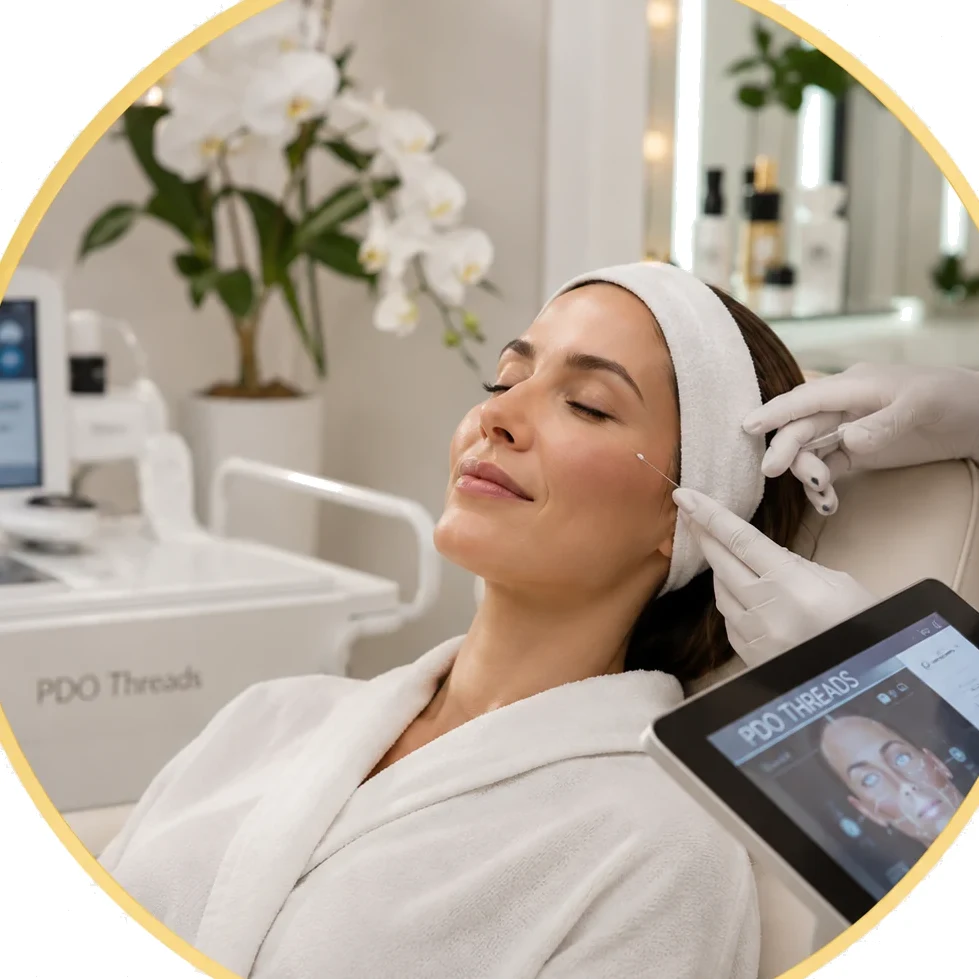
- Skin analysis: at Nexgen Clinic, AI-assisted skin analysis identifies specific periocular concerns and informs the treatment protocol
- Consent and protocol discussion: you receive a clear explanation of the product being used, the technique, expected outcomes, and potential side effects; written consent is obtained
- Cleansing and anaesthesia: the under-eye area is thoroughly cleansed; topical anaesthetic cream is applied for 20–30 minutes to minimise discomfort
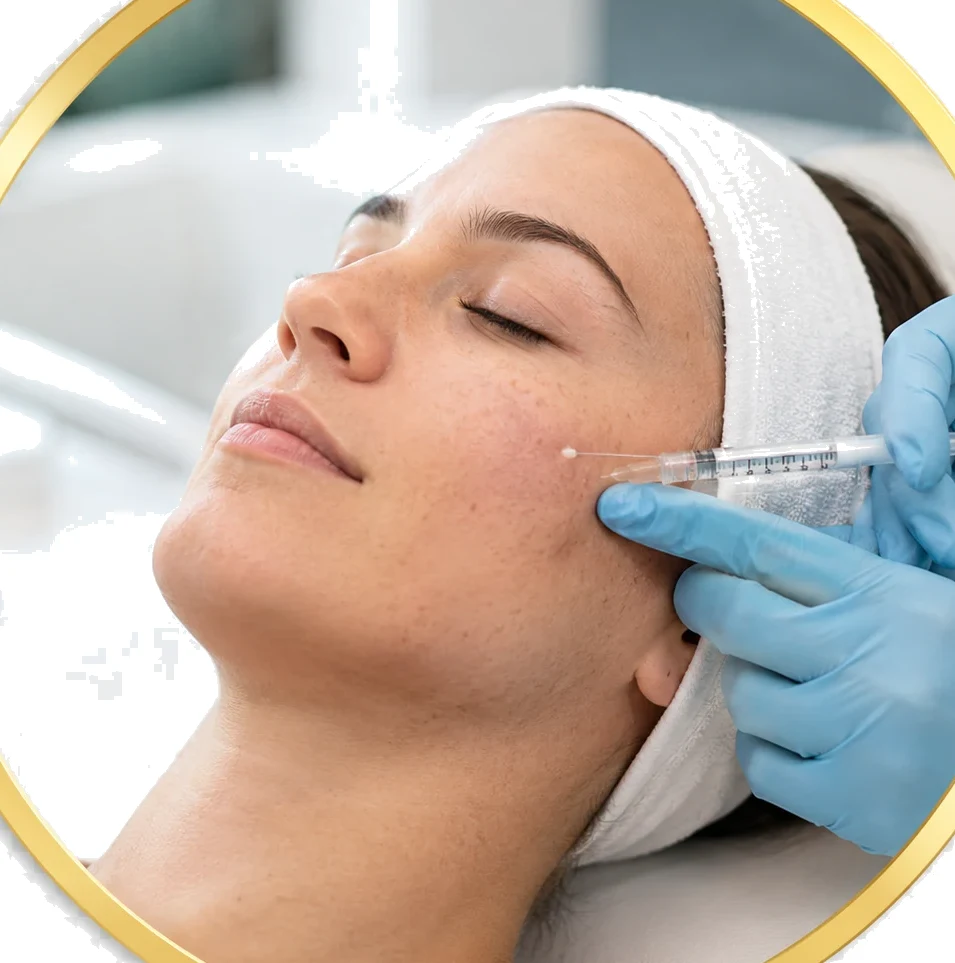
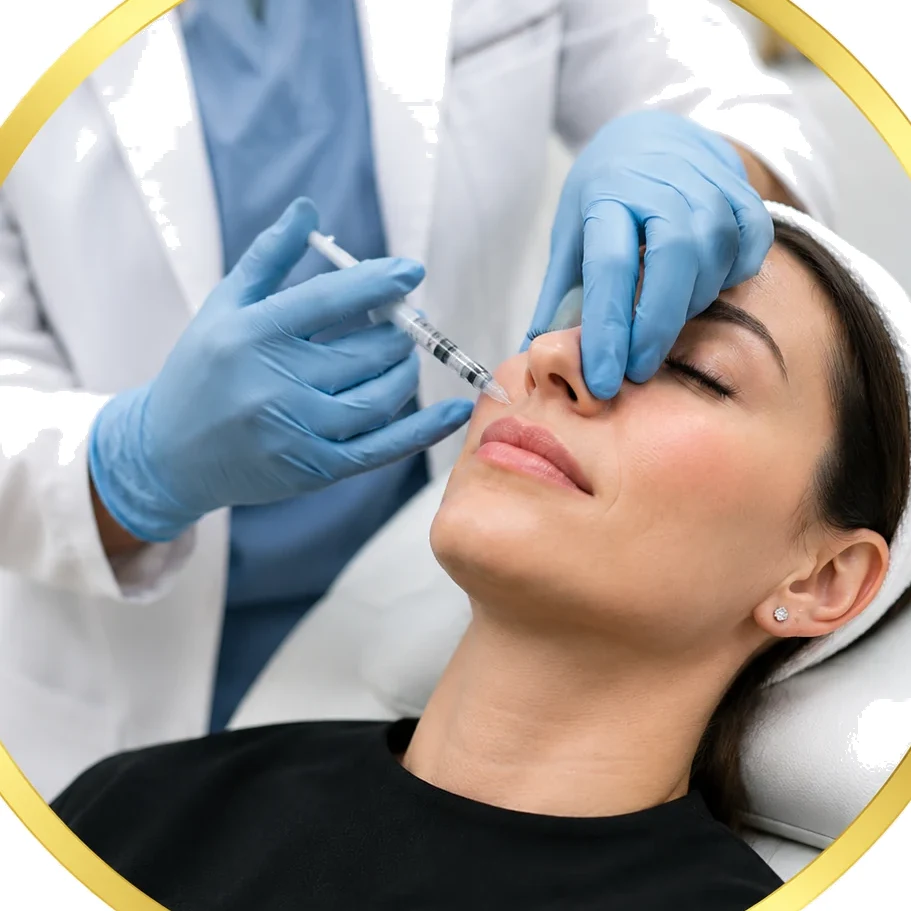
- Injection: PN is delivered using a fine needle via microdroplet (serial puncture) technique or, in some cases, a blunt cannula; small aliquots are placed superficially in the dermis across the periocular area
- Immediate post-treatment check: the practitioner reviews the treated area, applies a soothing product, and confirms there are no immediate adverse reactions before you leave
A typical course involves 3 sessions spaced 3–4 weeks apart, with a review appointment at around 3 months. Maintenance sessions are then planned based on your response.
Immediate aftercare:
- Avoid rubbing or pressing the treated area for at least 24 hours
- Apply a cold compress gently if swelling is uncomfortable
- Avoid strenuous exercise, saunas, and alcohol for 24–48 hours
- Keep skincare simple: a gentle cleanser and fragrance-free moisturiser only for the first 48 hours; hold active ingredients (retinoids, AHAs, vitamin C) for at least 5 days
- Contact the clinic promptly if you notice increasing pain, spreading redness, skin colour changes, or any visual disturbance
For guidance on layering treatments safely after your course, including when it is appropriate to combine PN with microneedling or energy devices, the sequencing principles matter more than most patients realise.
When will you see results, and how long do they last?
Patience is genuinely required here. The first perceptible improvements — usually in skin hydration and a subtle softening of fine lines — tend to appear at around 4 weeks after the first session. Progressive remodelling continues for up to 3 months after completing a course, as collagen synthesis and extracellular matrix repair are biological processes that cannot be accelerated.
Peak results are typically visible at 3 months post-course. This is why a photographic review at that point is standard practice: comparing baseline images with 3-month images often reveals improvements that are not obvious day-to-day.
Maintenance intervals vary. Clinical guidance commonly recommends follow-up sessions every few months, though this depends on your age, skin condition, lifestyle factors (sun exposure, smoking, sleep), and the specific product used. Patients who combine PN with HA filler or energy-based devices such as radiofrequency or ultrasound often report more sustained improvements, as the treatments address different layers of the tissue.
The honest caveat: outcomes are not uniform. A literature review in the Journal of Aesthetic Nursing notes that while results across small trials are encouraging, the lack of standardised protocols means that individual responses vary and direct comparisons between studies are difficult. A practitioner who sets realistic expectations is a practitioner you can trust.
What are the risks, and how do you minimise them?
The periocular area is one of the most technically demanding sites for any injectable treatment. The skin is thinner here than almost anywhere else on the face, the anatomy is complex, and the margin for error is smaller.
Common transient side effects (typically resolve within 24–72 hours):
- Erythema (redness) at injection sites
- Mild oedema (swelling), which can appear more pronounced under the eyes due to the loose periocular tissue
- Bruising (ecchymosis), particularly if you take anticoagulants or anti-inflammatory medications
- Temporary small nodules or firmness at injection sites, usually resolving within 1–2 weeks
Red-flag signs requiring prompt clinic contact:
- Increasing pain or pressure after the first 24 hours (rather than improving)
- Skin colour changes: white blanching or a dusky purple discolouration, which may indicate vascular compromise
- Persistent nodules beyond 4 weeks that are tender or growing
- Any visual disturbance, however mild
- Signs of infection: spreading warmth, redness, swelling, or discharge
Practitioners emphasise that risk reduction in the periocular area depends on correct injection plane (superficial dermis, not deep), small aliquots per injection point, aseptic technique, and thorough knowledge of periocular vascular anatomy.
Pro Tip: In the UK, polynucleotide injections near the eyes should be performed by a medical professional — a doctor, dentist, nurse prescriber, or similarly qualified prescriber — who can conduct a full medical assessment, prescribe where required, and manage complications. Documented consent is not optional; it is a clinical and ethical requirement.
UK practitioners sourcing PN products must confirm their regulatory status under the Medical Devices Regulations 2002. This protects you as a patient: it means the product has been assessed for safety and the practitioner is accountable for its appropriate use.
What does the clinical evidence say, and how are these products regulated in the UK?
The evidence base for polynucleotides in aesthetic medicine is growing but not yet definitive. Here is an honest summary:
- Randomised split-face trials and controlled studies report improvements in skin elasticity, hydration, and wrinkle depth, with some measures showing results comparable to hyaluronic acid in texture metrics
- A 2026 practitioner review reports statistically significant improvements in wrinkle depth, skin texture, and hydration; adverse events were predominantly mild and transient
- Systematic reviews find encouraging results but consistently note small sample sizes and heterogeneous protocols as limitations
- Practitioner guidance recommends conservative adoption with well-documented techniques and structured follow-up until larger standardised trials are available
| Evidence dimension | Current status |
|---|---|
| Skin hydration improvement | Consistently reported across multiple small trials |
| Wrinkle depth reduction | Reported in controlled studies; effect size varies by product and protocol |
| Skin elasticity | Positive findings in several trials; mechanism via fibroblast stimulation well-supported |
| Safety profile | Favourable; adverse events predominantly mild and transient in reviewed studies |
| Standardised protocol | Not yet established; heterogeneous dosing and session intervals across the literature |
| Long-term data | Limited; most studies follow patients for 3–6 months post-treatment |
UK regulatory context: polynucleotide products used in aesthetic practice are classified as medical devices under the Medical Devices Regulations 2002. This means they must meet device safety standards, and practitioners are responsible for confirming device status and sourcing from regulated supply chains. The MHRA provides guidance on device classification and post-market surveillance obligations. Products that are not properly classified or sourced fall outside this regulatory framework, which is a material patient safety concern.
This article provides general information, not medical advice. Confirm current regulatory requirements and treatment suitability with a qualified medical professional before proceeding.
Key takeaways
Polynucleotides are the right choice for under-eye skin quality concerns, but only when the underlying problem is skin-related rather than structural.
| Point | Details |
|---|---|
| Primary indication | PN improves skin quality: hydration, fine lines, crepey texture, and mild vascular dark circles. |
| Treatment timeline | Initial changes appear at 4–8 weeks; full remodelling effect at 3 months after a course of 2–4 sessions. |
| When to choose filler instead | True tear-trough hollows and structural volume loss require HA filler or surgery, not PN. |
| Safety and regulation | PN products are medical devices under UK law; treatment should be performed by a qualified medical prescriber. |
| Nexgen Clinic | Nexgen Clinic offers medically led, AI-assisted PN under-eye treatment with personalised protocols and documented outcome review. |
A clinician's perspective on treating under-eye concerns with polynucleotides
The under-eye area is where patient expectations and clinical reality diverge most often in aesthetic practice. Patients arrive having seen before-and-after photographs online and assume that polynucleotides will erase dark circles entirely. The honest answer is more nuanced: PN can make a meaningful difference to the quality of thin, crepey periocular skin, but it cannot correct a hollow, and it cannot address dark circles caused by genetics, allergies, or chronic sleep deprivation.
The patients who respond best are those whose primary concern is skin texture and mild vascular discolouration rather than volume loss. In these cases, a course of Plinest® or a PN-HPT formulation, delivered with a fine needle in the superficial dermis, produces gradual but genuinely noticeable improvements in skin quality. The skin looks less tired, more hydrated, and the fine lines soften. It takes patience, and it takes honest communication at the consultation stage.
Where I see poor outcomes, it is almost always a case-selection problem rather than a technique problem. A patient with a true tear-trough deformity who receives PN because they were reluctant to consider filler will be disappointed. The right answer in that situation is to explain the anatomy clearly, discuss the options honestly, and sometimes recommend a staged approach: PN to improve skin quality, HA filler to address the structural hollow, sequenced appropriately.
The combination approach, when indicated, tends to produce the most satisfying results. PN first, to build a healthier dermal foundation; HA filler second, once the skin quality supports it. This is not a strategy for every patient, but for those with both skin-quality concerns and mild hollowing, it is often the most effective path.
Considering polynucleotide treatment at Nexgen Clinic?
Nexgen Clinic offers medically led under-eye polynucleotide treatment from its Cambridge clinic, combining AI-driven skin analysis with personalised protocols and structured follow-up. The consultation includes a full medical assessment, objective skin analysis, a clear explanation of the recommended treatment and its costs, and documented consent before anything is agreed.
What sets Nexgen Clinic apart is the diagnostic rigour before treatment begins. The AI skin analysis provides an objective baseline that makes outcome comparison meaningful, and the medical consultation ensures you are only treated when PN is genuinely the right option for your anatomy and concerns. If a different approach would serve you better, you will be told that clearly.
To book your consultation and receive a personalised treatment plan, visit the Nexgen Clinic treatments page or go directly to the Nexgen Clinic homepage to check availability and get in touch.
Further reading and authority links
- The Medical Devices Regulations 2002 — UK legislation governing the classification and supply of medical devices, including polynucleotide products
- A literature review on polynucleotide efficacy and regulatory status — Journal of Aesthetic Nursing synthesis of trial evidence and regulatory context
- Polynucleotide injectables: what the evidence shows in 2026 — practitioner-focused review of current evidence and adverse event data
- Polynucleotides in aesthetic medicine: the science, mechanisms and clinical considerations — Journal of Aesthetic Nursing mechanistic and clinical guidance
- What are polynucleotides? UK practitioner guide — UK practitioner guidance on indications, technique and case selection
- Polynucleotides for tear troughs — practical protocol and comparison with HA filler for the under-eye area
- Nexgen Clinic: injectables and anti-wrinkle treatments — clinic journal covering injectable options and protocols
- Nexgen Clinic: dermal fillers — treatment page for patients considering HA filler as an alternative or complement to PN
- Nexgen Clinic: polynucleotides explained — introductory guide for patients new to regenerative aesthetics
FAQ
Do polynucleotides under the eyes actually work?
Yes, for the right concerns. Clinical studies report significant improvements in skin hydration, texture, and fine lines; they do not correct structural hollows or true eye bags.
How often should you have polynucleotide treatment under your eyes?
A standard course is 2–4 sessions spaced 2–4 weeks apart, followed by maintenance approximately every 4–6 months depending on your individual response and lifestyle.
Why might the under-eye area look worse immediately after polynucleotides?
Mild swelling and redness in the first 24–72 hours are normal inflammatory responses to injection. The periocular tissue is loose and retains fluid easily, so temporary puffiness is common and resolves without intervention.
Are polynucleotides better than fillers for dark circles?
It depends on the cause. PN is more appropriate when dark circles stem from skin thinness or vascular visibility; HA filler is the better option when hollowing or volume loss is the primary cause. A medical assessment is the only reliable way to determine which applies to you.
Is polynucleotide treatment safe near the eyes?
Evidence reviews report a favourable safety profile with predominantly mild, transient side effects. Risk is minimised by choosing a qualified medical injector who uses regulated products and applies correct periocular technique.
Recommended
- Polynucleotides Explained: A Beginner’s Guide
- Precision Treatments | NexGen Clinics
- Regenerative Aesthetics Cambridge | NexGen Clinic
- NexGen Clinic | AI-Powered Aesthetic Medicine & Skin Treatments
Explore related NexGen treatments
- Explore our full treatment menu
- Book a consultation with our clinicians
- Contact our Cambridge team
- Read more articles in the NexGen Journal
Ready to explore your options?
Speak with a NexGen clinician for a personalised consultation. We’ll listen, assess, and recommend the safest and most effective route — always led by evidence, always tailored to you.
Book a consultation or get in touch with our Cambridge team.