Understanding Polynucleotides
Polynucleotides have emerged as a noteworthy component in the realm of regenerative aesthetics. At their core, polynucleotides are macromolecules made up of nucleotide sequences, which form the building blocks of DNA and RNA. In aesthetic applications, they are primarily used to promote skin rejuvenation and hydration.
In recent years, polynucleotides have become increasingly popular in procedures designed to support skin health, offering a potential avenue for enhancing the appearance of fine lines and skin texture. Their unique properties enable them to stimulate cellular processes, making them an appealing option for individuals considering non-surgical aesthetic treatments.
What to Expect from Polynucleotide Treatments
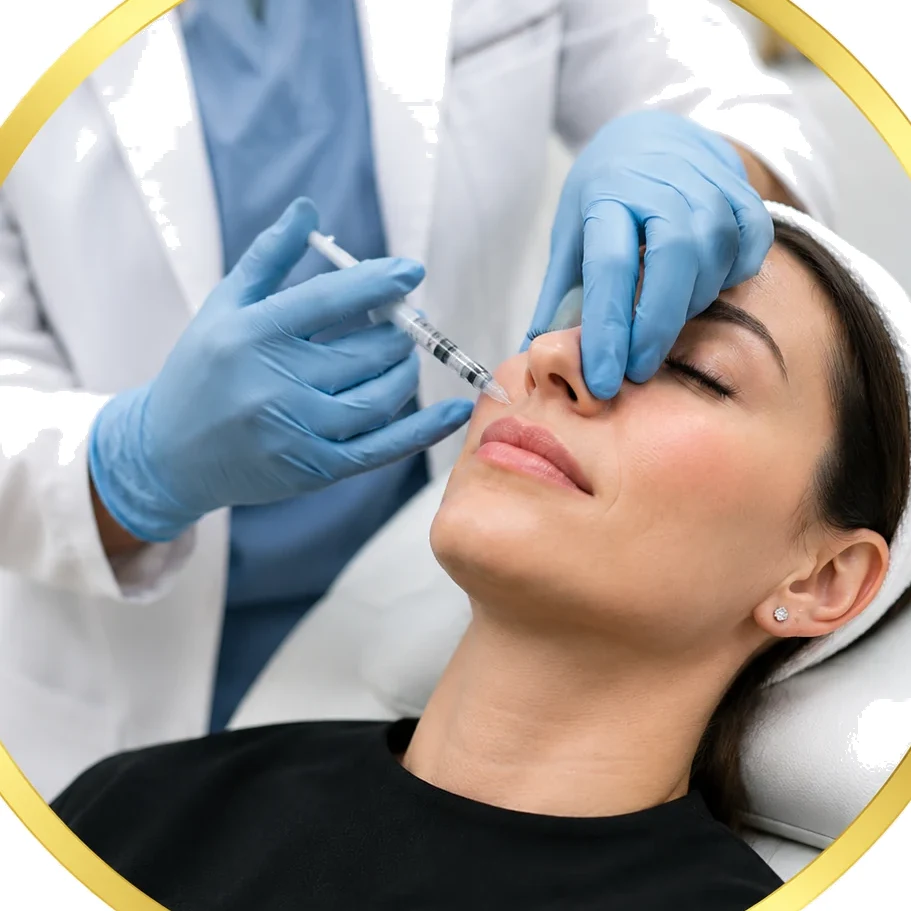
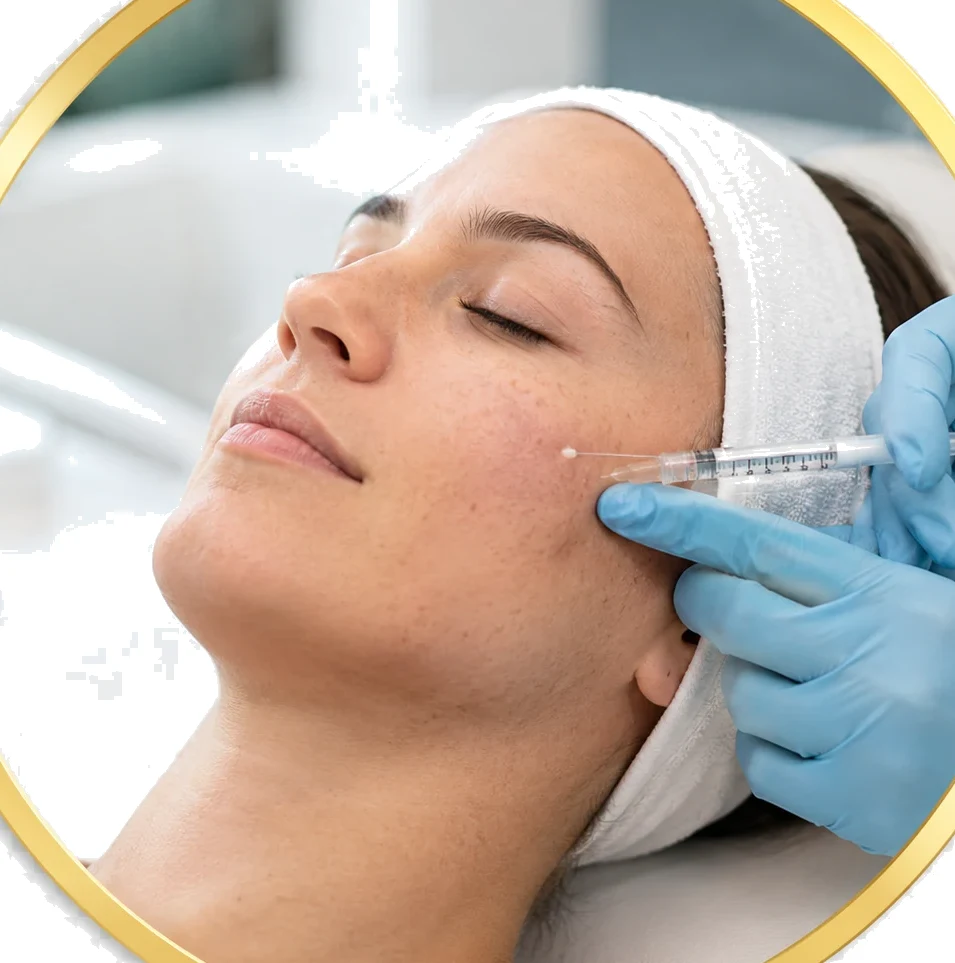
When undergoing polynucleotide treatments, patients may experience revitalisation in skin texture and elasticity. These treatments are typically administered via injections, allowing for precise application directly to areas of concern. The procedure is designed to promote hydration and may support collagen production over time.
The Treatment Procedure
The process generally involves several key steps: consultation, preparation, administration, and aftercare. During your consultation at our NexGen Clinic in Cambridge, a qualified practitioner will assess your needs and discuss desired outcomes. They will prepare a tailored treatment plan for you.
- Preparation: The skin may be cleaned, and a topical anaesthetic can be applied to enhance comfort during the procedure.
- Administration: Polynucleotides are injected into targeted areas using fine needles.
- Aftercare: Post-treatment instructions will guide patients on managing any minor swelling or redness.
Comparison: Polynucleotides vs Profhilo
Both polynucleotides and Profhilo are popular treatment options aimed at skin rejuvenation, yet they offer distinct benefits and mechanisms of action. Here’s a brief comparison:
| Feature | Polynucleotides | Profhilo |
|---|---|---|
| Composition | Natural nucleotide sequences | Hyaluronic acid |
| Action | Promotes skin regeneration | Hydration and bio-remodelling |
| Duration of Effects | Effects may vary based on individual factors | Generally lasts 6-12 months |
Your initial consultation will be an opportunity to discuss which treatment may best suit your needs.
Who This May Suit
Polynucleotide treatments are suitable for a range of individuals seeking to improve skin quality. Those with concerns such as dullness, fine lines, or a loss of elasticity may find benefit from this approach. It can be considered for people of various ages, particularly those starting to notice early signs of skin ageing.
However, it is essential to note that a professional consultation is crucial to determine the appropriateness of polynucleotides for your specific skin type and concerns. Speak to our clinic for personalised guidance.
Who May Not Be Suitable
While many can safely receive polynucleotide treatments, certain factors may contraindicate their use. Individuals with specific skin conditions or those who are pregnant or nursing should discuss their options thoroughly with their practitioner.
What to Ask Before Treatment
Before opting for polynucleotide treatments, preparing a list of questions can ensure a thorough understanding of the procedure. Here are some key inquiries to consider:
- What are the expected results and effects of the treatment?
- How long is the recovery period?
- Are there any potential side effects?
- How should I prepare for the treatment?
- What aftercare will be needed?
Your practitioner at NexGen Clinic will be happy to answer these and any other questions you may have, ensuring you're well-informed every step of the way.
Aftercare Considerations
Post-treatment care is critical to achieving optimal results with polynucleotide injections. After your session, avoid significant sun exposure and refrain from wearing makeup for at least 24 hours. Hydrating the skin adequately with moisturisers recommended by your aesthetician can further support the healing process.
Minor swelling or tenderness may be experienced but typically subsides within a few days. Should any unusual symptoms arise, contacting your practitioner for guidance is advised.
When to Book a Consultation
If you are considering polynucleotide treatments and wish to explore how they can support your skin goals, the first step is to book a consultation. Meeting with a skilled practitioner allows for personalised advice and a tailored treatment plan that aligns with your unique skin requirements. This proactive approach ensures that your journey into regenerative aesthetics is informed and comfortable.
Ultimately, polynucleotides can offer an innovative option for those seeking subtle enhancements in their skin quality. At NexGen Clinic, we remain committed to providing meticulously tailored aesthetic treatments designed to nurture your skin gently and effectively.