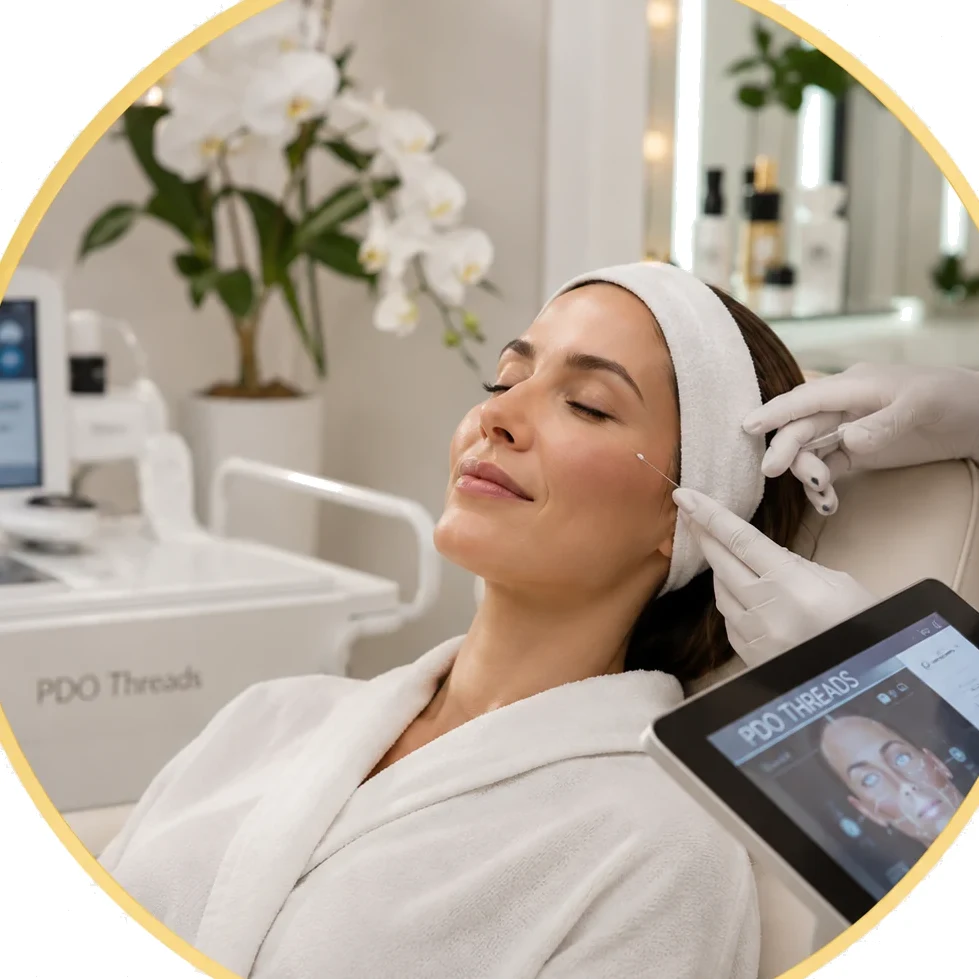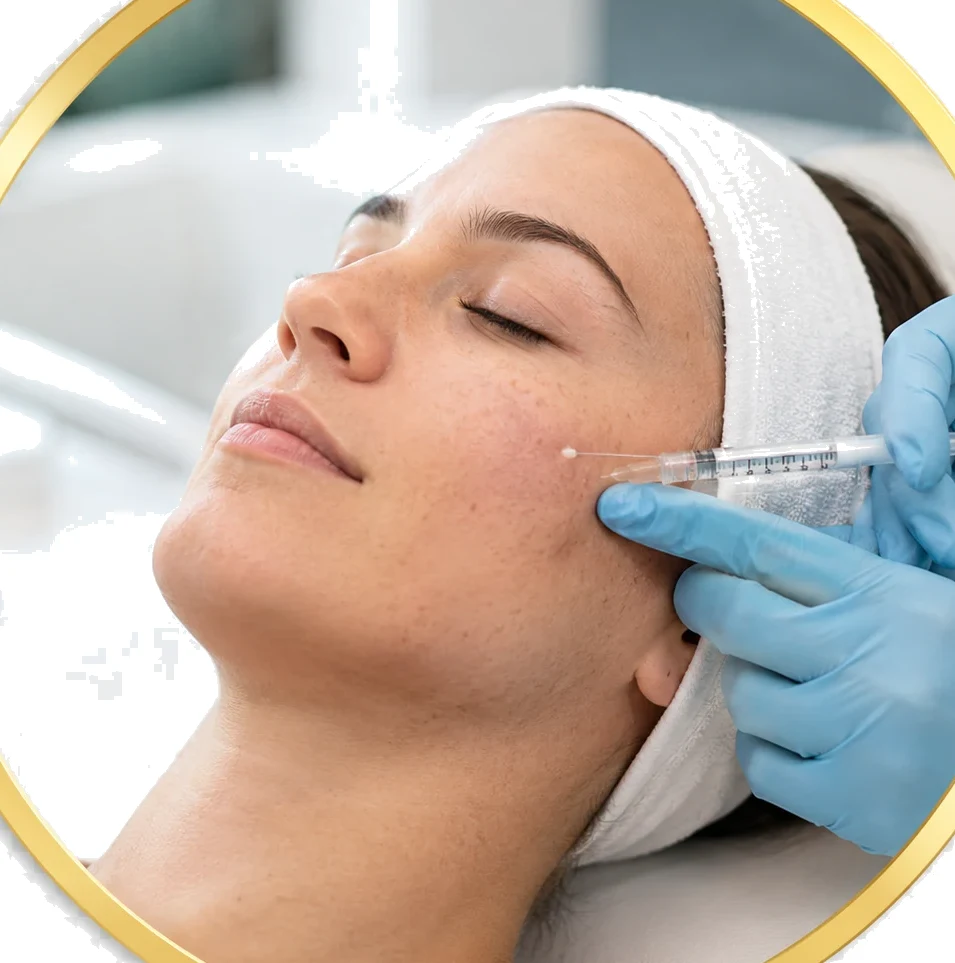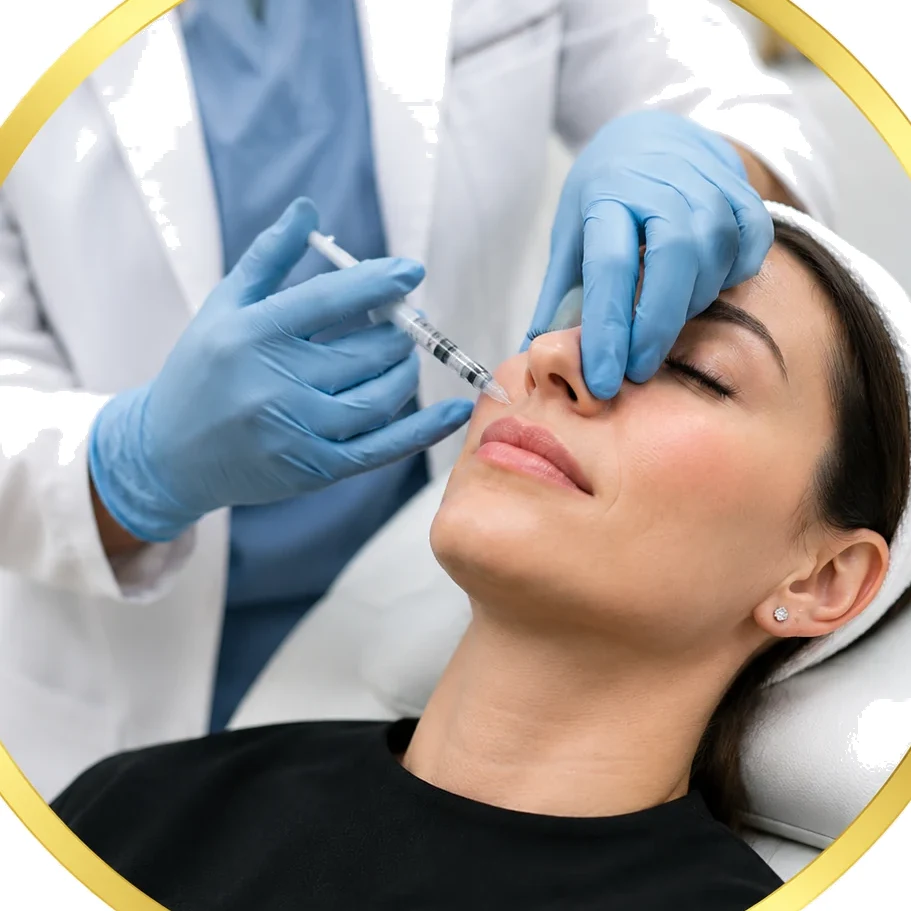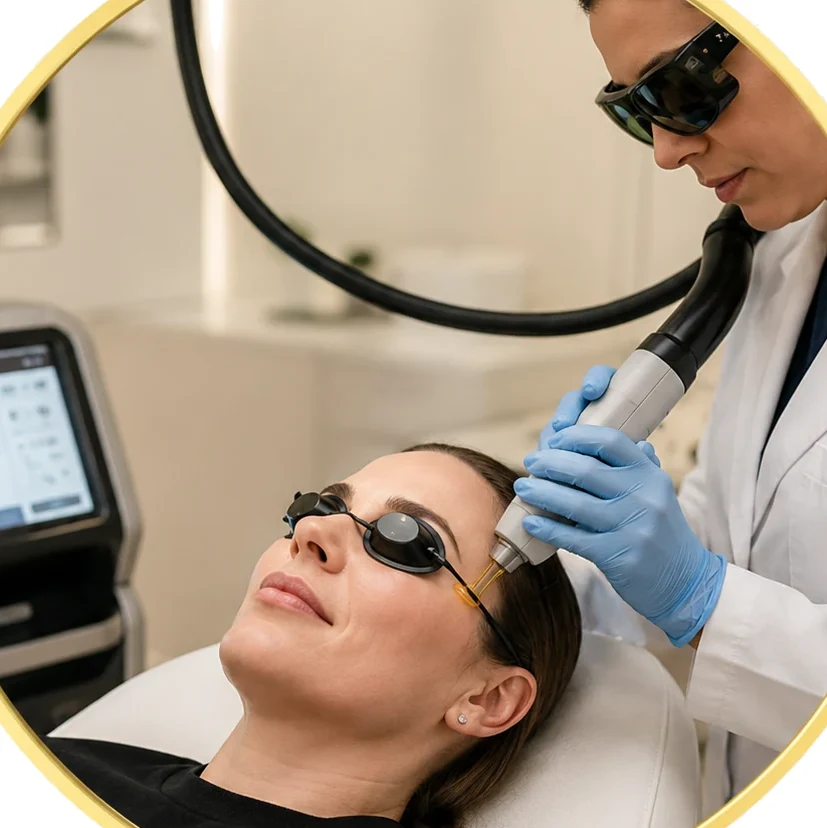
The most reliable way to improve skin texture is to combine consistent at-home use of proven active ingredients with targeted clinic procedures for moderate or persistent concerns. Retinoids, AHAs such as lactic acid, salicylic acid, urea, and daily SPF 30+ form the evidence-based foundation. For deeper issues such as acne scarring, sun damage, or enlarged pores, in-clinic options including Morpheus8, Moxi Laser, Clear + Brilliant, Tixel, Thermage CPT, and skin boosters like Ameela can produce meaningful, lasting change.
- Start today at home: introduce a retinoid or lactic acid product and apply broad-spectrum SPF 30+ every morning.
- Clinic treatments are for moderate to severe texture: procedures such as fractional RF microneedling, laser resurfacing, and chemical peels address concerns that topicals alone cannot resolve.
- Realistic expectations matter: most people see gradual improvement over weeks to months; collagen remodelling after clinic procedures takes three to six months to show its full effect.
- Seek medical input for persistent or complex texture: a medically led clinic or NHS dermatology referral is the right route for treatment-resistant acne scarring, keratosis pilaris (KP), or rapidly changing skin.
- Nexgen Clinic offers AI-driven skin analysis and personalised treatment plans across Cambridge and London, combining regenerative science with established procedures.
If your texture is mild, the at-home routine below is the right starting point. For anything more persistent, booking a clinical consultation is the clearest next step.
Key takeaways
Combining consistent at-home active ingredients with clinically appropriate procedures gives the most reliable improvement in skin texture, with realistic timelines of weeks to months depending on the concern and modality.
| Point | Details |
|---|---|
| Start with actives at home | Retinoids, lactic acid, salicylic acid, urea, and SPF 30+ are the evidence-based foundation for improving texture. |
| Clinic procedures for moderate to severe texture | Morpheus8, Moxi, Clear + Brilliant, Tixel, and skin boosters address concerns that topicals alone cannot resolve. |
| Collagen remodelling takes time | Full results from fractional RF and laser treatments typically appear three to six months after the final session. |
| Skin tone affects treatment choice | Fitzpatrick types IV–VI carry higher PIH risk with some lasers; Morpheus8 and Tixel are generally safer across all tones. |
| Nexgen Clinic | AI-driven skin analysis and medically led treatment plans are available in Cambridge and London, with a 98% client satisfaction rate. |
Table of Contents
- What actually works for skin texture treatments at home?
- Which clinic procedures can change your skin texture?
- How do you choose the right treatment for your skin?
- What timeline and costs should you expect in the UK?
- Which treatments suit which skin texture concern?
- When should you see a GP or dermatologist?
- How Nexgen Clinic approaches skin texture
- What patients most often need, and why triage matters
- Ready to get a personalised skin texture plan?
- Sources
- FAQ
What actually works for skin texture treatments at home?
The ingredients with the strongest evidence for improving skin texture are retinoids, alpha-hydroxy acids (AHAs) such as lactic acid, beta-hydroxy acids (BHAs) such as salicylic acid, urea, and broad-spectrum sunscreen. Used consistently, they accelerate cell turnover, dissolve keratin plugs, improve hydration, and protect against further UV-driven damage.
A practical daily routine follows four steps: cleanse, treat, moisturise, protect. NICE guidance on acne recommends using a syndet (non-alkaline) cleanser regularly for acne-prone skin, which reduces irritation compared with traditional soap. For inflamed or dry skin, emollients are a long-term cornerstone of care, not an optional extra.
Active ingredient guide
| Ingredient | Primary benefit | Beginner guidance | Safety notes |
|---|---|---|---|
| Retinoids (retinol, tretinoin) | Cell turnover, collagen stimulation, fine lines | Start alternate nights initially at low strength | Sun sensitivity; avoid in pregnancy |
| Lactic acid (AHA) | Surface exfoliation, hydration, mild brightening | 5% 2–3 nights per week | Sun sensitivity; patch test first |
| Salicylic acid (BHA) | Pore clearing, keratin plug dissolution, acne | 1–2% daily or alternate days | Avoid high concentrations in pregnancy |
| Urea | Deep hydration, keratolytic (softens rough skin) | 5% on body; 5% on face | Generally well tolerated; avoid broken skin |
| Broad-spectrum SPF 30+ | UV protection, prevents further texture damage | Every morning, reapply outdoors | Non-negotiable with any active ingredient |
Introducing retinoids alongside AHAs or BHAs requires care. Begin with one active at a time, separated by at least two weeks, before layering. Apply retinoids on alternate nights initially, and moisturise immediately after to reduce dryness.
Pro Tip: If retinoids cause redness or peeling, try the "short-contact" method: apply for 20–30 minutes, then rinse off before moisturising. Gradually extend contact time over several weeks as your skin adapts.
For conditions such as atopic eczema, replace soap entirely with an emollient wash product and moisturise at least twice daily. Texture linked to eczema or barrier disruption responds poorly to exfoliating acids until the skin is stable. Manufacturer and brand resources can help you identify syndet cleansers and suitable moisturiser formats, though clinical decisions should always follow NHS and NICE guidance rather than marketing claims.
Which clinic procedures can change your skin texture?
The main clinic technologies for improving skin texture are Morpheus8, Moxi Laser, Clear + Brilliant, Forever Young BBL (broadband light), Thermage CPT, Tixel, Laser Genesis, microneedling, chemical peels, microdermabrasion, and skin boosters such as Ameela. Each works through a different mechanism, and the right choice depends on your skin concern, skin tone, and downtime tolerance.
You can explore the full range of precision treatments at Nexgen Clinic to understand which modalities are available and how they are combined.
Clinic treatments: what each does and who it suits
| Treatment | Best for | Invasiveness / downtime | Sessions / maintenance | Typical UK cost (estimate) | Fitzpatrick suitability | Main risks | Timeline |
|---|---|---|---|---|---|---|---|
| Morpheus8 (fractional RF + microneedling) | Acne scarring, lax skin, enlarged pores | Moderate; 2–5 days redness | 3 sessions, annual top-up | £600–£1,200 per session | All types; safer on darker tones than ablative lasers | Bruising, PIH risk on darker skin | 3–6 months full effect |
| Moxi Laser (non-ablative fractional) | General texture, tone, mild sun damage | Low–moderate; 2–4 days | 3–4 sessions | £400–£700 per session | Fitzpatrick I–IV | Redness, temporary darkening | 4–8 weeks per session |
| Clear + Brilliant | Early sun damage, pore size, overall glow | Low; 1–2 days | 4–6 sessions | £250–£450 per session | Fitzpatrick I–IV | Mild redness, rare PIH | 2–4 weeks per session |
| Forever Young BBL | Pigmentation, redness, sun damage | Low–moderate; 2–5 days | 3–5 sessions | £300–£600 per session | Fitzpatrick I–III | PIH risk on darker skin | 4–8 weeks |
| Thermage CPT (radiofrequency) | Skin laxity, surface smoothing | Low; minimal | 1 session, 1–2 year top-up | £1,500–£3,500 per session | All types | Rare burns if settings incorrect | 3–6 months |
| Tixel (thermo-mechanical) | Fine texture, periorbital area, sensitive skin | Low–moderate; 2–3 days | 3–4 sessions | £300–£600 per session | All types; suitable for darker skin | Redness, mild crusting | 4–8 weeks |
| Laser Genesis (non-ablative Nd:YAG) | Redness, enlarged pores, mild scarring | Very low; no downtime | 6 sessions | £150–£350 per session | Fitzpatrick I–IV | Mild warmth, rare PIH | 4–6 weeks per session |
| Microneedling (collagen induction) | Acne scarring, texture, pore size | Low–moderate; 24–48 hours | 3–6 sessions | £150–£350 per session | All types | Redness, infection risk if unsterile | 4–8 weeks per session |
| Chemical peels (superficial–deep) | Surface texture, pigmentation, acne | Low (superficial) to high (deep) | 1–6 sessions | £80–£600 per session | Varies by depth; caution on darker skin | PIH, scarring with deep peels | 1–4 weeks |
| Microdermabrasion | Mild surface roughness, dull skin | Very low; none | 6 sessions | £60–£150 per session | All types | Redness, sensitivity | 1–2 weeks per session |
| Ameela (skin booster injectable) | Hydration, skin quality, fine lines | Low; 24–48 hours | 2–3 sessions, 6-monthly top-up | £300–£600 per session | All types | Bruising, swelling | 4–8 weeks |
A note on skin tone safety: lasers that use selective photothermolysis (BBL, some fractional ablative devices) carry a higher risk of post-inflammatory hyperpigmentation (PIH) on Fitzpatrick skin types IV–VI. Morpheus8, Tixel, and Thermage CPT are generally considered safer across a broader range of skin tones, but all procedures require individual assessment by a qualified clinician.
Before any clinic procedure, pause retinoids and exfoliating acids for at least five to seven days. After treatment, SPF 30+ is non-negotiable, and sun protection supports scar and post-procedure healing directly.
How do you choose the right treatment for your skin?
Choose by matching your primary concern, downtime tolerance, skin tone, and budget. No single procedure suits everyone, and a medically led consultation is the safest way to confirm the right path.
Work through this checklist before your appointment:
- Identify your primary concern: is it acne scarring, KP, enlarged pores, sun damage, or general roughness? Each has a different first-line approach.
- Assess severity: mild texture often responds to at-home actives alone; moderate to severe texture usually benefits from clinic procedures.
- Know your skin tone: Fitzpatrick type IV or above warrants extra caution with laser-based treatments; discuss PIH risk explicitly with your clinician.
- Review your medical history: active acne, rosacea, eczema, or use of isotretinoin (Roaccutane) can contraindicate certain procedures.
- Confirm pregnancy or breastfeeding status: retinoids, certain peels, and some laser treatments are contraindicated.
- Set a realistic budget: factor in the full course of sessions, not just the first appointment.
- Plan your diary: some treatments require two to five days of visible redness or peeling; avoid booking around important events.
Questions to ask your clinician
- What are your qualifications, and is a GMC-registered prescriber available at this clinic?
- Can I see before-and-after photographs of patients with a similar concern and skin tone?
- Will I have a patch test before laser or peel treatment?
- What is the full treatment plan, including the number of sessions and maintenance schedule?
- What are the realistic risks for my skin type, and how will side effects be managed?
- What aftercare is included, and what are the follow-up arrangements?
Look for a medically led clinic with documented protocols, clear written consent, and a clinician who discusses your full medical history before recommending any procedure. A clinic that skips the consultation and goes straight to booking is a red flag.
What timeline and costs should you expect in the UK?
Improving skin texture is rarely a single-session outcome. At-home actives take four to twelve weeks to show visible change. Clinic procedures that stimulate collagen remodelling, such as Morpheus8, Tixel, or microneedling, typically require three to six months before the full result is apparent, because new collagen takes time to mature.
Typical session counts and when you notice change:
- Superficial chemical peels and microdermabrasion: improvement visible after one to three sessions; a course of six is common for sustained results.
- Non-ablative lasers (Moxi, Clear + Brilliant, Laser Genesis): visible change from session two or three; a course of three to six sessions is standard.
- Fractional RF microneedling (Morpheus8): three sessions spaced four to six weeks apart; full collagen remodelling effect at three to six months post-final session.
- Skin boosters (Ameela): two to three initial sessions; skin quality improvement noticeable at four to eight weeks; maintenance every six months.
- Thermage CPT: single session; gradual tightening and smoothing over three to six months; top-up every one to two years.
Approximate UK cost bands (estimates only; confirm with your clinic):
- Low: microdermabrasion (£60–£150 per session), superficial peels (£80–£150 per session), Laser Genesis (£150–£350 per session).
- Mid: Clear + Brilliant (£250–£450), Moxi (£400–£700), Tixel (£300–£600), Ameela skin boosters (£300–£600).
- Higher: Morpheus8 (£600–£1,200), Forever Young BBL (£300–£600 per session for a course), Thermage CPT (£1,500–£3,500).
Aftercare essentials for all clinic procedures:
- Apply SPF 30+ broad-spectrum sunscreen every morning without exception.
- Avoid retinoids and exfoliating acids for at least five to seven days post-procedure (longer after deeper treatments).
- Use gentle, fragrance-free moisturisers and avoid heat, saunas, and vigorous exercise for 24–48 hours.
- Attend all follow-up appointments; photograph your skin at baseline and at each review.
For signature treatment packages that bundle multiple modalities, cost per session often works out more economically than booking individually.
Which treatments suit which skin texture concern?
Different causes of uneven texture need different strategies. Inflammation and scarring respond to different tools than keratin plugs or surface roughness.
- Acne scarring: at home, use retinoids and niacinamide; in clinic, Morpheus8, microneedling, and medium-depth chemical peels have the strongest evidence. NHS guidance confirms that most scars fade over time, sometimes taking a prolonged period, and that massage with aqueous cream, silicone gels, and SPF 30+ support the process. Laser options (Moxi, Clear + Brilliant) suit milder post-acne texture.
- Keratosis pilaris (KP): at home, creams containing salicylic acid, lactic acid, and/or urea can soften bumps, though they do not clear the condition completely. Laser and peel options are not routinely offered on the NHS due to limited evidence. Expect management rather than cure.
- Enlarged pores: at home, salicylic acid and retinoids are first-line. In clinic, Laser Genesis, Clear + Brilliant, and Morpheus8 can reduce pore appearance; results require maintenance.
- Sun damage and uneven tone: Forever Young BBL and Moxi Laser target pigmentation and surface irregularity effectively. Daily SPF is non-negotiable to prevent recurrence.
- General surface roughness: microdermabrasion, superficial peels, and lactic acid at home address mild roughness. For deeper texture, fractional lasers or Tixel offer more durable improvement.
- Eczema-related texture: stabilise the skin with emollient wash products and twice-daily moisturising before considering any active ingredient or clinic procedure. Seek GP advice for moderate or severe disease before pursuing aesthetic treatments.
For professional-grade topical options to support your at-home routine, skincare advice from qualified practitioners can help you navigate product choices alongside clinical guidance.
When should you see a GP or dermatologist?
See a GP promptly if you notice rapidly changing lesions, new pigmented spots that alter in size or shape, signs of active skin infection, or texture changes accompanied by pain or bleeding. These are not aesthetic concerns; they require medical assessment first.
Specific situations that warrant GP or dermatology referral:
- Severe or cystic acne that has not responded to over-the-counter treatments; a GP can prescribe topical or oral antibiotics, or refer for isotretinoin under a dermatologist.
- Persistent or widespread KP that is causing significant distress; a dermatologist can confirm the diagnosis and discuss realistic management options.
- Eczema or psoriasis affecting skin texture; these require medical management before any aesthetic procedure.
- Scarring that is hypertrophic or keloid; steroid injections, cryotherapy, or silicone dressings may be appropriate under medical supervision.
What to bring to your GP appointment:
- Photographs showing the texture concern over time, including close-up images.
- A list of products and treatments already tried, with approximate dates.
- Details of any medications, including isotretinoin, immunosuppressants, or anticoagulants.
Safety notes on isotretinoin: patients on isotretinoin or who have completed a course within the past six to twelve months should not undergo ablative laser treatments, deep chemical peels, or microneedling without explicit medical clearance. The drug significantly alters skin healing. Pregnancy is an absolute contraindication for retinoids, many peels, and some laser procedures; always disclose pregnancy or plans to conceive at any aesthetic consultation.
The NHS pathway for skin conditions begins with your GP, who can refer to NHS dermatology for complex or treatment-resistant cases. Aesthetic clinic treatments sit alongside, not instead of, this pathway.
How Nexgen Clinic approaches skin texture
Nexgen Clinic uses AI-driven skin analysis to build personalised treatment plans that combine regenerative science with established clinical procedures, rather than applying a one-size-fits-all approach to every patient.
- AI skin analysis: advanced imaging technology identifies individual texture patterns, pigmentation, and ageing concerns before any treatment is recommended.
- NexGen Age Reset™ and Facial Balance™: bespoke programmes that address skin quality and structural balance together, tailored to each patient's presentation.
- Treatment range: lasers, skin boosters including Ameela, fractional RF, advanced facials, and professional-grade skincare products are all available within a medically led environment.
- Medically led teams: clinicians with prescribing authority are part of the team, supporting safe treatment selection and management of complex cases.
- 98% client satisfaction rate (Nexgen Clinic brand data).
- Locations: Cambridge and London.
This article provides general information only and is not a substitute for personalised medical advice. Consult a qualified clinician for a treatment plan tailored to your skin.
What patients most often need, and why triage matters
The patients who get the best outcomes are rarely those who arrive with the longest list of treatments they want. They are the ones who arrive with a clear description of what bothers them most and a willingness to start conservatively. In practice, a structured skin assessment, including objective photography and a review of previous treatments, almost always reveals that the right starting point is simpler than the patient expected. Measuring progress with standardised photographs at each review keeps expectations grounded and makes genuine improvement visible, which matters more than any single treatment session.
Ready to get a personalised skin texture plan?
Nexgen Clinic's approach to skin texture starts with a thorough AI-powered skin analysis, not a generic treatment menu. Whether your concern is acne scarring, enlarged pores, sun damage, or general roughness, the clinical team in Cambridge and London builds a plan around your specific skin, your timeline, and your goals.
The initial consultation covers a full skin assessment, a review of your medical history, and a clear recommendation on which treatments, whether laser options, skin boosters, or a combination programme, are appropriate for you. There are no pressure tactics and no unnecessary procedures. To find out what your skin actually needs, book a consultation at Nexgen Clinic and take the first step towards a measurably smoother, healthier complexion.
Sources
- Care of your skin — Gloucestershire Hospitals NHS Foundation Trust
- Keratosis pilaris — British Association of Dermatologists (BAD)
- Acne vulgaris: management — NICE guideline NG198 (resource PDF)
- Scars — NHS
- Atopic eczema — NHS
FAQ
What is the best treatment for skin texture?
The best approach depends on the cause and severity. At home, retinoids and AHAs such as lactic acid are the most evidence-backed options for general texture improvement. For moderate to severe concerns such as acne scarring or enlarged pores, clinic procedures including Morpheus8, Moxi Laser, or chemical peels produce more significant results.
How can you improve skin texture at home?
Introduce a retinoid or lactic acid product gradually, use a gentle non-alkaline cleanser, moisturise consistently, and apply SPF 30+ every morning. Consistent use over eight to twelve weeks is typically needed before visible improvement appears.
How do you fix severe or persistent skin texture?
Severe texture, particularly from acne scarring or significant sun damage, usually requires a course of clinic treatments such as fractional RF microneedling (Morpheus8), laser resurfacing, or medium-depth chemical peels, combined with a maintained at-home routine. A medically led consultation, such as those offered at Nexgen Clinic, is the right starting point to confirm the appropriate treatment pathway.
How long does it take to see results from skin texture treatments?
At-home actives show visible change in four to twelve weeks. Clinic procedures that stimulate collagen remodelling, such as Morpheus8 or Tixel, typically require three to six months after the final session for the full effect to be apparent.
Can you combine at-home and clinic treatments safely?
Yes, but with care around timing. Pause retinoids and exfoliating acids for at least five to seven days before and after most clinic procedures, and always follow your clinician's specific aftercare instructions. SPF 30+ is non-negotiable throughout any treatment programme.
Recommended
- Facials & Skin Health | NexGen Clinic Journal
- Skin Glow Treatment Cambridge | NexGen Clinic
- NexGen Clinic Journal | Expert Aesthetic & Skin Health Insights
- Skin Boosters & Profhilo | NexGen Clinic Journal
Explore related NexGen treatments
- Explore our full treatment menu
- Book a consultation with our clinicians
- Contact our Cambridge team
- Read more articles in the NexGen Journal
Ready to explore your options?
Speak with a NexGen clinician for a personalised consultation. We’ll listen, assess, and recommend the safest and most effective route — always led by evidence, always tailored to you.
Book a consultation or get in touch with our Cambridge team.