The fastest dehydrated skin treatment is a humectant, such as hyaluronic acid or glycerin, layered under a suitable moisturiser and pressed into damp skin, ideally right after cleansing. Most people see less tightness and a brighter look within a few days of consistent use. If you notice cracks, bleeding, or skin that stays sore and inflamed, that is your cue to see a clinician rather than persist with home care, and Nexgen Clinic offers a clinical route for cases that do not settle.
TL;DR:
- Using a humectant like hyaluronic acid or glycerin under a moisturizer on damp skin yields faster hydration and visible improvements within a few days.
- Dehydrated skin typically feels tight, looks dull, and shows fine lines, with skin that remains tented after pinching, indicating water deficiency.
- Environmental causes include low humidity, hot showers, and harsh products, while age and medication can reduce the skin’s moisture retention over time.
- Consistent application of gentle cleansing, humectants, ceramide-rich moisturizer, and occlusive sealants is essential for effective home management.
- Seek professional care if skin fissures or soreness persist beyond two weeks despite a correct routine, as advanced treatments can target deeper hydration issues.
Table of Contents
- What is dehydrated skin treatment, and how do you know you need it?
- What causes dehydrated skin, and what usually triggers it?
- How do you build a dehydrated skin care routine at home?
- When should you see a professional about dehydrated skin?
- How do you prevent dehydrated skin from coming back?
- Publisher perspective: how Nexgen Clinic approaches hydration problems
- Ready for a tailored hydration plan? Here's how Nexgen Clinic helps
- Sources
- FAQ
What is dehydrated skin treatment, and how do you know you need it?
Dehydrated skin has a water deficit in its outer layer. Dry skin, by contrast, is a skin type driven by low oil production, and the two need different fixes according to NHS guidance on eczema and emollients. You can have oily, acne-prone skin that is still dehydrated underneath, which is why some people pile on rich creams and still feel tight.
A few signs point clearly to dehydration:
- Skin feels tight or "pulls" within minutes of washing, even before it dries fully.
- Complexion looks dull or grey rather than simply flaky.
- Fine lines around the eyes and mouth look more obvious than usual.
- Skin is slow to bounce back after being pinched, rather than snapping back immediately.
Try this: gently pinch a small fold of skin on your cheek or the back of your hand and let go. Skin that springs back instantly is reasonably hydrated. Skin that stays tented, wrinkled, or slow to flatten is telling you there's a water shortfall. If you spot fissures, active bleeding, or soreness that doesn't ease within a couple of days, treat that as a severity marker, not just cosmetic dullness, and move towards professional advice rather than more home experimenting.
What causes dehydrated skin, and what usually triggers it?
Three categories tend to overlap. Environmental factors include low indoor humidity, cold wind, central heating, and aircraft cabin air, all of which pull moisture out of the skin's surface faster than it can be replaced. Behavioural habits matter just as much: long, hot showers, over-cleansing, high alcohol intake, and simply not drinking enough fluids all show up on the skin within days.
Product and routine choices are a common trigger too. Over-exfoliation, strong retinoids, aggressive acids, and harsh foaming soaps strip lipids the skin needs to hold water in, a mechanism Mayo Clinic links directly to worsening dryness and water loss. Ageing and certain medications reduce the skin's natural ability to retain moisture, which is why dehydration often becomes more persistent from your late thirties onwards.
- Low humidity, heating, and flying dry out the skin's surface layer.
- Long hot showers and over-cleansing strip natural oils and moisture.
- Alcohol and low fluid intake reduce hydration from within.
- Strong actives (retinoids, AHAs, BHAs) and harsh soaps damage the surface barrier.
Pro Tip: If your skin reacts badly after starting a new retinol or acid, pause the active completely for a week and focus on humectants and moisturiser before reintroducing it slowly.
How do you build a dehydrated skin care routine at home?
A working routine follows a simple order: cleanse, hydrate, moisturise, and seal. Each step does a specific job, and skipping or reordering them is where most DIY routines go wrong.
- Cleanse gently. Choose an emollient cleanser or soap substitute rather than a foaming gel. Harsh surfactants strip the surface lipids you're trying to protect, and DermNet NZ recommends soap substitutes specifically to preserve the skin's water-holding capacity.
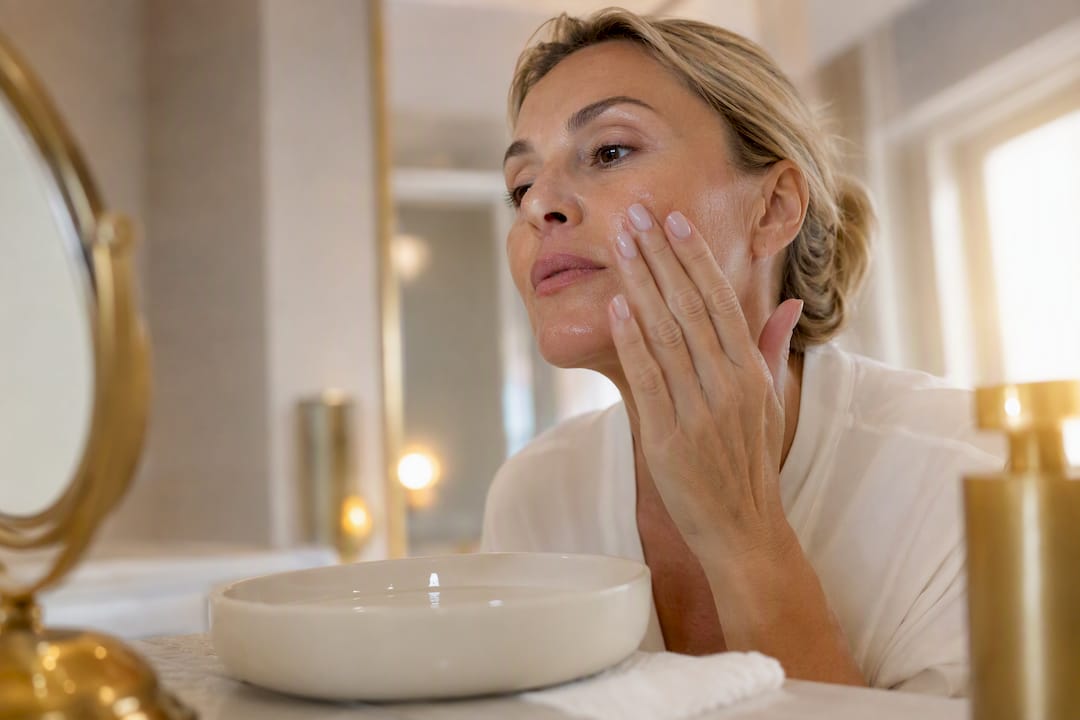
- Apply a humectant to damp skin. Hyaluronic acid and glycerin draw water into the outer layer. Pat your face dry so it's damp, not soaking, then apply the humectant immediately, once or twice daily.
- Layer a moisturiser suited to your skin. Ceramide-rich creams rebuild the lipid matrix that holds water in place. Water-in-oil formulas suit very dry, flaking skin, while lighter lotion textures work better for combination or oily-but-dehydrated skin that congests easily.
- Add an occlusive when you need extra sealing. Petrolatum or dimethicone-based balms lock in everything underneath and are worth reaching for on cracked hands, heels, or during particularly harsh weather.
- Pause strong actives until the barrier recovers. High-strength retinoids, AHAs, and BHAs can wait a week or two while ceramides and humectants do the repair work.
Application technique matters as much as product choice. Pat products in rather than rubbing vigorously, since friction can irritate already-compromised skin and increase the risk of folliculitis in hairy areas, according to NHS advice on emollients. Apply at least twice daily, and more often on hands and feet, which lose moisture faster and see more mechanical wear.
Statistic callout: Clinical prescribing guidance from the North East and North Cumbria region recommends frequent, consistent emollient application and using emollients as a soap substitute to protect barrier function over time, and using emollients as a soap substitute to protect barrier function over time. Consistency with a product you'll actually tolerate beats an occasional strong treatment applied inconsistently.
When shopping, look for hyaluronic acid, glycerin, ceramides, and urea on the ingredient list. Urea in particular has strong clinical evidence for treating xerosis, though it can sting on inflamed or broken skin, so choose lower concentrations for the face and reserve stronger formulas for the body. Avoid products leading with fragrance, high alcohol content, or aggressive acid percentages while your skin is recovering.
When should you see a professional about dehydrated skin?
Home care resolves most cases within one to two weeks. Book a clinical assessment if you notice fissures that won't heal, recurrent infection around cracked skin, or no improvement despite a consistent routine done correctly.
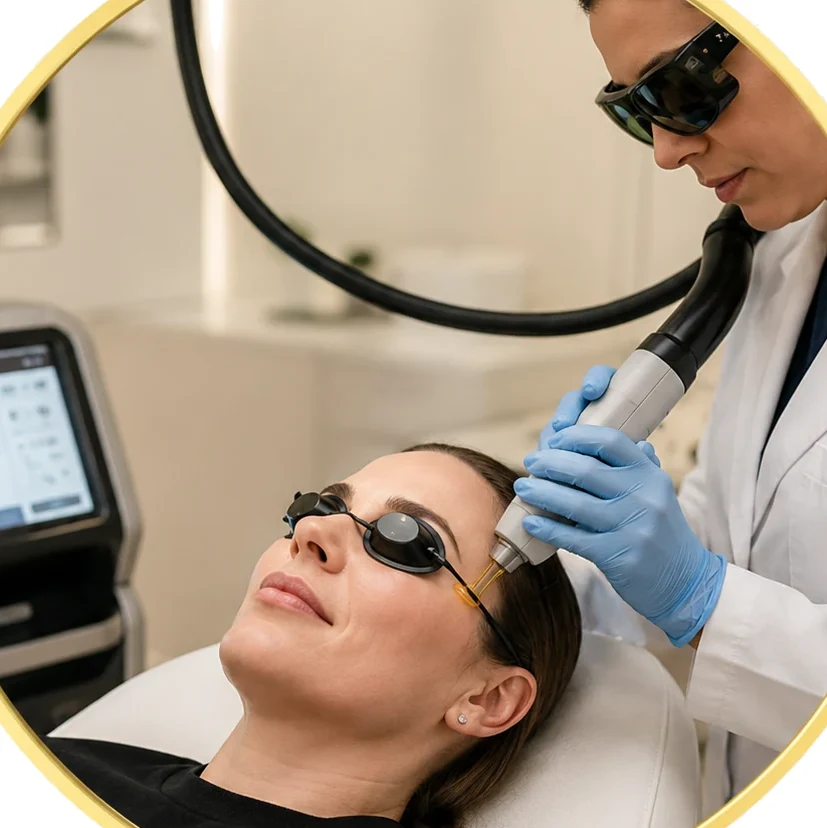
Several clinic-based options go beyond what topical products can achieve:
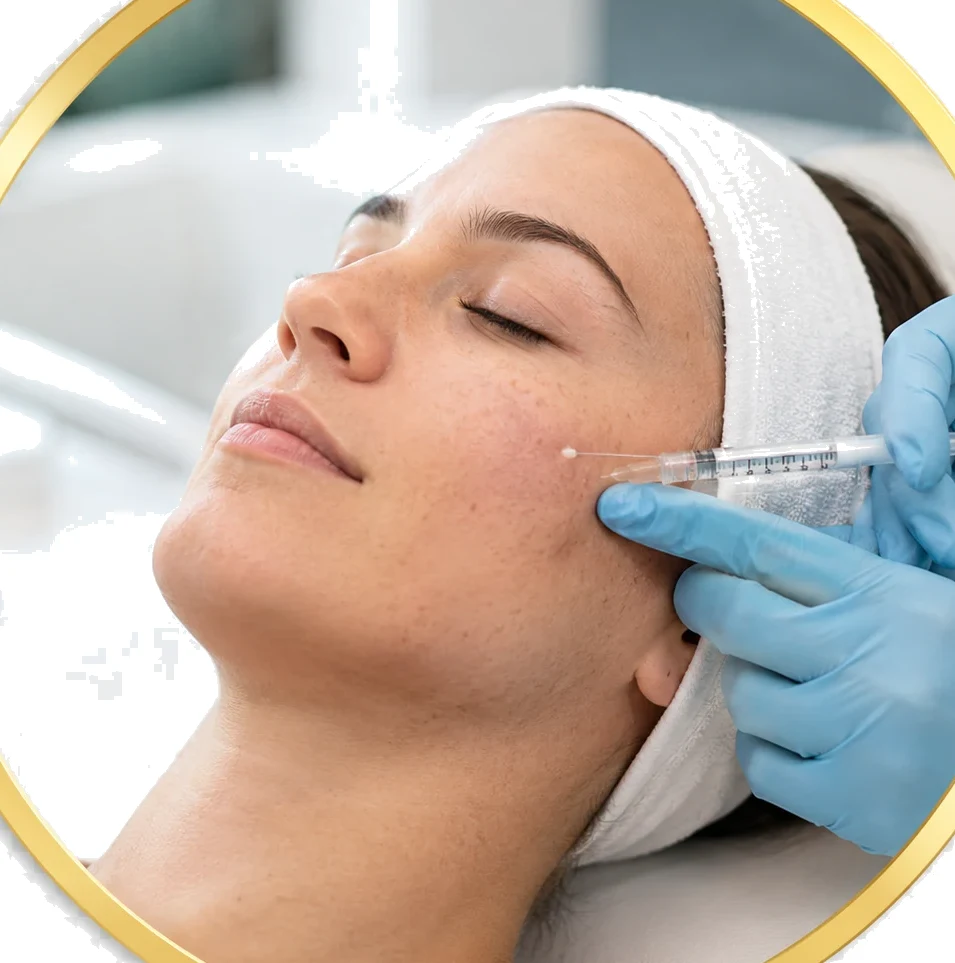
- Skin boosters deliver hyaluronic acid directly into the dermis, increasing water content and elasticity beyond what surface humectants reach on their own.
- Professional hydrating facials combine deeper exfoliation with intensive hydrating masks under guided technique.
- Prescription-strength urea formulations are dosed by concentration and vehicle depending on the treatment site, something a clinician calibrates more precisely than an over-the-counter product allows.
- Targeted skin diagnostics identify whether barrier dysfunction, an underlying skin condition, or a reaction to actives is driving the problem.
Pro Tip: If you've followed a correct routine for two to three weeks with no change, the issue may sit deeper than the surface, and a proper diagnostic assessment saves you money on products that were never going to fix it.
At Nexgen Clinic, AI-driven skin analysis maps hydration levels and barrier condition before recommending a plan, so a skin booster or a broader programme like NexGen Age Reset™ or Facial Balance™ is matched to what your skin actually needs rather than a generic protocol.
How do you prevent dehydrated skin from coming back?
Prevention is mostly about removing the triggers that caused the problem in the first place. Run a humidifier during heating season, keep showers short and warm rather than hot, and apply moisturiser while skin is still slightly damp to trap that surface water rather than let it evaporate.
- Use a humidifier in dry, centrally heated rooms during autumn and winter.
- Keep showers under ten minutes and lukewarm, not hot.
- Apply emollient to damp skin straight after washing, every time.
- Cut back on alcohol and heavily caffeinated drinks if you notice they worsen tightness.
- Drink water consistently through the day rather than in one large amount.
- On flights, apply a rich moisturiser before boarding and again mid-flight; after sun or cold exposure, switch to a heavier cream for a few days.
Publisher perspective: how Nexgen Clinic approaches hydration problems
Most dehydrated skin responds to a good routine, but clinical assessment finds what a mirror can't. AI-driven skin analysis measures hydration and barrier condition objectively, rather than guessing from how skin looks or feels on a given day. That distinction shapes the typical patient pathway at Nexgen Clinic: assess first, then match treatment intensity, whether that's a skin booster or a broader programme, to what the skin actually needs rather than a standard protocol applied to everyone.
— Ms Sandra Petraskaite
Ready for a tailored hydration plan? Here's how Nexgen Clinic helps
Nexgen Clinic gives you a diagnostic route into hydration problems that home care can't offer: AI-driven skin analysis that measures exactly where your barrier is compromised, rather than a routine built on trial and error.
For skin that stays dehydrated despite a consistent routine, Nexgen Clinic offers skin boosters that deliver hydration directly into the dermis, alongside signature programmes such as NexGen Age Reset™ and clinical-grade skincare from the clinic's own range for ongoing maintenance. A first visit starts with the clinic's AI skin assessment, which maps hydration and barrier function before any treatment is recommended, so you know exactly what you're addressing before you commit to a plan. If persistent tightness, dullness, or cracked skin hasn't improved after a few weeks of proper home care, book an assessment with Nexgen Clinic to find out what's actually happening beneath the surface.
Sources
For further reading, NHS guidance on emollients explains first-line dry skin management, while the DDG review on xerosis covers the clinical evidence behind urea and hydrating actives in more technical detail.
This article is general information, not a substitute for advice from a qualified doctor. Consult a qualified healthcare professional about your own circumstances before acting on anything here.
- Mayo Clinic — Dry skin: symptoms and causes
- DDG review — topical care for xerosis (hydrating ingredients and urea evidence)
- DermNet NZ — Dry skin: treatment and prevention
FAQ
What is the fastest way to fix dehydrated skin?
Apply a humectant like hyaluronic acid or glycerin to damp skin, then seal it with a suitable moisturiser, twice daily. Most people notice less tightness within a few days of consistent use.
What does severely dehydrated skin look like?
Severely dehydrated skin shows fissures, persistent soreness, or areas that bleed or fail to heal, rather than just dullness or tightness. These signs mean it's time to see a clinician rather than continue with home treatment alone.
How can I hydrate my skin naturally?
Drink water consistently through the day, keep showers short and lukewarm, and use a humidifier in dry or heated rooms. Pair these habits with a humectant and moisturiser applied to damp skin for the fastest visible improvement.
What is the best skincare for dehydrated skin?
Look for products containing hyaluronic acid, glycerin, ceramides, or urea, and avoid harsh foaming cleansers and strong exfoliating acids while your skin recovers. For skin that doesn't respond to topical care, Nexgen Clinic's skin boosters and tailored hydration programmes offer a clinical alternative.
Recommended
- Clinical Skincare Supplies | NexGen Clinic Cambridge
- Facials & Skin Health | NexGen Clinic Journal
- Skin Glow Treatment Cambridge | NexGen Clinic
- Skin Boosters in Cambridge | NexGen Clinic
Explore related NexGen treatments
- Explore our full treatment menu
- Book a consultation with our clinicians
- Contact our Cambridge team
- Read more articles in the NexGen Journal
Ready to explore your options?
Speak with a NexGen clinician for a personalised consultation. We’ll listen, assess, and recommend the safest and most effective route — always led by evidence, always tailored to you.
Book a consultation or get in touch with our Cambridge team.