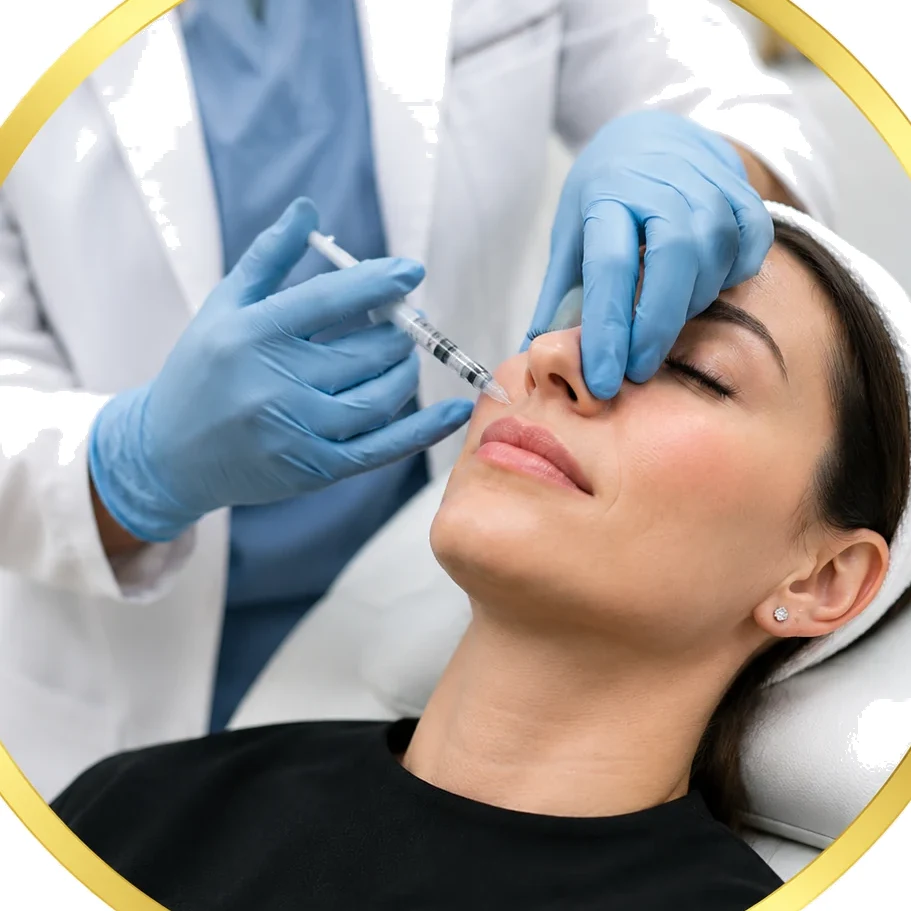
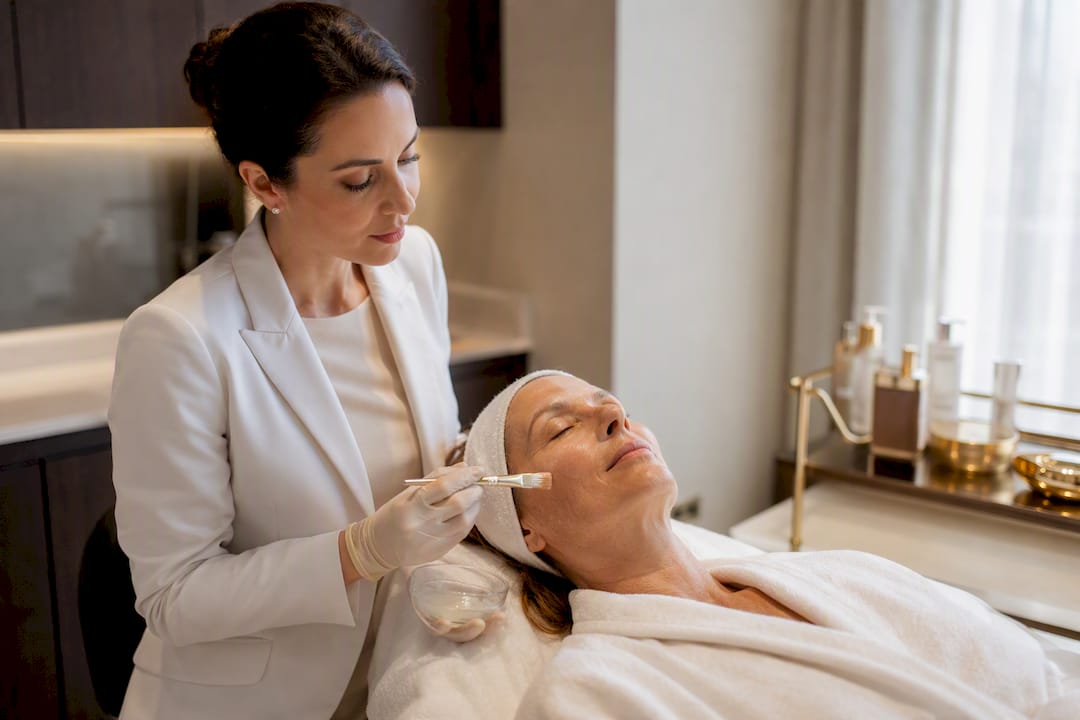
Medical facials are clinician-led treatments designed to change your skin's structure over time; spa facials are relaxation-focused treatments that give you a short-term glow. If you're dealing with acne, pigmentation, scarring or visible ageing, a medical facial addresses the underlying tissue. If you want smoother, brighter skin before an event or simply enjoy a monthly reset, a spa facial delivers that reliably.
Four things separate them immediately:
- Supervision: medical facials are performed or overseen by a registered healthcare professional; spa facials are delivered by beauty therapists.
- Intensity: medical treatments use higher-strength actives and devices; spa treatments use gentler, sensory-led products.
- Durability: medical results build over a course of sessions and last months; spa results typically fade within days.
- Downtime: medical procedures can cause visible redness or flaking; spa facials carry virtually none.
If you have an active skin condition, recent isotretinoin use, or persistent pigmentation, get a clinician assessment before booking either.
Key Takeaways
Medical facials produce longer-lasting, structural skin change through clinician-led courses, while spa facials deliver short-term hydration and relaxation with no downtime.
| Point | Details |
|---|---|
| Match treatment to goal | Choose medical facials for acne, pigmentation or ageing, and spa facials for maintenance or relaxation. |
| Check for documentation | A treatment is genuinely medical only when a clinician records a therapeutic benefit and plan. |
| Expect a course, not one visit | Medical results build over several sessions, typically three to six, rather than appearing instantly. |
| Downtime varies by intensity | Spa facials have no downtime; medical procedures can need 24 hours to a week to settle. |
| Nexgen Clinic personalises the path | Nexgen Clinic uses AI-driven skin analysis and consultation to match patients to skin boosters, Age Reset™ or a maintenance plan. |
This article is general information, not a substitute for advice from a qualified doctor. Consult a qualified healthcare professional about your own circumstances before acting on anything here.
Table of Contents
- What is a medical facial and what does it achieve?
- What is a spa facial and what does it reliably deliver?
- Medical facial vs spa facial: results, downtime and cost compared
- Who should choose which: matching your skin to the right treatment
- What to expect: the treatment journey and aftercare
- How to spot genuine medical supervision
- How to choose: your pre-booking checklist
- Why the "which is better" question misses the point
- Ready to find the right treatment for your skin?
- Sources
- FAQ
What is a medical facial and what does it achieve?
A medical facial (sometimes called a medi-facial) starts with a clinical assessment, not a menu choice. A registered practitioner examines your skin, discusses your goals, and builds a treatment plan aimed at a specific, documented outcome rather than a one-off sensory experience.
Common techniques include:
- Medical-grade chemical peels
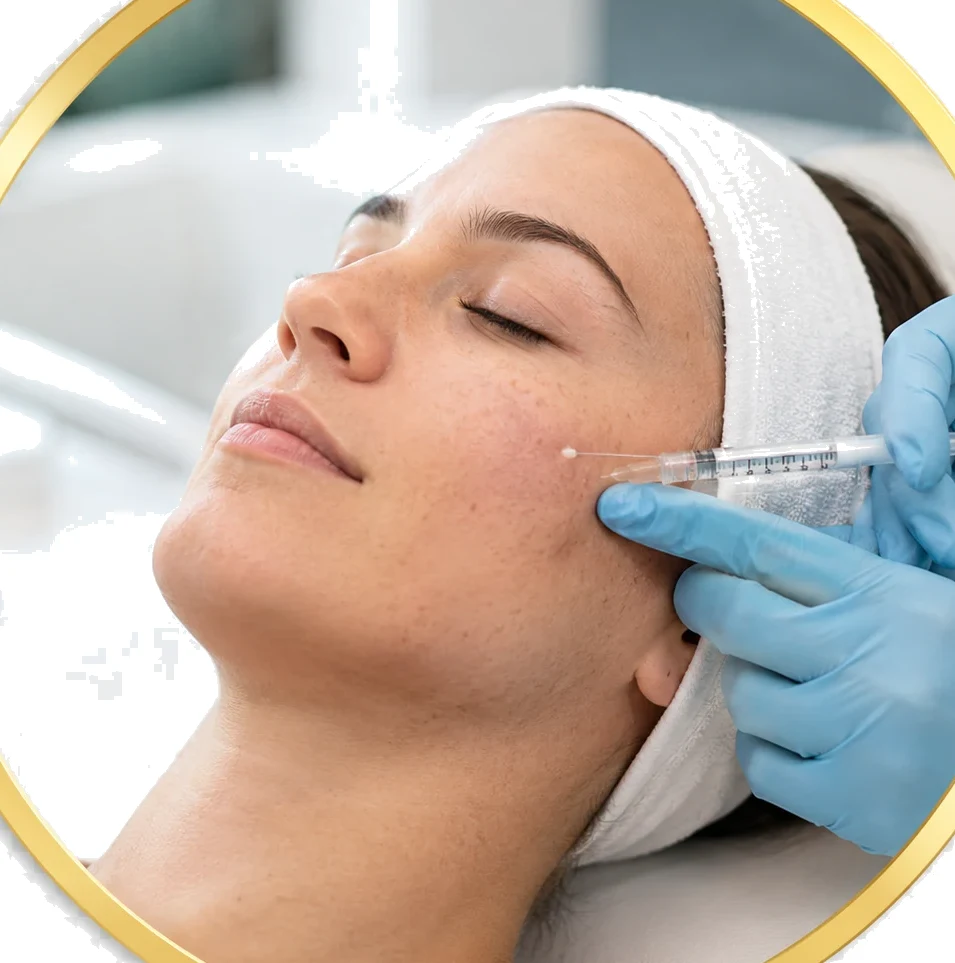
- Microneedling
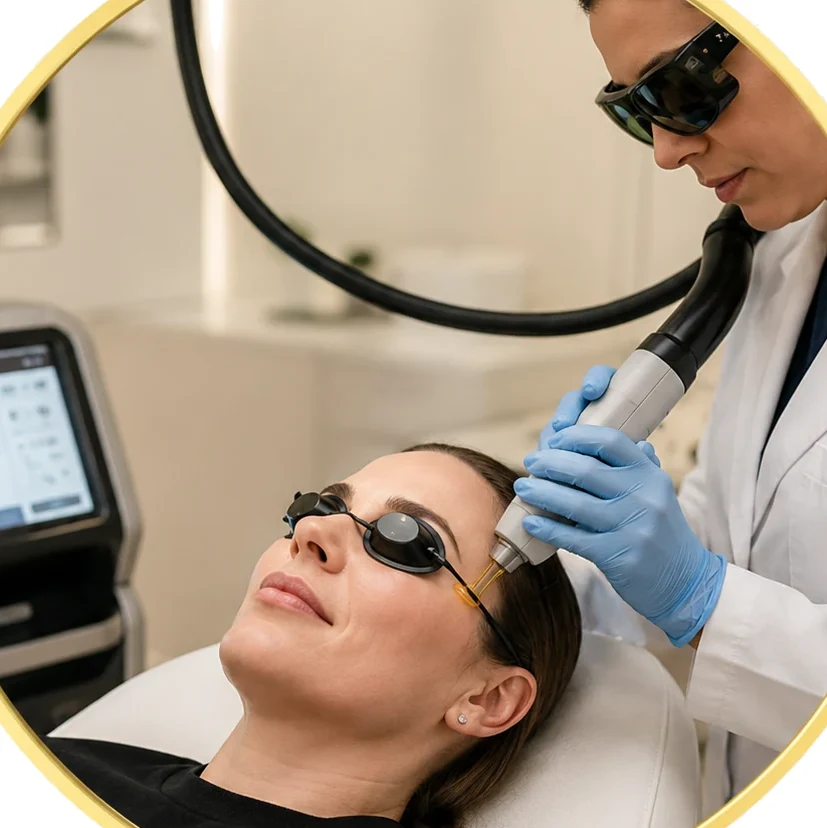
- IPL or laser therapy
- PRP (platelet-rich plasma)
- LED therapy combined with stronger topical actives
These procedures work by prompting genuine dermal remodelling. Peer-reviewed evidence on dermatologic procedures shows that device- and procedure-driven treatments like microneedling and chemical peels can produce longer-term improvements in texture, pigmentation and fine lines than surface-level care alone.
Statistic callout: Because these treatments trigger a genuine healing and remodelling response, most clinics recommend a course of three to six sessions rather than a single visit, with visible change often building over several weeks. Practitioners typically log skin condition, product history and progress at each visit, which matters if you ever need to troubleshoot a reaction.
What is a spa facial and what does it reliably deliver?
A spa or salon facial follows a familiar, predictable sequence: cleanse, steam, extractions if needed, gentle exfoliation, a mask, then serums and moisturiser, usually finished with a relaxing massage.
- Cleansing and steaming to soften the skin
- Light exfoliation, rarely a medical-strength peel
- A hydrating or brightening mask
- Facial massage for circulation and relaxation
- Finishing serums matched to skin type, not a clinical diagnosis
The spa sector is built around wellness and sensory experience, so the benefits you feel, hydration, glow, a flushed circulation, tend to peak within a day or two and fade within a week. Spas deliberately avoid higher-risk actives or invasive devices, which keeps the experience low-risk but limits what it can change structurally.
Medical facial vs spa facial: results, downtime and cost compared
Choosing between them gets easier once you line up the practical differences side by side.
| Dimension | Medical facial | Spa facial |
|---|---|---|
| Purpose / best for | Corrective: acne, pigmentation, scarring, ageing | Maintenance, relaxation, pre-event glow |
| Typical techniques | Peels, microneedling, laser/IPL, PRP, LED | Cleansing, steam, massage, mask, light exfoliation |
| Provider qualifications | Registered healthcare professional, documented plan | Trained beauty therapist |
| Result durability | Weeks to months, builds over a course | Days, fades within a week |
| Downtime | None to a week, depending on intensity | None |
| Cost / frequency | Higher per session, often sold as a course | Lower per session, monthly maintenance |
Clinical write-ups on treatment modalities confirm that medical facials use higher-concentration actives and device therapies that need clinician oversight, which is exactly why the provider column matters as much as the technique itself. A single microneedling session can leave you visibly pink for a day or two, while an IPL session for pigmentation may need 48 to 72 hours before skin settles. Spa facials, by contrast, are designed so you can walk straight back into your day.
Cost reflects that gap. Spa facials are usually priced per visit and booked monthly. Medical facials are more often sold as a course of care, because a single session rarely produces the structural change the treatment is capable of.
Who should choose which: matching your skin to the right treatment
Medical facials tend to suit you if you have:
- Active or scarring acne
- Rosacea or persistent redness
- Stubborn pigmentation or melasma
- Visible fine lines, laxity or textural ageing
- A previous course of treatment that needs maintaining
Spa facials tend to suit you if you:
- Want general maintenance with no specific medical concern
- Are prepping for an event and want a same-day glow
- Value relaxation as much as any skin outcome
- Have sensitive skin that reacts badly to strong actives
Some situations rule out either option temporarily: recent isotretinoin use, active skin infection, and pregnancy are common reasons a clinic will pause or adjust a treatment plan. Budget and time also matter practically, a medical course demands more of both than a single spa visit.
Pro Tip: If you're not sure which category your concern falls into, book a consultation rather than a treatment. A five-minute skin assessment often changes the recommended plan entirely.
What to expect: the treatment journey and aftercare
Every proper medical facial starts with a consultation and skin analysis, recording your history, current products and specific goals, because that record is what justifies the treatment plan later.
A typical medical chemical peel or microneedling session runs 30 to 60 minutes, followed by calming products. A spa facial runs longer, often 60 to 90 minutes, built around relaxation rather than speed.
Downtime varies by intensity:
- Classic spa facial: no downtime, glow visible immediately
- Hydradermabrasion: little to no downtime, mild tightness
- Medical chemical peel: 24 to 72 hours of redness or flaking
- Deeper microneedling or laser: up to a week of visible recovery
For the first 48 to 72 hours after a medical procedure, avoid retinoids, exfoliating acids, and unprotected sun exposure, and stick to the aftercare your clinician provides rather than substituting your own products.
How to spot genuine medical supervision
The JCCP's own guidance is the clearest yardstick available: a procedure only counts as medical when a registered healthcare professional has documented an intended therapeutic benefit and a treatment plan. Without that record, a treatment may be cosmetic in name only, regardless of how it's marketed.
A treatment becomes "medical" the moment a clinician records why it's needed, what outcome it targets, and how progress will be tracked, not because of the equipment used.
Before booking, check for:
- A registered practitioner name you can verify
- Documented consent and an outcome record
- A clear pathway if something goes wrong
- Sterile, single-use consumables where the procedure calls for them
If a concern looks inflamed, painful, or unusual, a GP or dermatologist referral should come before any cosmetic booking.
How to choose: your pre-booking checklist
Before you commit to either route, run through this list:
- Ask whether the treatment is performed or supervised by a registered healthcare professional.
- Request a proper consultation, not just a price list.
- Ask to see before-and-after examples relevant to your concern.
- Get written aftercare instructions before you pay.
- Confirm pricing for a full course, not just the first session.
Questions worth asking the clinic directly: who performs the treatment, what downtime to expect, what aftercare looks like, and what alternatives exist if this isn't the right fit.
Pro Tip: Walk away from any provider who skips the consultation, brushes off risk questions, or pressures you to book a package on the spot without documented aftercare.
Why the "which is better" question misses the point
Most people ask which facial is objectively better, and that framing is the problem. A medical facial and a spa facial solve different problems, so comparing them like competing products misses what each is actually for. Spa facials do exactly what they promise: hydration, glow, relaxation, and they do it reliably and safely for the vast majority of skin types.
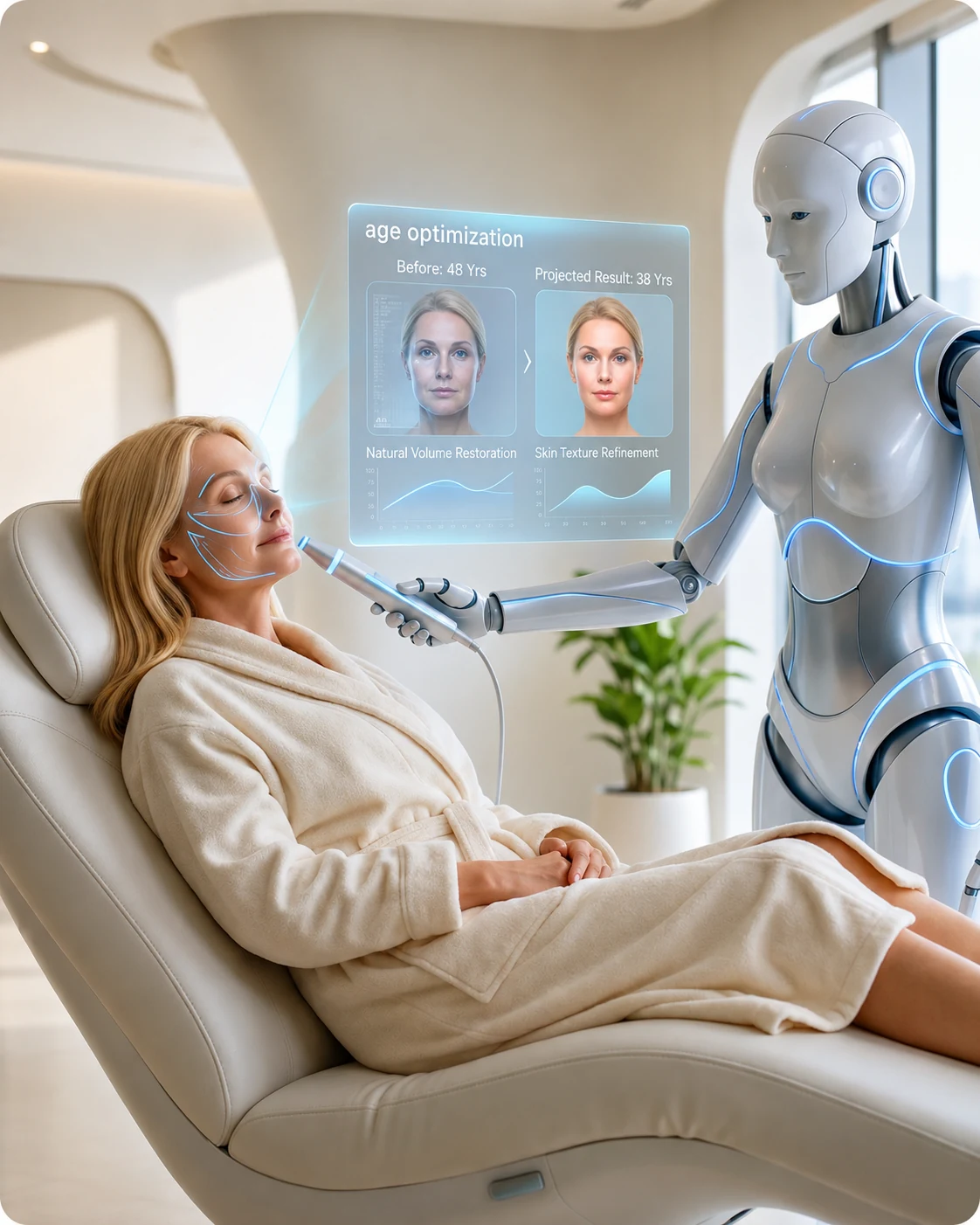
The mistake is expecting a spa facial to fix acne scarring, or expecting a medical peel to feel indulgent. Neither assumption holds up. If your goal is structural change, pigmentation correction, or reversing early signs of ageing, only a properly assessed, course-based medical approach has the evidence behind it. Nexgen Clinic's use of AI-driven skin analysis exists precisely to remove the guesswork from that decision, because triage by algorithm and clinician judgement together catch things a standard consultation form often misses.
What people underestimate is how often the right answer is both: spa-style maintenance between properly spaced medical courses, rather than picking one lane permanently.
— Ms Sandra Petraskaite
Ready to find the right treatment for your skin?
If you've read this far wondering which category your own skin falls into, that uncertainty is exactly what a proper consultation resolves, not another product review. Nexgen Clinic builds every plan around AI-driven skin analysis rather than a fixed treatment menu, so you're matched to what your skin genuinely needs rather than whatever happens to be on offer that month.
For corrective concerns like dehydration, early ageing or dullness, skin boosters are often the starting point, while more advanced structural goals sit within the NexGen Age Reset™ programme as part of a wider precision treatments plan. Every pathway begins with a private consultation, similar in principle to the assessment described in this medspa consultation guide, where your history and goals shape the plan before anything is booked. If you're ready to find out which approach fits your skin, book a consultation with Nexgen Clinic and get a plan built around your results, not a price list.
Sources
- NCBI PMC article (peer-reviewed evidence on dermatologic procedures)
- Joint Council for Cosmetic Practitioners: medical/cosmetic definitions paper
- Global Wellness Institute — spa industry overview
- DOI clinical/aesthetic article (treatment modalities and oversight)
FAQ
What procedure takes years off your face?
No single procedure is universally "the one," but courses of medical-grade treatments like microneedling, chemical peels and laser resurfacing produce the most visible structural change because they trigger genuine dermal remodelling rather than a surface effect.
What is the best type of facial to do?
It depends entirely on your goal: a medical facial suits corrective concerns like acne or pigmentation, while a spa facial suits general maintenance and relaxation with no downtime.
Is a medical facial worth the extra cost?
If you have a specific skin concern like scarring or pigmentation, a course of medical facials is usually the better investment because results last months rather than days.
Can I have a spa facial and a medical facial in the same month?
Yes, many people use spa facials for maintenance between medical treatment courses, provided your skin isn't in an active healing phase from a recent procedure.
How do I know if a provider is genuinely medical?
Check that a registered healthcare professional has documented your consultation, treatment plan and expected therapeutic benefit, as outlined in JCCP guidance, rather than relying on marketing language alone.
Recommended
- Facials & Skin Health | NexGen Clinic Journal
- Advanced Facial Treatments Cambridge | NexGen Clinic
- Skin Boosters vs Profhilo: Which Treatment Is Right?
- Acne Facial Cambridge | Expert Skincare Treatments
Explore related NexGen treatments
- Explore our full treatment menu
- Book a consultation with our clinicians
- Contact our Cambridge team
- Read more articles in the NexGen Journal
Ready to explore your options?
Speak with a NexGen clinician for a personalised consultation. We’ll listen, assess, and recommend the safest and most effective route — always led by evidence, always tailored to you.
Book a consultation or get in touch with our Cambridge team.