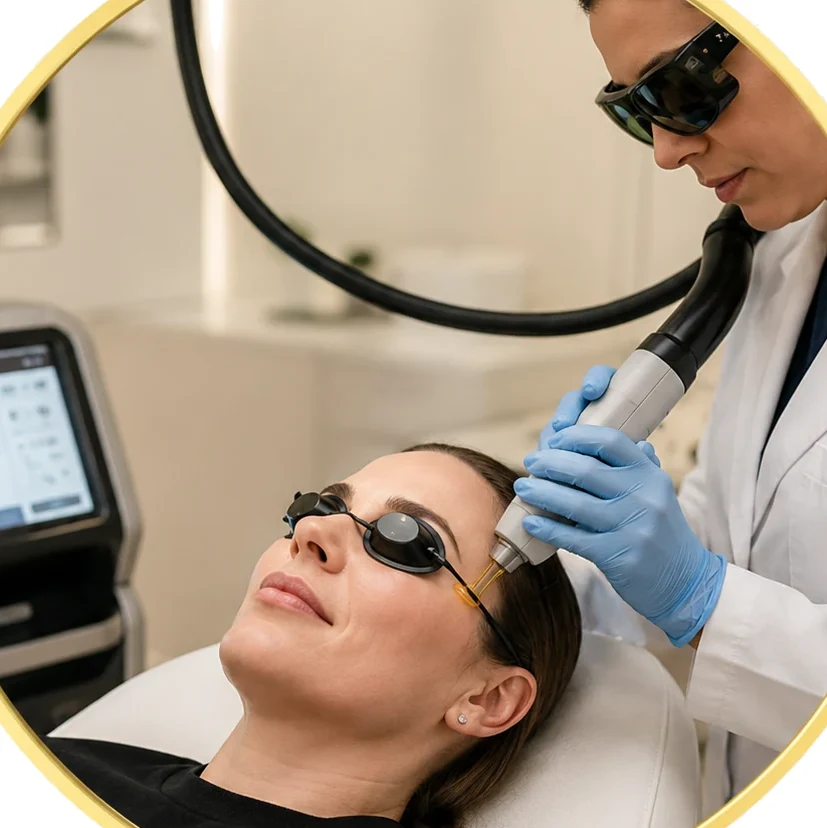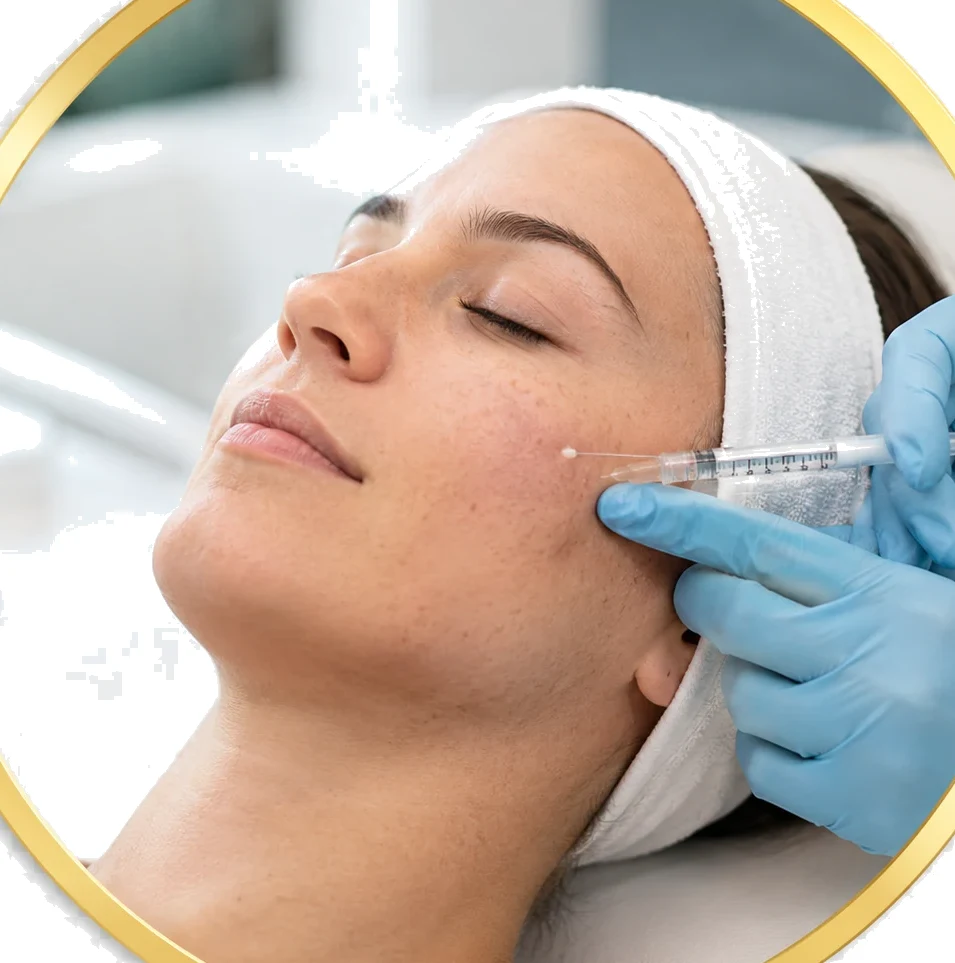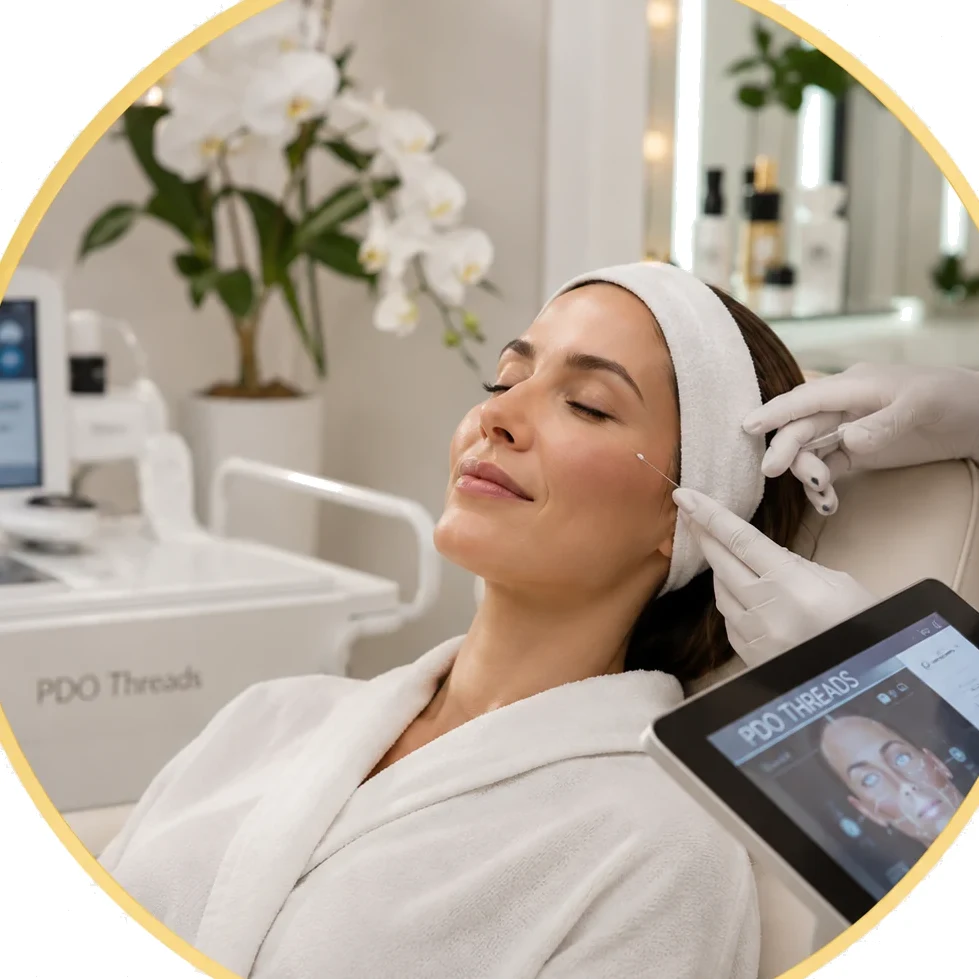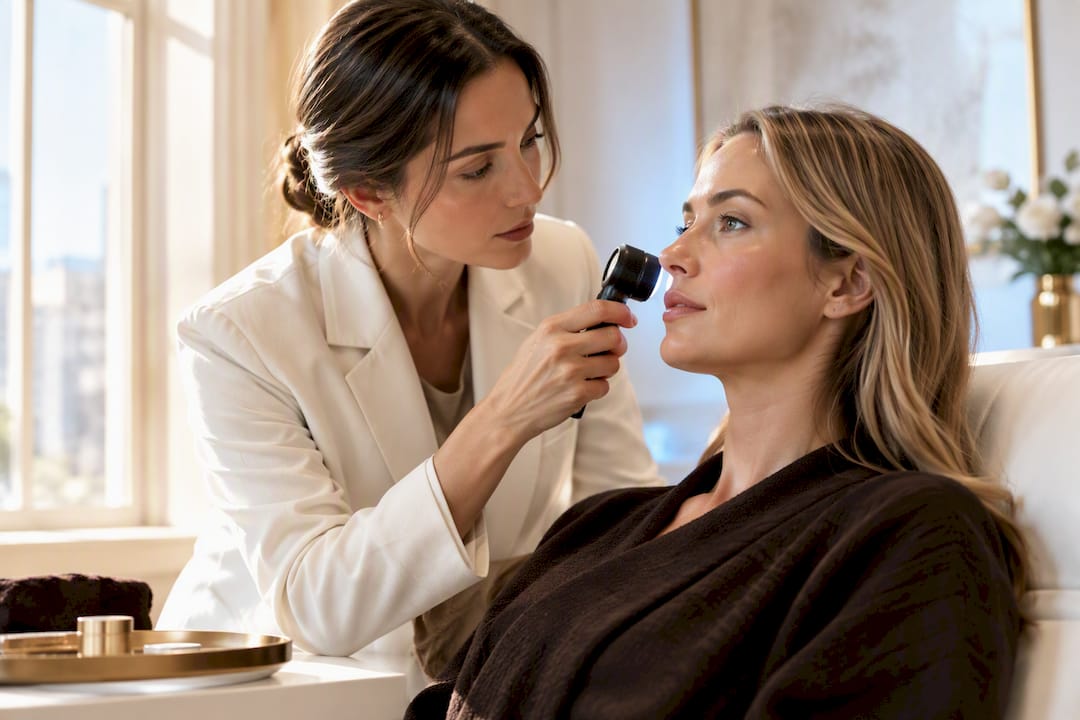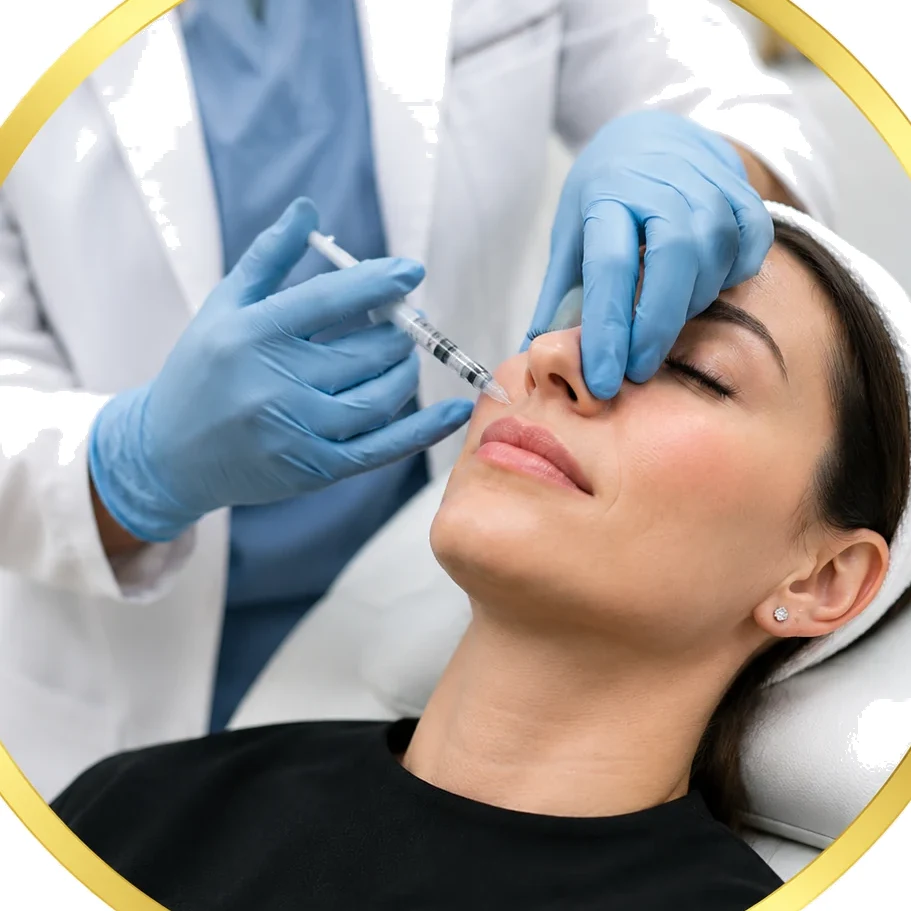

A glass skin facial is a multi-step, Korean-inspired clinic treatment that creates deeply hydrated, smooth, luminous skin by combining gentle exfoliation with layered hydration and barrier repair. Most people see an immediate dewy effect after one session, though the smoother texture and stronger barrier that define true glass skin build cumulatively over a short course of treatments and consistent home care.
TL;DR:
- A typical course uses three to six sessions, spaced two to four weeks apart, followed by maintenance every one to three months.
- Delay treatment for infection, cold sores, wounds, sunburn, or isotretinoin use within six months; consult a clinician first for melasma, rosacea, or deeper skin tones.
- For 24 to 48 hours afterward, cleanse gently, avoid retinoids and acids, and apply SPF each morning because exfoliated skin is more UV sensitive.
- For dehydration and dullness, favor the layered protocol over standalone peels or microneedling; HydraFacial is faster but includes less serum layering.
Table of Contents
- What a glass skin facial is and why it works
- Benefits: what results you can reasonably expect
- Who is suitable and who should pause or consult first
- Step-by-step protocol used in clinics
- Before-and-after results and what to expect over time
- Aftercare and how to keep the glass skin glow at home
- Clinical perspective: what a medically led clinic emphasises
- Integration of regenerative science approaches within the glass skin facial protocol
- Detailed explanation of the serums and skin boosters used for barrier repair
- Expected results timeline and long-term skin health improvements
- Comparison with other popular facial treatments
- Cost range and session duration
- What the glass skin trend gets wrong, and what actually matters
- How we approach glass skin facials at NexGen Clinic
- FAQ
- Sources
- Primary sources and authoritative references
What a glass skin facial is and why it works
The glass skin facial grew out of Korean skincare philosophy, where the goal is not to mask the skin but to make it genuinely healthy enough to reflect light evenly, the way glass or porcelain does. We approach it as a layered process: each step prepares the skin for the next, rather than a single product or device doing all the work.
The visual effect comes down to physiology. When the stratum corneum (the skin's outermost layer) is smooth and well hydrated, it scatters light evenly instead of unevenly, which is what creates that glass-like sheen. Keeping transepidermal water loss (TEWL) low is central to this, since a compromised barrier lets water escape and leaves skin looking dull and rough, as DermNet NZ explains in its overview of skin barrier function.
A glass skin protocol typically aims to:
- Hydrate the deeper and surface layers of skin simultaneously
- Refine surface texture by removing dead skin cells and smoothing roughness
- Support and strengthen the skin barrier so hydration is retained for longer
Benefits: what results you can reasonably expect
Results fall into two broad categories, and knowing the difference helps you set realistic expectations before booking.
Immediately after treatment, most people notice brighter, visibly plumper skin with a dewy finish. This comes from surface hydration and temporary micro-swelling of the skin, which improves how light reflects off the face.
Over the following weeks, more structural changes tend to appear:
- Fine lines look softer as hydration plumps the skin from within
- Texture becomes smoother and more even
- Pores can look less noticeable as surrounding skin firms and hydrates
Pro Tip: Book your first glass skin facial a few weeks before a big event rather than the day before, since the best results build over several days to weeks.
Clinical research on topical growth factors, a common ingredient family in these protocols, shows that texture and fine-line improvements are usually gradual rather than instant: studies indicate visible change typically takes 4 to 8 weeks of consistent use. This is why we always frame a glass skin facial as part of a short programme rather than a single fix, with home maintenance between visits to help lock in the changes a single session starts.
Who is suitable and who should pause or consult first
Most skin types and concerns, including dehydration, dullness, early fine lines and uneven texture, respond well to a glass skin protocol. Because the treatment is adjustable, we tailor the exfoliation strength and device settings to your skin's tolerance at consultation.
- Delay treatment if you have an active skin infection, cold sore, open wound or sunburn in the treatment area.
- Delay treatment if you have used oral isotretinoin in the past six months, since skin is more fragile and reactive during this period.
- Seek a medical assessment first if you have rosacea, melasma or active pigmentation concerns, or if you have a deeper skin tone, since more intense exfoliation or microneedling can carry a higher risk of post-inflammatory pigment changes in some skin types.
Step-by-step protocol used in clinics
A typical glass skin facial follows a set sequence, with each stage building on the one before. Session length usually runs between 45 and 75 minutes depending on which optional steps are included.
- Cleanse and assess. Skin is double-cleansed to remove make-up, oil and surface debris, and your practitioner checks for any signs that a step should be adjusted or skipped.
- Dermaplaning or gentle exfoliation. A sterile blade or enzyme-based exfoliant lifts dead skin cells and fine vellus hair, instantly smoothing the surface and improving how serums absorb afterwards.
- Gentle peel or enzyme treatment. A mild chemical or enzyme peel refines texture further and encourages cell turnover without the downtime of a deeper peel.
- Serum layering or infusion. Multiple thin layers of hyaluronic acid, humectants and sometimes growth-factor serums are applied in succession, each one locking in the last, which is the step that gives the "glass" effect its depth.
- Optional microneedling or microinfusion. Fine needles create controlled micro-channels that encourage the skin's own repair response and help active ingredients penetrate more effectively. Chelsea and Westminster NHS Foundation Trust's patient information on microneedling notes that mild redness and tightness for one to three days afterwards is common.
- LED therapy. Calming light wavelengths are often used to reduce any post-procedure redness and support skin comfort.
- Calming mask and barrier seal. A hydrating or soothing mask finishes the treatment, locking in the layers beneath and leaving the barrier protected as you leave the clinic.
Not every step suits every session. We adjust the protocol based on your skin's sensitivity that day, so microneedling or a stronger peel might be swapped for a gentler infusion-only approach if your skin needs calming rather than challenging.
Pro Tip: If you have a sensitive or reactive skin history, ask about a patch test at consultation so your practitioner can confirm which serums and peel strengths suit you before your full session.
Before-and-after results and what to expect over time
The clearest way to track progress is to compare how skin looks immediately after treatment against how it looks four to eight weeks later, once hydration and any microneedling-induced repair have had time to settle.
- Immediately after: brighter, plumper, visibly dewy skin with reduced surface roughness.
- 4 to 8 weeks later: smoother overall texture, softer fine lines and a more even tone, consistent with the gradual timeline clinical research on topical growth factors describes for these ingredients.
- Photographic documentation: credible before-and-after sets are taken under the same lighting and angle, without filters, so genuine texture and tone changes are visible rather than implied.
Most people benefit from a short course of three to six sessions spaced two to four weeks apart, followed by maintenance visits every one to three months depending on skin goals and how well home care is maintained between appointments.
Aftercare and how to keep the glass skin glow at home
What you do in the days after your facial has a real effect on how long the glow lasts. For the first 24 to 48 hours, keep cleansing gentle, avoid strong actives such as retinoids or acids, and apply a broad-spectrum SPF every morning without exception, since freshly exfoliated skin is more sensitive to UV damage.
A simple home routine between sessions should include:
- A hydrating cleanser that does not strip the skin
- Humectants such as hyaluronic acid to draw moisture into the skin
- Niacinamide to support barrier function, which DermNet NZ notes can improve texture and hydration within weeks of regular use
- An occlusive night cream to lock in moisture while you sleep
Pro Tip: Apply your hyaluronic acid serum to slightly damp skin rather than dry skin, since humectants work by drawing moisture from the surrounding environment into the skin.
Moisturisers and emollients are not an afterthought here. They form an essential part of maintaining results, since they continue the barrier-repair work your facial started by reducing ongoing transepidermal water loss between clinic visits. We generally recommend spacing professional sessions two to four weeks apart during an initial course, then shifting to monthly or quarterly maintenance once your skin reaches the texture and hydration level you are aiming for.
Clinical perspective: what a medically led clinic emphasises
We begin every glass skin consultation with an AI-driven skin analysis that maps hydration levels, texture irregularities and barrier strength before any treatment decision is made. This lets us build a protocol around what your skin actually needs rather than applying a single standard sequence to everyone, whether that means prioritising deep hydration, focusing more on collagen-supporting steps, or dialling back exfoliation for more reactive skin.
Doctor-led consultations also matter for safety. Screening for recent isotretinoin use, active skin infections and pigmentary risk before combining microneedling or peels with infusion therapies reduces the likelihood of adverse reactions, a precaution reflected in NHS patient guidance on microneedling.
Personalised assessment before treatment, not a fixed protocol applied to everyone, is what separates a genuinely tailored glass skin facial from a generic spa treatment.
— Ms Sandra Petraskaite
Integration of regenerative science approaches within the glass skin facial protocol
Regenerative science looks at how to encourage skin to repair and renew itself more effectively, rather than simply treating the surface. Within a glass skin facial, this shows up most clearly in the controlled micro-injury created by microneedling, which prompts the skin's own healing response and, as NHS patient guidance explains, can improve texture over time as that healing process unfolds.
Growth-factor serums are often introduced at this stage, since the micro-channels created by needling or microinfusion allow for better penetration than applying the same serum to intact skin alone. Clinical literature on topical growth factors suggests they can support improvements in texture and fine lines, though the effect builds gradually rather than overnight.
We view regenerative techniques as a layer added to the core hydration protocol rather than a replacement for it. Someone with mild dehydration and dullness might need only the hydration-focused steps, while someone with more visible texture irregularities or early ageing concerns may benefit from microneedling or skin boosters alongside the standard layering sequence. This is one of the reasons a pre-treatment skin assessment matters: it determines how much regenerative input your skin will actually benefit from, rather than defaulting to the most intensive option available.
Detailed explanation of the serums and skin boosters used for barrier repair
The serum layering stage is where most of the barrier-repair work happens, and the ingredients chosen matter as much as the technique.
Hyaluronic acid is the most common humectant used, prized for its ability to hold many times its weight in water at the skin's surface and mid-layers. Niacinamide is frequently layered alongside it, since clinical trials show it can improve barrier function, reduce transepidermal water loss and even out texture over four to twelve weeks of regular use. Peptide-based serums are another common addition, often included to support the skin's structural proteins.
Skin boosters, injectable treatments that deliver hydrating compounds beneath the skin's surface, are sometimes recommended as a complementary step for people wanting longer-lasting hydration than topical serums alone can achieve. We offer Profhilo and Polynucleotides as injectable options that support hydration and tissue quality between facial sessions, for readers whose consultation suggests they would benefit from this additional layer.
Growth-factor serums are generally positioned as an adjunct rather than a primary step, since their evidence base points to gradual improvement rather than immediate change, which is consistent with how we sequence them later in a protocol once the foundational hydration and barrier steps are in place.
Expected results timeline and long-term skin health improvements
The results timeline for a glass skin facial follows a predictable pattern. In the first 24 to 72 hours, you will see the most immediate effect, brighter, plumper, more reflective skin, though any redness from exfoliation or microneedling typically settles within a few days.
Between two and eight weeks, the more durable changes emerge: smoother texture, softer fine lines and a more even tone, which aligns with the timeframe clinical research on growth factors and topical actives consistently describes for these ingredient types. This is the stage where a short course of sessions, rather than a single treatment, makes the biggest difference to how long results last.
Beyond eight weeks, long-term skin health depends largely on maintenance. A strengthened barrier, supported by ongoing use of humectants and barrier-supportive ingredients such as niacinamide, helps skin retain moisture more efficiently on its own, which is part of why DermNet NZ frames barrier health as central to sustained hydration rather than something achieved in a single visit. Most people find that quarterly maintenance sessions, combined with a consistent home routine, keep the glass skin effect stable well beyond the initial course.
Comparison with other popular facial treatments
Glass skin facials sit in a specific niche: they prioritise hydration and barrier repair above all else, which sets them apart from treatments built around other goals.
A classic HydraFacial, which we also offer, focuses on vacuum-based deep cleansing and hydration infusion in a single streamlined step, making it faster but generally less layered than a full glass skin protocol. Standard microneedling alone targets texture and fine lines through controlled micro-injury but does not typically include the multi-step serum layering that defines the glass skin approach. Chemical peels on their own tend to prioritise exfoliation and pigment correction, often with more visible downtime, rather than the gentle, cumulative hydration focus of a glass skin sequence.
What makes a glass skin facial distinct is the combination: gentle exfoliation, multiple hydration layers and barrier-focused finishing steps delivered in one coordinated sequence, rather than any single mechanism doing the work. For someone whose main concern is dullness and dehydration rather than deeper lines or pigmentation, this layered, lower-intensity approach is often a better starting point than a single-focus treatment.
Cost range and session duration
Pricing for a glass skin facial varies by clinic and by which optional steps, such as microneedling or LED therapy, are included in your session. A typical appointment runs between 45 and 75 minutes, depending on how many stages your practitioner includes.
Where injectable skin boosters are added to extend hydration beyond what topical serums achieve, Profhilo sessions start from £250 and Polynucleotide treatments start from £180 per session. For readers considering complementary treatments such as dermal fillers or PDO threads as part of a broader rejuvenation plan, dermal fillers start from £180 and PDO threads start from £350. Pricing for HydraFacial, microneedling and standard glass skin facial packages is available on request at consultation, since the exact protocol is tailored to your skin assessment rather than sold as a single fixed package.
What the glass skin trend gets wrong, and what actually matters
The glass skin trend is often sold as a single treatment, when the evidence points somewhere more modest: a layered hydration and barrier-repair protocol that works cumulatively, not instantly. The biggest misconception we see is that one session should deliver a permanent transformation. In reality, the clinical literature on growth factors and barrier-supportive ingredients consistently shows gradual improvement over weeks, not days.
What gets underrated is aftercare. Many people focus entirely on the in-clinic steps and treat home care as optional, yet the barrier-repair ingredients used between sessions, humectants, niacinamide, SPF, are doing just as much work as the treatment itself. A single facial without consistent home maintenance rarely produces the lasting glass skin effect people expect from photos online.
If we had to prioritise one thing for someone starting out, it would be this: get a proper skin assessment before booking anything. Skin that is dehydrated needs a different protocol from skin that is textured or pigmented, and treating them the same way wastes both time and money.
— Ms Sandra Petraskaite
How we approach glass skin facials at NexGen Clinic
We build every glass skin protocol around your skin's actual needs rather than a fixed menu of steps. Your first appointment starts with an AI-driven skin analysis that measures hydration, texture and barrier strength, which lets us decide whether your plan should lean towards skin boosters, microneedling, HydraFacial, or a serum-focused layering sequence, often combining several of these within one bespoke programme.
At your first consultation, we talk through your skin history, check for any contraindications, and explain exactly which steps we recommend and why before any treatment begins. If you are ready to find out what a tailored glass skin protocol would involve for your own skin, you can view our full range of clinic treatments and book a consultation with our team.
This article is general information, not a substitute for advice from a qualified doctor. Consult a qualified healthcare professional about your own circumstances before acting on anything here.
FAQ
How much is a glass facial?
Pricing depends on which steps are included in your protocol, since microneedling, LED therapy and skin boosters add to the base cost of a standard facial. Where boosters are part of the plan, Profhilo starts from £250 and Polynucleotides start from £180 per session, while core facial pricing is confirmed at consultation based on your skin assessment.
Is a glass skin facial worth it?
For dehydrated, dull or textured skin, a glass skin facial can deliver a noticeably brighter, smoother complexion, particularly when paired with consistent home aftercare. Results build over a short course of sessions rather than appearing after a single visit, so it suits people looking for gradual, cumulative improvement rather than an instant fix.
Which facial is best for glass skin?
A layered protocol combining gentle exfoliation, serum infusion and barrier-repair steps, the classic glass skin sequence, tends to produce the most even, dewy result for dehydration and dullness. For deeper texture or fine-line concerns, adding microneedling or a skin booster alongside this base protocol often improves outcomes further.
What do Koreans do to get glass skin?
The Korean approach centres on layered hydration: multiple thin layers of hydrating serums and essences applied in sequence, alongside consistent gentle exfoliation and daily SPF use. Clinic-based versions of this philosophy add professional-grade exfoliation and infusion techniques to accelerate and deepen the same hydration-focused result.
Do I need more than one session to see results?
Most people need a short course of three to six sessions to see the full texture and tone improvements, since hydration and barrier repair build cumulatively. A single session typically delivers immediate brightness, while lasting structural change tends to appear over several weeks of treatment and home care.
Sources
- Legislation
- Gov
- PubMed: clinical data on growth factors (representative study)
- Microneedling patient information (Chelsea and Westminster NHS Foundation Trust)
- DermNet NZ: skin barrier function
Primary sources and authoritative references
- Legislation
- Gov
- PubMed: clinical data on growth factors (representative study)
- Microneedling patient information (Chelsea and Westminster NHS Foundation Trust)
- DermNet NZ: skin barrier function
- DermNet NZ: nicotinamide
- DermNet NZ: emollients and moisturisers
- Role of growth factors in skin creams (DermNet NZ)
Explore related NexGen treatments
- Explore our full treatment menu
- Book a consultation with our clinicians
- Contact our Cambridge team
- Read more articles in the NexGen Journal
Ready to explore your options?
Speak with a NexGen clinician for a personalised consultation. We’ll listen, assess, and recommend the safest and most effective route — always led by evidence, always tailored to you.
Book a consultation or get in touch with our Cambridge team.