A sensitive skin facial can be entirely safe, provided the treatment is built around calming and barrier repair rather than aggressive correction. The safest options are hydrating or calming facials, red LED light therapy, oxygen infusions, and gentle enzyme or specially adapted HydraFacial protocols. Strong chemical peels, microdermabrasion, aggressive extractions, and heavy steam belong on your avoid list, and any reputable clinician should be happy to explain why.
TL;DR:
- Gentle, calming facials focused on barrier repair with ceramides and hyaluronic acid are safest and should avoid aggressive exfoliation or heavy steam.
- Red LED light therapy, oxygen infusions, and adapted HydraFacials with lowered suction and pH adjustments are options suitable even during flare-ups.
- Treatments that strip lipids with chemical peels, microdermabrasion, or involve forceful extractions tend to worsen sensitive skin conditions.
- Preparing by discontinuing retinoids, disclosing medical history, and avoiding sunburn before treatments reduces the likelihood of adverse reactions.
- Booking with a clinic that customizes protocols, offers patch testing, and prioritizes barrier-focused products can improve safety and results for reactive skin.
Table of Contents
- What does a sensitive skin facial actually try to fix?
- Which facials are genuinely safe for reactive skin?
- Which treatments should sensitive skin avoid?
- How should you prepare for a sensitive skin facial?
- What actually happens during the appointment?
- Aftercare and how often to book another facial
- What should you ask before booking a clinic?
- Author and clinic expertise behind this guidance
- A practitioner's view on realistic progress
- How Nexgen Clinic supports sensitive and reactive skin
- Sources
- FAQ
What does a sensitive skin facial actually try to fix?
Sensitivity usually means your skin barrier overreacts. Redness, stinging, tightness, and a burning sensation after ordinary products are the barrier signalling that it can't hold moisture in or irritants out.
The goal of a properly designed facial isn't to strip or resurface skin. It's to reduce transepidermal water loss (TEWL) and calm the inflammation driving those symptoms. Clinics that specialise in barrier repair recommend calming facials built around ceramides, hyaluronic acid, and gentle, low-heat techniques, rather than anything designed to peel or resurface.
Look for products containing ceramides, hyaluronic acid, panthenol, and niacinamide. These four ingredients repeatedly show up in barrier-focused formulations because they support the skin's natural lipid layer instead of fighting it. If a facialist can't tell you what's in the mask they're about to apply, that's worth pausing on.
Which facials are genuinely safe for reactive skin?
Not every gentle-sounding facial is actually gentle. Some carry hidden friction, heat, or suction that a resilient complexion tolerates but a reactive one won't. Here's what tends to work, and what the evidence says about each.
- Calming and hydrating facials use minimal manipulation and barrier-repair serums. Expect immediate soothing rather than dramatic transformation, with little to no downtime.
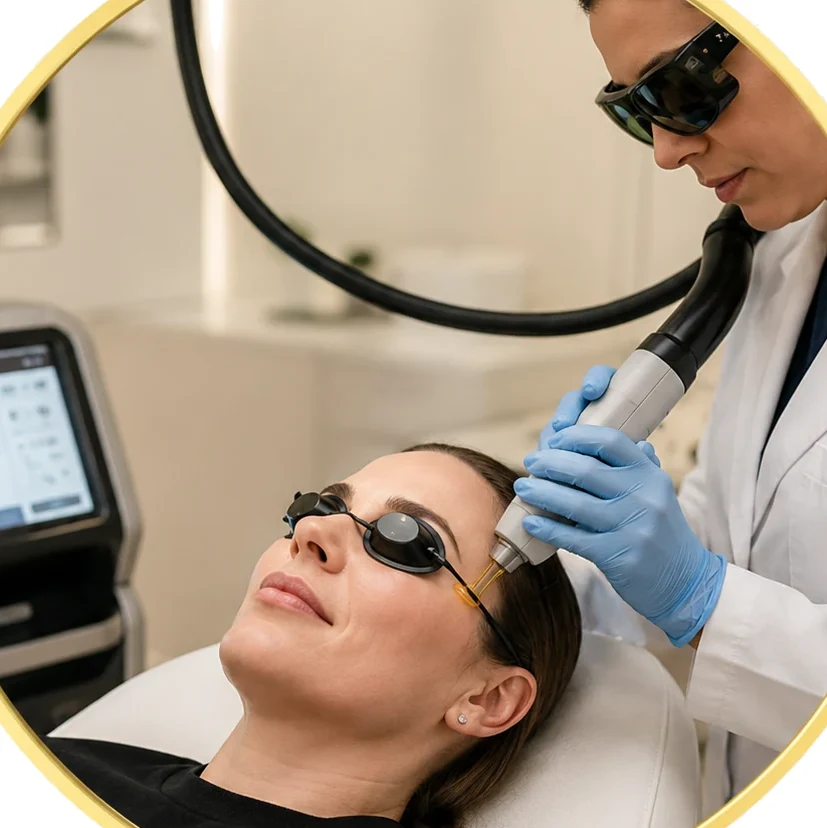
- Red LED light therapy (roughly 630 to 660 nanometres) is frequently cited for anti-inflammatory and healing benefits and carries minimal risk of barrier disruption, making it one of the lowest-risk add-ons available.
- Oxygen and infusion facials deliver hydration without abrasive contact, which suits skin that reacts badly to friction. They're appropriate even during a flare, provided the formula is fragrance-free.
- Gentle enzyme facials use fruit-derived enzymes rather than acids to lift dead skin cells, offering mild renewal with far less sting potential than a chemical peel.
- Adapted HydraFacial protocols can work for sensitive skin, but only when the practitioner lowers suction pressure, adjusts the solution pH, and swaps in hyaluronic acid boosters. Standard settings are often too aggressive for a compromised barrier.
Downtime across all five options is typically minimal. Mild pinkness for an hour or two is normal; anything resembling sunburn or persistent stinging is not.
Which treatments should sensitive skin avoid?
Strong chemical peels and high-concentration acids strip lipids a fragile barrier can't quickly replace, often triggering days of redness rather than the smooth glow they promise. Mechanical exfoliation and microdermabrasion physically abrade the surface, which can burst capillaries and worsen conditions like rosacea.
- Avoid heavy steam, which raises skin temperature and can intensify flushing in already reactive skin.
- Decline aggressive extractions; forceful pressure on inflamed pores tends to trigger hyperpigmentation in reactive skin types.
- Disclose any photosensitising medications (certain acne treatments, some antibiotics) before agreeing to light-based or chemical protocols.
If a clinic pushes one of these as standard practice without offering an alternative, that's a signal to ask more questions or look elsewhere.
How should you prepare for a sensitive skin facial?
Preparation matters as much as the treatment itself. A few days of groundwork significantly lowers your reaction likelihood.
- Pause retinoids and strong acids for several days before your appointment, longer if your clinician recommends it.
- Bring a list of every product you currently use, plus any medications, and disclose known allergies or previous reactions.
- Ask for patch testing or a small trial area first if you're highly reactive or trying a clinic for the first time.
- Avoid sunburn in the days beforehand, stay hydrated, and keep your routine simple rather than introducing anything new.
Clear disclosure of your current products and medical history is one of the most consistently recommended steps for anyone with reactive skin considering professional treatment.
What actually happens during the appointment?
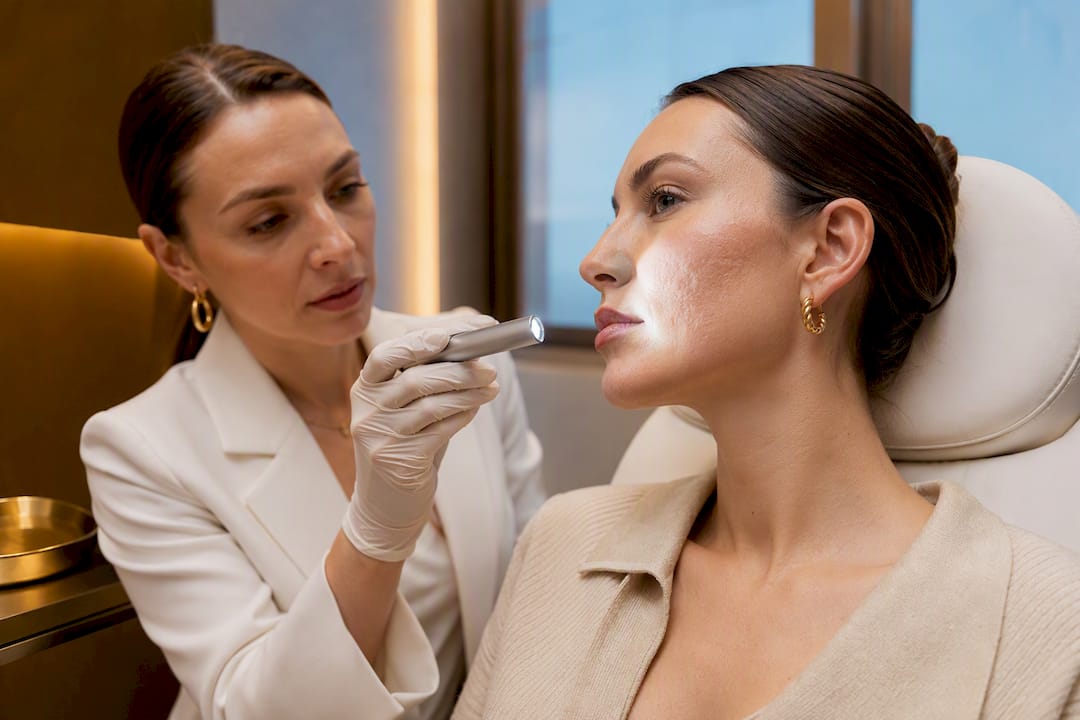
A proper sensitive-skin appointment starts with a consultation, not a treatment bed. Your practitioner should ask about triggers, current products, and any recent flares before touching your face.
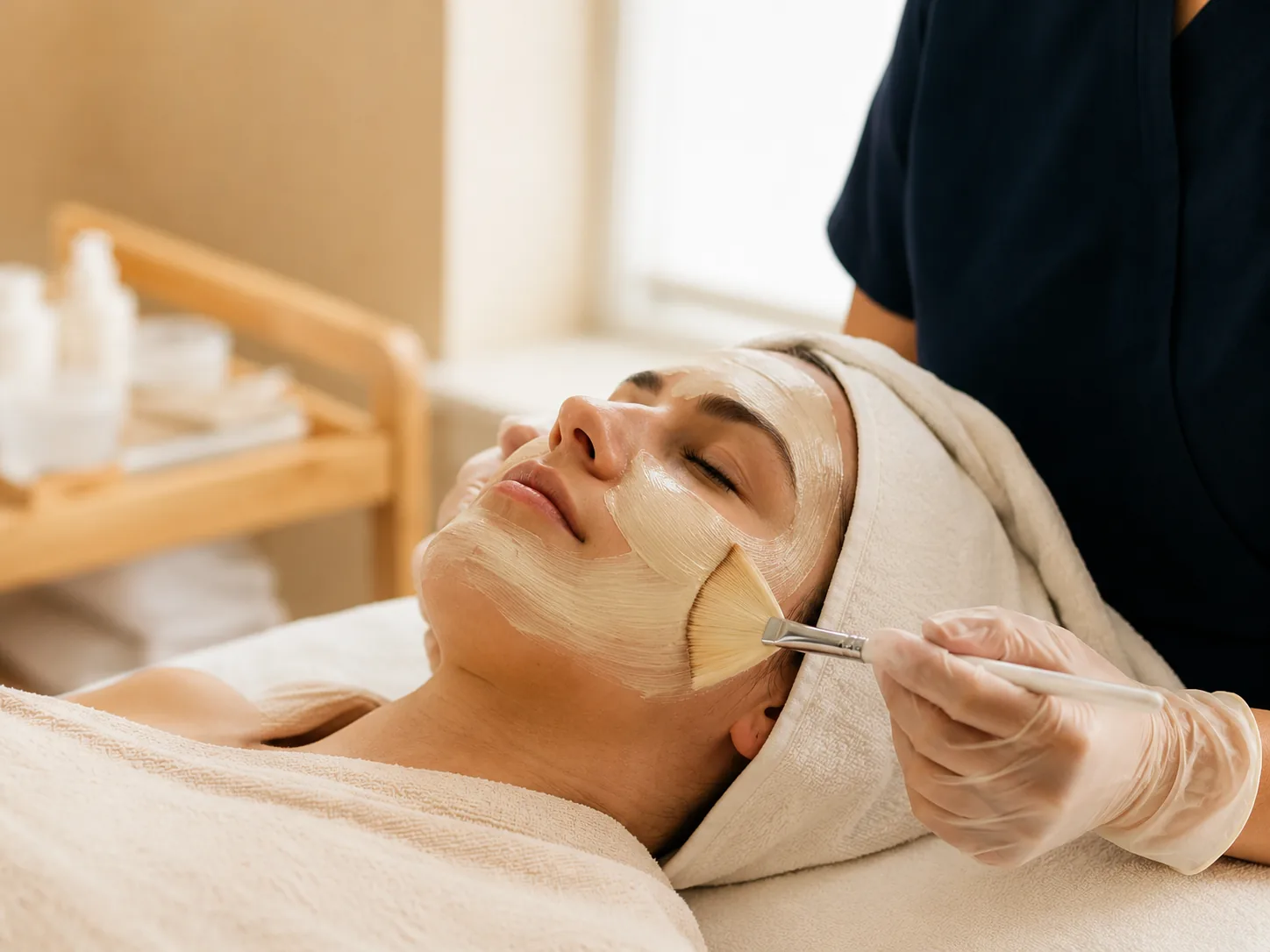
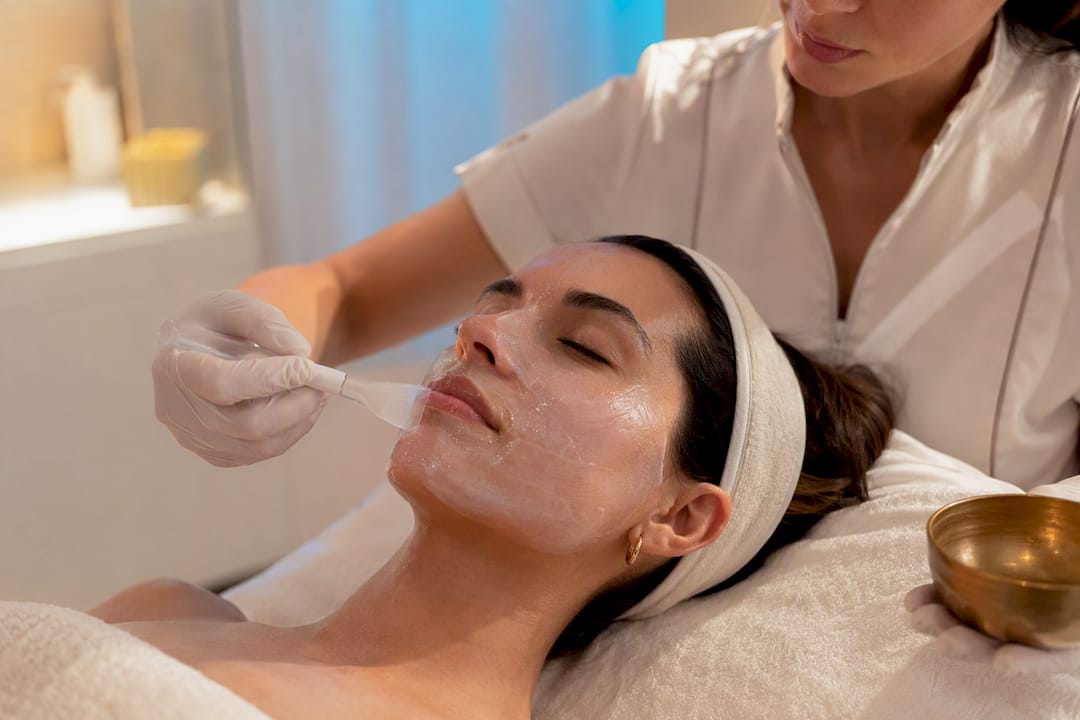
From there, expect low-friction cleansing, minimal or no steam, and cooling masks layered with barrier-focused serums rather than anything designed to strip. Extractions should be limited or skipped entirely unless clinically necessary, and performed with gentle, minimal pressure if they happen at all.
Device settings matter more than most people realise. Ask specifically about LED wavelength and suction pressure before the practitioner switches anything on. A clinician confident in their protocol will answer both questions without hesitation.
Aftercare and how often to book another facial
The 72 hours after a sensitive skin facial set the tone for how your skin settles. Stick to a gentle cleanser, a fragrance-free moisturiser, and daily sunscreen, and avoid heat, saunas, or heavy sweating during that window.
Mild pinkness for a few hours is normal. Persistent burning, swelling, or breakouts that worsen after 48 hours are not, and warrant a call to the clinic.
On frequency, calming facials every 2 to 4 weeks give the barrier time to rebuild between sessions while conservative scheduling reduces the likelihood of over-treatment. LED and oxygen sessions can generally be booked more often since they carry lower disruption likelihood. Save enzyme facials or HydraFacial for once your skin has demonstrated stability over several calming sessions.
Pro Tip: Keep a simple diary noting the date of each facial, the products used, and how your skin reacted over the following 48 hours. This turns your next consultation into a fact-based conversation rather than a guessing game.
Refer to a dermatologist if redness, swelling, or breakouts persist beyond a week, or if you notice a pattern of worsening reactions across multiple sessions.
What should you ask before booking a clinic?
Choosing the right practitioner matters more than choosing the right treatment name. A medically led clinic with genuine experience in barrier repair will welcome detailed questions rather than deflect them.
- Ask whether the clinic offers patch testing and fragrance-free product alternatives as standard.
- Request the full ingredient list for anything going on your face, not just the marketing name of the mask.
- Ask whether they assess TEWL or use another barrier-health measure before recommending a protocol.
- Ask exactly how devices will be configured, including LED wavelength and suction pressure limits, and request examples of how they've adapted a HydraFacial for reactive skin before.
Treat a refusal to customise, a rigid one-size-fits-all treatment menu, or a heavy emphasis on aggressive extraction as red flags rather than minor quirks.
Author and clinic expertise behind this guidance
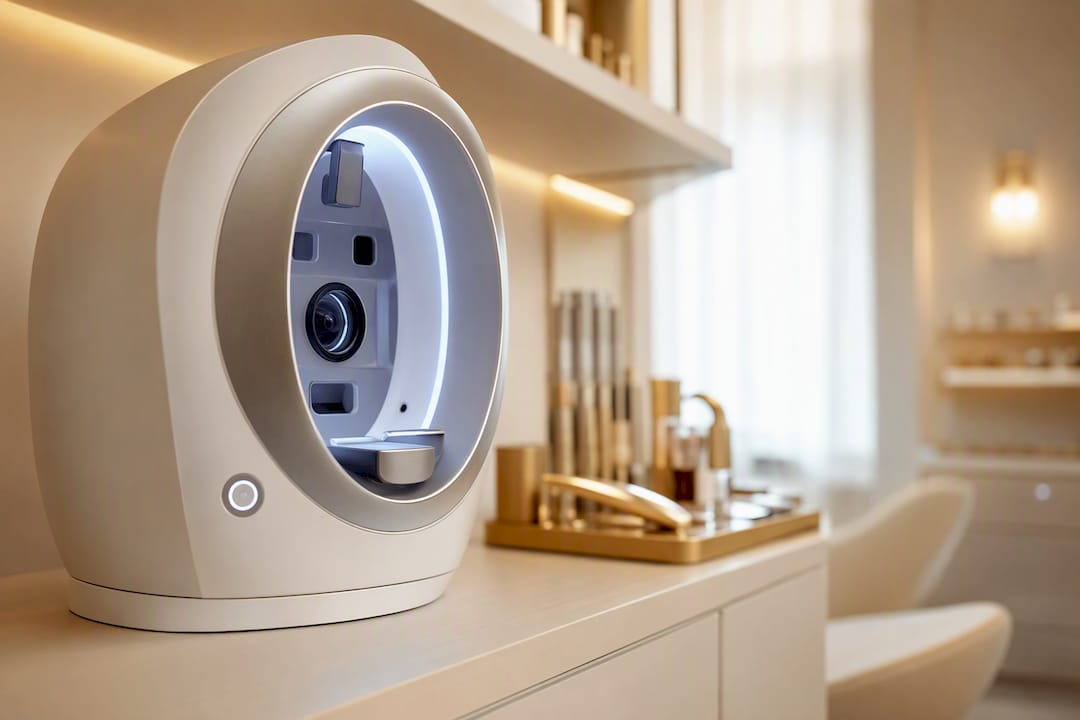
This guidance is informed by Ms Sandra Petraskaite, writing on barrier-focused facial care for reactive skin types. Nexgen Clinic combines AI-driven skin assessment with signature programmes built to support compromised barriers, using clinical skincare supplies selected for reactive skin rather than generic retail formulations.
When booking, you can ask directly for patch testing and fragrance-free product options, the same standard this article recommends for any provider you choose.
A practitioner's view on realistic progress
Sensitised skin rarely transforms in one visit, and expecting it to sets you up for disappointment or, worse, a reaction from overcorrection. The real progress happens across measured, repeat sessions where a practitioner records how your skin responded last time and adjusts before the next.
That kind of relationship, one clinician tracking your history rather than a rotating cast of one-off treatments, matters more than any single advanced device. Persistent symptoms despite conservative care still warrant a dermatology referral rather than another round of facials.
— Ms Sandra Petraskaite
How Nexgen Clinic supports sensitive and reactive skin
If you've been putting off facials because your skin reacts to almost everything, a medically led approach changes the calculation. Nexgen Clinic builds each protocol around AI-driven skin assessment, so device settings and product choices are adjusted to your barrier rather than applied from a standard menu.
When you book, ask specifically for a patch test, fragrance-free products, and confirmation of how the LED wavelength or suction pressure will be adjusted for your skin. Nexgen's precision treatments cover calming and barrier-repair facials alongside more advanced options like an adapted HydraFacial, and its signature packages can combine several of these into a structured, conservative plan rather than a single aggressive session. Book a consultation through Nexgen Clinic to have your skin assessed before any treatment is recommended.
Sources
For readers who want to verify the clinical reasoning behind this guidance, Harvard Health's overview of red light therapy explains the anti-inflammatory mechanism in more depth, while SELF's reporting on sensitive skin facials covers disclosure and patch-testing practice. Readers dealing with reactive, acne-prone skin may also find Lunezia's overview of adolescent acne useful when weighing how active conditions interact with facial choices.
- Red light therapy for skin care | Harvard Health
- Can you ever get facial treatments if you have sensitive skin? — SELF
- Sensitive skin? Here’s how to choose the right facial | Huggie Beauty
- 5 safe facials for sensitive skin that work | Amber Skin Clinics
FAQ
What kind of facial is best for sensitive skin?
Calming, hydrating facials built around ceramides and hyaluronic acid, alongside red LED light therapy, carry the lowest likelihood of barrier disruption and are generally considered the safest starting point.
What do dermatologists recommend for very sensitive skin?
Barrier-repair ingredients such as ceramides, hyaluronic acid, panthenol, and niacinamide, combined with low-heat, low-friction techniques and conservative scheduling between sessions.
Is a HydraFacial good for sensitive skin?
A standard HydraFacial can be too aggressive for reactive skin, but an adapted protocol with lower suction pressure, adjusted pH, and hyaluronic acid boosters can work once your barrier has shown stability over prior calming sessions.
Is a Korean facial good for sensitive skin?
It depends entirely on the specific steps involved. Multi-step routines heavy on hydration and gentle layering can suit sensitive skin, but versions that include strong exfoliating acids or vigorous massage may not, so ask your practitioner to adapt the steps individually.
How often should I get a facial if my skin is reactive?
Calming facials every 2 to 4 weeks allow the barrier to rebuild between sessions, while LED or oxygen treatments can often be booked more frequently since they carry lower disruption likelihood.
Recommended
- Facials & Skin Health
- Treatment for Dull Skin
- Skin texture treatments for smoother, healthier skin
- Medical facial vs spa facial: which one suits your skin?
Explore related NexGen treatments
- Explore our full treatment menu
- Book a consultation with our clinicians
- Contact our Cambridge team
- Read more articles in the NexGen Journal
Ready to explore your options?
Speak with a NexGen clinician for a personalised consultation. We’ll listen, assess, and recommend the safest and most effective route — always led by evidence, always tailored to you.
Book a consultation or get in touch with our Cambridge team.