
Adults can reasonably start skin boosters from early adulthood for prevention, during later adulthood for maintenance, in middle age for repair, and in older age for ongoing support. There is no single "correct" starting age. What matters more is your skin's current condition, your goals, and a proper clinical assessment rather than a birthday.
The deciding factor isn't age alone. It's whether you're trying to prevent early hydration loss, maintain the collagen you still have, repair visible texture damage, or support skin that's lost significant elasticity. A clinician assessing your skin will weigh sun exposure, lifestyle, hydration levels, and skin thickness, not just the number of candles on your last birthday cake.
Here's what the rest of this guide covers:
- How goals and realistic outcomes shift decade by decade
- Who qualifies for treatment and when a clinician should say no
- The practical differences between HA, polynucleotide, and polycomponent boosters
- What boosters can and can't achieve, safety considerations, and aftercare
- How Nexgen Clinic assesses each patient to decide when boosters make sense
Key Takeaways
The right age to start skin boosters depends on individual skin condition and treatment goals, not a fixed birthday, and a clinical assessment should always precede any decision.
| Point | Details |
|---|---|
| Age is a guide, not a rule | Prevention suits the 20s, maintenance the 30s, repair the 40s, and support the 50s and beyond. |
| Formulation matters as much as timing | Cross-linked HA, polynucleotides, and polycomponent boosters each target different skin deficits. |
| Boosters have real limits | They improve hydration and texture but do not replace fillers for volume loss. |
| Results build cumulatively | Most protocols need 2 to 4 sessions before full benefits appear, with maintenance every 6 to 12 months. |
| Assessment beats age-based booking | Nexgen Clinic uses AI-driven skin analysis to build a personalised plan rather than treating by age alone. |
Table of Contents
- What age skin boosters suit best, decade by decade
- Who is a good candidate for skin boosters?
- What are the main types of skin boosters?
- What can skin boosters actually achieve?
- How often do you need skin booster treatments?
- Is it safe? What should you expect afterwards?
- When should you choose a filler, BoNT, or laser instead?
- How Nexgen Clinic decides when a patient should start
- Why the "start early" advice misses the point
- Ready to find the right time for your skin?
- Sources
- FAQ
What age skin boosters suit best, decade by decade
Skin booster treatments age differently depending on what your skin is dealing with at each life stage. A 24 year old and a 54 year old might both benefit from treatment, but for entirely different reasons.
1. Your 20s: prevention and prejuvenation
Collagen production typically begins its gradual decline from around the mid-20s, and this is where "prejuvenation" comes in: using light, occasional treatment to protect skin quality before problems become visible. Clinical guidance from Dermatology notes that many practitioners now accept boosters as reasonable for clients in their mid to late twenties who show early signs of hydration loss or heavy environmental damage, such as sun exposure or city pollution. This isn't about chasing a trend. It's about clients with genuinely depleted skin hydration, often visible as persistent dullness or tightness that skincare alone cannot fix.
2. Your 30s: maintenance and collagen support
By your 30s, fine lines around the eyes and mouth often become more persistent, and skin tends to lose some of its natural "bounce" when pinched or stretched. A short course of booster sessions at this stage typically focuses on maintaining what you have rather than reversing significant damage. Dullness becomes a common complaint here, often linked to slower cell turnover rather than any single deficiency.
3. Your 40s: repair and texture correction
This is usually where boosters shift from a preventative tool to a corrective one. Crepey texture on the cheeks and neck, reduced elasticity, and more noticeable hydration needs are common by this decade. Cross-linked hyaluronic acid injected intradermally has shown measurable improvements in dermal thickness and texture in clinical studies, according to a clinical review of injectable skin boosters, making this decade a common entry point for readers who've never had aesthetic treatment before.
4. Your 50s and beyond: comfort, radiance, and supportive care
In this age bracket, boosters tend to work best as a supportive measure rather than a standalone solution. They improve comfort, surface radiance, and skin texture, but they are not a substitute for structural volume replacement where significant fat and bone loss has occurred. A clinician will often recommend boosters alongside, not instead of, other treatments once skin laxity becomes more pronounced.
Evidence callout: Clinical studies on cross-linked intradermal HA show consistent dermal thickening and texture improvement, while non-cross-linked HA formulations produced more inconsistent results across the same research. Formulation choice matters as much as timing.
Who is a good candidate for skin boosters?
Adult consent is the baseline requirement, and most reputable clinics will only treat patients aged 18 and over. But eligibility runs far deeper than a date of birth. Clinical suitability, not age, is what actually determines whether treatment goes ahead.
A thorough consultation should screen for the following before any injection is considered:
- Pregnancy or breastfeeding, both of which typically rule out treatment
- Active skin infection at or near the proposed injection sites
- Uncontrolled autoimmune disease, which can complicate healing and increase risk
- Use of anticoagulant medication, which raises bruising and bleeding risk
- Heavy sun damage, smoking, or other lifestyle factors that affect skin resilience and healing
A responsible practitioner will sometimes turn a patient away, and that's a good sign, not a red flag. Prejuvenation should never mean treating every 20 year old who walks through the door. It means identifying the ones who will genuinely benefit and being honest with the rest.
Pro Tip: If a clinic offers to book you in for boosters without asking about your medical history, medication use, or skin goals first, treat that as a warning sign rather than efficiency.
What are the main types of skin boosters?
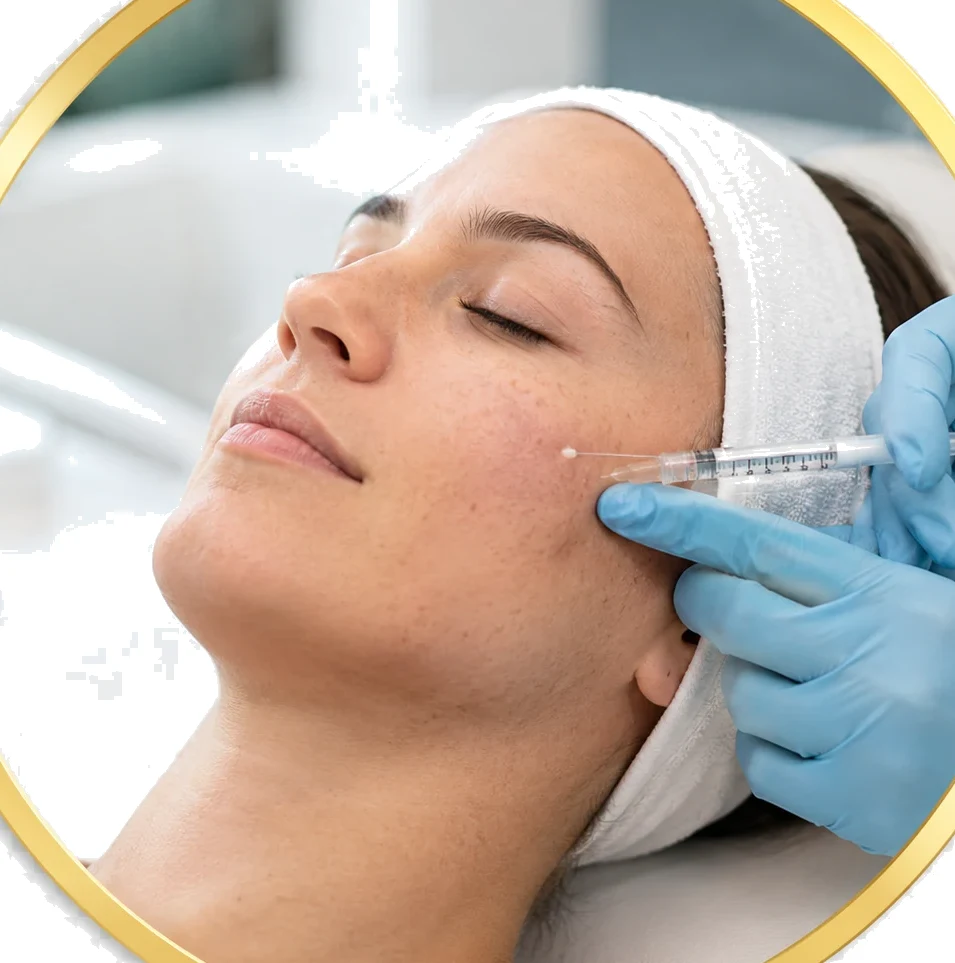
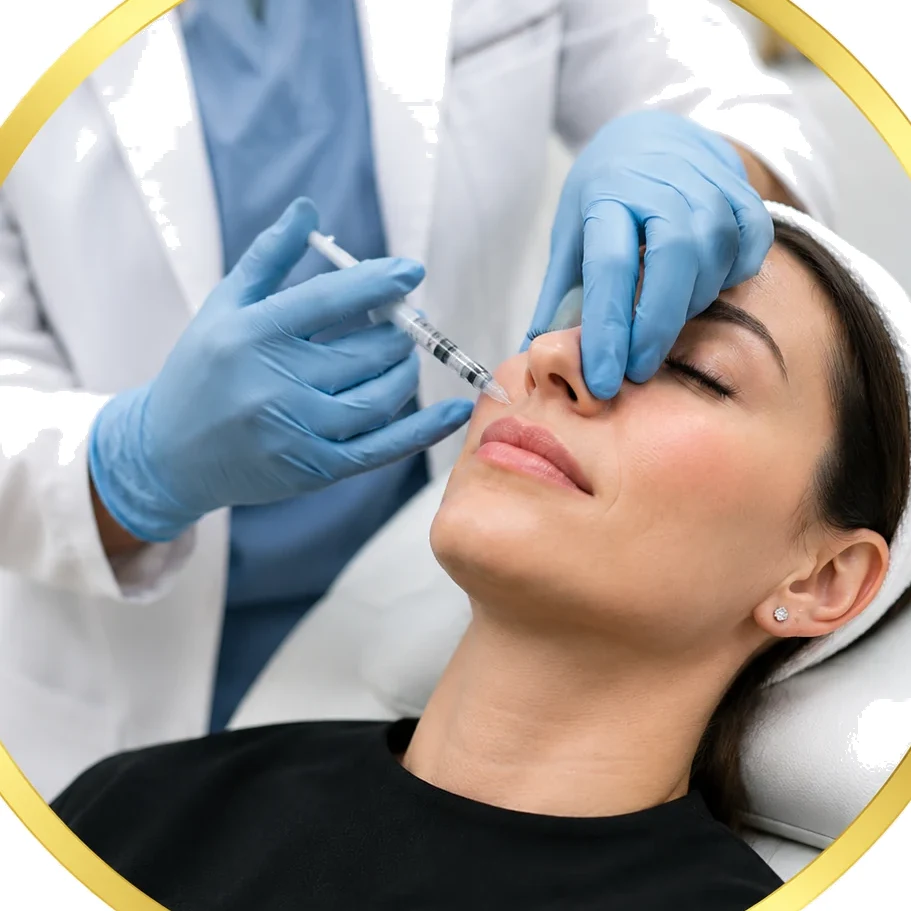
Skin boosters work by delivering active ingredients directly into the dermis through fine, shallow injections, rather than the deeper placement used for volumising fillers. This intradermal technique hydrates tissue directly and can stimulate fibroblasts, the cells responsible for producing new collagen and elastin.
Three formulation categories dominate current clinical practice:
- Hyaluronic acid (HA), cross-linked or non-cross-linked. Cross-linked HA tends to persist longer in the skin and produces more consistent dermal thickening, while non-cross-linked variants disperse faster and suit lighter hydration top-ups.
- Polynucleotides (PN), sometimes called PDRN. These are biostimulatory rather than purely hydrating, and clinical evidence points to improvements in pore size, thickness, and photo-damage, making them a common choice for thinning or sun-damaged skin, per the same clinical evidence review.
- Polycomponent boosters. These blend HA or PN with vitamins, amino acids, and antioxidants, aiming for a combined hydration and repair effect in one formulation.
Different booster formulations target different deficits. Choosing the right product for your specific skin concern matters more than choosing based on age alone, a point echoed in independent clinical guidance on booster selection.
A clinician matches formulation to what your skin actually lacks, whether that's surface hydration, structural repair, or a combination of both. You can read more about how skin boosters compare with Profhilo if you're weighing similar hydration-focused treatments.
What can skin boosters actually achieve?
Boosters reliably deliver a specific, fairly narrow set of benefits, including improved hydration, and understanding those limits upfront prevents disappointment later, as explained in why hydration improves skin texture.
What they do well:
- Improve surface hydration and skin texture, often within a few weeks of the first course
- Increase radiance and reduce dullness, particularly in skin affected by dehydration rather than volume loss
- Produce measurable dermal thickness improvements when cross-linked HA or PN is used correctly
What they don't do:
- Replace lost facial volume the way dermal fillers do
- Meaningfully soften deep static folds or significant skin laxity
- Deliver a one-and-done result. Boosters work cumulatively, not instantly
Clinical commentary suggests combining boosters with neuromodulators or energy-based devices often produces superior, longer-lasting outcomes for patients dealing with lines, texture, and laxity together, according to the same clinical evidence base. Patients with reasonable facial volume but declining skin quality, often in their late 30s to 50s, tend to report the most satisfaction, largely because their expectations align with what boosters are actually designed to fix: comfort and luminosity, not contour change.
Patient-reported outcomes like improved skin comfort and visible radiance are often better markers of success than any single clinical measurement.
How often do you need skin booster treatments?
Most booster programmes follow a phased structure rather than a single visit, and understanding the typical schedule helps set realistic expectations for both cost and time commitment.
- Initial course. Many boosters call for 2 to 4 sessions spaced 2 to 4 weeks apart, allowing cumulative dermal improvement rather than a single flooding dose.
- When results appear. Most patients notice initial hydration improvements within the first few weeks, with fuller texture and radiance benefits building across the full course.
- Maintenance. Follow-up sessions typically fall every 6 to 12 months, depending on the specific product used and individual lifestyle factors.
- Prevention versus repair scheduling. Prevention-focused patients in their 20s and early 30s often need less frequent sessions, while repair-focused programmes for more damaged skin are usually front-loaded before settling into a lighter maintenance rhythm.
Daily SPF use, quitting smoking, and a consistent skincare routine all extend how long results last, a point emphasised repeatedly in practitioner commentary on long-term booster outcomes. Skipping sun protection after treatment is one of the fastest ways to undo the benefit you just paid for.
Is it safe? What should you expect afterwards?
Redness, mild swelling, and small bruises at injection sites are common and typically settle within a few days. This is a normal part of the healing process, not a complication.
Genuine red flags include persistent nodules that don't soften over several weeks, signs of infection such as increasing pain, warmth, or discharge, or any symptom that feels disproportionate to a straightforward injectable procedure. These warrant a clinical review promptly rather than a wait-and-see approach.
Sensible preparation and aftercare reduce risk substantially:
- Avoid alcohol and anti-inflammatory medication before treatment if your practitioner advises it
- Apply SPF diligently in the days following treatment, since sun exposure post-procedure can affect both healing and results, as clinical guidance on aftercare confirms
- Skip strenuous exercise and excessive heat, such as saunas, for a short period afterwards
- Choose a medically trained practitioner working with sterile technique. This matters more for safety outcomes than almost any other single factor
Pro Tip: Book booster treatments a few weeks before any event, not the day before. Mild swelling or bruising can take several days to fully settle, even when the treatment itself goes perfectly.
When should you choose a filler, BoNT, or laser instead?
Boosters solve hydration and texture problems. They don't solve every ageing concern, and knowing where the line sits saves you from an underwhelming result.
- Volume loss or facial contour change calls for dermal fillers rather than boosters, since fillers are designed to restore structural volume that boosters can't replace.
- Dynamic lines, the kind that appear when you frown or raise your eyebrows, respond better to neuromodulators like botulinum toxin (BoNT) than to hydration-focused injectables.
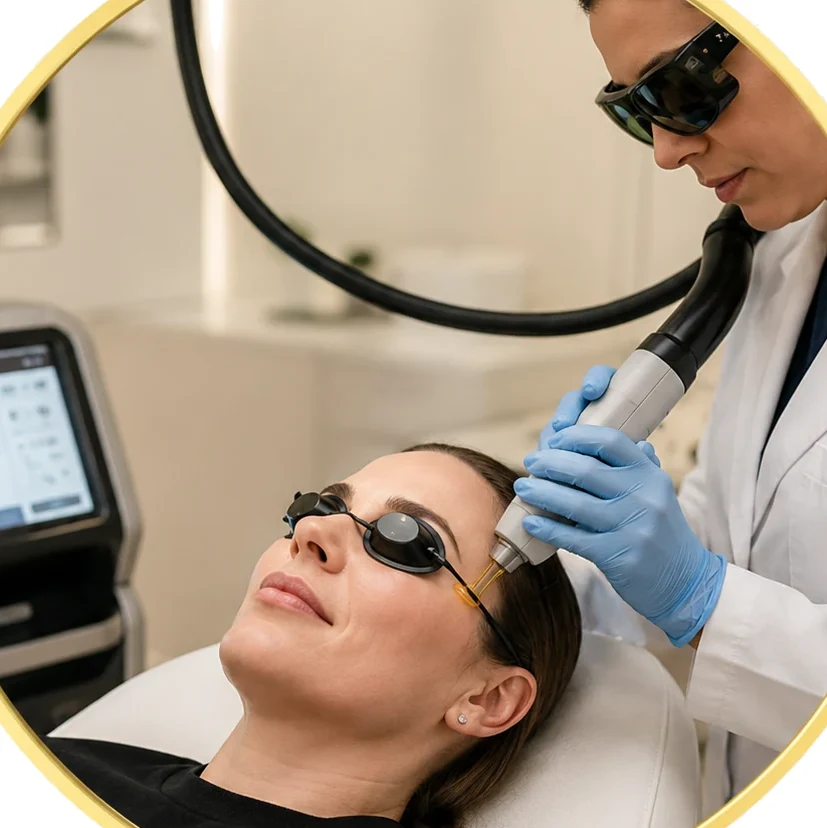
- Pigmentation or surface irregularities, such as sun spots or textural scarring, are usually better addressed with lasers or resurfacing treatments.
- Combination concerns often benefit from a staged, conservative plan that layers treatments over time rather than one large intervention.
A good practitioner will tell you honestly when a different treatment, or no treatment at all, is the better answer.
How Nexgen Clinic decides when a patient should start
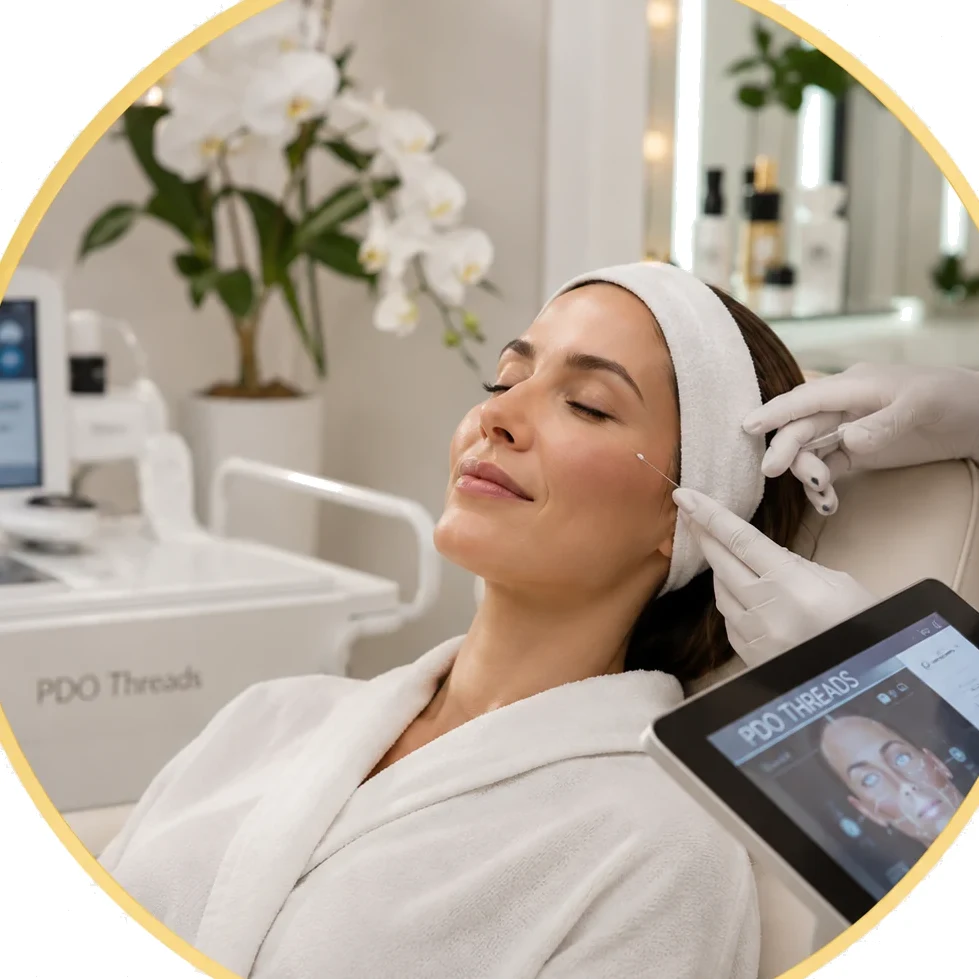
Nexgen Clinic uses AI-driven skin analysis technology to assess hydration levels, texture, and early signs of ageing before recommending any treatment, rather than relying on age as a proxy for readiness. This forms part of a broader approach that blends regenerative science with a genuinely personalised plan for each patient.
The typical consultation workflow runs through several stages: a full clinical history review, detailed skin analysis, a staged treatment plan built around your specific goals, informed consent, and scheduled reviews to track progress over time. Nothing is prescribed on a first visit without this groundwork.
- Clinical history and current medication review
- Advanced skin analysis to identify specific hydration and structural deficits
- A staged, personalised plan rather than a generic booster package
- Scheduled follow-up reviews to track and adjust the programme
Nexgen Clinic reports a 98% client satisfaction rate, and bespoke programmes such as the NexGen Age Reset™ and Facial Balance™ reflect this assessment-first philosophy rather than a one-size-fits-all booster package.
Timing should follow the skin, not the calendar. A personalised plan built on genuine analysis will always outperform a generic age-based rule.
Why the "start early" advice misses the point
The conventional wisdom around prejuvenation has drifted into something close to marketing: start in your 20s or you'll "fall behind." That framing does a disservice to the actual evidence, which points to individual skin condition, not age, as the real trigger for treatment.
What's genuinely underrated is the discipline of a clinician who says no. A good practitioner should sometimes decline to treat a 24 year old with perfectly healthy, well-hydrated skin, even if that patient is prepared to pay. Prejuvenation done well means selective, evidence-based intervention, not blanket early treatment for everyone who can afford it.
What readers should prioritise first is honest self-assessment, not a countdown clock. If your skin feels tight, looks dull despite good skincare, or shows visible texture change that bothers you, that's the signal to seek an assessment, whether you're 26 or 56. The number matters far less than what a proper clinical evaluation actually finds underneath.
Ready to find the right time for your skin?
If you've been wondering whether now is the right moment, or worrying you've either started too soon or waited too long, the honest answer is that no fixed age gets that decision right. Nexgen Clinic's AI-driven skin analysis removes the guesswork by assessing your actual hydration levels, texture, and early ageing signs rather than working from a generic age bracket.
That analysis feeds into a personalised plan, whether that's a light prejuvenation course, a maintenance programme, or a more structured repair schedule built around formulations like cross-linked HA or polynucleotides. Nexgen Clinic's bespoke programmes, including the NexGen Age Reset™ and Facial Balance™, are built on this assessment-first approach rather than a standard booster package sold to everyone the same way.
If you'd like a clear picture of where your skin actually stands, book a consultation through the skin boosters treatment page and get a plan built around your own skin, not a birthday.
Sources
- Injectable skin boosters: mechanisms, formulations and clinical evidence (PMC)
- Dermatology
- Anti-ageing injections at 25+: Do you actually need them? (Lady Life Magazine)
FAQ
Can skin boosters take years off your face?
Skin boosters improve hydration, texture, and radiance rather than reversing structural ageing, so they support a fresher appearance rather than dramatically altering how old you look. Combining boosters with SPF, good skincare, and, where appropriate, other treatments tends to produce the most noticeable improvement.
Are skin boosters worth it for the face?
For patients with genuine hydration loss or early texture changes, boosters often deliver meaningful, natural-looking improvement, particularly when matched to the right formulation and paired with realistic expectations. They are less worthwhile for anyone expecting volume replacement or correction of deep folds.
What is the best skin booster for over 50?
There is no single best option for every patient over 50, since formulation choice depends on individual skin condition. Polynucleotides are often favoured for repair-focused concerns, while cross-linked HA suits patients prioritising dermal hydration and thickness, and a clinical assessment should confirm which suits your skin.
Is a skin booster the same as Botox?
No. Skin boosters hydrate and improve dermal texture through substances like hyaluronic acid or polynucleotides, while botulinum toxin (Botox) relaxes muscle activity to soften dynamic lines such as frown lines. They address different concerns and are often used together as part of a staged plan.
At what age can you start skin boosters?
Most clinics require patients to be 18 or over, but clinical suitability matters more than age itself. Some clients in their mid to late 20s with early hydration loss or heavy environmental damage may be appropriate candidates, while others should wait until skin needs genuinely warrant treatment.
Recommended
- Skin Boosters & Profhilo | NexGen Clinic Journal
- Skin Boosters in Cambridge | NexGen Clinic
- Skin Boosters vs Profhilo: Which Treatment Is Right?
Explore related NexGen treatments
- Explore our full treatment menu
- Book a consultation with our clinicians
- Contact our Cambridge team
- Read more articles in the NexGen Journal
Ready to explore your options?
Speak with a NexGen clinician for a personalised consultation. We’ll listen, assess, and recommend the safest and most effective route — always led by evidence, always tailored to you.
Book a consultation or get in touch with our Cambridge team.