Atrophic acne scars respond best when treatment is matched to their shape: ice pick scars need punch techniques, rolling scars need subcision, and boxcar or shallow scarring responds to resurfacing. Most of these procedures are private in England, with NHS referral reserved for exceptional psychological distress, and the realistic goal is visible improvement rather than complete restoration.
TL;DR:
- Ice pick scars require punch techniques like excision or TCA CROSS for effective treatment, especially for deep, narrow indentations.
- Resurfacing options such as lasers, chemical peels, and microneedling provide visible improvements but often need multiple sessions, with downtime depending on the method used.
- Combining treatments like subcision, fillers, and resurfacing tends to produce better results, particularly for mixed or deep scars.
- NHS access is rare and limited to severe psychological distress, with private treatment costs varying widely based on technique and clinic experience.
- Proper assessment and practitioner qualification are essential, and a personalized, multimodal plan offers the best chance for meaningful scar improvement.
Table of Contents
- Acne scar types: ice pick, boxcar and rolling — why type matters
- Resurfacing options: lasers, chemical peels and microneedling
- Lifting and volumising treatments: subcision, fillers and fat grafting
- Excisional surgery: punch excision, elevation and grafting
- Adjuncts and combination therapy: PRP, TCA CROSS and topical care
- Safety, eligibility and NHS access in England
- Outcomes, sessions, downtime and typical costs in the UK
- Medically led care: how Nexgen Clinic approaches acne scar programmes
- Questions worth asking before you book a consultation
- Book a consultation for a bespoke acne scar plan
- Sources
- FAQ
Acne scar types: ice pick, boxcar and rolling — why type matters
Not all acne scarring looks or behaves the same way, and treating it as one problem is the most common mistake people make before their first consultation. Clinical classification splits atrophic scarring into three groups, and each needs a different tool.
- Ice pick scars: narrow, deep, pinpoint indentations that punch straight down into the skin. These respond best to punch excision or TCA CROSS rather than surface resurfacing alone.
- Boxcar scars: wider, shallower depressions with sharply defined edges, similar to chickenpox scarring. Laser resurfacing, peels and microneedling tend to work well here.
- Rolling scars: broader, undulating dips caused by fibrous bands tethering skin to deeper tissue. Subcision, which releases those bands, is usually the first step.
Darker skin tones carry a higher risk of post-inflammatory pigmentation from aggressive resurfacing, so protocols need adjusting by skin type, not just scar type.
Resurfacing options: lasers, chemical peels and microneedling
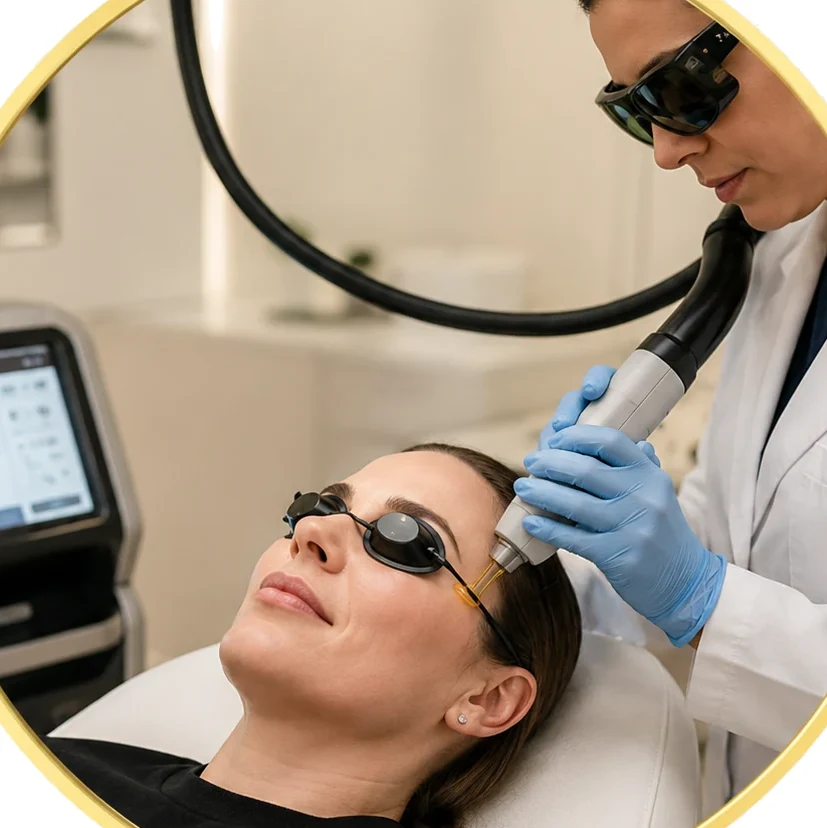
Resurfacing treatments work on the surface and upper layers of skin to smooth texture, and the technology you choose changes both the results and the recovery time. Ablative lasers (such as CO2) remove the outer skin layer and prompt significant collagen remodelling, but downtime can run to a week or more of redness and peeling. Non-ablative and fractional lasers work more gently, treating a fraction of the skin at a time, with less recovery but usually more sessions needed.
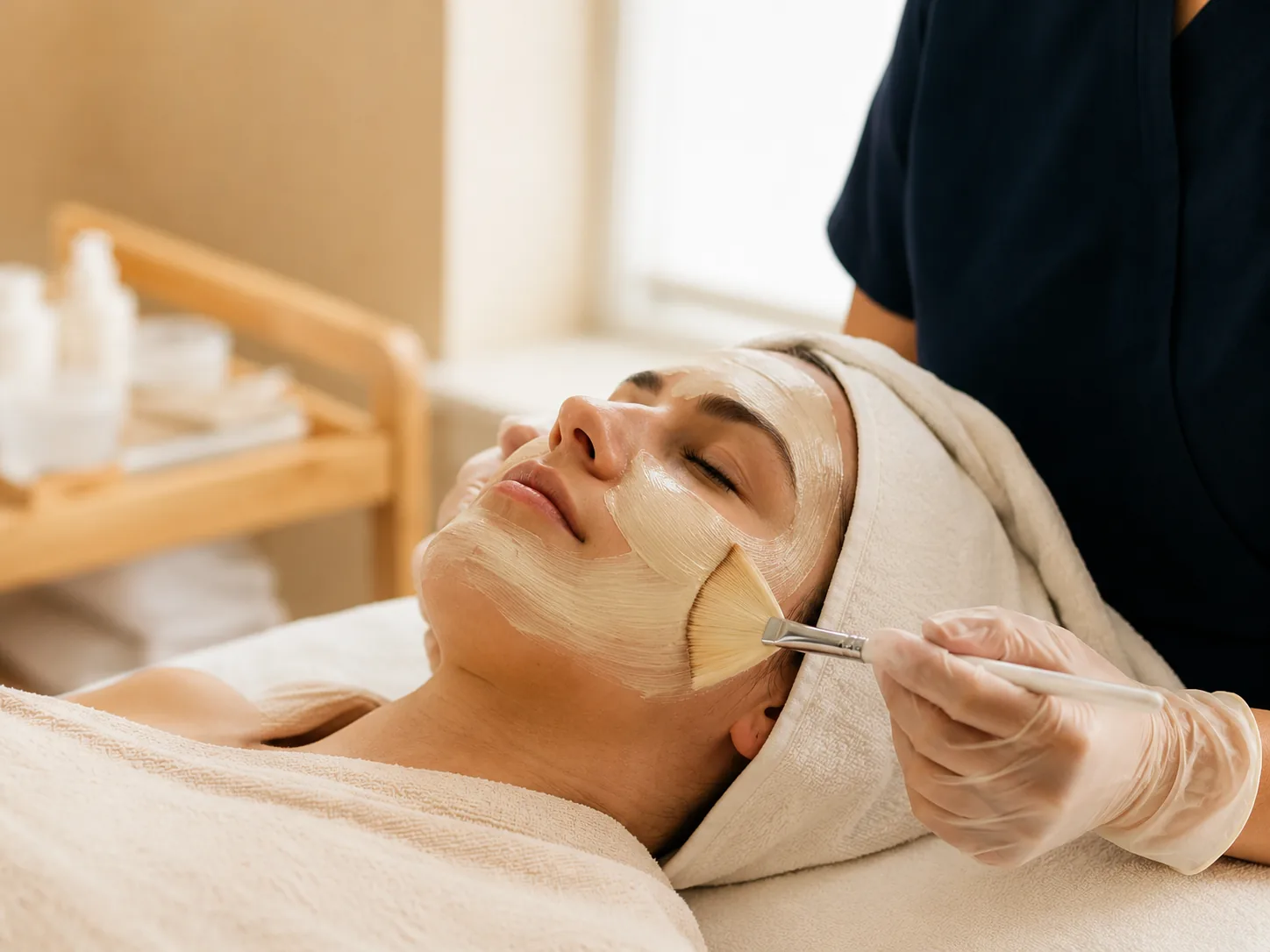
Chemical peels vary by strength. Glycolic acid peels suit milder, shallow scarring, while TCA CROSS, a technique that applies high-strength trichloroacetic acid directly into individual ice pick scars, is specifically for deep, narrow indentations that resurfacing alone cannot reach.
- Microneedling creates controlled micro-injuries that trigger the skin's own collagen production, and it's one of the better-evidenced options for boxcar and rolling scars.
- Microdermabrasion is far gentler and only really helps very superficial texture irregularities, not true atrophic scarring.
Recent evidence reviews find stronger support for lasers, chemical peels, microneedling and hyaluronic acid fillers than for many older techniques, and combination therapy tends to outperform any single method used alone.
Anyone with active cold sores, recent isotretinoin use, or a tendency toward keloid scarring needs this flagged before booking a resurfacing session.
Lifting and volumising treatments: subcision, fillers and fat grafting
Where scarring is caused by tethering or lost volume rather than surface texture, lifting treatments address the depth of the scar rather than its surface.
- Subcision uses a needle to break the fibrous bands pulling rolling scars downward, allowing the skin to lift and settle more evenly. It's often combined with filler for immediate visible improvement.
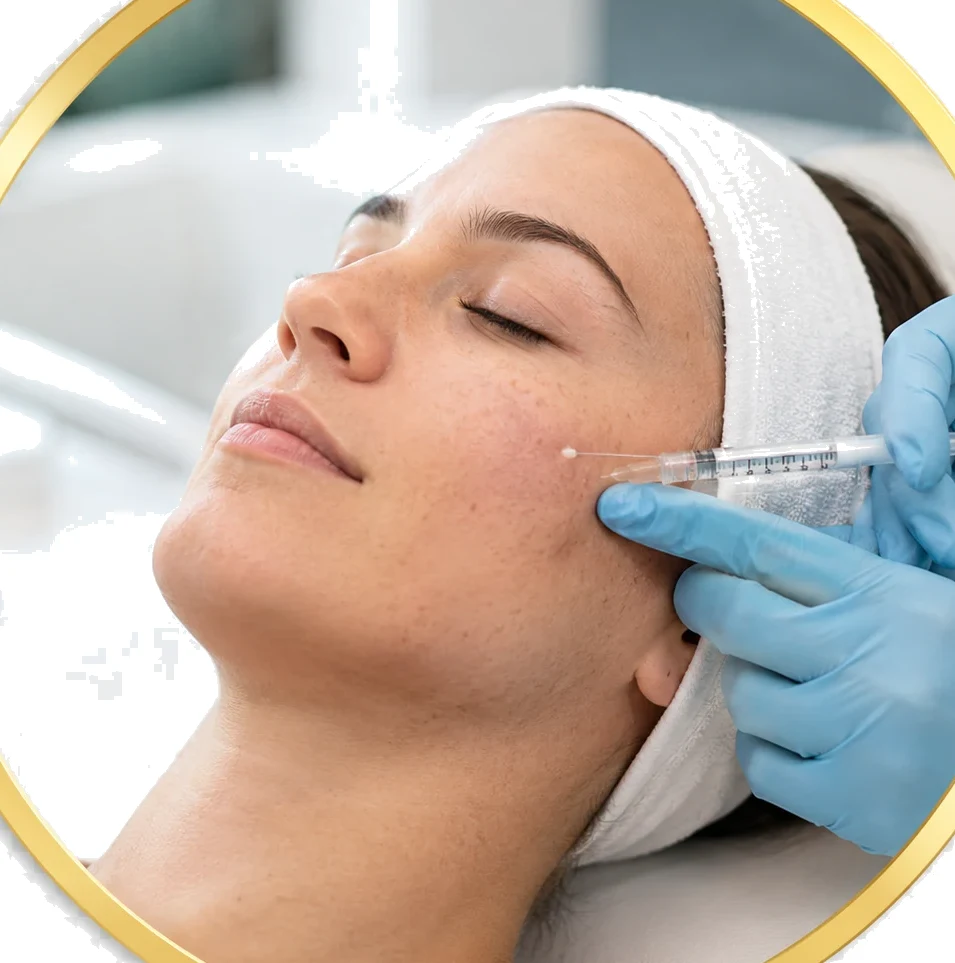
- Hyaluronic acid fillers and skin boosters plump depressed scars directly, giving quick results, though the effect fades over months and needs repeating to maintain.
- Fat grafting transfers a patient's own fat into deeper depressions and lasts considerably longer than injectable fillers, though it's a surgical procedure with its own recovery period and cost.
Most practitioners treat these as complementary rather than standalone fixes. A course of subcision paired with resurfacing or filler often achieves more than either approach delivers on its own, particularly for rolling scars sitting alongside boxcar texture.
Excisional surgery: punch excision, elevation and grafting
For deep, isolated ice pick or boxcar scars that haven't responded to less invasive measures, excisional techniques physically remove or reposition the scarred tissue. DermNet NZ describes three main variants: punch excision cuts the scar out entirely and closes the wound with fine sutures; punch elevation lifts the base of the scar level with surrounding skin; punch grafting replaces excised tissue with a small skin graft, usually taken from behind the ear.
- Healing typically takes one to two weeks before sutures come out, with full scar maturation taking several months.
- These techniques can leave a fine linear or circular mark of their own, which is why resurfacing or filler often follows a few months later.
- Excision suits a small number of well-defined scars rather than widespread scarring across the face.
Adjuncts and combination therapy: PRP, TCA CROSS and topical care
No single treatment does everything, which is why most effective programmes stack several approaches. Platelet-rich plasma (PRP), derived from a patient's own blood and rich in growth factors, is increasingly used alongside microneedling or laser resurfacing rather than as a treatment on its own. TCA CROSS remains the standard adjunct for narrow, deep ice pick scars that don't respond to broader resurfacing.
- Daily broad-spectrum sunscreen protects newly resurfaced or grafted skin and reduces pigmentation risk during healing.
- Topical retinoids support collagen turnover between in-clinic sessions and help maintain results.
- A typical combination programme might pair microneedling sessions with periodic TCA CROSS on isolated deep scars, plus a maintained topical routine at home.
Pro Tip: Ask your clinic whether they sequence treatments (resurfacing first, then filler) or run them concurrently. Sequencing usually reduces the risk of over-treating already-healing skin.
Safety, eligibility and NHS access in England
Before booking anything, two checks matter more than which technology a clinic advertises: is your acne actually under control, and is the person treating you properly qualified?
NHS guidance is clear that scar treatment is classed as cosmetic, and referral only happens in exceptional circumstances, most often severe and persistent psychological distress. NICE recommends that severe, persistent scarring lasting beyond twelve months be referred to a consultant dermatologist-led team, where options like CO2 laser or glycolic acid peel may be available.
Treating active acne first isn't a formality. Many resurfacing and excisional procedures are contraindicated while acne is still inflamed, because working on active breakouts risks worse scarring, not less.
- Confirm the practitioner is GMC registered for any energy-based or invasive procedure.
- Recent isotretinoin use and pregnancy both affect which treatments are safe to proceed with.
Outcomes, sessions, downtime and typical costs in the UK
Set expectations early: even well-matched treatment improves scarring rather than erasing it entirely, and most people need more than one session to see meaningful change.
- Laser resurfacing typically runs to three to six sessions spaced several weeks apart, depending on scar depth and laser type.
- Microneedling courses often involve four to six monthly sessions for visible collagen remodelling.
- Filler and skin booster results are immediate but require repeat treatment every six to eighteen months to maintain.
Downtime ranges from a few days of redness after non-ablative laser or microneedling to a week or more after ablative resurfacing or excision, with strict sun protection required throughout healing. Private costs in England vary considerably by technique, session count and clinic experience, and patient preparation and practitioner expertise both influence the final price. NHS-funded scar treatment remains rare and restricted to exceptional referral cases.
Medically led care: how Nexgen Clinic approaches acne scar programmes
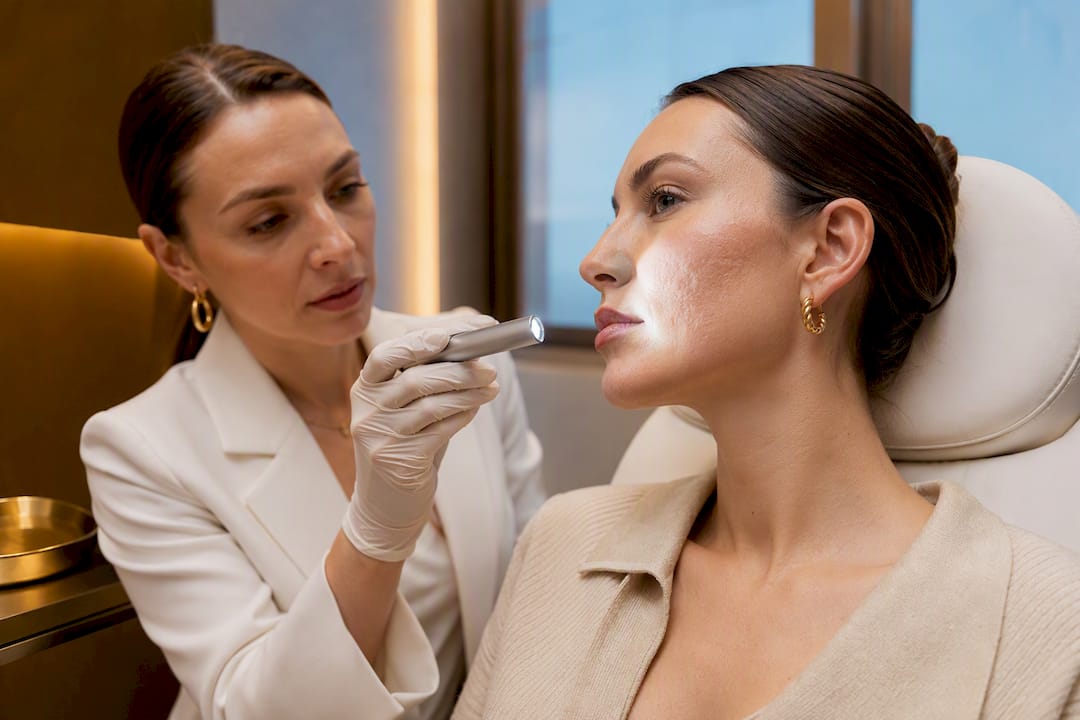
Following evidence-based practice means starting with a proper assessment, not a menu of add-ons. Nexgen Clinic builds each acne scar programme around AI-supported skin analysis, mapping scar type, skin tone and texture before recommending a combination plan, whether that's resurfacing, subcision, filler or an adjunct like PRP.
- Every treatment plan follows GMC-level clinical oversight and is designed around the individual's scar pattern rather than a fixed package.
- Multimodal programmes are built from the same evidence base covered above, sequencing treatments rather than layering them randomly.
| What matters | Why it matters |
|---|---|
| AI-supported skin mapping | Matches treatment to scar type and skin tone before booking |
| Bespoke combination plans | Reflects the evidence that combination therapy outperforms single methods |
| Clinician-led delivery | Ensures energy-based and invasive procedures meet GMC standards |
Read more on Nexgen Clinic's approach to acne scar treatment.
Questions worth asking before you book a consultation
Before choosing a route, run through a short checklist: what type of scarring do you actually have, is your acne currently active or controlled, what's your skin tone, what's your realistic budget for a multi-session course, and is the clinic clinician-led with named, checkable credentials?
At the consultation itself, ask direct questions. How many times has this practitioner performed the specific technique being recommended for your scar type? Can they show genuine before-and-after results from patients with comparable scarring and skin tone? What's their complication rate, and how do they manage it if pigmentation or delayed healing occurs?
One point gets missed too often: acne scarring can carry a real psychological weight, and if that's the case for you, it's worth seeking dedicated mental health support alongside any physical treatment, not instead of it.
— Ms Sandra Petraskaite
Book a consultation for a bespoke acne scar plan
Unlike a generic peel-and-hope package, Nexgen Clinic builds every acne scar programme around your specific scar type and skin tone, using AI-supported analysis to sequence resurfacing, subcision or filler rather than guessing at a one-size protocol.
Every plan starts with a proper assessment, not a price list, and every procedure is delivered under clinician-led governance rather than left to a beauty therapist working outside their scope. If you're weighing up laser resurfacing against subcision, or wondering whether your scarring needs a combination approach, book a consultation to get a personalised plan rather than a generic recommendation. You can also browse Nexgen Clinic's full treatment range before you commit to anything.
Sources
- Acne - Complications | NHS
- Acne vulgaris: management | NICE
- Evidence-based management of cutaneous scarring in dermatology part 2: atrophic acne scarring | Springer Nature
- Acne scarring | DermNet NZ
This article is general information, not a substitute for advice from a qualified doctor. Consult a qualified healthcare professional about your own circumstances before acting on anything here.
FAQ
What are the treatment options for acne scars in the UK?
Options range from resurfacing (lasers, chemical peels, microneedling) to lifting and volumising treatments (subcision, fillers, fat grafting) and surgical techniques (punch excision, elevation, grafting), usually chosen according to scar type.
What is the most effective treatment for acne scarring?
There's no single best treatment. Evidence reviews consistently find that combination therapy, matching technique to scar type and layering approaches like microneedling with PRP, outperforms any single method alone.
Can I get acne scar treatment on the NHS?
Rarely. NHS guidance classes scar treatment as cosmetic, with referral limited to exceptional cases involving severe, persistent psychological distress, and NICE reserves referral for scarring persisting beyond twelve months.
How much does acne scar removal cost in the UK?
Private costs vary widely depending on technique, number of sessions and practitioner experience, with no fixed NHS pricing since most procedures aren't NHS-funded outside exceptional referrals.
Recommended
- Effective Treatment for Acne Scarring
- Post treatment skincare: clinic-backed aftercare guide
- Clinic Led Safety and Layering for Full Face Rejuvenation in t
- Skin Boosters in Cambridge — Deep Skin Hydration
Ready to explore your options?
Speak with a NexGen clinician for a personalised consultation. We’ll listen, assess, and recommend the safest and most effective route — always led by evidence, always tailored to you.
Book a consultation or get in touch with our Cambridge team.