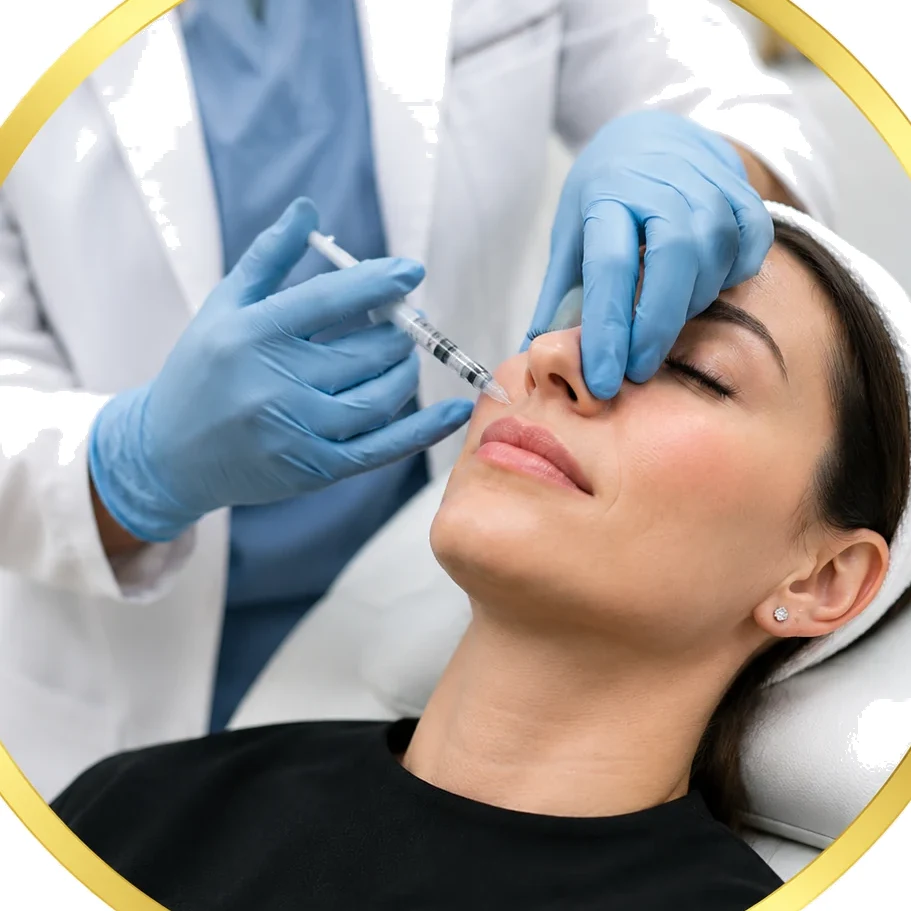

Laser treatment can improve acne scars significantly, often by 30 to 70% over a full course, but it rarely erases them completely. Fractional CO2 lasers tend to deliver the biggest visible change, though they demand more recovery time than gentler options. The choice that matters most is not which device sounds most advanced, but how your scar type and downtime tolerance match the treatment. If your scarring is moderate to severe, a clinician assessment should come before any purchase decision.
TL;DR:
- Laser treatment for acne scars typically offers 30 to 70 percent improvement over a full course, with deeper scars requiring a combination of procedures for optimal results.
- The most effective device depends on scar type and individual healing capacity, with a skilled clinician's experience outweighing the choice of technology.
- Treatment is safer for lighter skin tones, but those with darker skin should undergo testing and be prepared for a higher risk of pigment changes.
- Most courses involve one to six sessions spaced six to eight weeks apart, with longer downtime for ablative options and minimal recovery for non-ablative treatments.
- Complete scar removal is unlikely; realistic expectations focus on texture smoothing and appearance enhancement rather than total eradication.
Table of Contents
- Main laser types used for acne scars and their typical use-cases
- How lasers improve acne scars and where they fall short
- Suitability and safety: skin type and who should wait
- Expected results, session counts and downtime
- Combination and complementary procedures for complex scars
- How to choose a clinic and practitioner: a concise checklist
- NexGen Clinics' approach to personalised acne scar treatment
- Costs and access: when treatment is private versus NHS-referred
- What the evidence actually tells us about acne scar lasers
- Getting personalised acne scar guidance at NexGen Clinics
- Sources
- FAQ
Main laser types used for acne scars and their typical use-cases
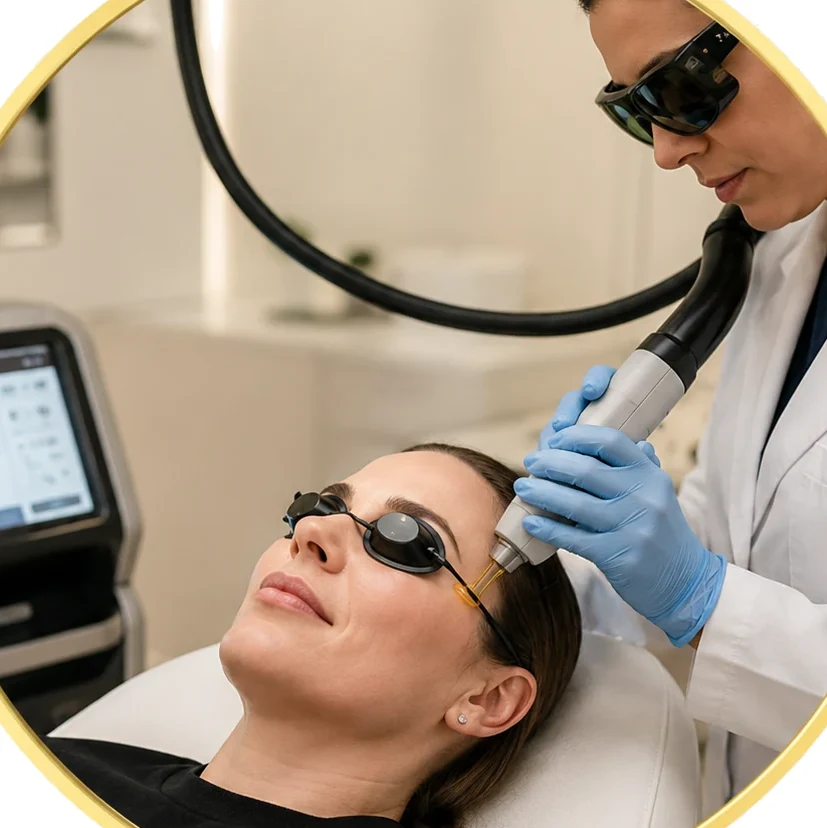
Lasers used for acne scarring fall into two broad categories: ablative and non-ablative. Ablative lasers remove the outer layer of skin to trigger fresh tissue growth, while non-ablative lasers heat the deeper skin layers without breaking the surface. Most modern devices deliver this energy in a "fractional" pattern, treating thousands of tiny columns of skin rather than the whole surface at once, which speeds healing while still stimulating collagen production.
- Fractional CO2: the most established ablative option for moderate to severe atrophic scarring, offering the deepest resurfacing but the longest recovery.
- Er:YAG: a gentler ablative laser with a shorter healing window and generally lower pigment-change risk for some patients.
- Non-ablative fractional lasers (1540, Nd:YAG): stimulate collagen with minimal downtime, suited to milder scarring or patients who cannot take time off for recovery.
- RF microneedling and hybrid devices: combine radiofrequency with fine needles to remodel deeper tissue, often used instead of or alongside lasers when a patient wants ablative-level results with less visible surface disruption.
Which route suits you depends on scar depth, skin tone and how much downtime you can realistically build into your schedule. A clinician-led acne scar plan will usually map these factors before recommending a device.
How lasers improve acne scars and where they fall short
Laser energy causes a controlled micro-injury to the skin. This prompts the body's wound-healing response, generating new collagen that gradually fills in and smooths depressed scar tissue over the following months. It is a slow biological process, which is why visible change builds across a treatment course rather than appearing after a single session.
Not every scar responds the same way. Rolling and boxcar scars, which have broader, sloping edges, tend to respond well because there is more surrounding tissue for new collagen to lift and blend. Ice-pick scars and tethered scars are a different problem: their narrow, deep or fibrous structure often resists resurfacing alone. These usually need subcision to release the tethering tissue, or punch excision, before or alongside laser treatment.
This is why practitioners talk about "improvement" rather than removal. Multiple sessions are the norm, and expectations should be set around visible smoothing and texture change rather than a scar-free result.
Suitability and safety: skin type and who should wait
Skin tone is one of the most important safety variables in acne scar laser treatment. Patients with darker skin tones, classed as Fitzpatrick types IV to VI, face a raised risk of post-inflammatory pigment changes after ablative treatment, which is why experienced clinicians use more conservative settings and often test a small patch of skin before committing to a full treatment area.
Certain conditions mean laser treatment should be paused or reconsidered:
- Recent use of isotretinoin, which requires a waiting period before laser treatment due to healing risks.
- Active skin infection, cold sores or open acne lesions in the treatment area.
- Recent sun exposure or tanning, which raises the risk of pigment complications.
- Pregnancy, or certain photosensitising medications, which a clinician will screen for at consultation.
A test patch, combined with sun avoidance and any recommended topical preparation beforehand, helps a clinician judge how your skin will heal before treating a wider area. If your scarring is complex, your skin tone carries elevated risk, or you have an unclear medical history, deferring treatment and asking for a dermatologist referral is the safer route.
Pro Tip: Book your consultation with enough lead time to avoid sun exposure and stop any photosensitising products beforehand, since skin preparation affects both safety and results.
Expected results, session counts and downtime
Setting realistic expectations before you start makes the whole process easier to plan around, both for your calendar and your budget.
30 to 70% improvement in acne scar appearance is the typical range reported after a full course of fractional CO2 laser treatment, though the exact outcome depends heavily on scar type and skin healing response.
- Most courses involve 1 to 6 sessions, spaced roughly 6 to 8 weeks apart to allow full healing between treatments.
- Ablative treatments such as fractional CO2 carry longer downtime, often several days to two weeks of visible healing with extended redness.
- Non-ablative options involve shorter erythema and minimal crusting, usually resolving within a few days.
- Aftercare typically includes strict sun protection, gentle cleansing and avoiding active skincare ingredients until the skin has fully settled.
Contact your clinic promptly if you notice spreading redness, unusual pain, discharge or signs that healing has stalled. Planning your recovery window in advance makes it far easier to fit treatment around work and social commitments.
Combination and complementary procedures for complex scars
Deep or tethered scars rarely respond to laser alone, which is why combination therapy is increasingly the standard approach for complex scarring.
- Subcision or punch excision first: fibrous tethers are released or removed before resurfacing, since laser energy alone cannot lift a deeply anchored scar.
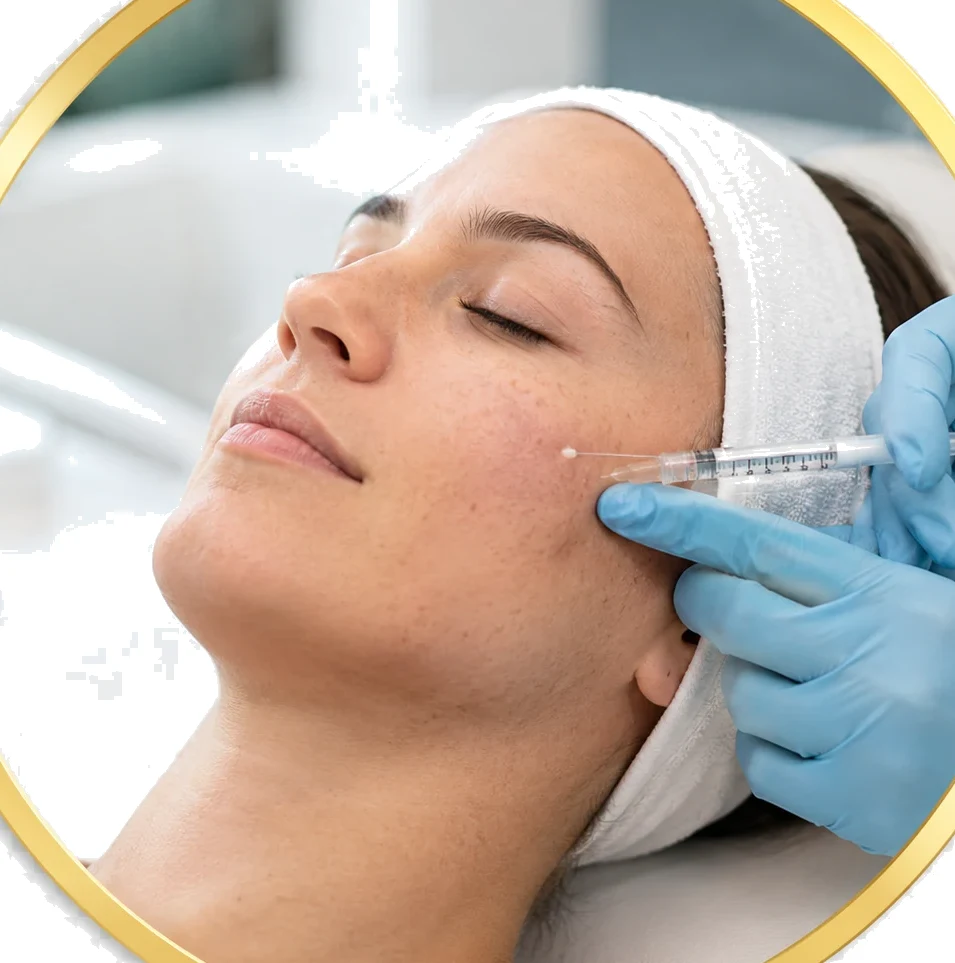
- PRP or skin boosters alongside laser: some clinicians add these to support the skin's healing response after ablative treatment.
- Staged sequencing: procedures are spread across separate appointments to let each stage heal fully before the next begins.
- Combined cost and downtime: multimodal plans generally cost more and take longer overall, but often produce a better result for scarring that a single device cannot resolve.
Your clinician should explain this sequencing clearly at consultation, including how many appointments the full plan is likely to need.
How to choose a clinic and practitioner: a concise checklist
The device matters less than the person operating it. NHS guidance on cosmetic procedures recommends checking qualifications and asking direct questions before booking.
- Confirm the practitioner's registration, such as GMC for doctors, and check whether the clinic is registered with the Care Quality Commission where applicable.
- Look for clinics listed with the Joint Council for Cosmetic Practitioners (JCCP) or Save Face, which add a further layer of practical assurance.
- Ask specifically about the device model, the clinician's experience treating your scar type with it, and request before-and-after examples of similar cases.
- Confirm the test-patch policy, written aftercare instructions, an emergency contact, and documented consent that lists realistic risks.
Treat very low prices for ablative work, promises of flawless results, or vague aftercare as warning signs rather than bargains.
Pro Tip: Bring a written list of your questions to the consultation. It keeps the conversation focused and makes it easier to compare answers between clinics.
NexGen Clinics' approach to personalised acne scar treatment
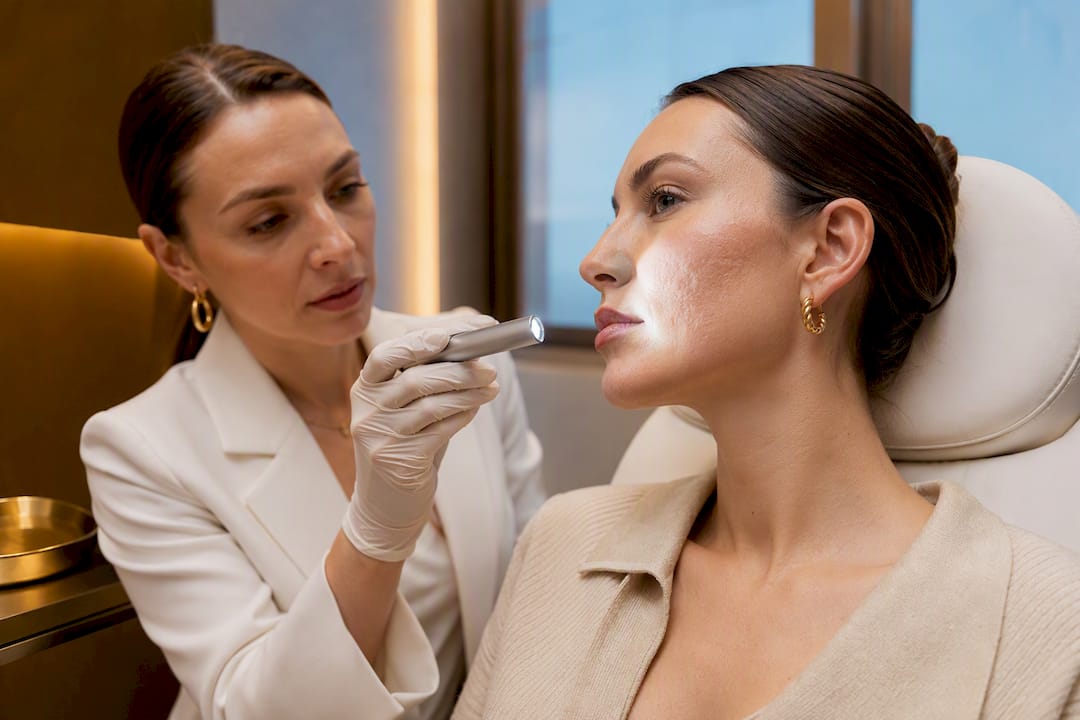
Some clinics build each acne scar plan around an AI-driven skin assessment, which maps scar depth and texture before recommending a device or combination approach rather than defaulting to one option for every patient.
Patients typically see visible texture change across 3 to 6 sessions, with downtime guidance tailored to the device used and the individual's skin healing pattern. As contributing clinical expert, Ms Sandra Petraskaite has helped shape this article's emphasis on realistic outcomes and safe scar assessment. Use the checklist above when booking any consultation, including one at NexGen Clinics, to confirm the same standards apply.
Costs and access: when treatment is private versus NHS-referred
Cosmetic laser treatment for acne scarring is generally not routinely commissioned by the NHS, though severe scarring that has persisted for at least a year after active acne has resolved may warrant referral to a consultant dermatologist for assessment.
- Private treatment costs vary by device, clinician seniority and the number of sessions your plan requires.
- Always request an itemised quote before committing to a full course.
- Ask about a trial session or single-area treatment first, especially for ablative work, to judge your skin's response before paying for a full plan.
- Check whether aftercare visits or touch-up sessions carry additional fees.
What the evidence actually tells us about acne scar lasers
The research supports a more measured message than most marketing suggests: lasers work, but "meaningful improvement" is the honest goal, not scar removal. Where conventional advice tends to fall short is in treating device choice as the main decision. The evidence points elsewhere, toward scar morphology, skin tone and practitioner experience as the factors that actually determine outcome.
I would prioritise the consultation over the device name every time. A skilled clinician using a slightly less advanced laser, with the right settings for your skin type and an honest read on your scar pattern, will usually outperform an impressive machine used generically. Readers researching this topic often ask "which laser is best," when the better question is "which clinician has treated scars like mine, on skin like mine, and can show me that work." That shift in focus is the single change I would make to how most people approach this decision.
— Ms Sandra Petraskaite
Getting personalised acne scar guidance at NexGen Clinics
If you have read this far, you already understand that generic advice only goes so far with acne scarring. What actually changes outcomes is a plan built around your specific scar pattern, skin tone and healing history, which is exactly what NexGen Clinics' AI-driven skin assessment is designed to map before recommending a laser or combination approach.
Alongside laser treatment, some clinics offer Skin Boosters, Profhilo and Polynucleotides, which some patients use to support skin quality between resurfacing sessions. Every plan starts with a consultation rather than a fixed package, so your recommendation reflects your scars rather than a standard menu. You can view the full laser skin treatment options and book a consultation directly through the clinic's treatments page.
This article is general information, not a substitute for advice from a qualified doctor. Consult a qualified healthcare professional about your own circumstances before acting on anything here.
Sources
- Bristol Laser Centre — acne scarring (NBT NHS)
- Shedding light on acne scars: CO2 vs Er:YAG review — PubMed
- Laser safety and pigmentation considerations — PubMed
- Choosing who will do your cosmetic procedure — NHS
FAQ
Is laser effective for acne scarring?
Laser treatment can be effective for acne scarring, with fractional CO2 laser courses reporting typical improvement of 30 to 70% in scar appearance. Results depend heavily on scar type, skin tone and the number of sessions completed, so a clinician assessment gives a more accurate personal estimate than a general figure.
Does laser treatment get rid of acne scarring completely?
Laser treatment improves the appearance of acne scarring rather than removing it entirely. Ice-pick and tethered scars in particular often need subcision or punch excision alongside laser resurfacing, since ablative lasers alone rarely lift deeply tethered scars.
How much does laser scar removal cost privately?
Pricing varies by device, clinician seniority and how many sessions your plan needs, so an itemised quote from your clinic is the only reliable way to budget. NexGen Clinics does not publish a fixed laser price and instead confirms cost after an assessment of your scarring; you can request this through the clinic's laser treatment page.
Is it possible to fully get rid of acne scars?
Complete removal of acne scars is not a realistic goal with current laser technology, since treatment works by triggering collagen remodelling rather than erasing scar tissue outright. Reviews of laser and energy-based treatments describe meaningful, measurable improvement as the realistic outcome, often achieved through a combination of approaches for complex scarring.
When should acne scarring be referred for NHS assessment?
Severe acne scarring that has persisted for at least a year after active acne has cleared may be considered for referral to a consultant dermatologist under some NHS pathways. Routine cosmetic laser treatment for scarring is generally self-funded rather than commissioned by the NHS, so most patients pursue treatment privately.
Recommended
- See Real Improvement in 3–6 Sessions: Clinician Led Acne Scar
- Bespoke Laser Plans Backed by AI for Safer Skin Rejuvenation
- Effective Treatment for Acne Scarring
Ready to explore your options?
Speak with a NexGen clinician for a personalised consultation. We’ll listen, assess, and recommend the safest and most effective route — always led by evidence, always tailored to you.
Book a consultation or get in touch with our Cambridge team.