The most reliable way to reduce visible pores is a staged topical routine, combined where structural factors dominate, with clinic-based collagen-remodelling procedures. Pores cannot be permanently closed, but the right combination of homecare and professional treatment can noticeably refine their appearance over several months.
That means treating the skin's surface (oil control, cell turnover, sun protection) while also addressing what's happening beneath it, where collagen and elastic fibres either hold a pore's rim taut or let it sag open. If you're starting today, three steps matter most:
- Begin daily broad-spectrum SPF if you haven't already
- Introduce a retinoid gradually to support collagen and cell turnover
- Book a skin assessment if sagging or scarring, not just oiliness, looks like the main issue
TL;DR:
- Pore reduction depends on accurately diagnosing whether excess oil, loss of elasticity, or follicle size is the primary driver, guiding tailored treatment plans.
- Homecare ingredients like retinoids, salicylic acid, niacinamide, and daily SPF require consistent use over several months for noticeable pore refinement.
- Clinic procedures such as microneedling, RF microneedling, and resurfacing are most effective when combined with personalized timing and sequencing based on the underlying cause.
- Safe treatment for darker skin tones involves lower energy settings, wider session intervals, and careful selection of active ingredients to minimize hyperpigmentation risks.
- An AI-driven skin analysis helps create bespoke treatment strategies, combining topicals and procedures to target specific pore causes rather than applying generic routines.
Table of Contents
- What causes enlarged pores? Three drivers to identify
- Which homecare products actually shrink the look of pores?
- What clinic procedures treat large pores most effectively?
- How many sessions are needed to see results?
- Are pore treatments safe for darker skin tones?
- Does diet and hydration affect pore size?
- Do pore treatments work differently on oily, combination and dry skin?
- What are the side effects and contraindications of each treatment?
- Can you combine multiple pore treatments safely?
- How NexGen personalises a pore treatment plan
- Book a consultation for a personalised pore treatment plan
- Key Takeaways
- Sources
- FAQ
What causes enlarged pores? Three drivers to identify
Clinical reviews point to three distinct mechanisms behind visible pores, and knowing which one applies to you changes the entire treatment plan, according to research reviewing pore causes and treatments.
The first is sebum-driven enlargement. Excess oil production stretches the follicle opening and often comes paired with comedonal congestion, blackheads and a shiny T-zone. The second is loss of elasticity. As collagen and elastin degrade with age and sun exposure, the skin around each pore loses its ability to spring back, so the opening sags and widens. The third is follicle volume itself. Some people simply have thicker hair follicles or a history of acne scarring that has stretched the surrounding tissue.
- Oily, congested skin: usually responds well to homecare and chemical exfoliation
- Ageing, sun-damaged skin: needs collagen-stimulating procedures, not just topicals
- Scarred or genetically large follicles: often requires a mix of resurfacing and longer-term maintenance
Getting this diagnosis right, ideally with a professional assessment, saves months of using the wrong product for the wrong problem.
Which homecare products actually shrink the look of pores?
Four ingredients carry genuine evidence behind them, and dermatology guidance frames them as sensible first-line steps before anything more intensive, according to the American Academy of Dermatology.
- Topical retinoids increase cell turnover and support collagen production. A large randomised trial found that tazarotene produced a statistically significant improvement in pore appearance after 24 weeks, though it can cause irritation and dermatitis in some users, which is why clinicians recommend building up frequency slowly, as detailed in MDedge's review of pore treatments.
- Salicylic acid is oil-soluble, so it penetrates the pore lining and clears out debris that stretches the opening. Two to three applications a week, via cleanser or leave-on treatment, is usually enough to start.
- Niacinamide helps regulate sebum output and pairs well with a non-comedogenic moisturiser that won't reintroduce the congestion you're trying to clear.
- Daily SPF protects the collagen you're trying to preserve. Skipping sunscreen actively accelerates the elasticity loss that widens pores in the first place.
Pro Tip: Introduce one active ingredient at a time, two to three weeks apart. Layering a new retinoid and a new acid together in the same week is the most common cause of the redness that makes people quit before they see results.
Most people notice a difference in skin texture within a few weeks, but meaningful pore refinement from topicals alone tends to take several months of consistent use.
What clinic procedures treat large pores most effectively?
When homecare plateaus, or when loss of elasticity is the dominant cause, in-clinic procedures address the deeper structural problem that creams can't reach. Current treatment options span topical prescriptions, chemical peels, and energy-based devices, with device therapies increasingly seen as some of the more effective options for stubborn cases, per the same MDedge review.
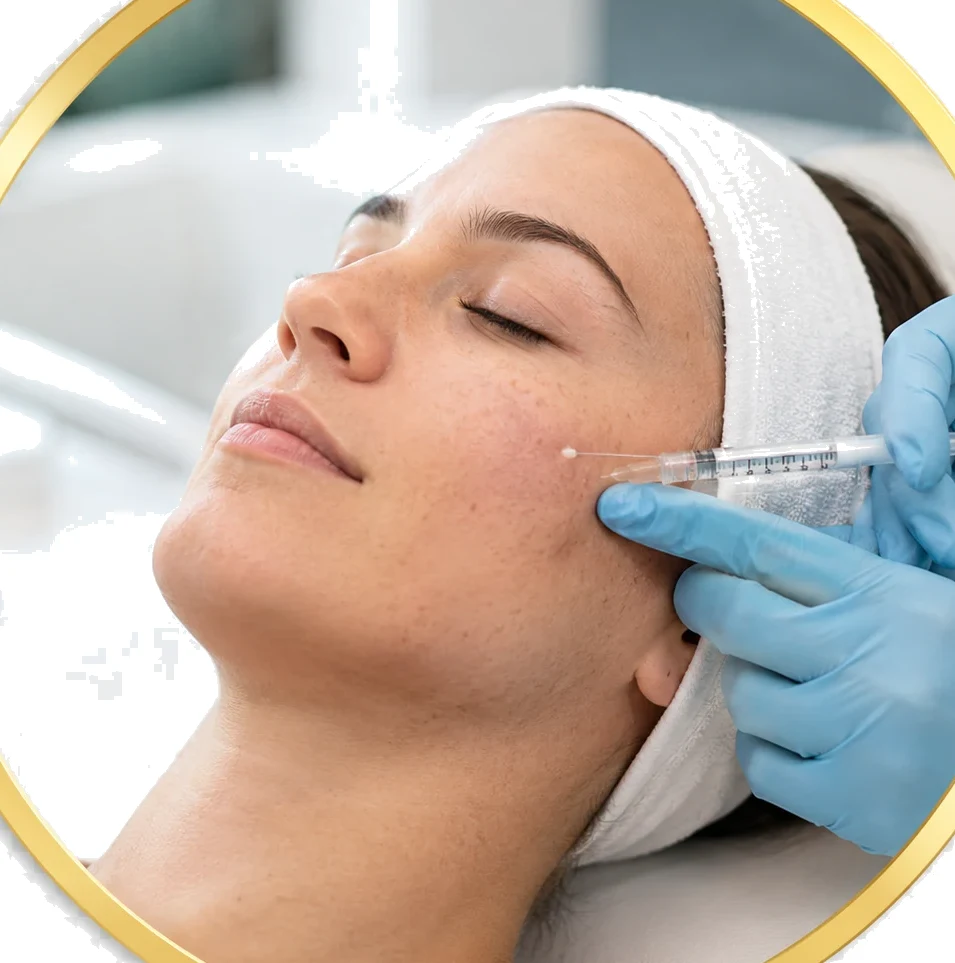
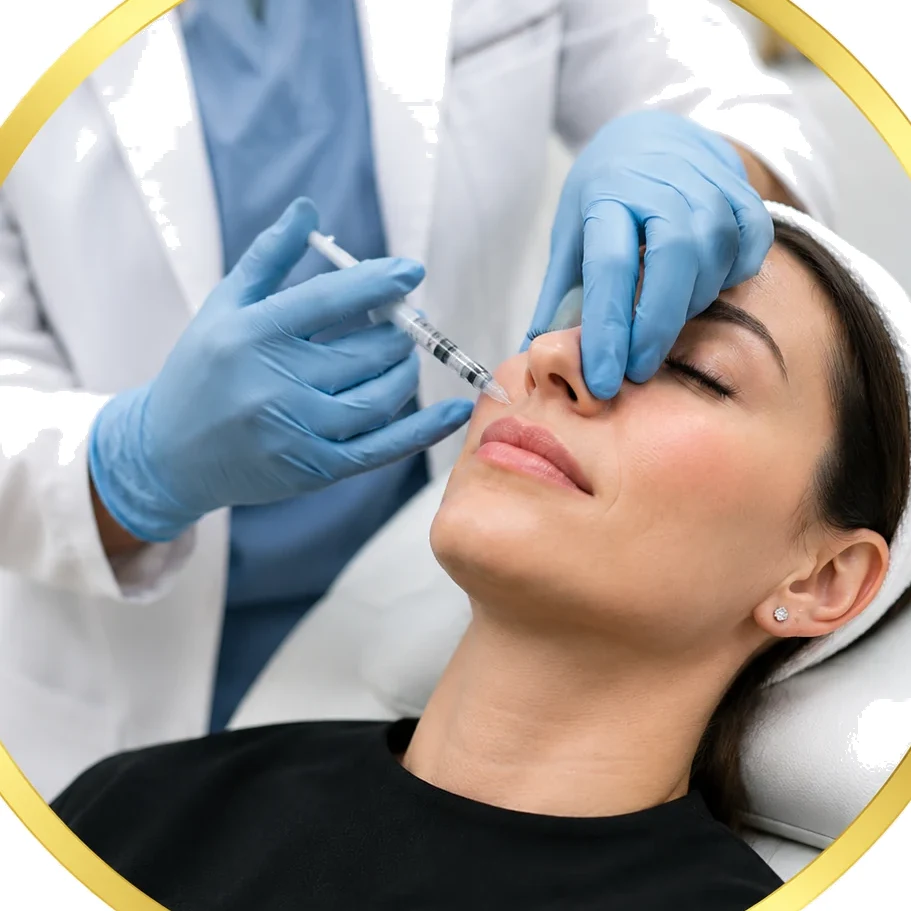
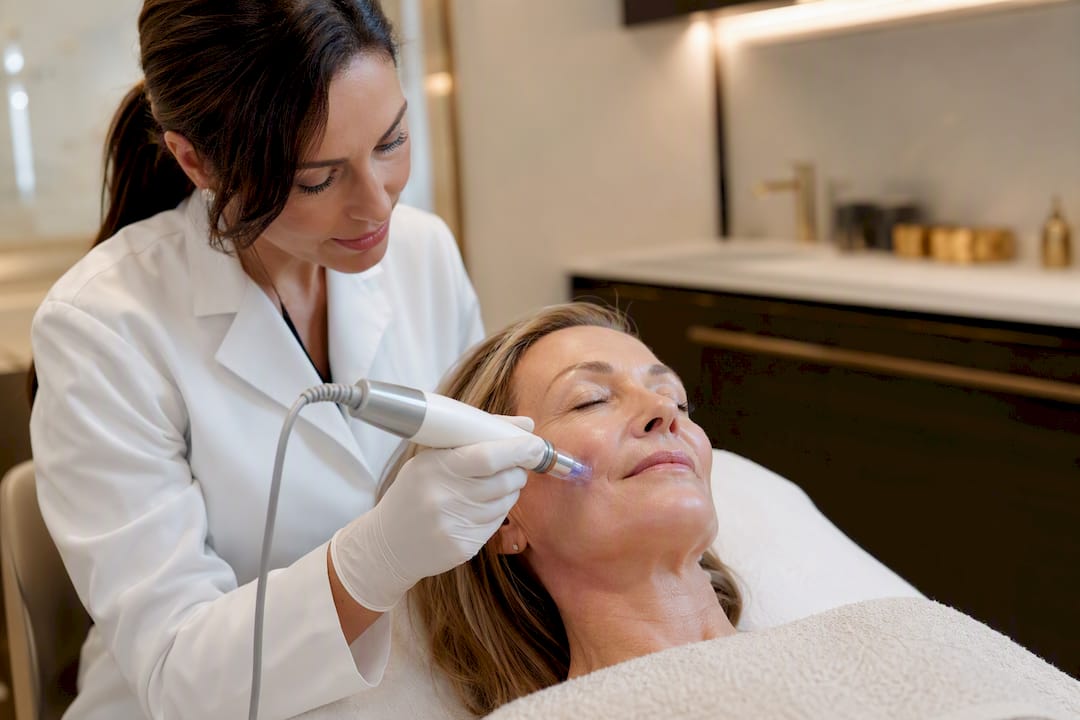
Microneedling and RF microneedling create controlled micro-injuries that trigger collagen remodelling. Standard courses run for multiple sessions, and RF microneedling adds radiofrequency energy to reach deeper into the dermis, making it a common choice for both texture and mild skin laxity. You can read more about how these sessions are structured on our microneedling in Cambridge page.
Chemical peels use acids at varying depths and concentrations. Superficial glycolic or salicylic peels suit oilier, congested skin, while deeper peels are reserved for more resilient skin types given the higher risk of downtime. A useful primer on how peel formulations differ is available through Alloi Skin's professional standard.
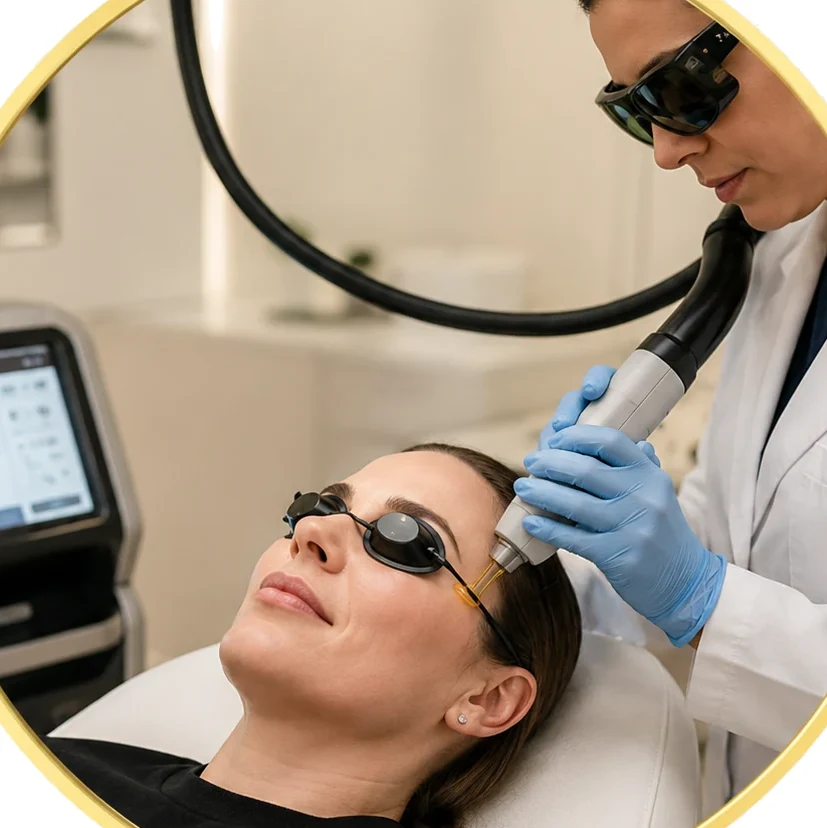
Lasers and energy devices, including fractional lasers, radiofrequency, and ultrasound, work at a deeper level than peels or needling alone, targeting the collagen scaffold directly rather than just the surface.
- Professional extractions and facials help with congestion, blackheads and surface oil.
- Structural laxity needs collagen-stimulating devices, not extractions.
- Combination approaches are common because most people have more than one driver at play.
No single procedure fixes everything, which is why clinicians rarely rely on just one tool. A partner resource on RF microneedling mechanisms offers further detail on how these devices stimulate the dermis.
How many sessions are needed to see results?
A treatment course starts with a proper assessment, not a generic protocol, because the right session count and interval depend on which of the three causes (oil, elasticity, follicle size) is driving your case.
- Initial assessment: a practitioner examines pore distribution, skin thickness and any scarring to identify the primary cause.
- Course length: most collagen-based procedures, including microneedling, follow a guideline of three to six sessions spaced roughly four weeks apart, allowing each round of collagen remodelling to settle before the next.
- Tracking progress: expect gradual textural change rather than a dramatic before-and-after. Photos taken under consistent lighting every few sessions are more reliable than how your skin looks day to day.
- Maintenance: once the initial course ends, many people rebook a single session every six to twelve months to sustain results, alongside continued homecare.
Immediate effects, like slight redness or tightness, fade within days. The visible refinement in pore size builds cumulatively across the full course, not after a single visit.
Are pore treatments safe for darker skin tones?
Post-inflammatory hyperpigmentation, or PIH, is the primary risk to manage on darker skin, and it's why settings, peel depth and treatment intervals are adjusted rather than applied uniformly. Professional guidance is consistent on this point: chemical peels and microneedling both require more conservative energy and acid selection on richly pigmented skin to reduce that risk, according to clinical guidance on large pore treatment.
Practitioners typically:
- Use lower peel concentrations and reduced RF energy on darker skin tones
- Space sessions further apart to allow full healing between treatments
- Prescribe a preparatory skincare regimen beforehand and stricter sun protection afterwards
Certain conditions call for postponing treatment altogether, including recent isotretinoin use, active skin infection, or pregnancy.
Pro Tip: If you've used isotretinoin in the past six to twelve months, mention this at your consultation. It's one of the most commonly overlooked contraindications for both peels and microneedling.
Does diet and hydration affect pore size?
Diet doesn't shrink pores directly, but it shapes the two things that make pores look worse: excess oil and inflammation. Diets high in refined sugar and dairy have long been discussed in dermatology circles as potential contributors to increased sebum output in acne-prone skin, and more oil at the surface means more visible congestion around each follicle opening.
Hydration works differently. Drinking enough water supports overall skin function, but it won't plump out an enlarged pore the way a moisturiser or serum claims to. What hydration and a well-formulated skincare routine can do is prevent the skin from overcompensating. When the skin barrier is dehydrated, some skin types respond by producing more oil, which then worsens the very congestion you're trying to reduce.
A few practical habits make more difference than any single ingredient:
- Keep added sugar and high-glycaemic foods in check if you notice a pattern with breakouts
- Prioritise omega-3-rich foods, which support the skin's barrier function
- Use a humectant-based moisturiser (look for hyaluronic acid or glycerin) rather than skipping moisturiser to avoid feeling greasy
- Stay consistent with water intake, but treat it as supporting general skin health rather than a pore treatment in itself
None of this replaces topical retinoids, acids or clinic procedures. Diet and hydration set the baseline your skin is working from, but the visible reduction in pore size still comes from the ingredients and procedures already covered.
Do pore treatments work differently on oily, combination and dry skin?
Skin type changes both what treats pores effectively and how much irritation you should expect along the way.
Oily skin typically shows the most dramatic response to salicylic acid and niacinamide because the core problem, excess sebum, is exactly what those ingredients target. Retinoids are usually well tolerated here too, since the extra oil buffers some of the dryness these products can cause.
Combination skin needs a split approach. The oilier zones, usually the forehead, nose and chin, benefit from acid exfoliation and oil-regulating ingredients, while drier cheeks need a gentler routine to avoid over-exfoliating. Applying the same product uniformly across combination skin is one of the more common reasons people see uneven results.
Dry skin responds less predictably to acids and retinoids, since both can increase flaking and sensitivity when the skin barrier is already compromised. This doesn't mean avoiding them, but it does mean starting at a lower frequency, once or twice a week rather than nightly, and pairing every active ingredient with a richer, barrier-supporting moisturiser.
Clinic procedures also perform differently across skin types. Peels tend to suit oily and combination skin better, since thicker, more resilient skin tolerates acid exposure with less risk of prolonged redness. Microneedling and RF microneedling are more universally tolerated across skin types because they work mechanically on the dermis rather than chemically exfoliating the surface, making them a reasonable option even for those with drier, more reactive skin.
What are the side effects and contraindications of each treatment?
Every option covered here carries a different risk profile, and knowing it in advance makes for a far more productive consultation.
Topical retinoids commonly cause redness, peeling and dryness in the first few weeks. Discontinuation due to dermatitis was noted even in clinical trial settings, which is why a slow build-up schedule matters. Retinoids should be avoided during pregnancy and breastfeeding.
Salicylic acid and niacinamide are generally well tolerated, though salicylic acid can cause dryness or mild irritation if overused, particularly alongside a retinoid in the same routine.
Chemical peels carry a risk of redness, flaking and, in darker skin tones, post-inflammatory hyperpigmentation if depth and acid type aren't matched carefully to the individual. Active skin infections, open wounds, and recent isotretinoin use are standard reasons to postpone.
Microneedling and RF microneedling can cause temporary redness, pinpoint bleeding and swelling for a day or two. Contraindications include active acne breakouts in the treatment area, keloid scarring tendency, and pregnancy.
Lasers and energy devices carry a higher risk profile than needling, including temporary swelling, redness lasting several days, and a small risk of pigment changes, particularly on darker or more reactive skin without appropriately adjusted settings. These are generally not recommended during pregnancy or over active infections either.
The same caveat applies across every procedure on this list: they should be approached with the same caution around pregnancy, recent isotretinoin use, and active skin infection, regardless of which treatment you're considering.
Can you combine multiple pore treatments safely?
Combining treatments is standard practice, not an exception, because the three causes of enlarged pores rarely act alone. A pragmatic pathway many clinics use is homecare retinoid build-up first, followed by a course of microneedling or fractional RF sessions, timed so the skin has already adjusted to the retinoid before adding a procedure on top.
The sequencing matters more than the combination itself. Starting microneedling while your skin is still adjusting to a new retinoid increases the chance of excess redness and prolonged sensitivity. Most practitioners recommend pausing retinoid use for several days before and after a peel or microneedling session, then resuming once the skin has recovered.
Layering multiple acids or introducing a new device treatment on top of another in the same week is where most avoidable complications happen. A staged plan, one variable added at a time, gives you a much clearer picture of what's working and what's causing irritation. This is also where a medically led assessment earns its value: a practitioner can sequence retinoids, peels and device treatments so they support rather than compete with each other.
How NexGen personalises a pore treatment plan
Nexgen Clinic uses AI-driven skin analysis to identify which of the three causes, oil, elasticity loss, or follicle volume, is dominant in your case, rather than defaulting to a one-size-fits-all protocol. That analysis then guides which combination of regenerative procedures and medical-grade homecare gets recommended, and clients consistently report high satisfaction with the natural-looking results this tailored approach produces.
— Ms Sandra Petraskaite
Book a consultation for a personalised pore treatment plan
Choosing between a retinoid, a peel, and a microneedling course is hard to do alone, especially when your skin shows signs of more than one cause at once. That's exactly the gap a medically led assessment closes.
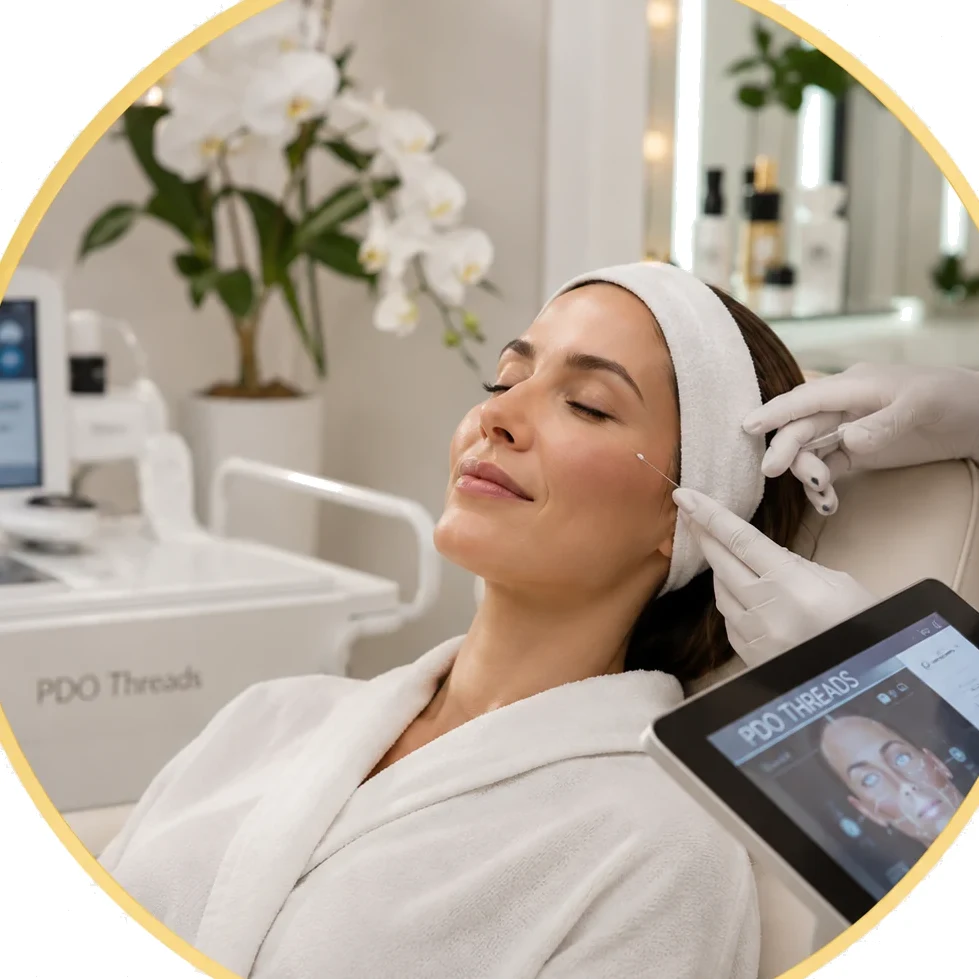
At an initial consultation with Nexgen Clinic, you'll go through an AI-supported skin analysis that maps out oil production, elasticity and follicle patterns, followed by a safety review and a bespoke plan drawn from the clinic's precision treatments. For pore concerns tied to sagging or structural laxity, that plan might include PDO thread lifts alongside collagen-stimulating procedures; for congestion-led cases, it's more likely to centre on peels or microneedling paired with medical-grade skincare. Book a consultation through Nexgen Clinic to get a plan built around your specific combination of causes, rather than a generic routine borrowed from someone else's skin.
Key Takeaways
Reducing enlarged pores requires matching the treatment to the underlying cause, combining consistent homecare with clinic procedures when structural factors are involved, and maintaining results over time.
| Point | Details |
|---|---|
| Identify the cause first | Oil, elasticity loss, or follicle size each need a different treatment approach. |
| Build homecare gradually | Introduce retinoids and acids slowly, two to three weeks apart, to avoid irritation. |
| Expect a multi-session course | Collagen-stimulating procedures typically need three to six sessions at four-week intervals. |
| Adjust for darker skin tones | Lower energy settings and wider intervals reduce the risk of pigment changes. |
| Personalised assessment matters | Nexgen Clinic uses AI-driven skin analysis to match treatments to your dominant pore cause. |
This article is general information, not a substitute for advice from a qualified doctor. Consult a qualified healthcare professional about your own circumstances before acting on anything here.
Sources
- Facial pores: definition, causes, and treatment options (PubMed)
- Enlarged facial pores: an update on treatments (MDedge)
- What can treat large facial pores? (American Academy of Dermatology)
FAQ
Can enlarged pores be permanently closed?
No treatment permanently eliminates pores. Realistic goals are reducing their visibility, controlling congestion, and maintaining results with ongoing homecare and periodic procedures.
How long does it take to see results from pore treatments?
Topical routines usually show textural improvement within six to eight weeks, while clinic procedures like microneedling typically need a full course of three to six sessions for visible refinement.
Is microneedling or a chemical peel better for large pores?
It depends on the cause: microneedling suits texture and mild laxity through collagen stimulation, while peels work better for oil-driven congestion. Many treatment plans, including those at Nexgen Clinic, combine both.
Are pore treatments safe for darker skin tones?
Yes, when settings, peel depth, and session intervals are adjusted to reduce the risk of post-inflammatory hyperpigmentation, which is why a medically led assessment matters before starting.
Does diet affect pore size?
Diet doesn't shrink pores directly, but high-sugar diets can increase sebum output, which worsens the congestion that makes pores look larger.
Recommended
- CryoPen Cambridge: Effective Skin Treatment
- Precision Treatments | NexGen Clinics
- What Are Skin Boosters? - NexGen Clinic
- Skin Boosters in Cambridge | NexGen Clinic
Explore related NexGen treatments
- Explore our full treatment menu
- Book a consultation with our clinicians
- Contact our Cambridge team
- Read more articles in the NexGen Journal
Ready to explore your options?
Speak with a NexGen clinician for a personalised consultation. We’ll listen, assess, and recommend the safest and most effective route — always led by evidence, always tailored to you.
Book a consultation or get in touch with our Cambridge team.