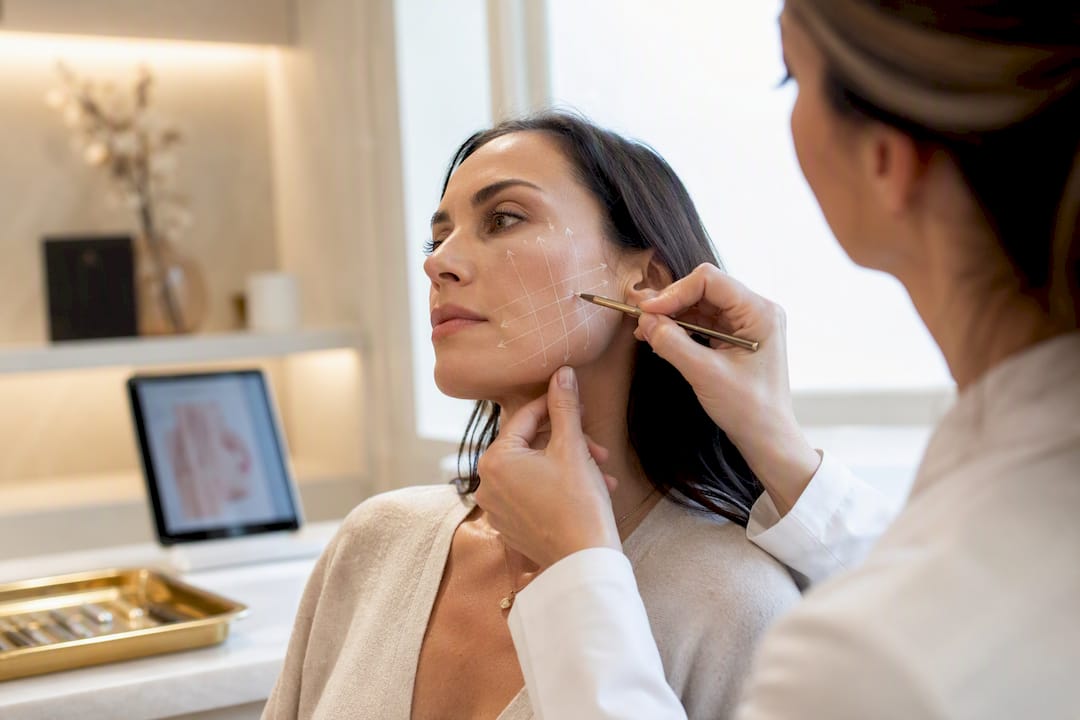

Most people carry visible swelling and bruising for 3 to 14 days after PDO thread lifting, with tightness that can linger for a few weeks longer. Immediate priorities are simple: apply cold packs, sleep with your head elevated, and avoid massaging the treated area or opening your mouth wide. Contact your clinic promptly if pain worsens, you notice signs of infection, or a thread becomes visible under the skin.
TL;DR:
- Swelling and bruising usually peak within the first 72 hours, with most resolving between days 7 and 14, while collagen remodeling drives results over 4 to 12 weeks.
- Cold packs, avoiding hot showers and vigorous activity, and sleeping propped up help manage early swelling and bruising, which affect over a quarter of cases.
- Strict aftercare, including keeping the head elevated, avoiding facial pressure, and delaying exercise and facial treatments for two weeks, optimizes thread stability and healing.
- Signs of infection, thread extrusion, or persistent asymmetry beyond three weeks require prompt clinic review to prevent complications.
- Long-term effects rely on collagen stimulation, with results lasting 12 to 18 months, influenced by thread type, patient age, and skin quality.
Table of Contents
- What is the PDO threads recovery timeline?
- How do you manage swelling, bruising and tightness?
- What should you do and avoid during PDO thread lifting aftercare?
- What warning signs mean you should contact your clinic?
- What can you expect from PDO thread lifting results long-term?
- How does NexGen Clinics approach PDO thread lift recovery?
- What should you eat to support healing after PDO threads?
- What complications can occur beyond swelling and bruising?
- What affects how fast you heal, and how do you support it?
- Which skincare products should you use or avoid while healing?
- Why realistic timelines matter more than perfect recovery
- Book a PDO threads recovery review with Nexgen Clinic
- Sources
- FAQ
What is the PDO threads recovery timeline?
PDO thread lift recovery follows a fairly predictable pattern, though the pace varies by individual. Knowing what happens in each window helps you tell normal healing from something that needs a call to your clinic.
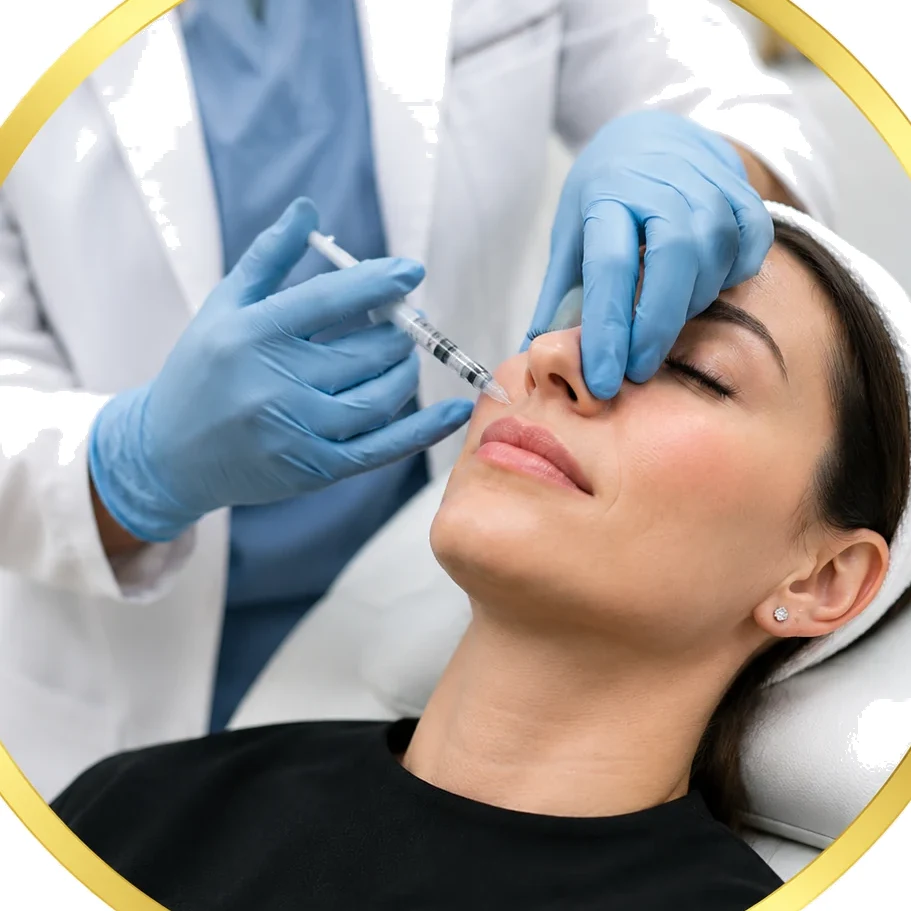
The first 24 hours. Local anaesthetic keeps most of the procedure comfortable, but as it wears off, you'll likely feel tightness, mild throbbing, and some early swelling around the entry points. Bruising can appear within hours in areas where a thread crossed a small blood vessel. Cold packs applied in short bursts, roughly 10 to 15 minutes at a time, help limit this early inflammation without overcooling the skin.
24 to 72 hours. Swelling typically peaks during this window for many patients, sometimes making the face look more puffy than immediately after treatment. This is expected. Avoid alcohol, strenuous bending, and hot showers, which all encourage blood flow to the face and can worsen swelling.
Days 7 to 14. Bruising usually starts fading from purple to yellow-green and often clears within this period. Any dimpling, puckering, or slight asymmetry around thread entry points tends to relax on its own as tissue settles. Short-term clinical series report that transient bruising, swelling, and mild asymmetry resolve within one to three weeks in most cases.
Weeks 4 to 12 and beyond. This is where the real work happens beneath the surface. Collagen remodelling continues as the PDO material stimulates fibroblast activity, and the threads themselves gradually resorb, typically over roughly six months. The lifting effect you see at 12 weeks tends to be more stable and natural-looking than what you notice in week one, because early results are partly down to tissue swelling and thread tension rather than genuine collagen support.
- Day 0 to 1: anaesthetic wears off, initial swelling and possible bruising begin.
- Day 1 to 3: swelling often peaks; strict rest and cold therapy matter most here.
- Day 7 to 14: bruising fades, minor irregularities usually smooth out.
- Week 4 to 12: collagen remodelling drives the visible lift as threads dissolve.
- Month 6 onward: threads have largely resorbed; results reflect your own tissue response.
How do you manage swelling, bruising and tightness?
Symptom control in the first fortnight makes a real difference to comfort and, in some cases, to how cleanly the skin settles around the threads.
Cold therapy remains the most effective first-line measure. Apply a clean, cloth-wrapped ice pack for short periods several times a day rather than holding it continuously, which can irritate rather than soothe treated skin. For pain, paracetamol is generally the safer first choice. Clinic practice typically advises against anti-inflammatory painkillers like ibuprofen in the first few days, since they can thin blood slightly and increase bruising risk.
- Use cold packs in short intervals for the first 48 to 72 hours, never applied directly to skin.
- Take paracetamol as needed rather than reaching for NSAIDs in the early days.
- Consider arnica gel or vitamin K cream as adjuncts once entry points have settled, if your clinic approves them.
- Keep entry points clean with a mild antiseptic if advised, to reduce infection risk.
- Expect small dimples, a palpable thread edge, or slight asymmetry in the first week, most of which resolve without intervention.
Pro Tip: Sleep propped up on two pillows for the first three nights. Gravity alone does a surprising amount to keep swelling from settling into your jawline and lower face overnight.
A 2026 meta-analysis found swelling in around 34% of cases, bruising in 26%, and pain in 11%, figures broadly consistent with what clinics see in daily practice. Persistent lumps, visible thread material, or dimpling that hasn't softened after two to three weeks warrants a clinic review rather than more waiting.
What should you do and avoid during PDO thread lifting aftercare?
A disciplined first fortnight protects thread position and gives collagen remodelling the best possible start.
- Keep your head elevated for the first 48 to 72 hours, including while sleeping, and avoid sleeping on your side or front.
- Skip firm massage or pressure on the treated area for at least two weeks; even enthusiastic face-washing can shift a thread before it's anchored.
- Hold off on heavy exercise for one to two weeks. Cleveland Clinic's guidance advises avoiding vigorous activity for up to two weeks to limit swelling and strain on the treated tissue.
- Delay dental work and facial treatments for several weeks, since jaw manipulation and facial massage can disturb thread placement.
- Avoid saunas, hot baths, and sunbeds in the first two weeks; heat increases swelling and can affect thread integrity while tissue is still settling.
- Reintroduce makeup and skincare gradually, once entry points have closed, usually after 48 to 72 hours, and always with clean hands and fresh applicators.
- Eat a soft diet initially and chew, yawn, and speak with a little more caution than usual to avoid excessive tension through the treated area.
What warning signs mean you should contact your clinic?
Most recovery follows the pattern above without incident, but a small number of symptoms deserve prompt attention rather than a wait-and-see approach.
- Infection signs: increasing redness, warmth, pus at an entry point, or fever beyond the first day or two.
- Thread extrusion: visible thread material breaking through the skin, or a hard, painful nodule that grows rather than softens.
- Vascular or neurological signs: sudden severe pain, pale or blanching skin, numbness, or muscle weakness on one side of the face.
- Persistent asymmetry: dimpling or puckering still visible well beyond two weeks with no improvement.
If any of these appear, contact your clinic rather than a general GP first, since the treating practitioner knows exactly where threads sit and can assess quickly. Bring timeline notes and, if possible, photos taken daily since the procedure. This helps the clinician see the progression rather than a single snapshot, and speeds up the decision on whether the issue needs conservative management or something more active.
What can you expect from PDO thread lifting results long-term?
PDO threads dissolve fully within roughly six months, but the lifting effect doesn't disappear with them. Guidance from a 2025 review explains that the real value of the treatment lies in the collagen stimulation the threads trigger while they're breaking down, tissue remodelling that continues to support the area after the material itself is gone.
Final contour changes usually become clear between three and six months post-procedure, which is when most clinics recommend assessing whether the result matches expectations. Small irregularities noticed at two weeks have almost always resolved by this stage.
Longevity varies by several factors:
- Thread count and type: more threads or barbed variants tend to create a stronger initial lift but also carry a higher combined complication rate, a pattern confirmed in a multicentre study that found thread count and older patient age were independent predictors of complications.
- Patient age: older skin with reduced elasticity may show a shorter-lived lift, since there's less native collagen scaffolding to build on.
- Skin quality going in: thicker, better-hydrated skin generally holds results longer than very thin or heavily sun-damaged skin.
Results from PDO threads typically last between 12 and 18 months before the effect softens noticeably. A follow-up treatment or a fresh set of threads is a reasonable option once lift diminishes, and in rare cases where a thread causes a persistent problem, clinical removal is possible.
How does NexGen Clinics approach PDO thread lift recovery?
At Nexgen Clinic, aftercare doesn't stop at the door. Every PDO thread patient is booked for an early review, typically within the first few days, in line with the early follow-up recommendations that clinical reviews support, with a second check around the one to two week mark to confirm bruising and swelling are tracking normally.
Aftercare advice can be personalised based on individual skin type, thread count, and treatment area, rather than being generic. If swelling or asymmetry looks slower to settle than typical, that assessment adjusts the follow-up schedule rather than leaving you to guess.
A clinic review involves a visual check of entry points, a discussion of your symptom timeline, and, where needed, conservative measures like guided massage or reassurance that what you're seeing is within normal range. Booking a review can be done through appropriate contact channels, and reaching out between scheduled visits if concerns arise is recommended.
What should you eat to support healing after PDO threads?
Diet plays a supporting role in how comfortably you recover, even though it won't change the mechanics of thread absorption or collagen formation. Inflammation-driven swelling responds, at least in part, to what you're eating in the first week.
Salty, processed foods encourage fluid retention, which can make facial swelling look worse than it needs to. Cutting back on takeaways and heavily salted snacks for the first few days is a small change with a visible payoff. Alcohol has a similar effect, dilating blood vessels and increasing the chance of bruising showing up more vividly, so it's worth avoiding for at least the first week.
On the other side, foods with natural anti-inflammatory properties, oily fish, leafy greens, berries, and plenty of water, support tissue repair without adding strain. Vitamin C-rich foods like citrus and peppers assist collagen synthesis, which is directly relevant given that collagen production is the entire point of a PDO thread lift.
A soft diet in the first few days also matters mechanically, not just nutritionally. Chewing tough or crunchy foods repeatedly stresses the jaw and cheek muscles right where threads are settling. Soups, stewed vegetables, and softer proteins reduce that repetitive strain while entry points close and threads anchor properly.
What complications can occur beyond swelling and bruising?
Most PDO thread recovery is uneventful, but a smaller set of complications sit outside the expected swelling, bruising, and tightness, and they're worth understanding rather than fearing.
Skin dimpling affects roughly 7% of cases, usually where a thread has pulled tissue slightly unevenly. When dimpling persists beyond the early healing phase, clinics can inject small volumes of saline and massage the area under supervision to release trapped tissue before it fibroses into a permanent depression, a technique described in post-procedural guidance on managing thread lift irregularities. This works best when addressed early rather than left to settle.
Late-onset visible or palpable threads occur in about 10% of cases, sometimes appearing weeks after the initial procedure as swelling resolves and skin thins slightly over the thread path. This is usually manageable with a simple in-clinic adjustment rather than a major intervention.
Infection is uncommon but not impossible, and it's the complication that needs the fastest response, since delayed treatment can allow it to spread or damage surrounding tissue. Granulomas, small firm nodules forming around thread material, are rarer still but respond well to prompt clinical assessment. The overall complication rate across large studies sits at around 12.4%, with thread count and patient age as the main predictors, which is exactly why a thorough consultation before treatment matters as much as the aftercare that follows it.
What affects how fast you heal, and how do you support it?
Recovery speed isn't uniform, and several factors explain why one patient looks presentable within days while another needs closer to two weeks.
Age and skin quality play an obvious role. Thinner, less elastic skin bruises more easily and can take longer to reabsorb swelling. Thread count matters too: more threads mean more entry points and, correspondingly, a broader area of tissue disruption to heal. Circulation and general health influence things as well, since smokers and people with poorly controlled blood sugar tend to see slower tissue repair across most cosmetic procedures, not just thread lifts.
You can optimise your own healing within these constraints. Staying well hydrated supports lymphatic drainage, which clears swelling faster. Gentle movement, walking rather than intense exercise, encourages circulation without straining the treated area. Avoiding smoking and minimising alcohol for the first week both measurably support tissue repair. Following your clinic's cold therapy and rest instructions precisely in the first 72 hours, rather than easing off early because symptoms feel manageable, tends to produce a noticeably smoother week two.
Sleep quality deserves a mention too. Deep sleep is when much of the body's repair and inflammation regulation happens, so treating the first few nights as genuinely restful, not just horizontal, pays off in how quickly swelling subsides.
Which skincare products should you use or avoid while healing?
What you put on your skin in the first fortnight can either support healing or actively work against it, and the two categories aren't always obvious.
Avoid active ingredients that increase cell turnover or irritation while entry points are closing. That means retinoids, exfoliating acids like glycolic or salicylic acid, and any strong vitamin C serum should wait until at least the second week, ideally longer if your clinic recommends it. Fragranced products and anything with alcohol as a primary ingredient can sting broken skin and slow healing.
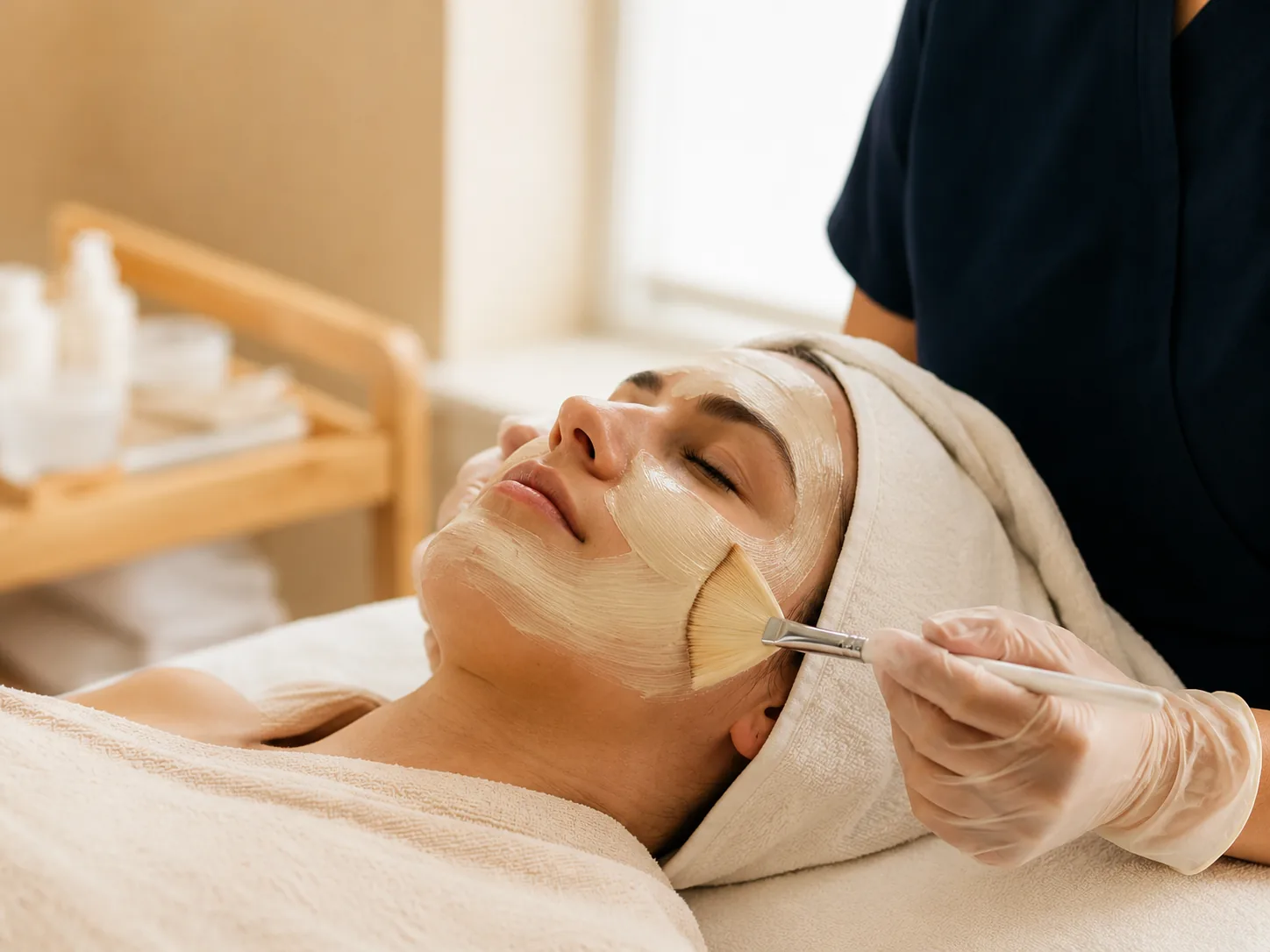
Gentle, barrier-supporting products are the better choice in the immediate aftermath. A simple, fragrance-free moisturiser helps maintain skin hydration without introducing irritants, and something like a hydrating overnight mask can be a reasonable option once entry points have closed, typically from around day three or four, though always check with your clinic first if you're unsure. Sunscreen matters from day one, since UV exposure can worsen pigmentation around bruised or inflamed skin, but choose a mineral formula over a chemical one to reduce the chance of irritation.
Makeup can generally return once entry points look closed and dry, usually around 48 to 72 hours, provided you use clean brushes or sponges and avoid rubbing motions over the treated area. If a particular product stings, causes redness, or seems to worsen swelling, stop using it and mention it at your next review rather than persisting through discomfort. For broader guidance on rebuilding a skincare routine after facial procedures, Nexgen Clinic's post-treatment skincare guide covers product sequencing in more depth.
Why realistic timelines matter more than perfect recovery
The conventional advice on thread lift recovery tends to oversell the "no downtime" angle, and that's where expectations quietly go wrong. Swelling in a third of patients and bruising in over a quarter, based on the current incidence data, isn't a minority experience you might get lucky and avoid. It's closer to the middle of the bell curve. Treating it as a footnote rather than the expected course sets people up to panic at day three, when peak swelling is actually right on schedule.
What's underrated is the value of a genuinely early follow-up, not the two-week check most people assume is standard, but a review within the first few days. That window is when small irregularities are easiest to correct and hardest to spot yourself in a mirror clouded by normal post-procedure puffiness. Complication rates sitting around 12.4% aren't a reason to avoid PDO threads. They're a reason to choose a clinic that treats aftercare as part of the procedure, not an afterthought tacked onto a consultation leaflet. Prioritise the follow-up schedule as carefully as you chose the treatment itself.
— Ms Sandra Petraskaite
Book a PDO threads recovery review with Nexgen Clinic
Recovery support that is personalised based on individual skin and treatment plans can better reflect actual healing patterns rather than a generic timeline.
If you're considering PDO threads for the first time, the PDO Thread Lifts page outlines pricing from £350 and what a consultation covers before you commit. Already treated and want a routine check, or noticing something that doesn't match what you expected at this stage? A booked review involves a visual assessment of entry points, a conversation about your symptom timeline, and conservative management if anything needs it, with escalation only where genuinely warranted. Browse the full treatments hub if you're weighing PDO threads against complementary options like Profhilo or skin boosters, and get in touch to arrange your consultation or follow-up visit.
This article is general information, not a substitute for advice from a qualified doctor. Consult a qualified healthcare professional about your own circumstances before acting on anything here.
Sources
- Consensus and clinical guidance on suspension threads and aftercare (PMC8149976)
- Pre- and post-procedural considerations and thread types for thread lifting (MDPI 2025)
- Thread lift overview and recovery guidance — Cleveland Clinic (2023)
FAQ
What is the recovery time for PDO threads?
Most visible swelling and bruising clears within 3 to 14 days, with tightness sometimes lingering a little longer. Full results, driven by collagen remodelling as the threads dissolve, typically emerge over three to six months.
Why do some surgeons express caution about PDO threads?
Some surgeons prefer surgical facelifts because they offer more dramatic, longer-lasting change, and view thread lifts as a subtler, shorter-term option by comparison. That's a difference in treatment philosophy and expected outcome, not a safety concern. Complication rates for PDO threads sit at around 12.4%, mostly minor and self-resolving.
What are the do's and don'ts after a PDO thread lift?
Do keep your head elevated, use cold packs, and take paracetamol for discomfort in the first few days. Don't massage the treated area, exercise vigorously, visit saunas, or book dental work for at least one to two weeks, since heat, pressure, and jaw movement can all disturb thread position while it settles.
Do PDO threads look better over time?
Yes. Initial results partly reflect swelling and thread tension, but the genuine, longer-lasting lift builds gradually as collagen remodelling continues over three to six months while the threads themselves resorb.
How much does PDO thread treatment cost at Nexgen Clinic?
PDO Threads at Nexgen Clinic start from £350 for a one-off treatment, with the final price depending on thread count and treatment area discussed at consultation.
Recommended
- 12.4% Complications: PDO Thread Risks and Why Technique Matter
- PDO thread lift: what to expect and how to choose safely
- 2026 Evidence: Thread Lift Safety for UK Patients and 5 Questi
- Post treatment skincare: clinic-backed aftercare guide
Ready to explore your options?
Speak with a NexGen clinician for a personalised consultation. We’ll listen, assess, and recommend the safest and most effective route — always led by evidence, always tailored to you.
Book a consultation or get in touch with our Cambridge team.