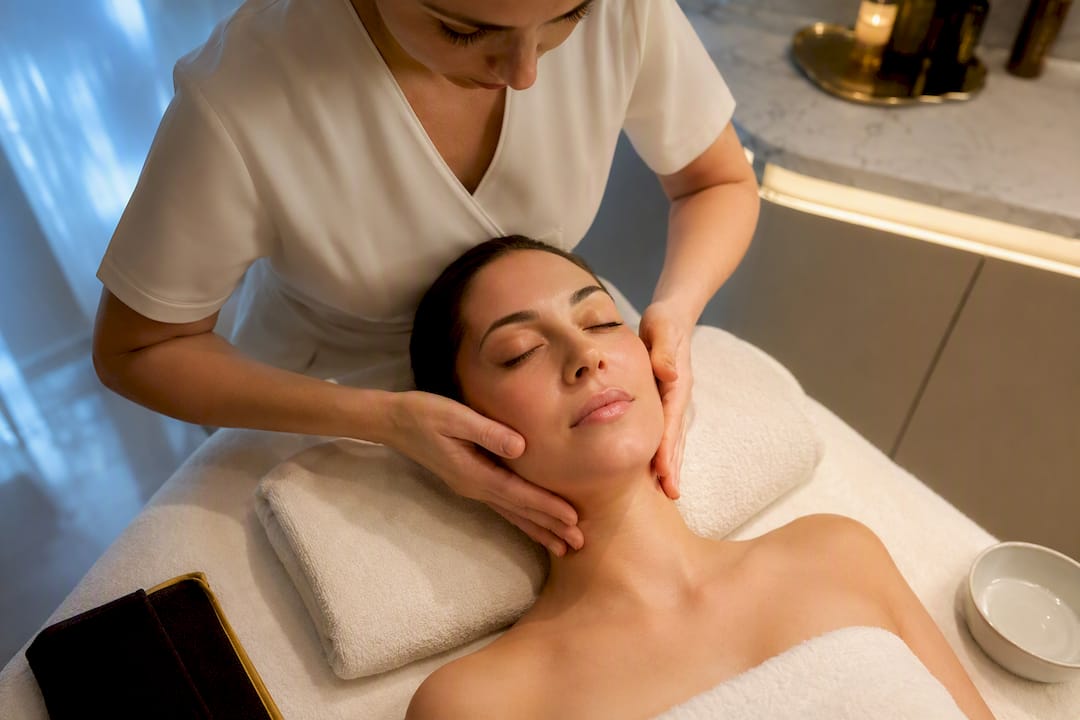
Book a hydrating, no-downtime facial 3 to 5 days before your event, and give yourself a 7 to 10 day buffer if your skin runs sensitive. If acne, pigmentation, or congestion are part of the picture, start a staged clinic programme 3 to 6 months out instead of hoping a single session will address it. Clinics such as Nexgen Clinic build these programmes around AI-led skin assessment, so the plan matches your skin rather than a generic countdown.
TL;DR:
- Hydrating, no-downtime facials like HydraFacial should be booked 3 to 5 days before an event, with a week-long buffer for sensitive skin.
- Long-term skin issues such as pigmentation or scarring require starting treatment three to six months in advance through staged, AI-guided programmes.
- Avoid aggressive treatments like peels, microdermabrasion, or laser resurfacing within two weeks of the event to prevent lasting redness or sensitivity.
- Combining treatments with downtime, such as peels or microneedling, within the same week increases the chance of irritation and should be planned carefully.
- A staged, personalised plan built around your actual event date reduces the chance of last-minute skin reactions and maximizes results.
Table of Contents
- What is an event ready facial?
- When should you book each treatment?
- What should you avoid before a big event?
- What can you do 24 to 72 hours before the event?
- How does Nexgen Clinic build a personalised event plan?
- How do you choose the right facial for your skin?
- What are the risks of getting a facial before an event?
- Can you combine or layer multiple treatments?
- What results can you realistically expect?
- The staged approach beats the vendor list
- Book your event-ready plan with Nexgen Clinic
- Sources
- FAQ
What is an event ready facial?
The phrase describes a treatment (or short sequence of treatments) timed specifically to leave skin calm, hydrated, and photograph-ready on a fixed date, rather than a single named procedure. Within the aesthetics industry, this sits under what practitioners more formally call pre-event skincare protocols or event-ready skin programmes: a mix of hydration, barrier support, and gentle brightening scheduled against the calendar rather than chosen at random. Getting the choice and the timing right matters more than the treatment name itself.
HydraFacial remains the most commonly recommended option for final-week prep. It combines cleansing, extraction, and hydrating serum infusion in one session, which is why it produces an almost immediate visible smoothing effect with no recovery time. Clinics and brides alike favour it for last-minute preparation because the combination of extraction and hydration gives visible results with minimal chance of irritation.
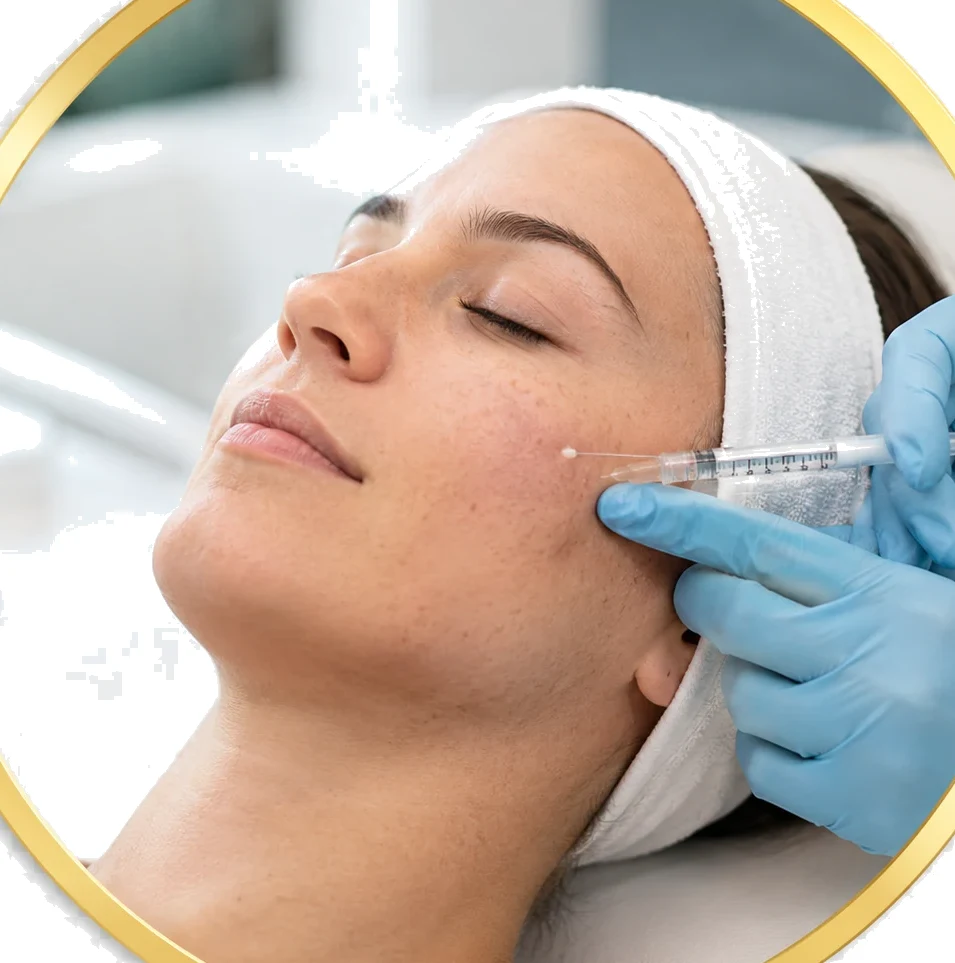
Hydrating, no-downtime facials and hyaluronic-based skin boosters work on the same principle: they plump the skin and support its barrier rather than resurfacing it. These suit anyone whose main concern is dullness, dehydration, or fine lines rather than active breakouts or pigmentation, and they carry almost no chance of visible reaction before a big day.
LED light therapy deserves a mention too. Red and near-infrared wavelengths calm inflammation and support a more even, settled glow without any exfoliation or downtime, which makes it one of the safest add-ons in the final fortnight.
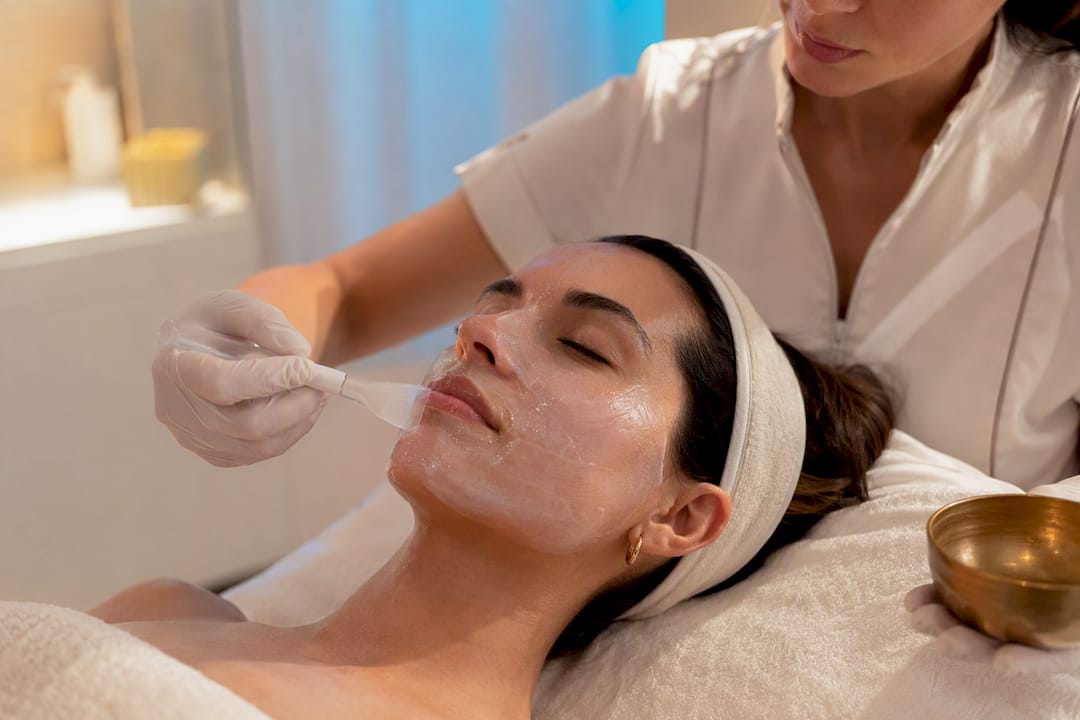
Mild peels and microdermabrasion sit in a different category. They can improve tone and texture, but they carry a genuine chance of redness, flaking, or sensitivity for several days afterwards. These should be scheduled weeks, not days, before an event.
Medical adjuncts like skin boosters and Profhilo belong to the longer timeline, not the final fix. They stimulate collagen and improve skin quality over several sessions spaced weeks apart, which means:
- They need to be planned as part of a 2 to 6 month programme, not a last-minute booking.
- Results build progressively, so the final outcome depends on starting early enough.
- They pair well with a calming facial in the last few days, but cannot replace one.
When should you book each treatment?
Working backwards from the date gives you the clearest picture of what to book and when. Practitioners generally frame the run-up in four distinct windows, each with a different job to do.
- 3 to 6 months before: this is assessment and correction territory. Book a consultation to address acne, pigmentation, or texture concerns, and commit to monthly professional visits alongside a stabilised home-care routine. Industry professionals commonly recommend starting a professional skin programme several months ahead for exactly this reason: acne scarring and pigmentation both need multiple treatment cycles to fade, and rushing them close to an event risks irritation rather than improvement.
- 6 to 8 weeks before: a follow-up assessment lets your practitioner judge whether a medium-strength intervention, such as a course of microneedling or a moderate peel, is still worth fitting in. This is also the point to fine-tune your at-home actives so your skin has time to adjust before the final stretch.
- 2 weeks before: shift entirely into maintenance and barrier-support mode. Stop introducing new active ingredients from this point onward; your skin needs stability, not novelty.
- 3 to 5 days before: book your final hydrating, no-downtime facial. Practitioners advise a final barrier-repairing facial roughly 7 to 10 days out, with a 3 to 5 day buffer as the safer choice for genuinely no-downtime treatments, giving any mild redness time to settle before cameras come out. A 1 to 2 day gap is too tight for most skin types to fully recover its glow.
The night before and the day itself call for restraint: a gentle cleanse, a rich moisturiser, and sleep. Save the drama for the outfit, not the skincare.
What should you avoid before a big event?
The single biggest chance of irritation in the final stretch is trying something new. Practitioners are consistent on this point: conservative, hydration-first facials are preferred in the last week, because unfamiliar products or aggressive interventions can trigger reactions your skin has no time to recover from.
- Do not introduce new serums, acids, or retinoids within 2 to 3 weeks of the event.
- Avoid microneedling, strong chemical peels, and intense laser resurfacing in that same window; downtime and redness can last far longer than expected.
- If you are planning a spray tan too, schedule any exfoliating facial at least 24 to 48 hours beforehand so it doesn't cause uneven fading.
- Keep your aftercare simple: daily SPF, a gentle cleanser, and a ceramide or hyaluronic-based moisturiser. Skip exfoliation entirely for at least 48 hours after any facial.
Clinical literature on skin barrier function backs this up directly: over-exfoliation increases sensitivity and the chance of inflammation, which is precisely what you're trying to avoid in the days before an event.
Pro Tip: If an unexpected breakout or patch of irritation appears, contact your clinic before self-treating. A cool compress and a fragrance-free moisturiser will calm things in the meantime; picking or layering new products on top rarely helps.
What can you do 24 to 72 hours before the event?
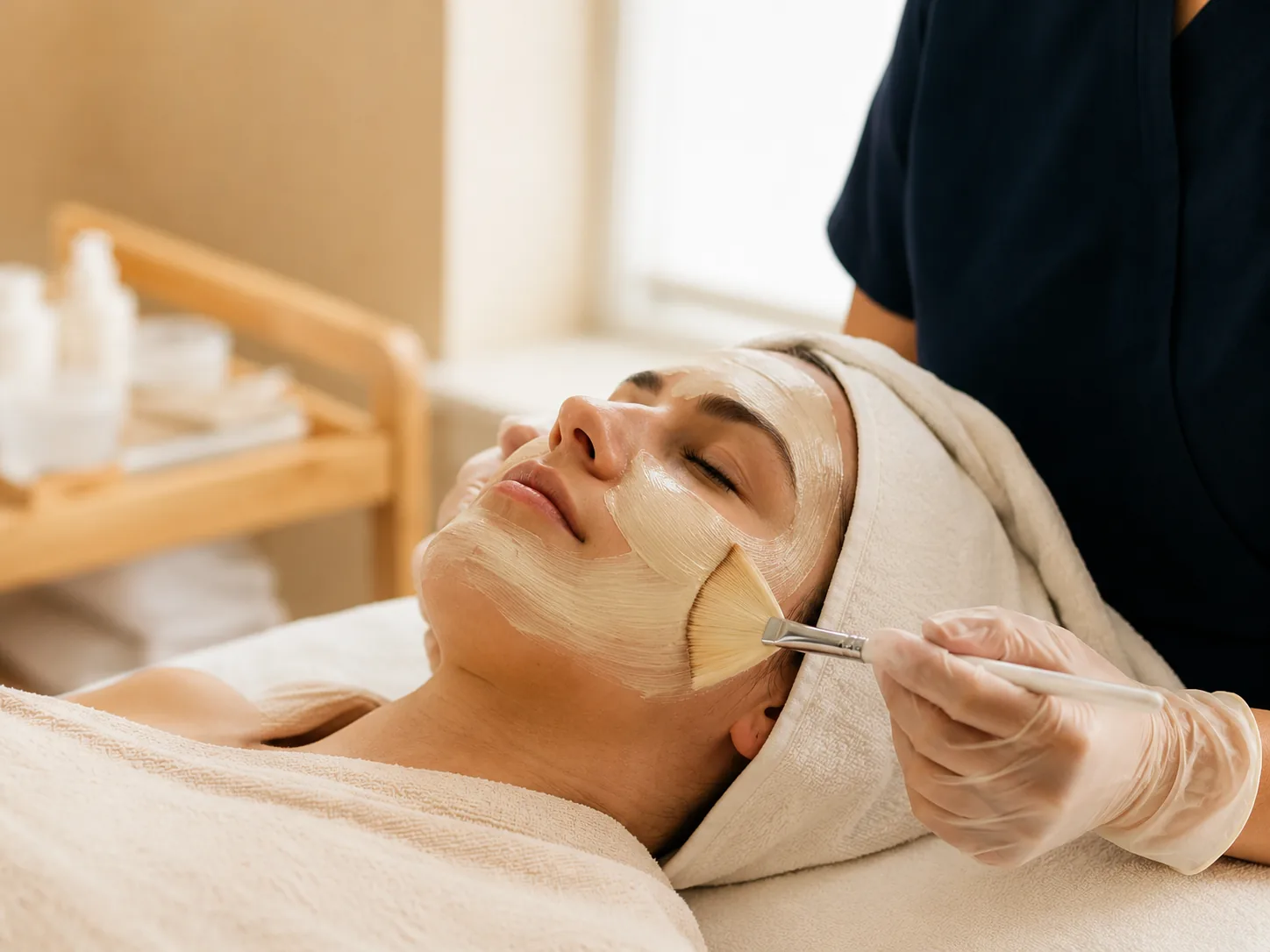
This window has almost no margin for error, which is exactly why it should stay simple. Safe, same-day clinic options include a HydraFacial for hydration and mild extraction, a session of LED therapy to calm redness, a lymphatic facial massage to reduce puffiness, or a cooling mask treatment. Last-minute pre-party guides consistently point to HydraFacial, light LED therapy, and lymphatic massage as the reliable, low-chance choices in this window, while steering clear of anything resurfacing-based.
Anything aggressive, including deep peels, strong microdermabrasion, or new injectable treatments, should be off the table this close to the date; the recovery time simply doesn't fit, and swelling or flaking is the last thing you want the morning of.
At home, a few small moves genuinely help:
- A hydrating sheet mask the night before plumps skin without any chance of reaction.
- A cold compress or chilled jade roller reduces puffiness around the eyes within minutes.
- A lightweight, hydrating primer applied straight after your facial helps makeup sit smoothly rather than sliding on dehydrated skin.
Avoid heavy powders immediately after a facial. Skin is more absorbent than usual, and a lighter base product will photograph far better than a full-coverage one applied too soon.
How does Nexgen Clinic build a personalised event plan?
Staged plans work better than single fixes because skin issues rarely resolve in one sitting, and rushing the process usually causes more visible problems than it solves. Nexgen Clinic, based in Cambridge, builds its programmes around AI-driven skin analysis that maps individual concerns, from pigmentation to barrier weakness, before recommending a sequence rather than a single appointment.
A staged approach, assess, plan, treat, maintain, is consistently the safer route for anyone with more complex skin concerns than simple dehydration. Rather than guessing which single treatment will work in time, the plan adjusts as your skin responds, reducing the chance of a reaction landing in the week you can least afford it.
For anyone with acne scarring, active rosacea, or pigmentation to address before a major date, a professional consultation, rather than a DIY sequence pieced together from articles, remains the safer starting point.
How do you choose the right facial for your skin?
Start with your dominant concern rather than the treatment that's trending. Dry or dehydrated skin responds well to hyaluronic-based hydrating facials and skin boosters, which plump and support the barrier without any chance of irritation. Oily or congested skin often benefits more from a HydraFacial, since the extraction step clears pores that hydration alone won't reach.
If redness, sensitivity, or rosacea-type flare-ups are a concern, LED therapy and calming, fragrance-free facials are the safer route; anything with acids or heat-based devices risks triggering a flare at exactly the wrong moment. For pigmentation or acne scarring, the honest answer is that no single pre-event facial will address it. Those concerns need a longer programme built around your skin's actual response, which is where a consultation and AI-based skin mapping earns its place over guesswork.
Combination skin, arguably the trickiest to plan for, usually does best with a hybrid approach: gentle extraction where needed, hydration everywhere else, and a practitioner adjusting the balance rather than a fixed formula. Whatever your skin type, the golden rule holds: match the treatment to the concern, not the concern to whatever facial happens to be available that week.
What are the risks of getting a facial before an event?
Even gentle, no-downtime facials carry a small chance of temporary redness, mild swelling, or breakout purging, particularly if extraction is involved. These reactions typically settle within 24 to 48 hours, which is precisely why timing matters more than the treatment itself.
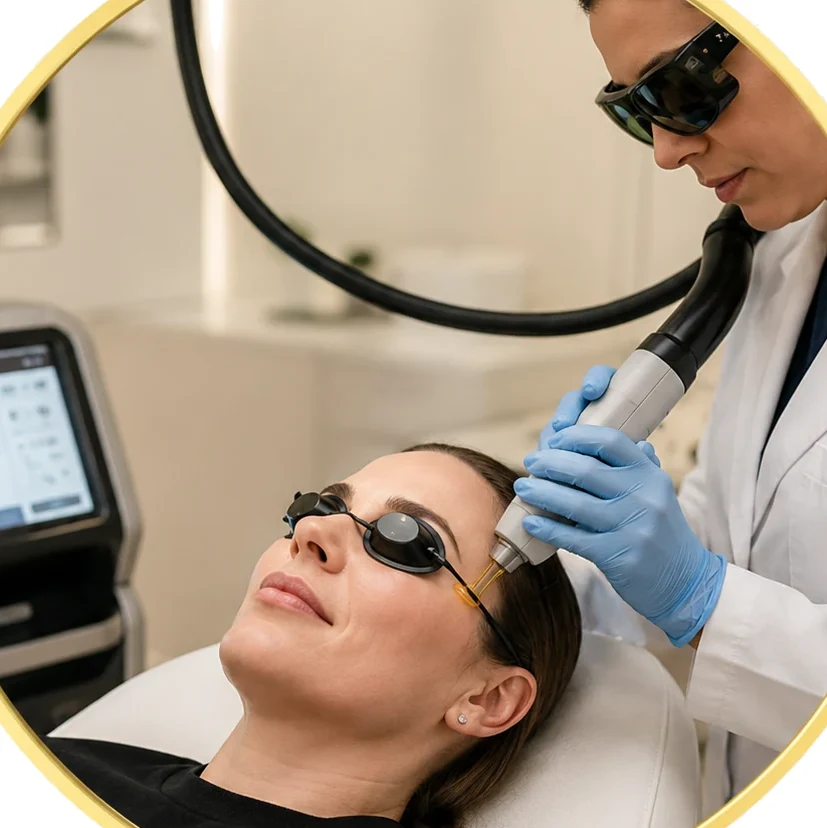
Stronger interventions carry proportionally higher chance. Chemical peels and microdermabrasion can leave visible flaking or sensitivity for several days. Microneedling and laser treatments can cause redness, swelling, or pinpoint bleeding that takes even longer to resolve. None of these are inherently unsafe when performed correctly, but the recovery window makes them unsuitable in the fortnight before an event.
Allergic or sensitivity reactions are the least predictable risk, and they're almost always tied to trying a new product or treatment for the first time close to the date. This is the core argument for sticking with familiar, tested treatments in the final weeks rather than experimenting. A patch test days in advance, not hours, remains the simplest safeguard.
Anyone with active inflammatory skin conditions, such as rosacea or cystic acne, faces a higher baseline chance from aggressive treatments. In these cases, staged medical interventions and conservative maintenance reduce the chance of a flare-up far more reliably than a quick fix attempted in the final week. If in doubt, a consultation beats a guess every time.
Can you combine or layer multiple treatments?
Layering treatments can work well, but sequencing determines whether it helps or backfires. The general principle practitioners follow is to place anything with genuine downtime, peels, microneedling, laser, at the start of your timeline, and anything calming and hydrating, HydraFacial, LED, skin boosters, closer to the event.
Combining a hydrating facial with LED therapy on the same day is generally considered safe and often effective, since neither disrupts the skin barrier. Pairing a peel with microneedling in the same week, however, compounds the recovery time and increases the chance of visible irritation exactly when you don't want it.
If you're also booking a spray tan, sequencing becomes even more important: exfoliating facials should happen at least 24 to 48 hours before any tan application, since fresh exfoliation changes how a tan adheres to the skin's surface. The same logic applies to waxing, which should be scheduled well ahead of the event so any redness has time to fade.
The safest rule of thumb: never layer two treatments that both carry a downtime or reaction chance within the same week. A qualified practitioner reviewing your full plan, rather than booking treatments individually and hoping they don't clash, is the more reliable way to avoid an unwanted surprise the morning of your event.
What results can you realistically expect?
A single HydraFacial or hydrating treatment delivers real, visible change: brighter, plumper, more even-toned skin that photographs noticeably better than dehydrated or congested skin. What it won't do is erase acne scarring, deep pigmentation, or significant textural damage in one sitting; those need the longer programme discussed earlier.
LED therapy and calming facials offer subtler results: reduced redness and a settled, calmer complexion rather than a dramatic transformation. That's the point. In the final week, subtle and safe beats dramatic and risky every time.
Medical treatments like skin boosters and Profhilo build results progressively across several sessions, with hydration and skin quality improving over weeks rather than days. Booking one session a fortnight before an event will give some benefit, but the fuller effect only shows up when the programme runs its intended course, which is why the 3 to 6 month timeline matters so much for anyone chasing a real change in skin quality rather than a temporary glow.
Realistic expectations, set early with a practitioner, prevent disappointment later. A good consultation should tell you plainly what a given treatment can and cannot achieve in your remaining timeframe, rather than promising results the calendar doesn't support.
The staged approach beats the vendor list
Most advice on this topic reads like a shopping list: try this facial, then that serum, then this mask. It misses the point. The research consistently backs a staged approach, assess, correct, maintain, calm, over any single treatment, and the biggest failure I see in conventional advice is treating the final week as the moment to fix problems that needed months.
Where the standard advice falls short is nuance around timing. Plenty of guides tell readers to book a facial "before the event" without specifying how many days matter, and that vagueness is exactly what leads to red, flaking skin at the worst possible moment. The gap between 3 to 5 days and 1 to 2 days is not trivial; it's the difference between settled, glowing skin and visible irritation in photographs.
If there's one thing to prioritise, it's this: get a proper assessment early enough that your final week can stay boring. Boring, in this context, is exactly what you want.
— Ms Sandra Petraskaite
Book your event-ready plan with Nexgen Clinic
Some clinics build event prep around an AI-led skin assessment first, so the treatments booked actually match what your skin needs rather than what happens to be available that week.
A first appointment typically starts with a consultation and skin analysis, followed by a staged plan that might combine a HydraFacial, skin boosters, or Profhilo, depending on your concerns and how much time you have before your date. Treatments like Dermal Fillers start from £180, Lip Fillers from £160, and Profhilo from £250 per session, with other treatments including Skin Boosters and Laser Treatments priced on request. If ingredient-led hydration is more your focus in the run-up, a resource like the Copper Peptides Store is worth exploring for evidence-based serum options between clinic visits.
Whatever your event and timeline, the full range of treatments and booking options is available to browse, with consultations designed to map out exactly which sessions fit your remaining weeks. Book your consultation now to build a plan around your actual date, not a generic countdown.
Sources
- How long to prepare your skin for an event | Stylist
- The pre-event facial guide: What to do (and NOT to do) before a big event | Bioelements
- PMC article on skin barrier and inflammation
FAQ
What is the best facial to get before an event?
A HydraFacial or another hydrating, no-downtime facial is generally the safest and most effective choice in the final week, since it hydrates and gives instant glow without any recovery time. For anyone with acne, pigmentation, or scarring to address, a staged programme starting months ahead delivers better long-term results than any single session.
Can I get a facial 3 days before a wedding?
Yes, provided it's a gentle, hydrating, no-downtime treatment rather than a peel or resurfacing procedure. A 3 to 5 day window before the event is the buffer practitioners recommend for skin to settle fully before photographs.
What is the best facial before a holiday?
The same principles apply as for any event: a hydrating facial a few days before travel keeps skin calm and glowing without any chance of downtime disrupting your trip. Avoid strong peels or laser treatments in the fortnight beforehand, since travel and sun exposure afterwards can aggravate freshly treated skin.
How long before an event should you get a HydraFacial?
Most practitioners recommend booking a HydraFacial 3 to 5 days before the event, which gives any mild redness time to fade while keeping the hydration and glow visible. Some sensitive skin types do better with a slightly longer 7 to 10 day buffer.
Does Nexgen Clinic offer event-ready facial plans?
Yes, Nexgen Clinic builds staged, AI-assessed skin plans that combine treatments like HydraFacial, skin boosters, and Profhilo depending on your timeline and concerns. Full treatment details and pricing are available on the treatments page.
Recommended
- 6–8 Weeks to Holiday-Ready Skin: Clinic Timeline With AI Information
- Laser facial downtime: what to expect and how to plan
- Medical facial vs spa facial: which one suits your skin?
Explore related NexGen treatments
- Explore our full treatment menu
- Book a consultation with our clinicians
- Contact our Cambridge team
- Read more articles in the NexGen Journal
Ready to explore your options?
Speak with a NexGen clinician for a personalised consultation. We’ll listen, assess, and recommend the safest and most effective route — always led by evidence, always tailored to you.
Book a consultation or get in touch with our Cambridge team.