
Clinic treatments can get your skin holiday-ready, but only if you book to each procedure's healing window rather than your travel date. The rule is simple: schedule major, course-based treatments several weeks out, injectables a few weeks before you fly, and quick refreshes like waxing or tinting in the final days. Tell your practitioner your travel dates at the first consultation. Clinics can help you map that timeline against your own skin goals.
TL;DR:
- Major treatments like skin boosters and resurfacing should be booked six to eight weeks before travel to allow for gradual results and healing.
- Anti-wrinkle and dermal filler procedures are best scheduled two to three weeks ahead to minimize bruising and swelling before flying.
- Quick treatments such as waxing, threading, or lash lifts can be done within the final one to two weeks, with deeper resurfacing lasers requiring even more lead time.
- Combining multiple treatments requires a detailed written timeline to prevent overlapping healing windows and last-minute skin issues.
- Choosing a medically supervised clinic with transparent pricing, written aftercare plans, and clear contact pathways reduces the risk of complications and ensures effective pre-holiday skin prep.
Table of Contents
- How far ahead should you book each holiday skin prep treatment?
- Which clinic treatments suit which holiday skin goal?
- How do you choose the right clinic for pre-holiday treatments?
- What should you do before and after treatment to protect your results?
- Why timing matters more than the treatment itself
- Book your pre-holiday consultation with NexGen Clinics
- Sources
- FAQ
How far ahead should you book each holiday skin prep treatment?
Working backwards from your flight date is the safest way to plan holiday skin prep, because it forces every treatment into its natural healing window instead of squeezing it in at the last minute. Practitioners generally recommend booking major procedures first and leaving quick, low-downtime treatments for the final week, so skin has time to calm and results look settled rather than freshly done on arrival.
Here's how that countdown typically breaks down:
- 6–8 weeks before departure. This is the window for course-based, collagen-stimulating treatments such as skin boosters, polynucleotides, and resurfacing procedures like laser or RF microneedling. These need time to build results gradually, and practitioner guidance on holiday timelines consistently points to this range for treatments that rely on a course rather than a single visit.
- 4–6 weeks before departure. A good window for a second skin booster session if you're running a two-part course, or for any resurfacing top-up your practitioner recommends after reviewing your first result.
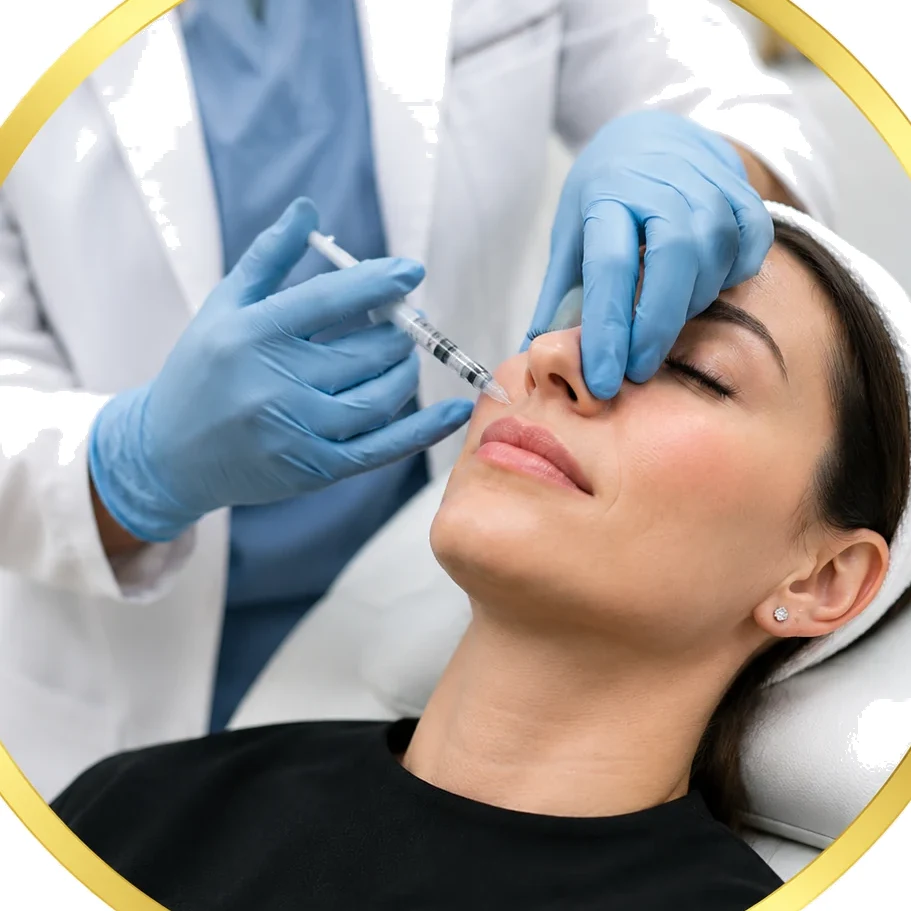
- 2–3 weeks before departure. Anti-wrinkle injections and most dermal filler top-ups belong here. This gives bruising and swelling time to resolve and lets the final result settle before you travel.
- 1–2 weeks before departure. Lash lifts, tints, and any minor refinements sit comfortably in this slot, according to standard pre-holiday beauty scheduling advice.
- 3–4 days to 0 days before departure. Waxing, threading, and brow tidy-ups are quick enough to leave until this final stretch.
Disclose your travel dates at the very first consultation, not as an afterthought. If there's any chance you'll need filler dissolved or adjusted, build in extra buffer: allowing at least two weeks for hyaluronidase to work and another two for new filler to settle means corrections need roughly four weeks of slack, not two. Book a follow-up review one to two weeks after any significant treatment so your practitioner can check healing before you fly.
Which clinic treatments suit which holiday skin goal?
Different treatments solve different problems, and matching the right one to your goal (rather than picking whatever's trending) makes the timeline far easier to plan.
- For glow and hydration: Skin boosters such as Profhilo work by depositing hyaluronic acid beneath the skin to improve hydration and elasticity over a course, typically two sessions four to six weeks apart. Results build gradually over three to four weeks after the course, with minimal downtime beyond some pinpoint redness.
- For texture and tone: Microneedling and RF microneedling create controlled micro-injury to stimulate collagen. Expect some redness for a few days, and sun avoidance is a firm recommendation while skin heals, which is exactly why these sit early in the countdown.
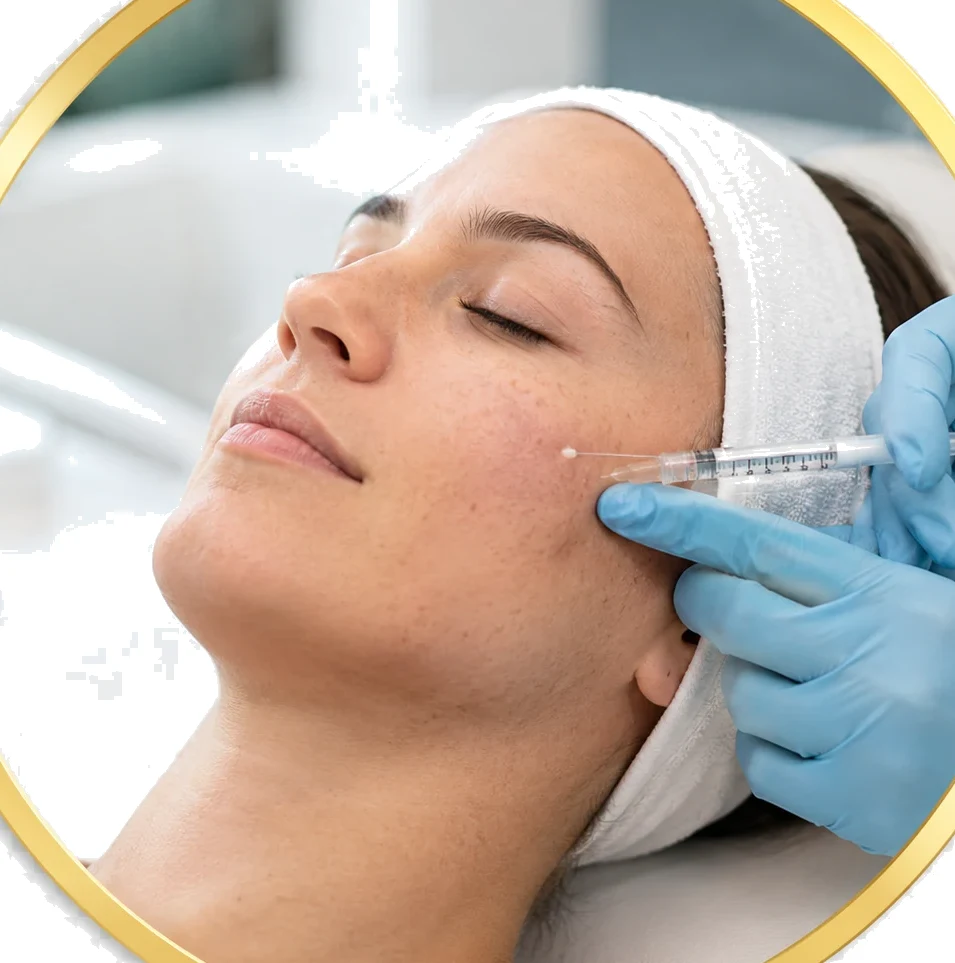
- For smoothing fine lines: Anti-wrinkle injections start working within a few days but take up to two weeks to fully settle. Mild bruising and swelling are common in the first 48 hours, which is why 10–14 days before travel is the standard buffer.
- For volume and contour: Dermal fillers carry the same swelling and bruising pattern, often with a slightly longer settling window. If dissolution or a correction is even a possibility, plan for closer to four weeks rather than two.
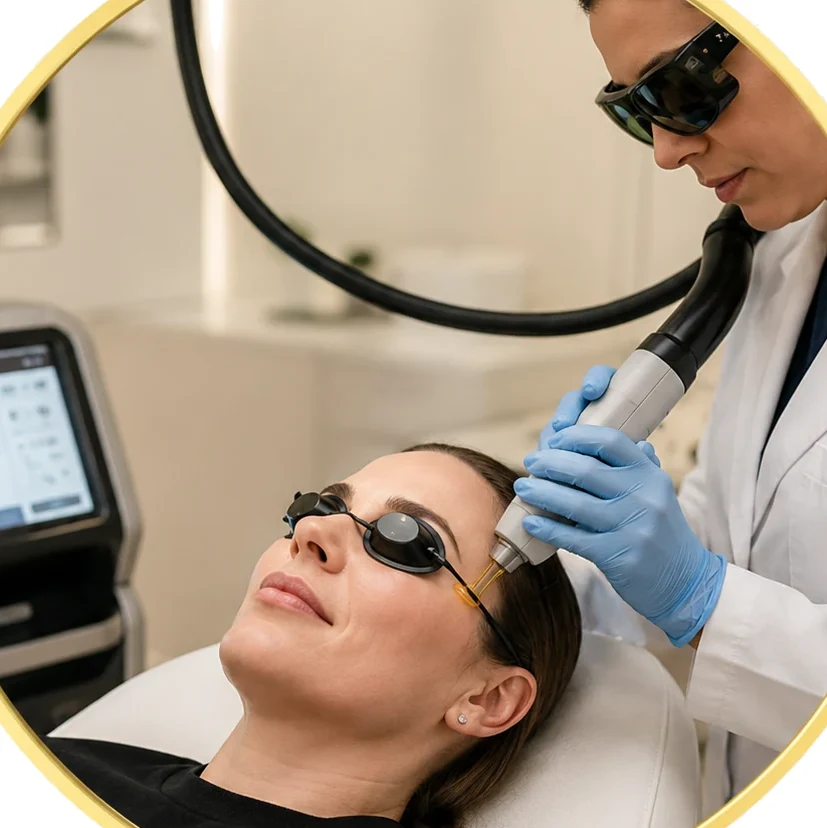
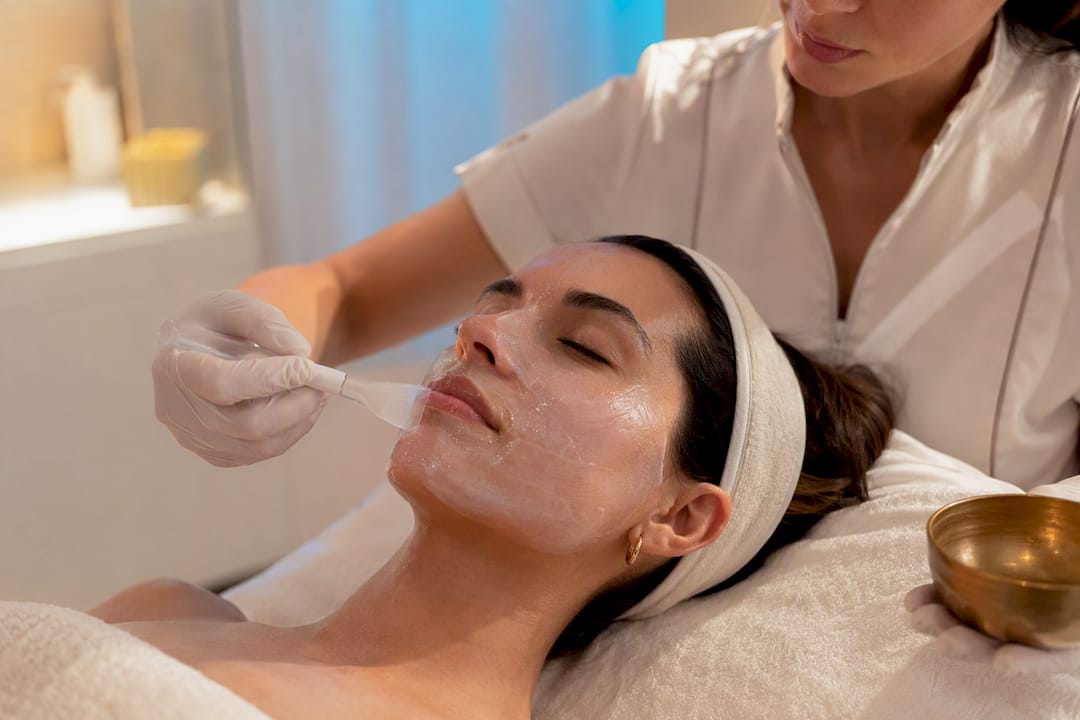
- For deeper resurfacing: Peels and lasers vary enormously in intensity. A light refresh peel might need only days to recover, but deeper resurfacing lasers demand weeks of healing and should either be booked well in advance or skipped entirely in your final pre-holiday month.
- For brows and lashes: Microblading needs three to four weeks to heal properly, lash lifts and tints need one to two weeks, and waxing or threading can wait until the final few days. Sequence these after any spray tan, not before, to avoid product interference.
Pro Tip: If you're combining several treatments, ask your clinic to build one written timeline covering all of them rather than booking each separately. Overlapping healing windows are the most common cause of last-minute holiday skin panic.
Explore more on skin boosters and Profhilo or what to expect from laser downtime when weighing up which route suits your goal.
How do you choose the right clinic for pre-holiday treatments?
Not every provider offering injectables or lasers has the medical oversight this kind of planning demands. A few checks at the outset save you a lot of stress closer to departure.
Look for a clinic where the treating team is medically led, aftercare instructions are given in writing rather than relayed verbally, and pricing and timelines are transparent from the first conversation. Genuine before-and-after photos of real patients, and a clear pathway for who to contact if something feels wrong after treatment, both matter more than a slick website.
At consultation, come prepared with the following:
- Your exact travel dates, stated upfront, not mentioned in passing.
- A full list of current medications and supplements, including blood thinners.
- Your previous aesthetic treatment history, even if it was years ago or at a different clinic.
- A request for a written timeline and aftercare plan you can refer back to at home.
- Confirmation of who manages any post-procedure concerns and how quickly they respond.
Be wary of any clinic pushing you toward treatment on the day of consultation, offering no clear aftercare plan, or unable to say who's medically responsible for your care. Pressure selling and vague answers to direct questions are the clearest red flags in this field.
What should you do before and after treatment to protect your results?
The week before your appointment matters almost as much as the appointment itself. Avoid introducing new active skincare, particularly high-strength retinoids or strong exfoliants, in the final week before treatment. The goal is a settled, intact skin barrier, not a face mid-reaction to something new.
After treatment, the first 24 to 72 hours are when most swelling and bruising peaks, and simple measures like cold compresses and keeping your head elevated make a real difference during that window. Heat and exertion work against you here: heat sources and strenuous exercise increase blood flow, which can worsen swelling, so saunas, steam rooms, hot showers and heavy workouts are best avoided for at least 48 hours after injectables or laser, and for 24 to 48 hours after lighter procedures.
Packing smart for travel day helps too. Bring:
- A broad-spectrum SPF and a gentle, fragrance-free moisturiser.
- Sterile dressings or saline if your clinic has recommended them.
- A cold pack (or ask cabin crew for ice) if swelling is still settling.
- Lip balm and your clinic's contact details, saved somewhere you'll actually check.
In-flight, cabin air is notoriously drying, so drink more water than you think you need, go easy on alcohol, and expect your skin to look slightly different from usual purely because of dehydration, not because anything's gone wrong. If you notice severe pain, rapidly worsening swelling, or any vision changes after facial injectables, contact your clinic urgently rather than waiting to see if it settles. NexGen Clinics' aftercare guidance and filler-specific advice cover this in more depth, and a simple daily barrier-focused routine like this one for maintaining skin health supports recovery either side of treatment.
Why timing matters more than the treatment itself
Most people fixate on which treatment to book rather than when to book it, and that's backwards. A brilliant treatment scheduled too close to departure will still show swelling, redness or unpredictable settling in your holiday photos, no matter how skilled the injector. The timeline is the treatment plan, not an afterthought bolted onto it.
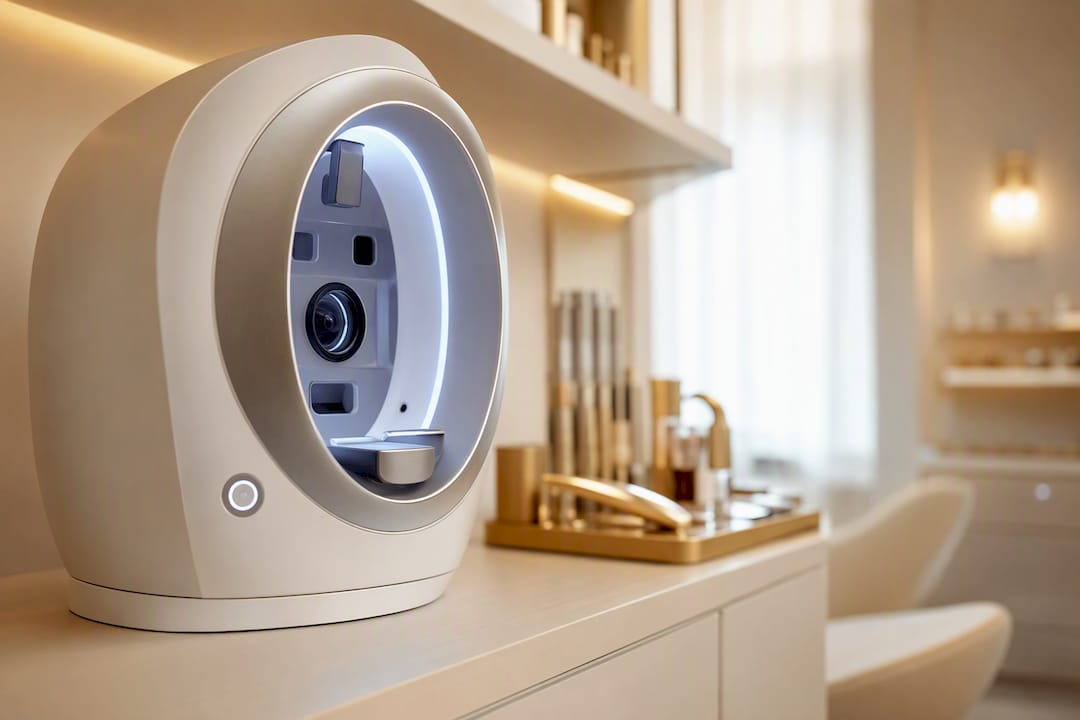
What I'd push back on is the assumption that "natural-looking" and "clinic-based" sit in tension. Done with proper spacing and medical oversight, they reinforce each other: skin gets time to heal into its result rather than being caught mid-process. Some clinics build holiday-prep consultations around this logic, using skin analysis to set a realistic, individual timeline rather than a generic countdown, with aftercare guidance patients can follow. Plan early, prioritise safety over speed, and the "holiday glow" question largely answers itself.
— Ms Sandra Petraskaite
Book your pre-holiday consultation with NexGen Clinics
A medically led, personalised route to holiday-ready skin can be built around skin analysis rather than a one-size-fits-all package. A consultation starts with a full assessment of your skin type, concerns, and travel dates, so your treatment plan and timeline are shaped around your actual departure date, not a generic checklist.
From there, bespoke programmes are mapped against the countdown covered above, whether that means starting a skin booster course eight weeks out or booking a quick refinement in your final week. To get started, bring your travel dates to your first consultation and ask for a written timeline and aftercare plan you can follow at home. Browse the full range of precision treatments available, or visit the NexGen Clinic homepage to book your consultation and begin planning your holiday skin prep with a team that treats timing as part of the treatment.
This article is general information, not a substitute for advice from a qualified doctor. Consult a qualified healthcare professional about your own circumstances before acting on anything here.
Sources
- If you're going on holiday: here's when to do your beauty stuff
- Holiday-Ready: Exactly When to Book Each Treatment Before You Travel - Aesthetics Collective
FAQ
How long before a holiday should I start clinic skin prep?
Start six to eight weeks before departure for course-based treatments like skin boosters or resurfacing, and leave quick refreshes such as waxing or brow tinting for the final few days.
Can I get anti-wrinkle injections right before I fly?
It's best to book anti-wrinkle injections two to three weeks before travel, since bruising and swelling typically resolve within 10 to 14 days.
What should I avoid in the week before a clinic treatment?
Avoid introducing new active skincare, particularly strong retinoids or exfoliants, so your skin barrier stays settled and less reactive going into treatment.
Is it safe to fly after dermal filler or injectables?
Flying is generally fine once initial swelling has settled, usually within a few days, but stay well hydrated in-flight and avoid excess alcohol since cabin air can temporarily exaggerate puffiness.
What if I need filler dissolved before my holiday?
Allow at least four weeks in total: roughly two weeks for the dissolving enzyme to work fully, and another two for any replacement filler to settle before you travel.
Recommended
- Post treatment skincare: clinic-backed aftercare guide
- AI skin analysis: what it can tell you and where it falls shor
- Laser facial downtime: what to expect and how to plan
- What age should you start skin boosters?
Ready to explore your options?
Speak with a NexGen clinician for a personalised consultation. We’ll listen, assess, and recommend the safest and most effective route — always led by evidence, always tailored to you.
Book a consultation or get in touch with our Cambridge team.