TL;DR:
- Laser facial recovery varies by treatment depth, with non-ablative procedures requiring minimal downtime. Deeper treatments can involve up to two weeks off social activities, and pinkness may last several weeks to months. Proper aftercare and consultation help ensure safe healing and optimal results.
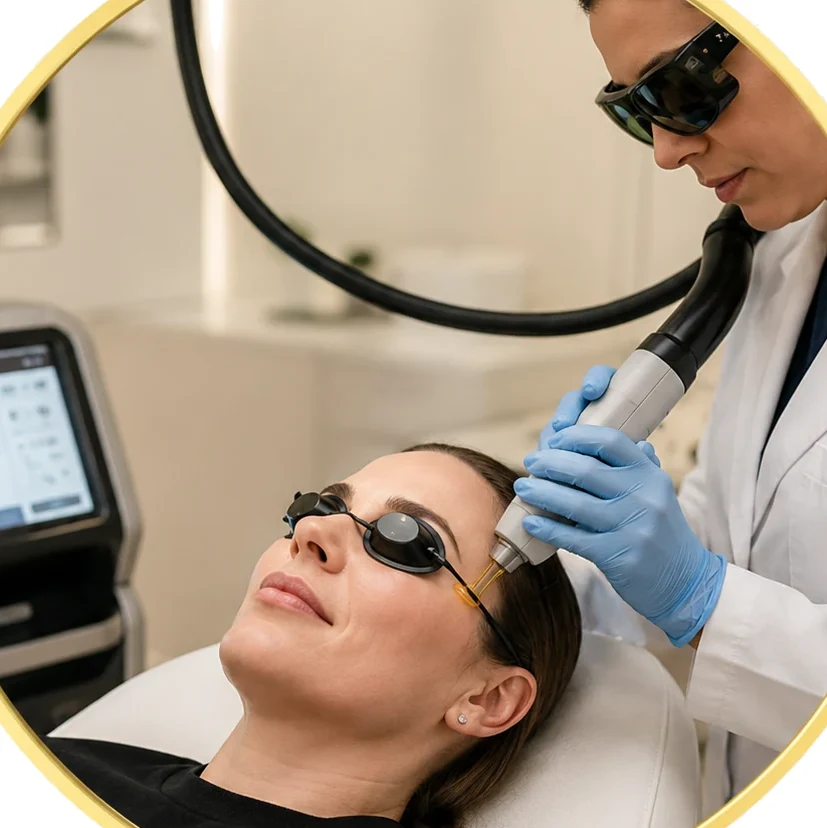
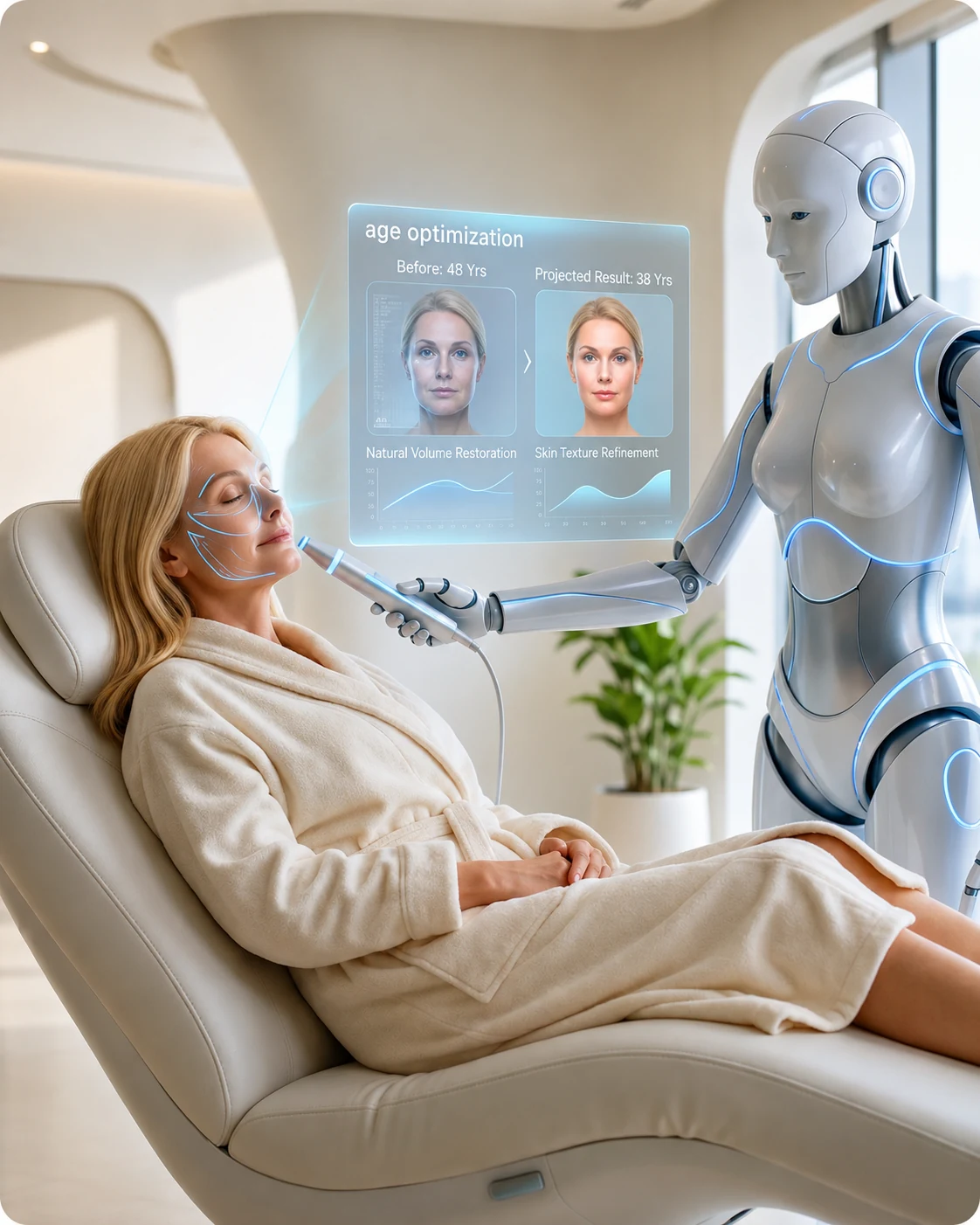
Laser facial downtime ranges from zero to two days for non-ablative treatments, three to seven days for fractional resurfacing, and up to two weeks or more for deep CO2 ablative procedures. The immediate signs — redness, swelling, and mild oozing — typically resolve within 48 hours, but peeling and crusting can continue through days four to seven, and residual pinkness often persists for three to six weeks after fractional treatment. University Hospitals Birmingham patient guidance advises patients to expect a red appearance for up to six to eight weeks following CO2 resurfacing, and strict SPF 50+ protection for at least one year afterwards. At Nexgen Clinic, treatment depth and energy settings are personalised using AI skin analysis, so your recovery window is discussed and planned before any laser is applied.
At a glance — typical social downtime by treatment depth:
- Non-ablative (e.g. IPL, Nd:YAG): 0–2 days of mild redness
- Fractional non-ablative: 2–4 days of redness and minor swelling
- Fractional ablative (e.g. fractional CO2): 3–7 days peeling, pinkness 3–6 weeks
- Medium-depth ablative: approximately 5–7 days social downtime
- Deep/full CO2 resurfacing: 10–14+ days before returning to public-facing activities; pinkness up to 6–8 weeks
Table of Contents
- What affects how long your recovery takes?
- Day-by-day healing timeline by treatment depth
- Common side effects and red flags to watch for
- Practical aftercare for the first two weeks
- When can you return to work, makeup, and social plans?
- How to prepare before your laser appointment
- How modern clinics reduce your visible recovery time
- Key takeaways
- What clinicians want you to know about planning your recovery
- Nexgen Clinic's approach to laser recovery and personalised care
- Useful sources
- FAQ
What affects how long your recovery takes?
Recovery is not one-size-fits-all. Several variables shift the likely downtime window, and understanding them helps you set realistic expectations before you book.
Factors within the treatment itself:
- Laser type and wavelength: Ablative lasers remove the outer skin layer; non-ablative lasers heat tissue without removing it, producing far less visible recovery.
- Fractional versus fully ablative delivery: Fractional patterns treat columns of skin surrounded by untreated tissue, which speeds re-epithelialisation considerably.
- Energy settings and treatment depth: Higher fluence and deeper passes extend the healing phase. A conservative first session typically produces shorter downtime.
- Area treated: Delicate areas around the eyes or lips heal differently from the cheeks or forehead; larger treatment areas also mean more overall skin to recover.
Factors relating to you as a patient:
- Fitzpatrick skin type: Darker skin tones carry a higher risk of post-inflammatory hyperpigmentation (PIH) and may require lower settings, which can influence both results and recovery.
- Age and general health: Skin cell turnover slows with age, which can extend the peeling phase by a few days.
- Smoking status: Smoking impairs microcirculation and wound healing, often prolonging redness and increasing infection risk.
- Medications and supplements: Blood thinners, certain antibiotics, and high-dose vitamin E can affect healing. Isotretinoin (Roaccutane) taken within the past 12 months is a contraindication for ablative laser in most UK clinics.
- Recent sun exposure or fake tan: Active melanin in the skin raises PIH risk and may require postponing treatment.
- History of cold sores (herpes simplex): Laser treatment can trigger an outbreak; antiviral prophylaxis is usually prescribed in advance.
Tell your clinic about all of these before your appointment. Disclosing medications, recent tanning, cold sore history, and any Roaccutane use in the past year allows the clinical team to adjust settings, prescribe antivirals if needed, and give you an accurate recovery estimate.
Day-by-day healing timeline by treatment depth
The table below maps expected signs to the days and weeks following treatment, grouped by depth category.
| Healing phase | Non-ablative | Fractional ablative | Medium-depth ablative | Deep CO2 |
|---|---|---|---|---|
| Days 1–2 | Mild redness, possible warmth | Moderate redness, swelling, oozing | Significant redness, swelling, oozing | Intense redness, swelling, weeping |
| Days 3–7 | Redness fading | Peeling and crusting; skin tightness | Active peeling; crusts forming | Heavy crusting; skin weeping may continue |
| Days 7–14 | Skin largely settled | Pinkness; new skin visible | Pinkness; most crusts resolved | Crusts resolving; pink/red new skin |
| Weeks 2–6 | Fully settled | Residual pinkness 3–6 weeks | Pinkness 3–6 weeks | Redness up to 6–8 weeks |
| Long-term | UV sensitivity weeks | UV sensitivity months | UV sensitivity up to 12 months | UV sensitivity up to 12 months |
North Bristol NHS Trust patient information advises that skin typically heals within approximately seven days after fractional CO2, with pinkness lasting three to six weeks, and one week off work is commonly recommended. For medium-depth resurfacing, clinical guidance places social downtime at around five to seven days, while deep treatments often require more than two weeks before patients feel comfortable in public-facing settings.
Key long-tail recovery points to plan for:
- Residual pinkness after fractional CO2 treatment can persist for three to six weeks, even when the skin feels healed.
- UV sensitivity after deep resurfacing can last up to 12 months; SPF 50+ is not optional during this period.
- Skin texture continues to improve for three to six months as collagen remodelling progresses beneath the surface.
Common side effects and red flags to watch for
Most post-laser symptoms are entirely expected and resolve without intervention. Knowing the difference between normal healing and a complication means you can act quickly when it matters.
Normal side effects and their usual duration:
- Redness and warmth: Hours to weeks, depending on depth
- Swelling: Peaks at 24–48 hours, then subsides
- Oozing or weeping: Common in the first 24 hours after ablative treatment
- Crusting and peeling: Days three to seven; do not pick or pull
- Itching: Common during the peeling phase; indicates healing
- Milia (small white cysts): Can appear during healing; usually resolve without treatment
Contact your clinic promptly if you notice any of the following: increasing pain after 48 hours rather than improving; spreading redness beyond the treated area; pus or discharge with an unpleasant odour; fever or flu-like symptoms; blistering that goes beyond the expected pattern; or a sudden, patchy change in skin colour. These signs may indicate infection, an unexpected inflammatory response, or early post-inflammatory hyperpigmentation, all of which respond better to early clinical review. WebMD's overview of laser resurfacing notes that pigment change and variable outcomes are recognised risks, and patient selection alongside meticulous aftercare are the primary factors that reduce them.
The most common serious complication after ablative laser is bacterial or viral infection. If you have a history of cold sores, your clinic should prescribe antiviral medication before treatment. PIH is more common in darker skin tones and in patients who do not follow sun protection guidance after treatment.
Practical aftercare for the first two weeks
Consistent aftercare is what separates a smooth recovery from a prolonged one. The table below covers the key do's and don'ts.
| What to do | What to avoid |
|---|---|
| Cleanse gently with a mild, fragrance-free wash | Scrubbing, rubbing, or using flannels on treated skin |
| Apply a petrolatum-based emollient frequently | Retinoids, AHAs, BHAs, and vitamin C serums |
| Keep skin moist; do not let it dry out and crack | Perfumed or alcohol-based products |
| Take paracetamol or ibuprofen for discomfort | Picking, peeling, or pulling at crusts |
| Use SPF 50+ every morning from day one | Sun exposure without protection for at least one year |
| Follow your clinic's dressing instructions | Makeup until crusting has fully resolved (typically 5–7 days) |
| Attend your follow-up appointment | Swimming, saunas, and contact sports for 5–7 days |
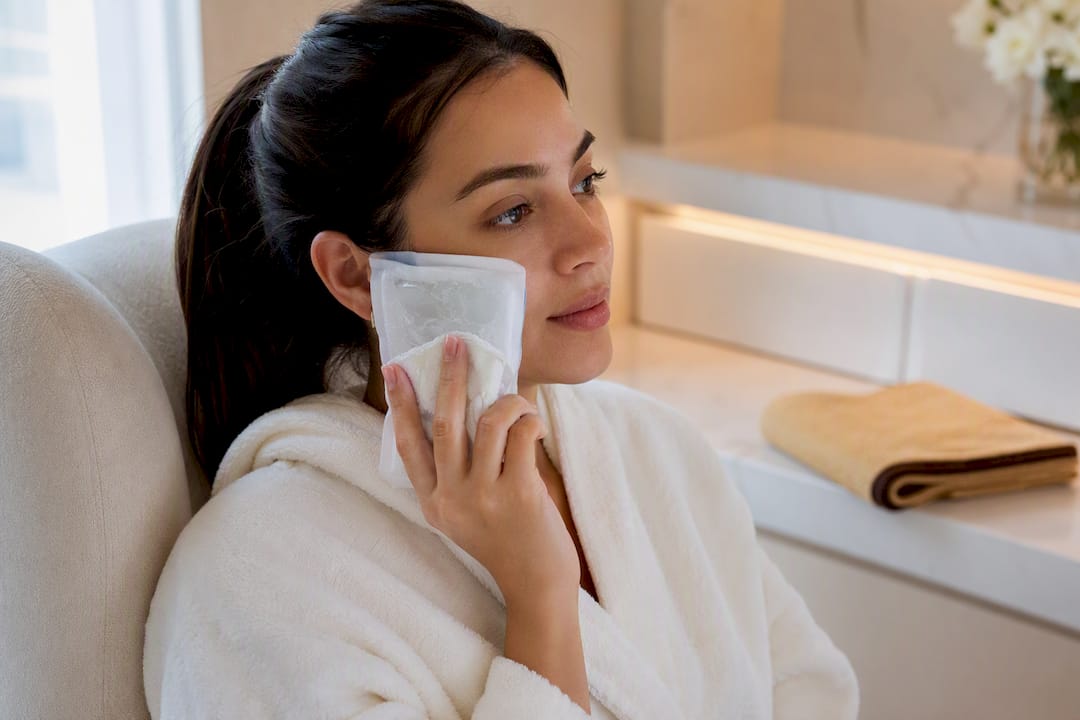
NHS Tayside aftercare guidance recommends cleansing and moisturising every two to three hours on day one, then as needed, leaving crusts intact and avoiding any rubbing. University Hospitals Birmingham guidance recommends paracetamol or ibuprofen for pain management in the days following CO2 treatment.
For longer-term care: avoid tanning beds and fake tan for at least six weeks. Reintroduce active ingredients such as retinoids only when your clinician confirms the skin barrier is fully restored, which is typically no sooner than four to six weeks post-treatment. UK clinical guidance is clear that SPF 50+ and physical cover-up for at least one year post-treatment is the single most effective measure to reduce PIH risk.
Pro Tip: A petrolatum-based emollient (such as plain white soft paraffin) applied generously and frequently in the first 48 hours keeps the wound bed moist, which actively speeds re-epithelialisation. Letting the skin dry out and form hard crusts slows healing and increases the risk of scarring.
When can you return to work, makeup, and social plans?
Planning your diary around treatment is straightforward once you know your depth category.
- Non-ablative treatments: Most patients return to work the same day or the following morning. Redness is usually camouflage-able with mineral makeup within 24 hours.
- Fractional non-ablative: Two to four days is a reasonable buffer. Remote or desk-based work is manageable; public-facing roles may feel uncomfortable until day three or four.
- Fractional ablative (fractional CO2): North Bristol NHS Trust advises one week off work as a standard recommendation. Makeup should wait until crusting has fully resolved, typically five to seven days.
- Medium-depth ablative: Plan for five to seven days of social downtime. Mineral or medical-grade camouflage can be applied once the skin surface is intact and your clinician approves.
- Deep CO2 resurfacing: Allow ten to fourteen days before returning to any public-facing environment. Redness may remain visible for six to eight weeks.
NHS Lothian guidance advises avoiding swimming, saunas, and contact sports for five to seven days after laser therapy, and waiting the same period before applying makeup where crusting is present. Exercise that raises core body temperature significantly should also be avoided during the active healing phase, as heat increases swelling and prolongs redness.
How to prepare before your laser appointment
Arriving well-prepared reduces both your downtime and your risk of complications.
- Stop topical retinoids two weeks before treatment. This includes prescription tretinoin and over-the-counter retinol products.
- Avoid sun exposure and tanning beds for four to six weeks prior. Tanned or recently sun-exposed skin carries a significantly higher PIH risk.
- Disclose any isotretinoin (Roaccutane) use in the past 12 months. Most UK clinics will not perform ablative laser within this window.
- Tell your clinician about all medications and supplements, including blood thinners, antibiotics, and high-dose vitamins.
- Disclose your cold sore history. If you have had facial herpes simplex, antiviral prophylaxis is usually prescribed before ablative treatment.
- Attend a patch test appointment. Queen Victoria Hospital NHS guidance notes that a small patch test is performed at the first laser clinic appointment to assess how your skin reacts before full treatment proceeds.
- Arrange transport home if you are having a deep or heavily treated area. Some patients feel lightheaded after treatment, and driving is not advisable until swelling around the eyes has resolved.
- Stock your aftercare supplies in advance: a gentle fragrance-free cleanser, a petrolatum-based emollient, SPF 50+ sunscreen, and paracetamol.
- Book your time off work before the appointment, not after. Recovery windows are predictable once your treatment depth is confirmed.
How modern clinics reduce your visible recovery time
The technique a clinic uses matters as much as the laser itself. Several clinical decisions directly shorten the visible recovery window.
- Fractional delivery patterns: By treating columns of skin surrounded by intact tissue, fractional lasers allow surrounding cells to migrate into treated zones rapidly, cutting re-epithelialisation time compared with fully ablative approaches.
- Conservative first-session energy settings: Starting at a lower fluence and building across sessions produces meaningful results with shorter per-session downtime. This staged approach is standard practice in well-run clinics and is supported by North Bristol NHS Trust's clinical approach to fractional CO2 for acne scarring.
- Active cooling during treatment: Integrated cooling systems reduce thermal spread to surrounding tissue, limiting post-procedural swelling and shortening the inflammatory phase.
- Immediate occlusive dressings: Applying a petrolatum-based dressing immediately after ablative treatment maintains a moist wound environment from the outset, which accelerates surface healing.
- AI-guided settings personalisation: At Nexgen Clinic, AI skin analysis informs the energy level, pass depth, and treatment pattern selected for each patient, reducing the risk of over-treatment and its associated extended downtime. The clinic's laser skin treatments are structured around this personalised approach.
- Staged combination programmes: Alternating a low-energy fractional session with a booster treatment spaced several weeks apart can achieve comparable cumulative results to a single aggressive session, with each individual recovery period remaining manageable.
Pro Tip: Ask your clinician specifically what energy level and pass depth they plan to use, and whether a staged approach across two or three sessions might suit your schedule better than a single deeper treatment. The answer tells you a great deal about how the clinic balances results against recovery.
Key takeaways
Recovery time after a laser facial is determined primarily by treatment depth, with non-ablative procedures requiring minimal downtime and deep CO2 resurfacing requiring up to two weeks off social activities and SPF 50+ protection for at least one year.
| Point | Details |
|---|---|
| Downtime by depth | Non-ablative: minimal; fractional ablative: one week off work is typical; deep CO2: around two weeks or more social downtime. |
| SPF 50+ for one year | UK clinical guidance requires SPF 50+ and physical cover for at least 12 months post-treatment to prevent PIH. |
| Do not pick crusts | Leaving crusts intact and keeping skin moist speeds healing and reduces scarring risk. |
| Red flags need prompt review | Increasing pain after 48 hours, spreading redness, pus, or fever warrant same-day clinical contact. |
| Nexgen Clinic approach | AI skin analysis at Nexgen Clinic personalises energy settings and treatment depth to match your recovery window. |
What clinicians want you to know about planning your recovery
The aspect of laser recovery that patients most consistently underestimate is not the peeling phase — it is the pinkness that follows. Most people expect to look presentable within a week, and for fractional treatments that is often true. What surprises them is that the skin can remain noticeably pink or flushed for three to six weeks, and in some cases longer after deeper resurfacing. This is not a complication; it is the collagen remodelling process working exactly as intended. The difficulty is that it is visible, and it requires patience.
The questions worth asking at any consultation are: Am I a good candidate given my skin type and history? What energy level and depth do you plan to use, and why? How many sessions will I realistically need to reach my goal? A clinician who answers those questions with specifics, rather than generalities, is one who has genuinely assessed your skin rather than applied a standard protocol. Conservative first-session settings, honest timelines, and meticulous aftercare instructions are the three things that separate a well-managed laser experience from a difficult one.
Nexgen Clinic's approach to laser recovery and personalised care
Shorter, more predictable recovery starts with a treatment plan built around your skin, not a standard template. At Nexgen Clinic in Cambridge, AI-driven skin analysis maps your skin's tone, texture, and sensitivity before any settings are confirmed, so the energy level and depth chosen for your session reflect your actual biology rather than a generic protocol. The result is treatment that achieves meaningful improvement with a recovery window you can genuinely plan around.
The clinic's signature treatment programmes include staged laser options designed to balance visible results with manageable downtime per session, and the clinical team provides written aftercare instructions, recommended post-treatment products, and a follow-up appointment as standard. If you are considering a laser facial and want to understand exactly what your recovery would look like, book a consultation at Nexgen Clinic to discuss your skin, your schedule, and the right treatment depth for your goals.
Useful sources
The following UK patient information leaflets and clinical resources informed this article. Each is freely available and worth reading in full before your appointment.
- Carbon Dioxide (CO2) Laser Information for Patients — Queen Victoria Hospital NHS: Covers patch testing, what to expect on the day, and post-procedure transport guidance.
- Fractionated CO2 Laser for Acne Scarring — North Bristol NHS Trust (PDF): Detailed day-by-day healing progression for fractional CO2, including oozing, peeling, and pinkness timelines.
- Acne Scarring Laser Treatments — North Bristol NHS Trust: Patient-facing overview of fractional CO2 with return-to-work and pinkness duration guidance.
- Carbon Dioxide (CO2) Laser Treatment — University Hospitals Birmingham (PDF): Covers contraindications, pain management, expected redness duration, and long-term SPF requirements.
- Fractional CO2 Laser Aftercare — NHS Tayside (PDF): Stepwise cleaning and moisturising schedule for the first 48 hours and beyond.
- Skin Care Advice Following Laser Therapy — NHS Lothian (PDF): Guidance on avoiding swimming, saunas, makeup, and contact sports during recovery.
FAQ
How long does it take to heal after a laser facial?
Healing time depends on treatment depth. Non-ablative treatments settle within one to two days; fractional CO2 typically takes seven days for the skin surface to heal, with pinkness lasting three to six weeks (one week off work is commonly advised); deep CO2 resurfacing can take ten to fourteen days before you feel comfortable in public, with redness persisting for up to six to eight weeks.
What are the do's and don'ts after a facial laser treatment?
Keep the skin clean and moist with a gentle cleanser and petrolatum-based emollient, take paracetamol or ibuprofen for discomfort, and apply SPF 50+ from day one. Avoid retinoids, acids, perfumed products, picking at crusts, sun exposure, swimming, and saunas for at least five to seven days, and do not apply makeup until crusting has fully resolved.
How long is the downtime for a laser facial?
Social downtime ranges from zero to two days for non-ablative treatments, three to seven days for fractional ablative procedures (one week off work is commonly advised), and ten to fourteen or more days for deep CO2 resurfacing. Residual pinkness after fractional CO2 typically lasts three to six weeks, and UV sensitivity can continue for up to 12 months.
Is laser treatment on the face worth it?
For most patients with wrinkles, acne scarring, or sun damage, laser resurfacing produces meaningful, lasting improvement. The key factors are realistic expectations about downtime, careful patient selection based on skin type and medical history, and consistent aftercare, particularly long-term SPF 50+ use to protect results and prevent pigment changes.
When should I contact my clinic after a laser facial?
Contact your clinic the same day if you notice increasing pain after 48 hours, spreading redness, pus, fever, or a sudden change in skin colour. These signs can indicate infection or early post-inflammatory hyperpigmentation, both of which respond better to prompt clinical review than to a wait-and-see approach.
This article provides general information about laser facial recovery and is not a substitute for personalised medical advice. Always confirm your treatment plan, contraindications, and aftercare with a qualified clinician before proceeding.
Recommended
- Laser Skin Treatments in Cambridge | Tone & Texture | NexGen Clinic
- Advanced Facial Treatments Cambridge | NexGen Clinic
- Non-Surgical Facial Rejuvenation Cambridge
- Expert Guide to Dermal Fillers in Cambridge
Explore related NexGen treatments
- Explore our full treatment menu
- Book a consultation with our clinicians
- Contact our Cambridge team
- Read more articles in the NexGen Journal
Ready to explore your options?
Speak with a NexGen clinician for a personalised consultation. We’ll listen, assess, and recommend the safest and most effective route — always led by evidence, always tailored to you.
Book a consultation or get in touch with our Cambridge team.