Start your wedding skincare timeline 6 to 12 months before the day, and 12 months out if you need corrective work like acne scarring or pigmentation addressed. The one rule that overrides everything else: never trial a new active, peel, or treatment within the final 4 to 6 weeks. Everything in the month-by-month plan below exists to protect that final stretch.
TL;DR:
- Starting skincare treatments more than 12 months before the wedding provides time for long-course procedures and adjustments, reducing last-minute risks.
- Book final injectables, such as fillers and anti-wrinkle treatments, at least 4 to 6 weeks prior to avoid residual swelling and bruising near the event.
- Avoid introducing new active ingredients or aggressive treatments in the final 4 to 6 weeks to prevent reactions that could compromise skin appearance on the day.
- A simple, consistent routine with SPF and hydration is more effective than layering multiple products in the last two weeks.
- AI-driven skin analysis helps create personalized timelines, ensuring treatments are done at optimal intervals aligned with the wedding date.
Table of Contents
- Why starting early gives you better skin and fewer risks
- 12+ months out: build the plan and start long-course treatments
- 6 to 12 months out: the corrective phase begins
- 6 months out: settle into your routine and start targeted tweaks
- 3 months out: refine texture and coordinate with your makeup trial
- 6 weeks out: brightening treatments with zero downtime
- 2–3 weeks out: maintenance only, protect what you've built
- 1 week to day of: final grooming and calming the skin
- A clinic perspective: trial-first, safety-first bridal planning
- How Nexgen Clinic can support your wedding timeline
- Where these timelines come from
- Sources
- FAQ
Why starting early gives you better skin and fewer risks
The biggest advantage of an early start isn't just "more time to fix things." It's more room to say no to the wrong treatment. When you have a year, you can trial a filler, watch how it settles, and adjust the plan if it isn't right. When you have six weeks, you're stuck with whatever you decide on day one.
Clinics and bridal beauty editors consistently point to a 6 to 12 month runway as the sweet spot, with course-based corrections such as laser resurfacing or acne treatment needing closer to 12 months to complete safely. That window also protects your budget: booking treatments early lets you spread the cost and prioritise what actually matters, rather than panic-buying an expensive last-minute fix.
What earlier planning actually buys you:
- Room to trial injectables and adjust before committing to a final look
- Time for skin to complete a full treatment course, including recovery between sessions
- A buffer if a reaction, breakout, or unexpected result needs correcting
- Lower cost overall, since treatments booked in advance are rarely rushed or doubled up
Consistency beats complexity every time. A simple routine followed properly for months will outperform five new products layered on in the final fortnight.
12+ months out: build the plan and start long-course treatments
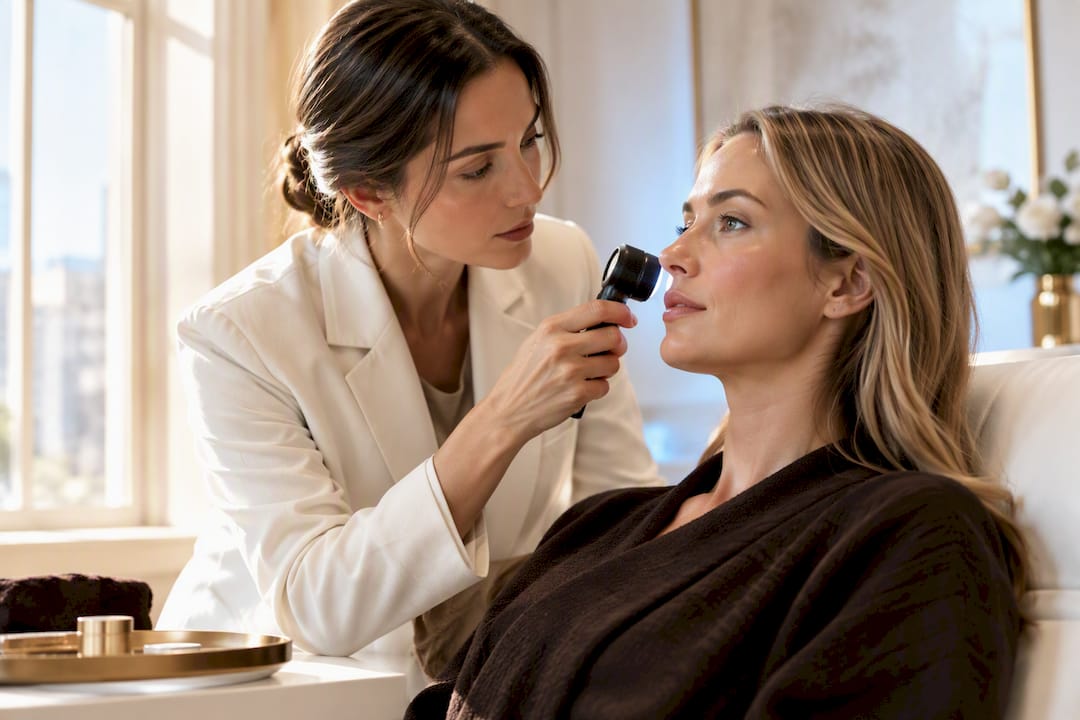
This is your foundation stage. If your wedding date is more than a year away, use it. Book a consultation with a clinician, not a beauty counter, and be honest about what you actually want to change: pigmentation, texture, acne scarring, or simply more even tone.
What to do in this window:
- Book an initial clinical consultation to map your skin type, concerns, and realistic goals against your wedding date.
- Start any multi-session course treatments your clinician recommends, such as laser resurfacing or a microneedling course, only if the concern genuinely warrants it and the budget allows.
- Build a simple, proven at-home routine around a gentle cleanser, a vitamin C serum, a moisturiser, and daily SPF, plus the basics: consistent sleep and proper hydration.
Twelve months feels early to most brides, which is exactly why it works. You're not reacting to a deadline, you're building a baseline.
Pro Tip: Resist the urge to change three things at once. Introduce one new step, wait a month, then assess before adding the next.
6 to 12 months out: the corrective phase begins
This is where retinoids, peels, and other medical-grade actives come in, and where patience matters most. Retinoids need weeks to months for your skin to adjust, a process called retinisation, and rushing it causes flaking, redness, and purging at exactly the wrong time.
Introduce new actives one at a time and patch test on a small area first. Give retinoids at least several months before your wedding date so any initial irritation has fully resolved.
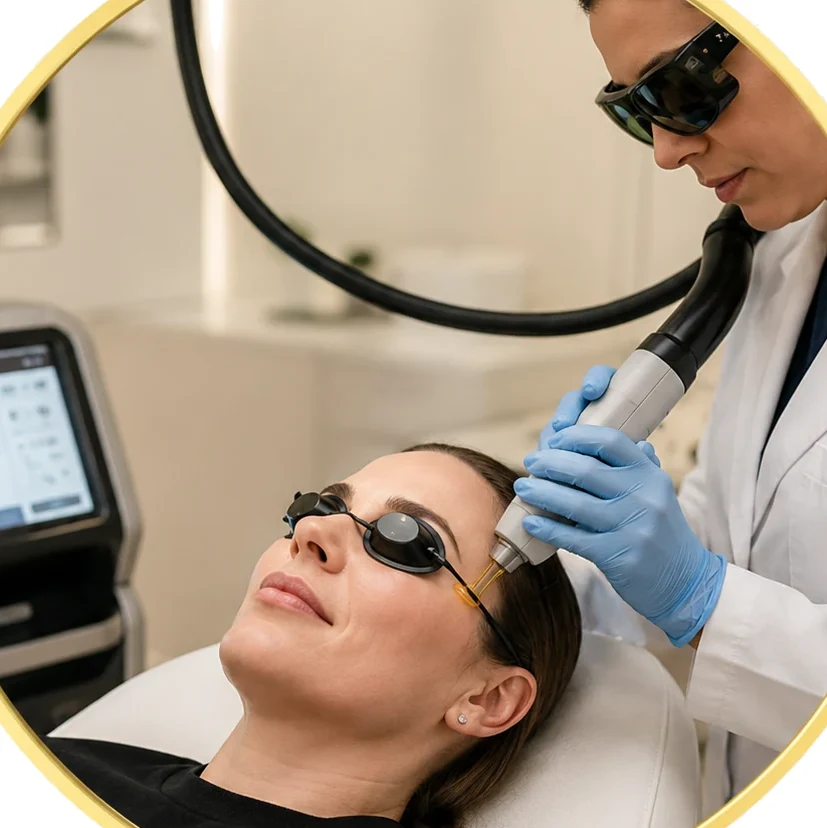
This window is also when courses of chemical peels, laser treatment, or RF microneedling should be scheduled, spaced with proper recovery buffers between sessions rather than stacked close together.
Key moves for this phase:
- Introduce one new active per month, patch testing before full-face use
- Book peel or laser courses now, allowing recovery time between each session
- Trial any injectables during this window, not later, so there's time to adjust dose or technique
- Keep a simple log of what you've introduced and when, so reactions are easy to trace
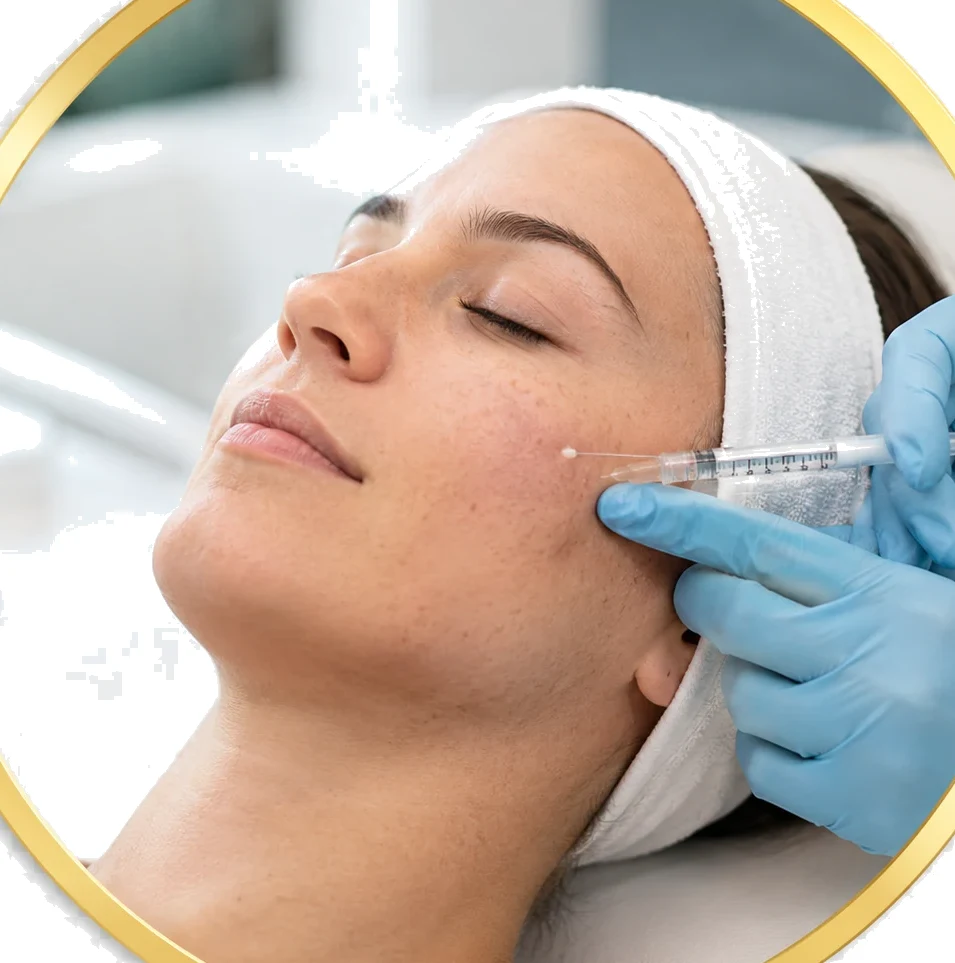
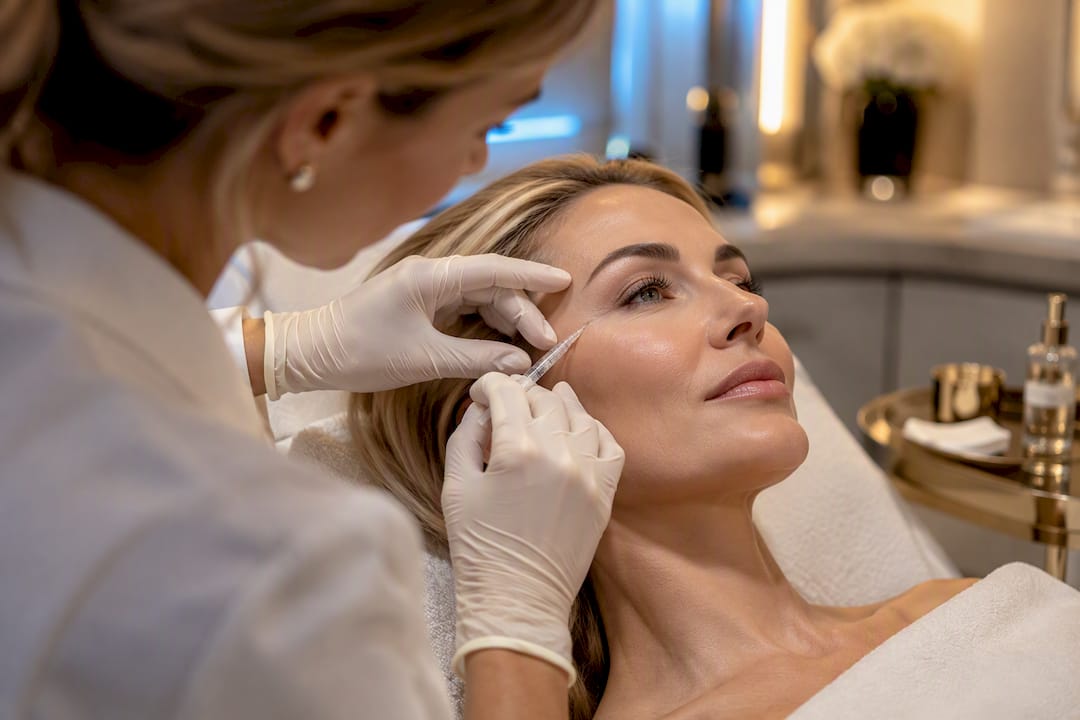
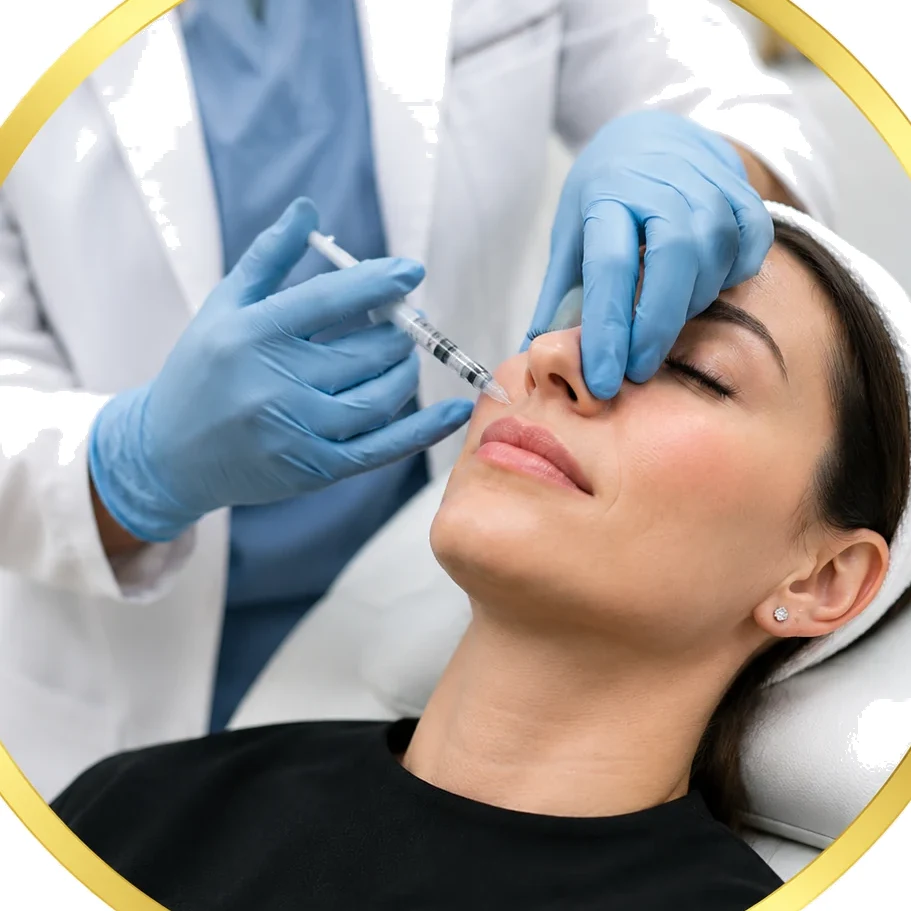
Clinicians commonly recommend trialling injectables well ahead of the big day, then booking a final refining session 4 to 6 weeks before the wedding to allow any settling or bruising to fully resolve. That gap between trial and final session is what separates a confident bride from one hoping the swelling goes down in time.
6 months out: settle into your routine and start targeted tweaks
By several months out, guesswork should be over. Your morning and evening routine, antioxidant serum, moisturiser, and SPF, should be locked in and running on autopilot. This is also when skin boosters and hydration-focused injectables can be planned with the correct spacing, since most courses need multiple sessions weeks apart to build results properly.
What this stage covers:
- Lock in your daily routine: antioxidant serum in the morning, SPF non-negotiable, a repairing moisturiser at night
- Plan skin booster or hydration courses, such as Profhilo or polynucleotide treatments, factoring in the weeks between sessions
- If filler or facial contouring is on your list, confirm the trial happened earlier, not now, so you're refining rather than starting from scratch
Choosing between hydration-led boosters can feel confusing, and a comparison of skin boosters versus Profhilo is worth reading if you're unsure which suits your skin's needs. If dryness or dullness is the main concern rather than volume loss, polynucleotides and Profhilo tend to be compared for exactly that reason. First-time filler patients often underestimate the settling period, and it's worth reading what to expect before your first session if you haven't had it done before.
3 months out: refine texture and coordinate with your makeup trial
Three months is your last comfortable window for anything with meaningful downtime. Finalise resurfacing work and lighter peels now, allowing at least four weeks for skin to settle and look genuinely photo ready before the wedding.
This is also the point where hydration and barrier repair should move to centre stage. Any texture-refining treatment, however gentle, temporarily stresses the skin barrier, so your routine needs to support recovery rather than pile on more actives.
Priorities for this window:
- Finish any light peels or resurfacing at least four weeks before the wedding
- Shift routine focus toward barrier repair: ceramides, ceramide-rich moisturisers, and hyaluronic acid
- Book your makeup trial now and bring your clinician's advice with you
- Flag any planned treatments to your makeup artist so foundation and finish decisions account for them
Facials involving extractions or deep peels should also be scheduled well before any spray tan, since beauty educators recommend a clear gap between deeper facials and tanning to avoid patchiness or irritation.
Pro Tip: Take a photo of your skin under the same lighting each month. It's the easiest way to see genuine progress rather than relying on memory, which tends to exaggerate both problems and improvements.
6 weeks out: brightening treatments with zero downtime
Six weeks is your last chance for anything with real recovery time attached, and it's also the deadline for injectables. Complete any final filler or anti-wrinkle sessions at least 4 to 6 weeks before the wedding, giving bruising and swelling plenty of time to fully resolve.
From here, the goal shifts from correction to maintenance and glow.
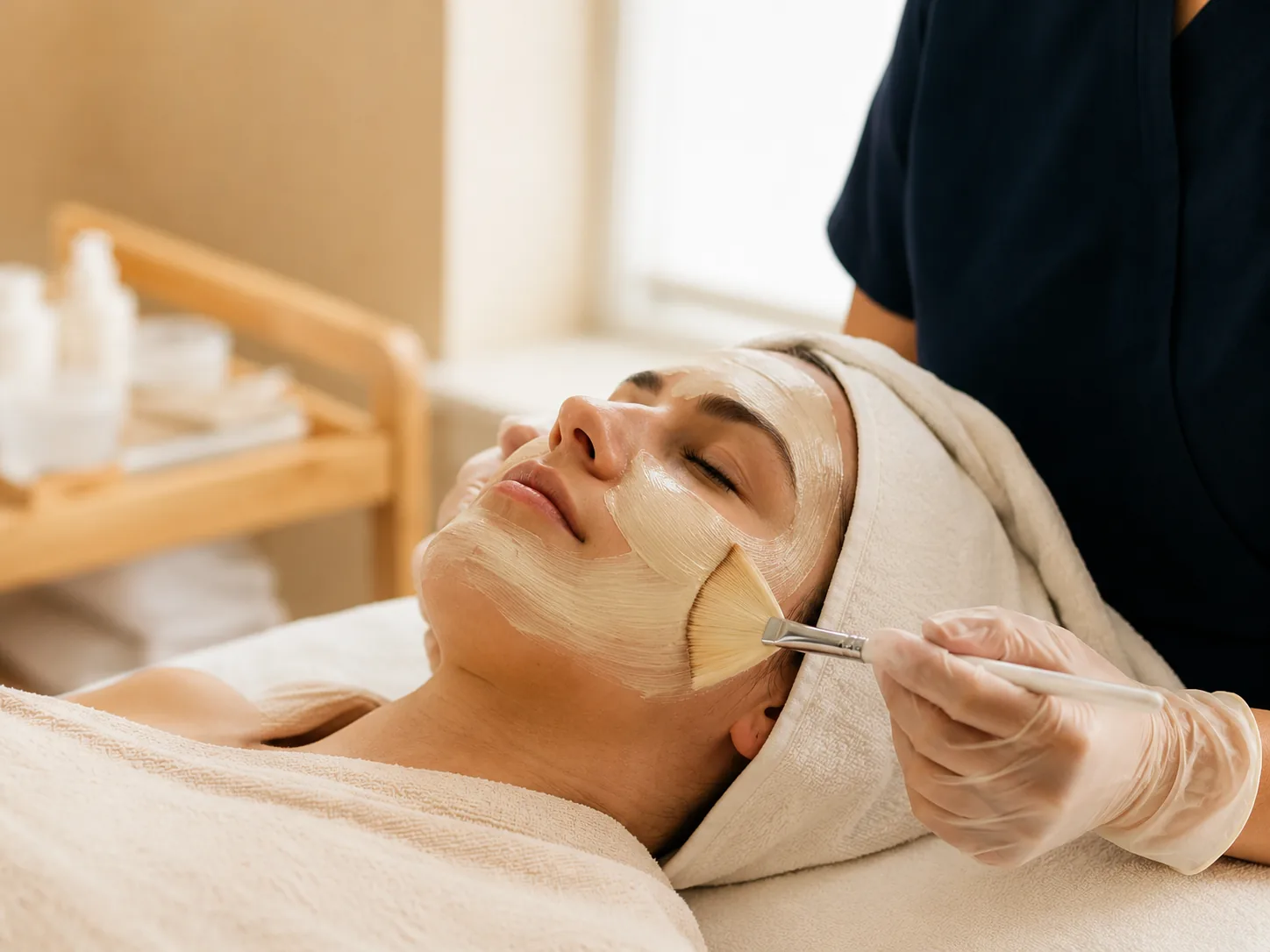
- Choose zero-to-low-downtime facials, HydraFacial and LED therapy are both well suited to this window
- Avoid extractions entirely; any inflammation now risks lingering redness closer to the date
- Finish all injectable appointments this week if you haven't already
- Pause the introduction of any new actives, however gentle they seem
Hydrating facials and LED therapy are specifically flagged by clinics as safe, effective options for building radiance without the risk that comes with anything more aggressive.
2–3 weeks out: maintenance only, protect what you've built
This is the point where discipline matters more than ambition. Nothing new goes near your face from here.
- Stop retinoids and strong acids if your clinician has advised it, giving any mild irritation time to fully calm before the wedding.
- Avoid all new treatments and products, including anything a friend swears by; unfamiliar reactions are the last thing you want now.
- Save your clinician's contact details and agree a conservative plan for a breakout, since some clinics offer clinician-assessed options such as a targeted spot treatment for sudden flares, though this is always assessed case by case rather than used routinely.
1 week to day of: final grooming and calming the skin
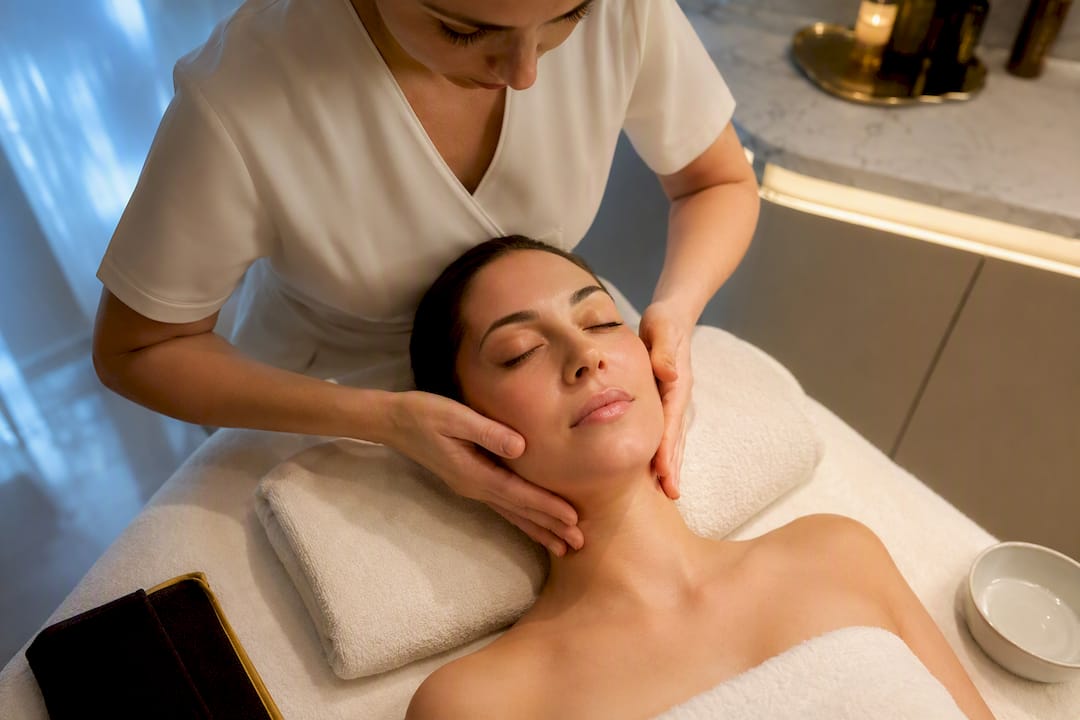
Book a gentle, hydrating facial 3 to 7 days before the wedding, never the day before, and skip anything involving extractions. Clinics consistently recommend this final facial land in the days beforehand rather than the morning of, since skin needs time to settle and any redness to fade.
In the final week, cut back on alcohol and salty food, prioritise sleep, and use cold compresses if puffiness shows up the morning of. Pack a small emergency kit, blotting papers, a travel moisturiser, and your clinician's number, and keep it with your day-of bag.
A clinic perspective: trial-first, safety-first bridal planning
Most bridal skincare disasters aren't caused by starting too late. They're caused by starting the wrong things too late. Some clinics use AI-driven skin analysis to map a bride's actual skin against her wedding date, so the plan reflects what her skin needs rather than what's trending.
Our approach leans heavily on trialling before committing, particularly with injectables, because a bride who has seen and approved her result months in advance walks down the aisle with confidence, not hope.
— Ms Sandra Petraskaite
How Nexgen Clinic can support your wedding timeline
Nexgen Clinic is the alternative to guessing your way through a bridal skincare plan with products bought off recommendation lists. Our AI-driven skin analysis maps your actual skin concerns against your wedding date, then builds a schedule around it, rather than handing you a generic checklist and hoping it fits.
For the corrective phase, we offer dermal fillers from £180 and anti-wrinkle injections, both suited to early trialling well ahead of your final session. For the hydration and glow stages closer to six and three months out, Profhilo from £250 per session and polynucleotide treatments from £180 per session build skin quality gradually and safely. If you're weighing up longer-term contouring, PDO threads from £350 are worth discussing at your first consultation, well before the trial-and-adjust window closes.
Whatever stage of your countdown you're at, the sensible next step is the same: book a consultation and let a clinician map the plan against your actual date. Browse the full range of treatments and get your timeline started properly.
Where these timelines come from
The month-by-month structure in this guide draws on bridal beauty editorial from Vogue and Glamour UK, clinic-specific guidance from No23 Skin and Professional Beauty, and UK bridal planning resources including WantThatWedding. These sources broadly agree on timing windows, even where individual treatment recommendations differ.
Sources
- Wedding Skin Prep and Hair Care Timeline, From Months Out to the Day Of | Vogue
- An editor's timeline for pre-wedding skin treatments | Glamour UK
- Wedding skincare prep timeline & treatments | No23 Skin
- A bridal beauty timeline for UK brides | WantThatWedding
FAQ
When Should I Start My Wedding Skincare Routine?
Most clinicians recommend starting 6 to 12 months before your wedding, and closer to 12 months if you need corrective, course-based treatment such as scarring or pigmentation work. Starting earlier gives you room to trial treatments and adjust the plan without pressure.
How Close to the Wedding Can I Get Filler or Botox?
Book your final injectable appointment at least 4 to 6 weeks before the wedding, which allows bruising and swelling to fully settle. Any trial sessions should happen months earlier, not in this final window.
What Skincare Should I Avoid in the Final Weeks?
Avoid introducing any new active, retinoid, acid, or product in the final 4 to 6 weeks, since unfamiliar reactions are the last thing you want close to the date. Stick to proven, hydrating products and gentle, no-downtime treatments like HydraFacial or LED therapy instead.
Can Nexgen Clinic Help Build My Bridal Skincare Timeline?
Yes. Nexgen Clinic's consultations use AI-driven skin analysis to build a bespoke schedule around your actual wedding date, mapping treatments like skin boosters, Profhilo, and injectables to the correct timing windows. Pricing for treatments not listed publicly is available on request during your consultation.
What If I Get a Breakout the Week of My Wedding?
Avoid picking or attempting extractions yourself, and contact your clinician rather than trying a new product. Some clinics offer clinician-assessed emergency options for severe, sudden flares, though this is always judged case by case rather than offered as a routine fix.
Recommended
- 6–8 Weeks to Holiday-Ready Skin: Clinic Timeline With AI Infor
- 3 to 5 Days Before Your Event: An Event Ready Facial Plan Back
- Post treatment skincare: clinic-backed aftercare guide
- Skin Booster Aftercare: Essential Tips for Best Results
Ready to explore your options?
Speak with a NexGen clinician for a personalised consultation. We’ll listen, assess, and recommend the safest and most effective route — always led by evidence, always tailored to you.
Book a consultation or get in touch with our Cambridge team.