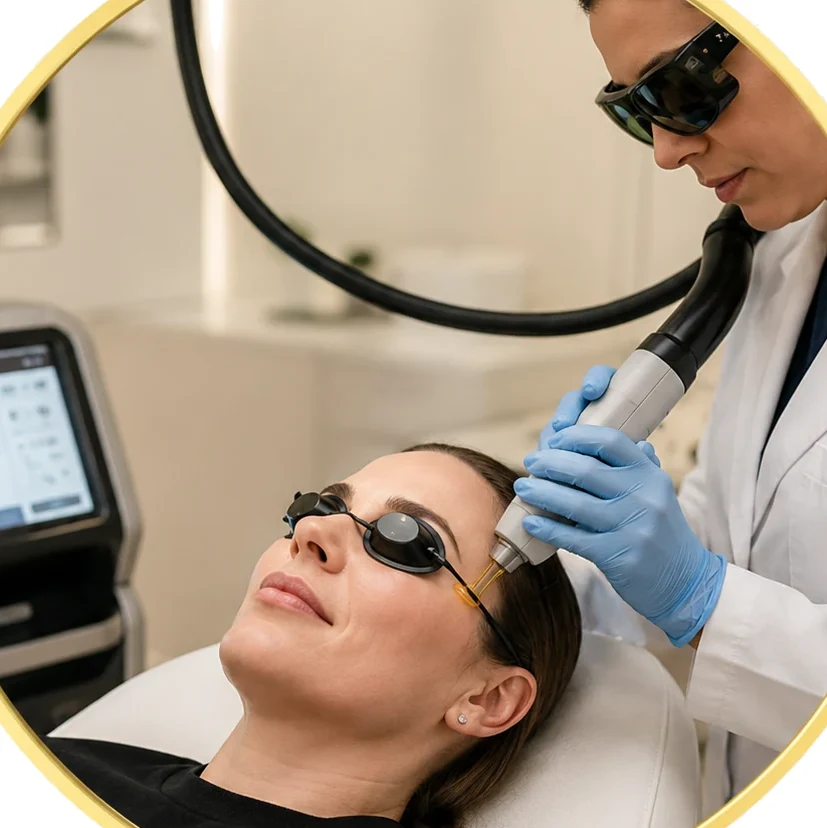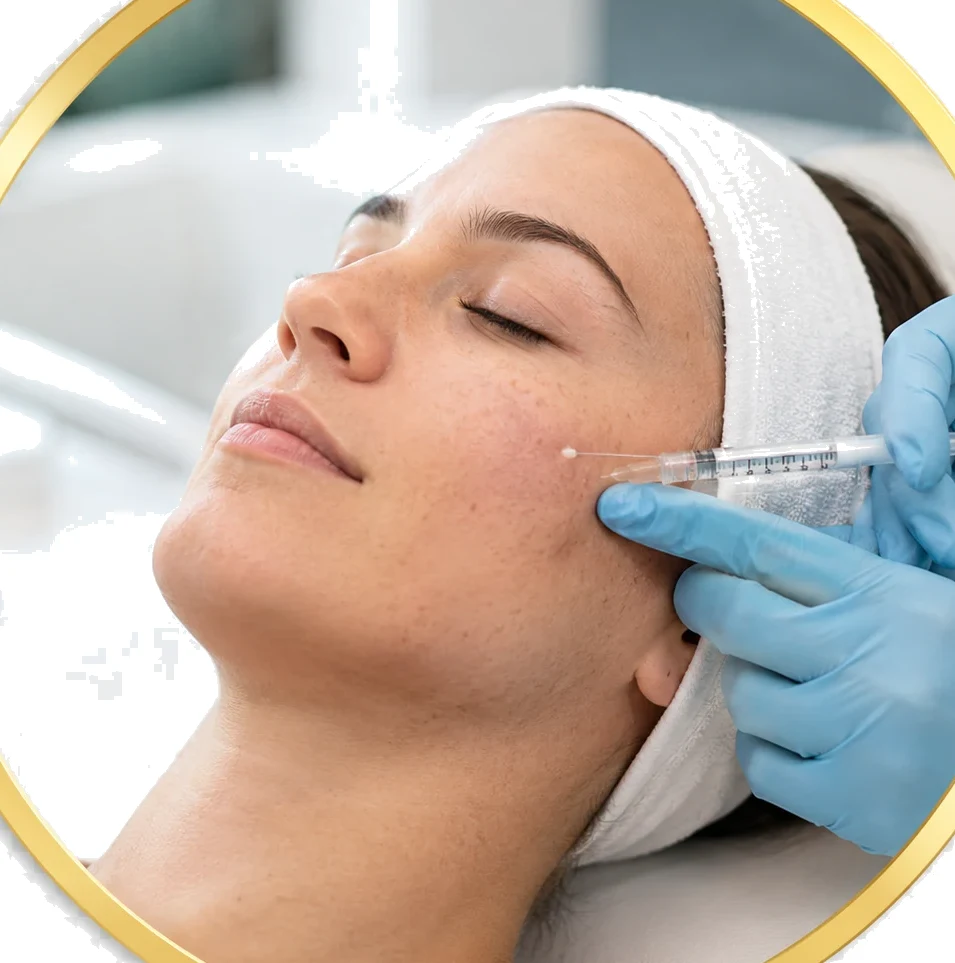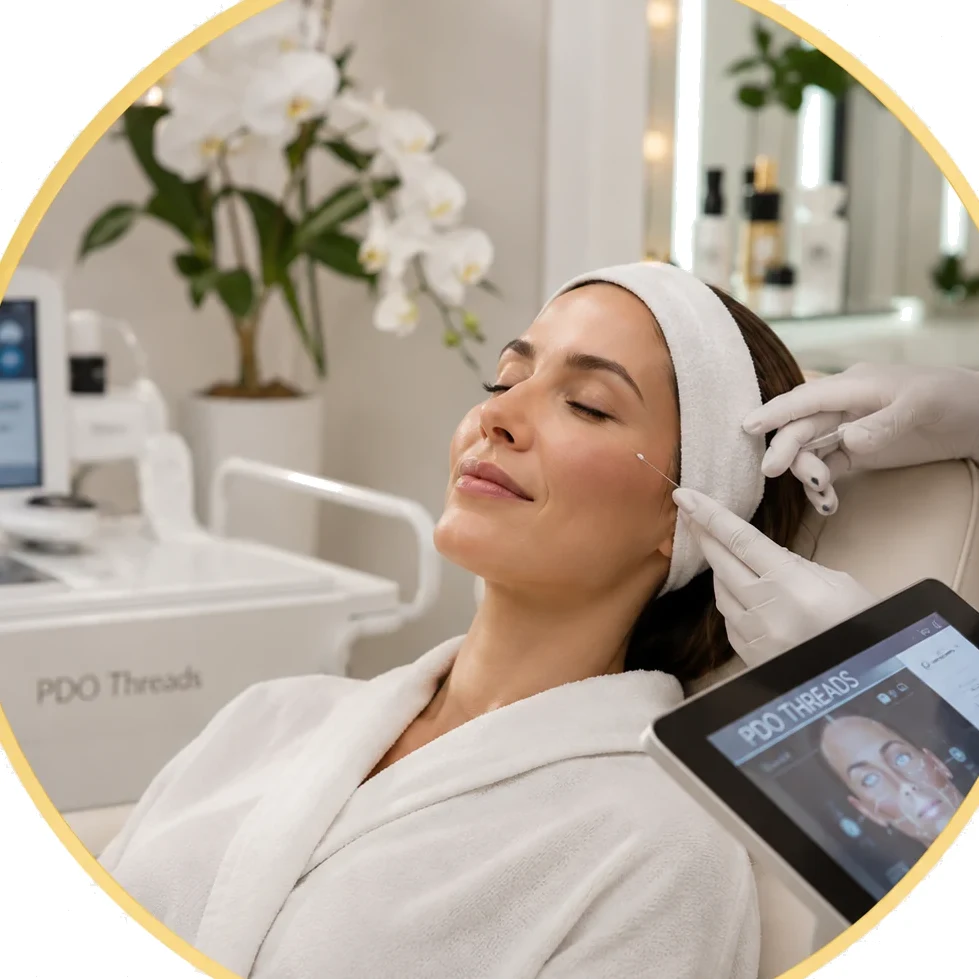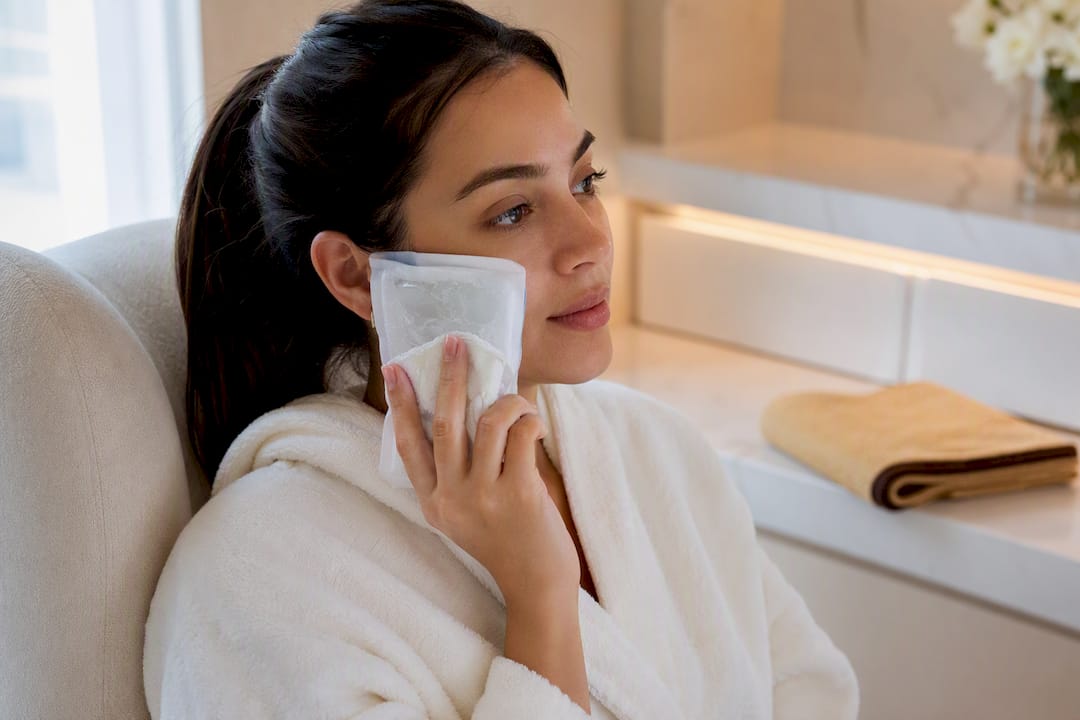
Laser skin rejuvenation reliably improves texture, pigmentation and fine lines by triggering controlled skin renewal. It does far less for sagging, where surgery or thread lifts tend to work better. Ablative lasers deliver the most dramatic change but demand longer recovery; non-ablative and fractional options trade some intensity for a faster return to normal life. The safest results depend heavily on practitioner skill and honest candidacy screening.
TL;DR:
- The most effective laser treatments for skin texture and pigmentation use fractional or non-ablative devices, which offer faster recovery and lower risks for darker skin tones.
- Candidates with significant skin laxity or volume loss are unlikely to see improvements, as lasers do not lift tissue but only refine surface quality.
- Proper device selection and tailored parameters depend heavily on practitioner expertise, with accredited training reducing risks of pigment changes and scarring.
- Recovery duration varies: fractional treatments heal in about 5-10 days, ablative treatments can take 7-14 days or longer, while non-ablative options typically require minimal downtime.
- Laser skin rejuvenation mainly improves surface concerns; for heavy sagging or jowling, surgical options remain the most effective choice.
Table of Contents
- Types of laser skin treatment and how each one works
- Are you a good candidate for laser rejuvenation?
- What results to expect, and how long they take
- What are the risks of laser treatment, and how are they managed?
- The treatment appointment and day-by-day recovery
- What does laser treatment cost, and does the NHS fund it?
- How to choose a safe, qualified laser practitioner
- Why bespoke device selection beats one-size-fits-all laser plans
- Get a personalised laser skin assessment at Nexgen Clinic
- The gap between laser marketing and laser reality
- Sources
- FAQ
Types of laser skin treatment and how each one works
Ablative lasers, such as CO2 and erbium devices, remove the outer skin layer entirely to stimulate fresh tissue growth. They handle deep scarring, sun damage and pronounced wrinkles well, but recovery runs long. Non-ablative lasers heat the deeper skin layers without breaking the surface, which suits pigmentation and mild texture concerns with almost no downtime. Fractional lasers sit between the two, treating a grid of microscopic zones rather than the entire surface, so healthy skin around each treated dot speeds recovery.
Recovery windows vary sharply by category:
- Fractional treatments: redness and peeling typically last 5 to 10 days. According to the British Cosmetic Dermatology Group,
- Fully ablative treatments: raw, oozing skin can persist for 7 to 14 days or longer.
- Non-ablative treatments: minimal visible downtime, often just mild flushing for a day or two.
Hybrid and picosecond devices are newer additions, combining wavelengths or firing ultra-short pulses to reduce thermal damage while still triggering collagen renewal. A recent review in the Journal of Cosmetic Dermatology notes these advances have widened safe treatment options across a broader range of skin tones. Our pigmentation laser treatment guide covers wavelength selection for sun spots and melasma in more detail.
Are you a good candidate for laser rejuvenation?
Candidacy depends on what you're trying to fix. Sun damage, acne scarring and rough texture respond well to laser resurfacing. Significant skin laxity, jowling or heavy volume loss usually need a surgical or thread-based approach instead, since lasers work on the skin's surface and mid-layers rather than lifting tissue.
Skin tone matters more than most people realise. Darker skin carries a higher risk of pigment changes after treatment, so device selection and conservative settings matter enormously, an approach the British Cosmetic Dermatology Group stresses when discussing customisation over one-size-fits-all settings.
A responsible consultation should screen for:
- Active skin infections or a history of cold sores (herpes reactivation is a recognised risk).
- Recent isotretinoin use, which typically requires a waiting period before ablative treatment.
- Pregnancy, certain autoimmune conditions and a tendency toward keloid scarring.
- Current sun exposure levels and tanning history.
Pro Tip: Book your consultation several weeks before any planned sun exposure, such as a holiday. Freshly treated skin is far more vulnerable to pigment changes if it meets strong sunlight too soon.
What results to expect, and how long they take
Some improvement shows immediately as swelling settles and the surface smooths out. The bigger changes, tighter texture, softer lines, more even tone, build gradually as collagen remodels underneath, a process that continues for up to three months after treatment.
Fractional treatments usually need multiple sessions spaced weeks apart for cumulative benefit. Fully ablative treatments often achieve dramatic results in a single session, precisely because more tissue is affected at once, though that comes with the longer recovery already mentioned.
Lasers are not a substitute for surgery when the primary problem is loose or sagging skin. If your main concern is jowls or a heavy neck, a laser will refine texture and tone but won't reposition tissue. Long-term results also depend on what you do afterwards: consistent SPF use and a sensible skincare routine protect the collagen gains rather than letting new sun damage undo them.
What are the risks of laser treatment, and how are they managed?
Most side effects are short-lived and predictable. Redness, swelling, oozing and crusting are expected after resurfacing, and they settle within the recovery window appropriate to the device used. Less common but more serious complications include infection, herpes reactivation, and changes in pigmentation, either too dark or too light, plus a small risk of scarring.
Prevention comes down to three things:
- Antiviral prophylaxis for anyone with a history of cold sores, prescribed before treatment.
- Conservative energy settings, particularly for darker skin tones, chosen by a practitioner who understands how pigment responds to heat.
- Accredited training, since the British Association of Aesthetic Plastic Surgeons warns that improper laser use can cause irreversible scarring or pigment damage.
Contact your clinic promptly if you notice increasing pain, spreading redness, pus, or a fever after treatment. These signs point to infection rather than normal healing and need same-day clinical review.
The treatment appointment and day-by-day recovery
A typical appointment starts with a consultation confirming your treatment plan, written consent, and a discussion of anaesthesia, ranging from topical numbing cream for fractional work to local anaesthetic or sedation for deeper ablative sessions. The laser itself is usually applied in passes over the target area, taking anywhere from 15 minutes for a small zone to over an hour for a full face.
Recovery follows a fairly predictable pattern:
- Days 1 to 3: Redness and swelling peak, particularly with ablative treatments; skin may weep or crust.
- Days 4 to 7: Fractional skin usually starts flaking and calming; ablative skin is often still healing raw patches.
- Days 7 to 14: Ablative skin typically finishes its main healing phase; fractional skin has usually returned to a made-up-ready state days earlier.
- Weeks 3 to 12: Ongoing collagen remodelling brings gradual tightening and tone improvement.
Aftercare matters as much as the procedure itself. Gentle cleansing, a prescribed healing ointment, and strict sunscreen use reduce the risk of post-inflammatory hyperpigmentation, especially in darker skin. Makeup is usually off-limits until the skin barrier has closed over, which your clinic will confirm at follow-up. Our laser facial downtime guide breaks this down by day, and the post-treatment skincare guide covers exactly which products to use and when.
Pro Tip: Buy your recovery skincare and a broad-spectrum SPF before treatment day. You won't want to be shopping with fresh, sensitive skin.
What does laser treatment cost, and does the NHS fund it?
Price depends on the device used, the clinician's experience, how many sessions your plan requires, and the clinic's overheads. Rather than quoting fixed figures that vary wildly between providers, ask any clinic for an itemised written quote covering the full course, not just a single session price.
For cosmetic ageing concerns, the NHS does not usually fund laser treatment. Funding is reserved for specific medical indications, certain severe scarring or vascular conditions, and typically requires a referral plus prior approval rather than direct booking. If you're hoping for NHS funding, ask your GP whether your specific concern might qualify before assuming private treatment is your only route.
How to choose a safe, qualified laser practitioner
Credentials matter more here than almost anywhere else in aesthetics, because incorrect settings can cause lasting damage. Verify that the practitioner is a dermatologist, plastic surgeon, or a suitably trained aesthetic clinician with documented device-specific training, not just general cosmetic experience.
Before booking, it's worth asking to see:
- Genuine before-and-after photos of similar skin types and concerns to yours.
- The specific device make and model being used, and why it suits your skin.
- How complications are handled if something doesn't heal as expected.
- The full aftercare and follow-up schedule, in writing.
| Checklist item | Why it matters |
|---|---|
| Accredited training on the specific device | Reduces risk of scarring or pigment damage |
| Written consent and treatment plan | Confirms informed decision-making |
| Before/after photos of similar skin | Sets realistic expectations |
| Clear complication protocol | Ensures fast response if healing goes off track |
| Defined follow-up schedule | Tracks progress and catches issues early |
Walk away from any clinic that skips written consent, pressures you into booking on the spot, or can't describe what happens if your skin reacts badly. A proper consultation should feel like a conversation, not a sales pitch.
Why bespoke device selection beats one-size-fits-all laser plans
Too many people assume "laser treatment" means one standardised procedure with predictable results across every clinic. It doesn't. The gap between a mediocre outcome and a genuinely good one usually comes down to whether the practitioner adjusted wavelength, energy and pulse settings to that individual's skin, rather than running a default protocol.
At Nexgen Clinic, AI-driven skin analysis feeds directly into device and energy selection, helping map pigmentation, texture and sun damage patterns before a single pulse is fired. This supports more conservative, tailored settings, particularly relevant for darker skin tones where standard settings carry higher risk. Regenerative additions such as skin boosters can be layered alongside laser sessions to support skin quality between treatments, when planned by a clinician who understands sequencing. Explore non-surgical facial rejuvenation options to see how these approaches combine. Any responsible plan still rests on honest consultation and realistic expectations, not on the technology alone.
Get a personalised laser skin assessment at Nexgen Clinic
Nexgen Clinic offers a genuinely different starting point compared with a standard aesthetic clinic booking: AI-driven skin analysis maps your specific pigmentation, texture and ageing patterns before any device is chosen, rather than defaulting to a generic protocol. That matters most for laser treatment, where the wrong energy setting for your skin tone is the single biggest driver of poor outcomes.
Our laser skin treatments are suited to anyone dealing with sun damage, uneven tone, textural roughness or fine lines who wants a bespoke plan rather than one-size-fits-all settings. For readers whose main concern is skin laxity rather than surface texture, our signature treatment packages combine regenerative approaches for a fuller solution. Book a consultation to get your personalised skin assessment and a written treatment plan before you commit to a single session.
The gap between laser marketing and laser reality
Most laser marketing sells transformation. The honest picture is more useful: laser skin rejuvenation is excellent at what it does, refining texture, fading pigmentation, softening fine lines, and mediocre at what it was never designed to do, which is lift heavy, sagging tissue. People who feel let down by laser treatment usually chose it for the wrong problem, not because the technology failed.
The industry also underplays how much outcomes depend on the person holding the device rather than the device itself. Two clinics running the same laser model can produce wildly different results because energy settings, pulse patterns and aftercare protocols are all judgement calls. That's precisely why accreditation and device-specific training matter more than brand names on a treatment menu. If there's one thing worth internalising before booking anything, it's this: ask what the practitioner is adjusting for your skin specifically, and if they can't answer clearly, that's your signal to look elsewhere.
— Ms Sandra Petraskaite
Sources
- Ablative laser resurfacing — British Cosmetic Dermatology Group
- Laser resurfacing — Sandwell and West Birmingham NHS Trust patient leaflet
- Clinical commissioning policy: aesthetic and plastic and reconstructive procedures — NHS England
- Lasers and devices — British Association of Aesthetic Plastic Surgeons (BAAPS)
- Advancements in laser technologies for skin rejuvenation: A comprehensive review — Journal of Cosmetic Dermatology (2024)
FAQ
How much does laser resurfacing cost in the UK?
Prices vary by device, clinician experience and number of sessions, so there's no single fixed figure. Ask any clinic for a written, itemised quote covering the full recommended course rather than a single-session price.
What is the downside of laser resurfacing?
The main downsides are downtime, which ranges from a few days for fractional treatments to 7 to 14 days for fully ablative ones, plus the risk of temporary redness, swelling and, less commonly, pigment changes or scarring if settings aren't matched to your skin.
Does the NHS pay for laser skin rejuvenation?
Generally, no. The NHS does not usually fund cosmetic facial laser treatment for ageing concerns; funding is limited to specific medical indications with referral and prior approval.
How does laser rejuvenation actually work?
Laser energy either removes the outer skin layer (ablative) or heats deeper layers without breaking the surface (non-ablative), triggering the skin to produce new collagen over the following weeks to months.
Is laser treatment safe for darker skin tones?
It can be, but it needs an experienced practitioner using conservative settings and appropriate device selection, since darker skin carries a higher risk of pigment changes after treatment.
Recommended
- Rosacea laser treatment: what to expect in the UK
- Pigmentation laser treatment: what to expect
- Laser Skin Treatments in Cambridge | Tone & Texture
- Laser facial downtime: what to expect and how to plan
Ready to explore your options?
Speak with a NexGen clinician for a personalised consultation. We’ll listen, assess, and recommend the safest and most effective route — always led by evidence, always tailored to you.
Book a consultation or get in touch with our Cambridge team.