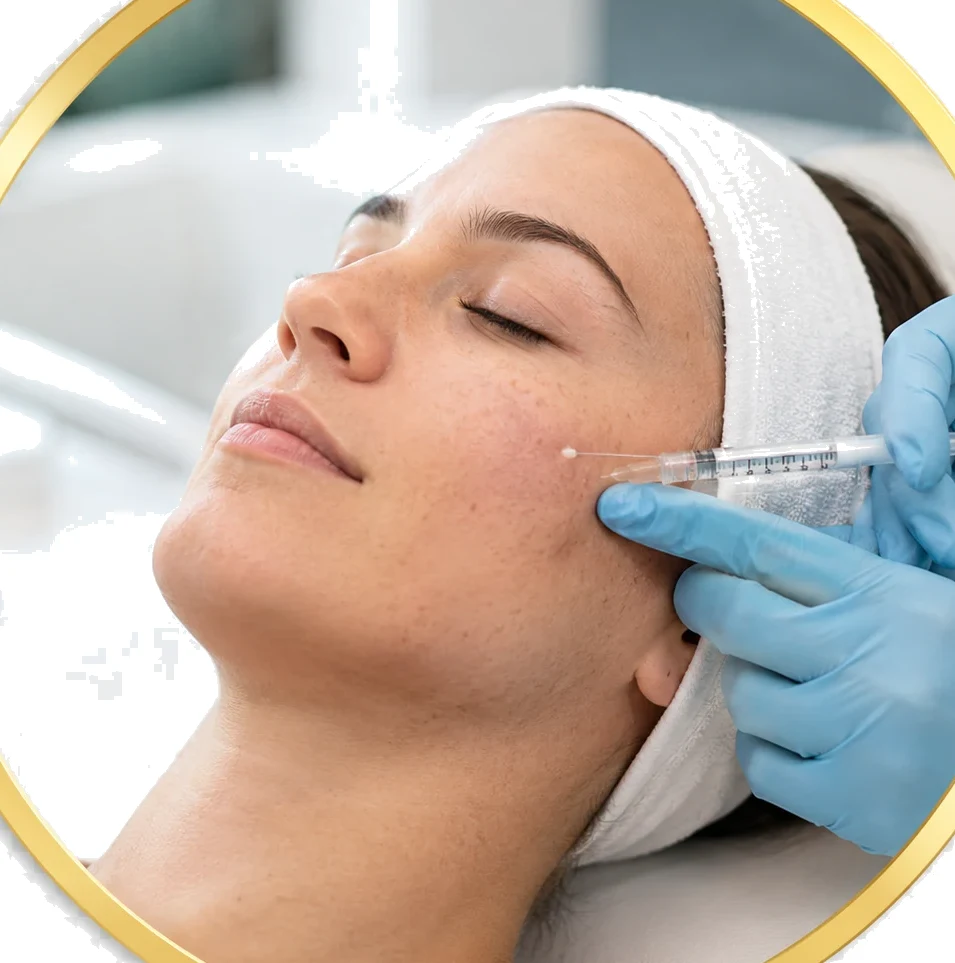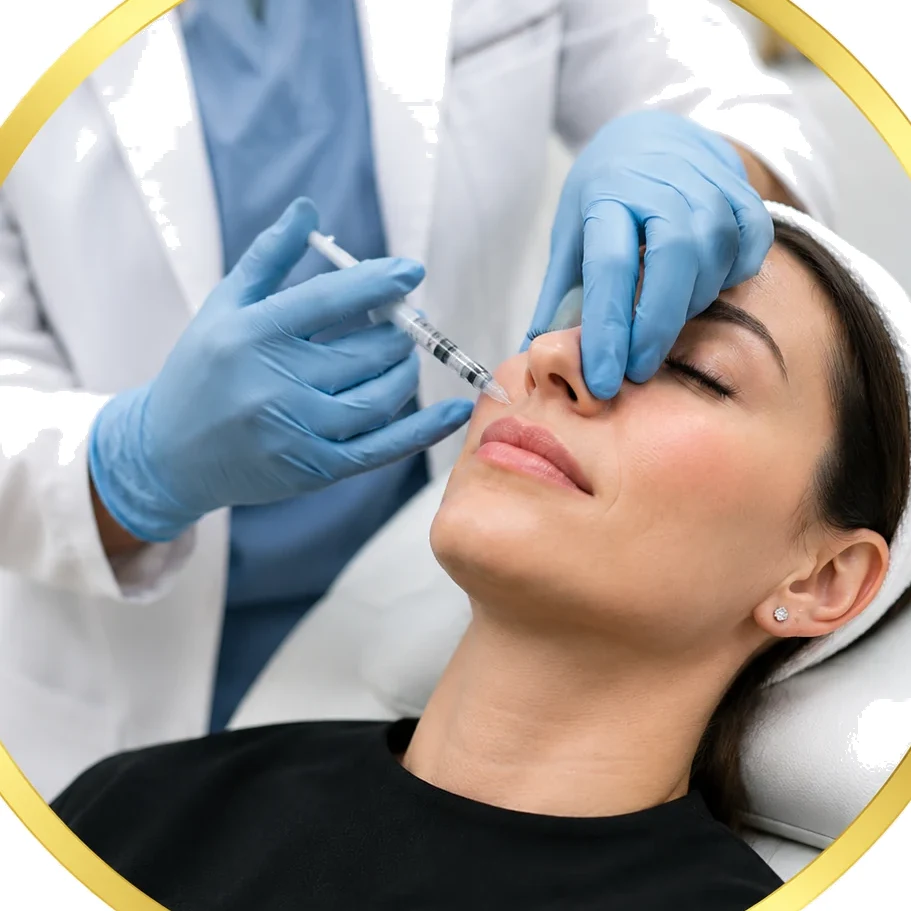

Lip hydration injections improve moisture, texture and softness in the lips without adding the structural volume of a traditional filler. They suit people who want their lips to look healthier and feel smoother rather than visibly bigger, and work well alongside or instead of standard lip filler depending on your anatomy and goals. A clinician-led consultation is the right starting point if you're weighing up which approach fits you.
TL;DR:
- Choose hydration alone for dehydrated, textured lips when you do not want a shape change; structural filler is needed for projection or defined borders.
- One postmarket study of one hyaluronic acid product found visible responses in over 90% of patients at six months; results depend on formulation and metabolism.
- Before booking, confirm the treating clinician reviews your medical history, takes consent, names the product, verifies qualifications, and has an emergency plan for vascular complications.
- For 24 to 48 hours, avoid touching or pressing your lips; seek urgent care for severe pain, unusual skin blanching, or worsening symptoms.
- Many people consider maintenance injections every four to six months, though timing depends on how quickly results fade and their treatment goals.
Table of Contents
- What is a lip hydration treatment and how it works
- How lip hydration differs from conventional lip filler
- What happens in consultation and during the procedure
- Results, longevity and what to realistically expect
- Safety, risks and current UK regulatory landscape
- Aftercare and recovery: day-by-day expectations
- Who is suitable and who should avoid injectable lip hydration
- NexGen Clinics' clinician-led approach to lip hydration
- Why clinician-led subtlety matters
- How NexGen Clinics can help: booking a consultation and next steps
- FAQ
- Sources
What is a lip hydration treatment and how it works
Lip hydration treatments use low-viscosity hyaluronic acid, polynucleotides or other skin-boosting injectables designed to hydrate and smooth lip tissue rather than reshape it. Unlike structural filler, these products are formulated to integrate into the skin and attract water, improving texture and softness from within rather than pushing the lip outward.
Once injected, these lighter gels sit within the tissue and draw in moisture, which can reduce fine lines on the lip border and give the surface a plumper, more hydrated appearance without altering the lip's underlying shape. The technique matters as much as the product.
- Microdroplet injections spread small amounts of product evenly through the tissue for a soft, diffuse effect.
- A fine needle or cannula can be used depending on the area and the practitioner's preferred technique.
- Product rheology, meaning how thick or elastic the gel is, determines whether it hydrates gently or adds noticeable lift.
How lip hydration differs from conventional lip filler
The biggest distinction between hydration treatments and conventional filler lies in viscosity and cross-linking. Hydration products are lightly cross-linked and low in viscosity, so they spread and integrate rather than hold a defined shape. Conventional filler is more densely cross-linked and higher in viscosity, which lets it hold structure and create visible projection.
- Hydration treatments typically use smaller volumes focused on texture rather than contour.
- Conventional filler is chosen when the goal is added volume, defined borders or a change in lip shape.
- Many people combine both: hydration for quality and softness, filler for shape when wanted.
This difference shows up clinically too. Someone with thin, dehydrated lips but no interest in changing their shape is often a better candidate for hydration alone, while someone seeking a fuller cupid's bow or more projection usually needs structural filler.
Pro Tip: If you're unsure which approach suits you, ask your clinician to assess your lip anatomy and resting volume before deciding between hydration and structural filler.
What happens in consultation and during the procedure
Every treatment begins with a consultation led by the clinician who will actually perform the injection. Under GMC guidance on cosmetic interventions, that clinician must personally take consent, review your medical history and set realistic expectations rather than delegating this to administrative staff.
- Your clinician reviews your medical history, allergies and any contraindications.
- They examine lip anatomy, skin quality and hydration levels to recommend hydration, filler or a combination.
- Numbing cream or local anaesthetic is applied if needed.
- The product is injected using microdroplet or linear technique, typically taking 20 to 30 minutes.
- You're given aftercare advice and a follow-up plan before leaving.
Before treatment, your clinician checks for contraindications such as active infection, certain autoimmune conditions or pregnancy. Pricing varies by product and area treated; polynucleotide skin boosters at NexGen Clinics start from £180 per session, while dermal fillers start from £160.
- Expect a recovery period that is generally short with minimal downtime.
- Follow-up appointments let your clinician assess results and discuss whether a top-up suits your goals.
Results, longevity and what to realistically expect
Most people notice softer, plumper-looking lips within a few days, with peak hydration effect visible after one to two weeks as the product settles and draws in moisture. Results are subtle by design, which is the point of hydration treatments rather than a drawback.
Durability varies by product and technique. A postmarket clinical study of an HA lip treatment found more than 90% of patients still showed a visible response at six months, around 70% at twelve months, and over 40% retained a measurable effect at eighteen months. These figures reflect one specific product and trial, so your own results will depend on the formulation used, your metabolism and how your tissue responds.
Because hydration treatments work more gently than structural filler, many people choose a top-up every four to six months to maintain softness and smoothness, though this depends entirely on your individual pattern of breakdown.
Safety, risks and current UK regulatory landscape
Short-term bruising and mild swelling are common after lip hydration treatment and usually settle within a few days. Rarer but more serious complications include infection and vascular occlusion, where product inadvertently affects blood supply to the tissue. These are uncommon when treatment is carried out by a trained, qualified clinician, but they're the reason consultation and technique matter so much.
Both the GMC's cosmetic interventions guidance and NHS advice on choosing a practitioner stress that patients should ask for the product name and origin, check the practitioner's qualifications, and avoid anyone whose only training is a short course. The UK government has also announced a crackdown on unsafe cosmetic procedures, including plans for a licensing system for lower-risk non-surgical treatments.
Ask your practitioner for the product name and its origin, their training and qualifications, and whether hyaluronidase is available on site in case of complications.
- Confirm the exact product being used and its CE marking or regulatory status.
- Ask what emergency protocol is in place for vascular complications.
- Check that your clinician, not a receptionist or salesperson, is the one taking your consent.
Aftercare and recovery: day-by-day expectations
Aftercare is straightforward but matters for both comfort and results.
- Apply ice intermittently for the first 24 hours to reduce swelling.
- Avoid touching, massaging or applying pressure to the lips for at least 24 to 48 hours.
- Skip strenuous exercise, saunas and alcohol for 24 hours to limit swelling.
- Expect bruising and swelling to peak within a day or two and resolve within a week.
Seek urgent review if you notice severe pain, unusual blanching of the skin, or symptoms that worsen rather than settle, as these can indicate vascular compromise.
Pro Tip: Sleeping slightly elevated for the first night or two can reduce overnight swelling.
Who is suitable and who should avoid injectable lip hydration
Good candidates have dehydrated, thinning or textured lips and want subtle improvement without added volume. Those with active cold sores, certain autoimmune conditions, or who are pregnant or breastfeeding are usually advised to wait or avoid treatment.
- Ideal candidates want smoother texture and softness, not a change in lip shape.
- People on blood thinners or with a history of poor healing should flag this during consultation.
- Realistic expectations and some tolerance for short-term swelling make recovery easier.
NexGen Clinics' clinician-led approach to lip hydration
Our approach to lip hydration starts with skin analysis alongside a clinician's own assessment, combining data with hands-on judgement. Every injector follows consent and consultation protocols in line with GMC standards before any treatment begins.
Why clinician-led subtlety matters
The aesthetics industry often rewards dramatic transformation, but lips rarely benefit from that approach. We believe the better outcome is one where people notice you look well rather than noticing you've had something done, exemplifying what natural looking means in aesthetics. That only happens with careful technique and honest consultation, so talk to a qualified clinician before deciding what's right for your lips.
— Ms Sandra Petraskaite
How NexGen Clinics can help: booking a consultation and next steps
We offer lip hydration through polynucleotide skin boosters and lighter HA-based options, alongside dermal fillers for anyone who wants added shape. Every consultation is led by the treating clinician, who reviews your history and sets expectations before any injection takes place, with follow-up built into the plan.
- Skin booster sessions and dermal fillers have starting prices listed on the pricing page.
- Consultations cover anatomy, skin quality and which approach suits your goals.
- Follow-up appointments let us assess results and plan any top-up.
Visit our treatments page to check availability and book a consultation.
This article is general information, not a substitute for advice from a qualified doctor. Consult a qualified healthcare professional about your own circumstances before acting on anything here.
FAQ
What is a lip hydration treatment?
A lip hydration treatment is an injectable procedure using low-viscosity hyaluronic acid, polynucleotides or similar products that hydrate and smooth the lips without adding structural volume. It differs from conventional filler, which is designed to reshape or add projection to the lips.
What can I hydrate my lips with?
Clinically, lips can be hydrated with injectable skin boosters such as polynucleotides or lightly cross-linked hyaluronic acid, which draw moisture into the tissue. Day to day, a good lip balm and adequate water intake support skin hydration but won't match the depth of an injectable treatment.
How long does a lip hydration injection last?
Duration depends on the product and technique used. One postmarket clinical study found over 90% of patients still showed a response at six months, around 70% at twelve months, and more than 40% retained a visible effect at eighteen months.
How can I naturally hydrate my lips?
Drinking enough water, using a moisturising lip balm and avoiding licking your lips can help with everyday dryness. These habits support skin health but address surface hydration rather than the deeper tissue changes an injectable treatment provides.
Sources
- Lip Augmentation With Saypha LIPS Lidocaine: A Postmarket, Prospective, Open-Label, Randomized Clinical Study To Evaluate Its Efficacy and Short- and Long-term Safety
- Crackdown on unsafe cosmetic procedures to protect the public
- Choosing who will do your cosmetic procedure - NHS
- GMC guidance: cosmetic interventions
Recommended
- Clinician Led Evidence: AI Grading for Hand Rejuvenation
- UK Clinician Advice: 6–12 Week Timeline for Sculptra
- From £180: Anatomy First Clinician Led Jawline Contouring
- Gummy Smile Treatment: What Are the Options?
Ready to explore your options?
Speak with a NexGen clinician for a personalised consultation. We’ll listen, assess, and recommend the safest and most effective route — always led by evidence, always tailored to you.
Book a consultation or get in touch with our Cambridge team.