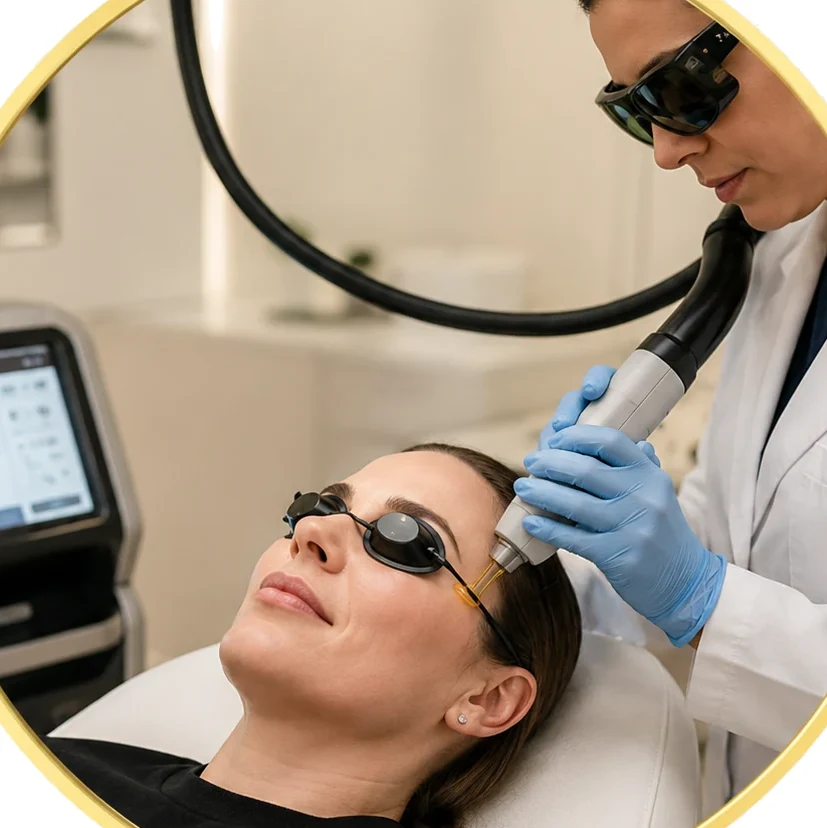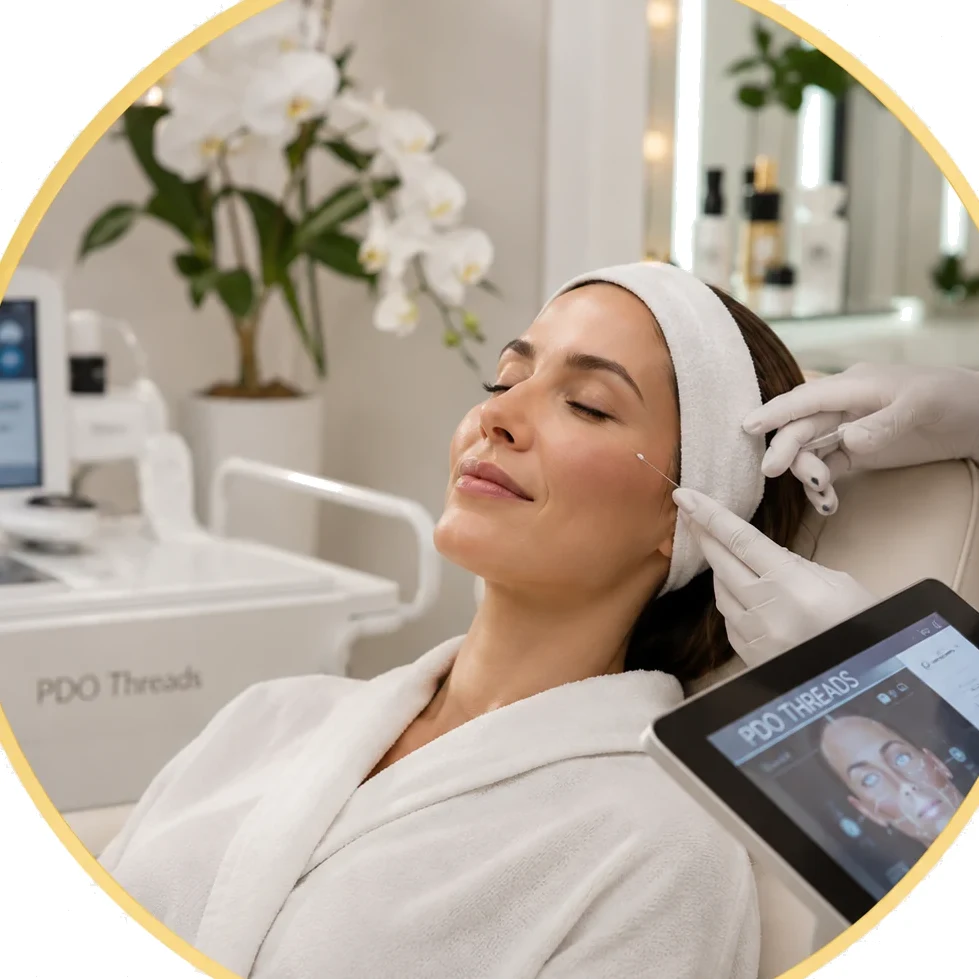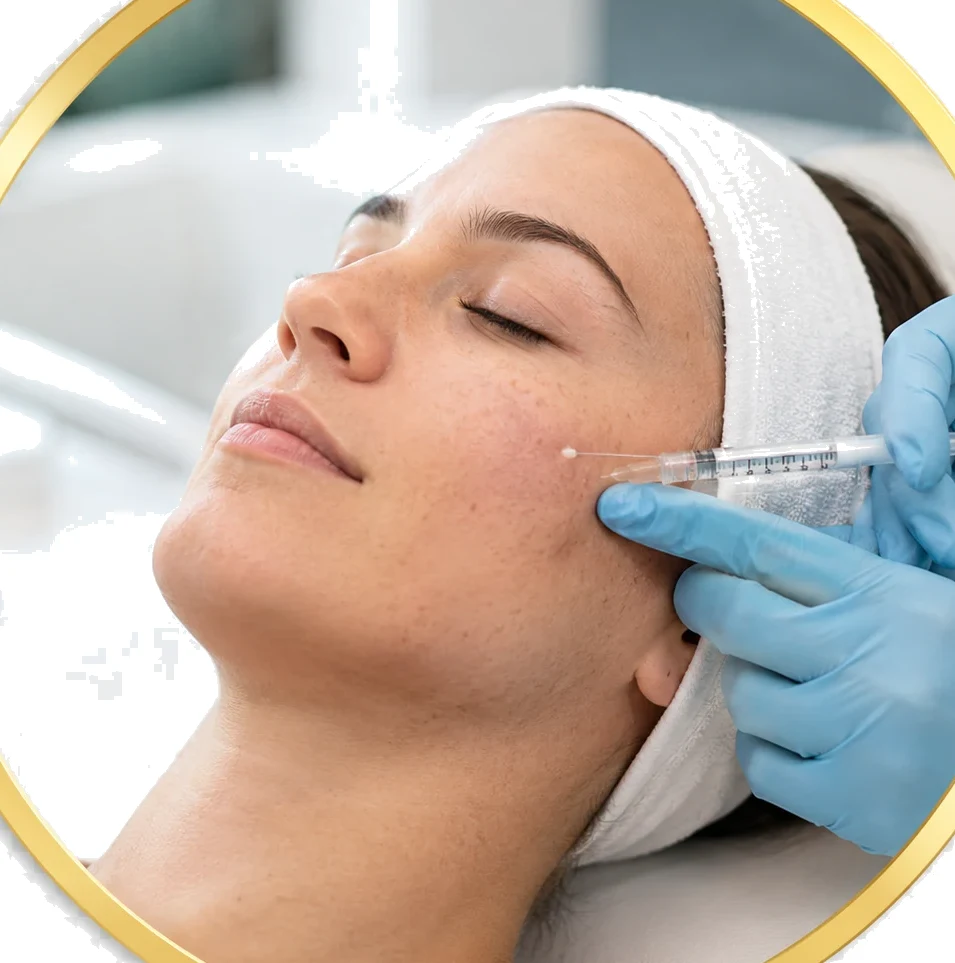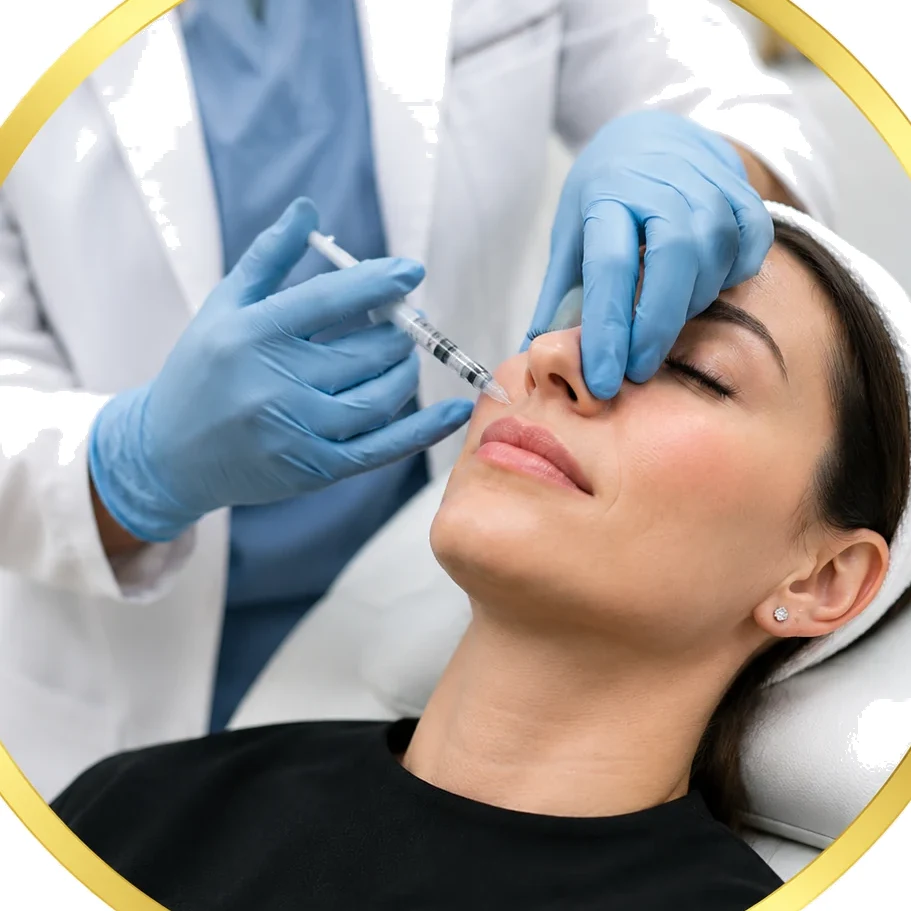
Yes, laser can treat pigmentation, and for many sun spots, freckles and epidermal lentigines it works well within one to three sessions. It is not a permanent solution, though: deeper or hormonally driven pigment such as melasma often needs a combined approach rather than laser alone, and results depend heavily on which device is used and how your skin responds to it.
The laser works by targeting melanin with focused pulses of light. The pigment absorbs the energy, fragments into smaller particles, and your immune system clears the debris over the following days and weeks. For a straightforward sun spot or age spot, clinics typically see meaningful fading after one to three sessions, though more complex or dermal pigment usually needs more.
Before assuming laser is right for you, it helps to know when other routes should come first:
- Melasma or hormonally triggered patches — topical treatment and photoprotection usually come before any device.
- Recent tanning or active infection on the treatment area — this needs to resolve before any laser session.
- A pigmented lesion that looks irregular, is changing shape, or itches or bleeds — this needs a dermatologist's assessment first, not a cosmetic booking.
- Darker Fitzpatrick skin types — not a reason to avoid laser, but a reason to choose a clinic experienced in treating skin of colour.
If your pigmentation looks straightforward and stable, the sensible next step is a medically led consultation with a patch test, not a same-day treatment slot. That distinction runs through everything below.
Key Takeaways
Laser can fade or clear many pigmented lesions effectively, but success depends on correct device selection, skin-type-appropriate settings, and consistent sun protection afterwards.
| Point | Details |
|---|---|
| Match device to condition | Q-switched and picosecond suit epidermal pigment; Nd:YAG 1064nm suits deeper pigment and darker skin tones. |
| Skin type drives safety | Fitzpatrick assessment and patch testing reduce the risk of PIH and other complications. |
| Sessions vary by lesion | Sun spots often clear in one to three sessions; tattoos and dermal pigment may need six or more. |
| Melasma needs a combined plan | Topical therapy and photoprotection remain first-line; laser is usually adjunctive. |
| Nexgen Clinic offers a medically led pathway | Consultation, patch testing and staged treatment plans support safer, personalised results. |
Table of Contents
- How does pigmentation laser treatment actually work?
- Which laser types are used, and when does each make sense?
- Which pigment problems respond well, and what results are realistic?
- Who is a good candidate? Skin type and safety considerations
- What happens during consultation, treatment and recovery?
- What are the risks, and how do clinics reduce them?
- What does pigmentation laser treatment cost, and does the NHS fund it?
- How do you look after your skin after laser treatment?
- When should you try non-laser options first?
- How do you choose the right clinic?
- What does the research actually show?
- A clinic view on treating pigmentation safely
- How Nexgen Clinic approaches pigmentation laser treatment
- Sources
- FAQ
How does pigmentation laser treatment actually work?
Pigment-targeting lasers work by delivering light at a wavelength melanin absorbs strongly, heating or shattering the pigment granules so the body can remove them naturally. That single sentence describes the goal; the physics behind it explains why device choice and settings matter so much.
Two mechanisms are in play, and clinics use both. Photothermal effects come from longer pulse durations: the pigment heats up and breaks down gradually, a bit like a controlled burn. Photomechanical (also called photoacoustic) effects come from very short, high-intensity pulses, typically nanosecond or picosecond in length, that shatter pigment through a rapid pressure wave rather than sustained heat. Picosecond lasers lean into this second mechanism, which is part of why they tend to cause less collateral heat damage to surrounding skin than older, slower-pulsed devices, according to a literature review on lasers for dermal hyperpigmentation.
Wavelength decides how deep the light travels and which pigment it interacts with. Shorter wavelengths tend to stay closer to the surface and suit epidermal pigment; longer wavelengths penetrate further, which is why they're often chosen for deeper or dermal pigment, and for skin types that need a gentler approach to melanin overall.
In the hours after treatment, most patients notice the treated spot darkening, sometimes within minutes. Over the following three to seven days, it typically crusts and then flakes away, revealing lighter skin underneath. Sun protection matters intensely during this window because the healing skin is far more reactive to UV exposure, and unprotected sun can trigger the very rebound pigmentation you were trying to remove.
Pro Tip: A small test patch, usually placed somewhere discreet, tells your clinician far more than a skin type chart alone. It shows exactly how your melanin responds to that specific device and setting, which matters because two people with similar skin tones can react quite differently to the same laser.
Which laser types are used, and when does each make sense?
The main device classes used for pigment are Q-switched lasers, picosecond lasers, Nd:YAG at 1064nm, alexandrite, ruby, fractional non-ablative lasers, and IPL, though IPL is generally limited when it comes to deeper dermal pigment. Each suits a different combination of pigment depth, lesion type and skin tone, and a good clinician will match the device to your specific case rather than defaulting to whatever's plugged in.
Q-switched lasers have been a mainstay for years, delivering short, high-intensity pulses well suited to epidermal lesions like solar lentigines and certain tattoo pigments. Picosecond lasers work on the same principle but with pulses measured in trillionths of a second, producing a stronger photomechanical effect with comparatively less heat spread, which the PMC review on hyperpigmentation therapies links to reduced thermal injury in appropriate cases.
Nd:YAG at 1064nm sits at the longer end of the wavelength spectrum used for pigment, and that length is precisely why clinicians reach for it in skin of colour: it bypasses more of the superficial melanin that can otherwise absorb energy and trigger unwanted pigment changes, reducing risk while still reaching deeper lesions. Alexandrite and ruby lasers occupy a middle ground, often used for lighter skin types and specific pigment or tattoo colours. Fractional non-ablative lasers work differently again, creating microscopic treatment zones rather than treating the whole surface, which suits some mixed pigment and texture concerns but with a gentler overall footprint.
IPL (intense pulsed light) is not a true laser. It uses a broad spectrum of light rather than a single focused wavelength, which makes it less precise for deeper or stubborn pigment and generally unsuitable as a one-size-fits-all answer, particularly for melasma or darker skin tones.
| Laser type | Best uses | Skin-type cautions |
|---|---|---|
| Q-switched | Solar lentigines, some tattoo pigments | Use conservative settings on darker skin |
| Picosecond | Epidermal and some dermal pigment, tattoos | Generally lower thermal risk, still needs patch testing |
| Nd:YAG 1064nm | Deeper dermal pigment, skin of colour | Preferred longer wavelength for Fitzpatrick IV–VI |
| Alexandrite/ruby | Lighter skin types, specific pigment colours | Higher risk of pigment change on darker skin |
| Fractional non-ablative | Mixed pigment and texture concerns | Requires staged sessions, moderate downtime |
| IPL | Superficial, well-defined sun spots | Limited for dermal pigment or melasma; not ideal for darker tones |
Before committing to a device, ask your clinician about these:
- What wavelength and pulse duration will be used, and why for your specific pigment?
- What cooling method is in place during treatment?
- Will a test patch be performed, and when will results be reviewed?
- How many sessions are typically needed for a case like yours?
- What happens if your skin reacts more strongly than expected?
Which pigment problems respond well, and what results are realistic?
Sun and age spots usually respond fastest, freckles respond well, and epidermal lentigines often clear in one to three sessions, while dermal melasma and post-inflammatory hyperpigmentation (PIH) are far less predictable and often need more than laser alone. That's the short version. The longer version depends heavily on how deep the pigment sits and what caused it.
- Solar lentigines (sun spots) — often show rapid fading, sometimes after a single session, though multiple spots may need more.
- Freckles — respond well, though because they're genetically driven, new ones can appear over time regardless of treatment.
- Epidermal lentigines — typically clear well within one to three sessions.
- Post-inflammatory hyperpigmentation (PIH) — variable response; often needs topical treatment alongside or instead of laser, particularly in darker skin.
- Melasma — the most stubborn of the group; laser is frequently used as an adjunct rather than a primary treatment, and aggressive settings can make it worse.
- Tattoos and dermal melanoses — usually need six or more sessions spaced weeks apart, given how deep and dense the pigment sits.
Cohort data reviewed in the PMC literature review shows substantial pigment reduction is achievable across several dermal pigmentary conditions, but responses varied by condition and often required sessions spread across months rather than weeks.
One point worth being honest about: laser removes or lightens the lesion in front of you, but it doesn't change your skin's underlying tendency to produce pigment. Without ongoing sun protection and, in many cases, maintenance therapy, pigmentation can return even after a successful course of treatment.
Who is a good candidate? Skin type and safety considerations
Your Fitzpatrick skin type is the single biggest factor in deciding which device and settings are safe for you, and darker phototypes need a different approach, not a lesser one. Fitzpatrick typing runs from I (very fair, always burns) to VI (deeply pigmented, never burns), and melanin density rises steadily through that scale. More background melanin means more competition for the laser's energy, which is exactly why longer wavelengths and lower fluence settings become important as skin tone deepens.
Certain factors rule laser out entirely, at least temporarily, while others simply call for extra caution:
- Active skin infection on or near the treatment area rules out treatment until it clears.
- Recent tanning or sun exposure increases the risk of pigment complications and usually means postponing.
- Pregnancy is generally treated as a reason to wait, given the lack of safety data.
- Photosensitising medications can heighten skin reactivity to light-based treatment.
- A history of keloid scarring calls for a more cautious approach and closer monitoring.
Experienced operators adjust wavelength, fluence and cooling specifically for skin of colour, following guidance summarised in the NCBI clinical overview of pigmented lesion laser treatment, which stresses conservative parameters and patch testing as standard practice rather than an optional extra.
Pro Tip: A proper patch test involves treating a small, inconspicuous area and reviewing it after roughly one to two weeks before any full treatment goes ahead. If that patch darkens excessively, blisters, or takes unusually long to settle, it tells your clinician to adjust settings, change device, or reconsider the plan entirely, and it's far better to learn that from a coin-sized patch than from your whole cheek.
What happens during consultation, treatment and recovery?
A proper pigmentation laser pathway starts with a medically led consultation and a patch test, never straight into a full treatment session. That sequence exists for good reason: it lets your clinician confirm the lesion is benign, assess your skin type accurately, and see how your skin actually reacts before committing to a full course.
A thorough consultation typically covers your medical history, a formal Fitzpatrick assessment, baseline photographs, a clear explanation of risks and expected outcomes, written consent, and a test patch. Clinicians will also want to rule out anything that looks suspicious rather than simply irregular pigmentation, since pre-treatment assessment guidance is explicit that cosmetic laser should never be used to mask or mistreat a lesion that needs proper dermatological review.
On the day, sessions are usually brief, often somewhere between ten and thirty minutes depending on the area treated. Most patients describe the sensation as a series of quick snaps, sometimes likened to a light elastic band flick, and clinics commonly use cooling devices or topical numbing to keep this comfortable. Immediately afterwards, the treated area often looks slightly darker or shows mild redness and swelling.
Recovery generally follows a predictable pattern:
- Day 0 to 1: treated spots darken; mild redness or swelling around the area is common.
- Days 1 to 3: a crust typically forms over the pigment.
- Days 3 to 7: the crust flakes away naturally, revealing lighter skin underneath.
- Weeks to months: cumulative fading continues across sessions, particularly for deeper or multiple lesions.
Costs vary depending on device, area and session count, covered in more detail further below.
What are the risks, and how do clinics reduce them?
The most common side effects are temporary redness, swelling, and initial darkening of the treated spot, while rarer but more serious complications include post-inflammatory hyperpigmentation, hypopigmentation, scarring and infection. None of these should be treated casually, but the frequency and severity differ enormously depending on skin type, device choice and operator skill.
Darker skin tones carry a meaningfully higher risk of PIH, simply because there's more melanin present to react unpredictably to heat or pressure from the laser. This is precisely why longer wavelengths, lower fluence and more conservative treatment plans matter so much for these patients rather than being an afterthought.
Clinics reduce risk through several layers: a qualified operator who understands device physics and skin biology, mandatory patch testing before full treatment, conservative energy settings rather than pushing for the fastest possible result, active cooling technology during the session, staged treatment plans instead of one aggressive pass, and documented follow-up so any early complication gets caught quickly.
Scarring and infection are uncommon but not impossible. Reported rates are low across many clinical series, and PIH, when it occurs, typically resolves within months, though it can occasionally persist longer, particularly if aftercare instructions aren't followed closely.
Pro Tip: If you notice unusual darkening, blistering, or a colour change that seems off compared with what you were told to expect, contact your clinic immediately rather than waiting for your next scheduled appointment. Early intervention on a developing complication makes a real difference to how it resolves.
What does pigmentation laser treatment cost, and does the NHS fund it?
Most laser pigmentation treatment is private, charged per session or as a structured programme, and NHS funding is rare because these conditions are usually classed as cosmetic rather than medically necessary. That framing matters for budgeting purposes as much as for expectations.
Several factors shift the price you'll actually pay:
- Device class — picosecond lasers often command higher per-session fees than older Q-switched devices, reflecting equipment cost and precision.
- Practitioner seniority — a consultant dermatologist or highly experienced practitioner typically charges more than a junior operator.
- Session count — a single sun spot costs far less to treat than a face full of mixed pigmentation needing a staged plan.
- Treatment area size — a small facial area costs less than larger zones like the chest, hands or back.
- Clinic location — pricing in major cities tends to run higher than in smaller towns.
Initial consultations commonly carry their own fee, with clinic examples showing figures around £120 for an assessment before any treatment plan is agreed, though this varies by provider. Beyond that, packages are often structured as a set number of sessions bundled together rather than paid one at a time, which is worth asking about at consultation.
On NHS funding specifically: laser treatment for pigmentation is not routinely funded, and prior approval is only considered in rare cases involving genuine functional impairment or significantly disfiguring lesions, typically requiring a formal treatment plan with predicted sessions and cost submitted for review. For the vast majority of cosmetic pigmentation concerns, private treatment is the realistic route.
How do you look after your skin after laser treatment?
Strict sun protection and medical-grade topical maintenance are the two things that decide whether your results last or fade back within months. Neither is optional if you've just paid for a course of laser sessions.
Pro Tip: Apply a high-factor SPF daily for at least three to six months after treatment, reapplying through the day if you're outdoors. This isn't cosmetic advice, it's a clinical necessity: healing skin is far more prone to reacting to UV light with unwanted pigment, and skipping sunscreen is the single most common reason results don't hold.
Beyond sun protection, a few practical habits make a real difference during healing:
- Cleanse gently, avoiding hot water or harsh scrubbing on the treated area.
- Skip exfoliating acids, retinoids or abrasive products until fully healed.
- Leave any crust to shed naturally rather than picking at it.
- Contact your clinic promptly if you notice blistering, unusual pain, or spreading darkness.
Longer term, many clinics recommend a maintenance regime of clinic-grade topical products, periodic review appointments, and active avoidance of known triggers such as unprotected sun exposure or, where relevant, hormonal contributors. Recurrence isn't a sign the treatment failed; it reflects the reality that lasers treat the pigment you can see rather than the underlying tendency that produced it. Browsing aftercare and skincare guidance can help you build a realistic long-term routine around whatever treatment plan you choose.
When should you try non-laser options first?
Topical medical therapy and strict photoprotection are first-line treatment for many pigmentation disorders, particularly melasma and early PIH, with laser used as an adjunct rather than the opening move. That hierarchy matters because starting with the gentler option often produces better long-term results with less risk.
- Topical hydroquinone or retinoid regimens — often the starting point for melasma and PIH, working gradually to fade pigment over weeks to months.
- Tranexamic acid (oral or topical) — increasingly used for melasma, particularly where hormonal triggers are suspected, per British Association of Dermatologists guidance.
- Chemical peels — useful for superficial, even pigmentation, though results vary and multiple sessions are common.
- Microneedling — can support pigment fading and skin texture, sometimes combined with topical actives for a compounding effect.
- Camouflage and patient education — a practical stopgap for visible pigment while medical treatment takes effect, and a reminder that not every case needs an aggressive intervention immediately.
Combination strategies are common in practice: a device might be layered with topical agents and, occasionally, oral treatment for cases that resist standard therapy, though this needs extra caution in darker skin given the higher baseline risk of pigment complications. A systematic review of laser treatments for PIH and dermal hyperpigmentation is explicit that lasers are frequently second-line, reserved for refractory cases rather than a first response.
Laser becomes the sensible next step when pigment is persistent, clearly focal, or sits deeper in the dermis after appropriate medical therapy has already been tried and hasn't delivered enough improvement.
How do you choose the right clinic?
Prioritise medically led clinics with documented experience treating skin of colour and a track record in pigment management specifically, not just aesthetic treatments generally. That single filter eliminates a surprising number of options before you even get to pricing.
A solid checklist for evaluating any clinic includes:
- Clinician qualifications: a dermatologist, plastic surgeon, or a team working under direct medical supervision.
- Device transparency: which make and wavelength they use, and why it suits your specific pigment and skin type.
- Evidence of treating your exact condition and skin tone, not just similar-sounding cases.
- Before-and-after photographs with visible dates and comparable lighting.
- A clear, mandatory patch-testing policy rather than an optional add-on.
- Written consent and a documented aftercare plan you actually receive, not just verbal advice.
- A defined follow-up schedule and a stated plan for managing complications if they arise.
Certain patterns should make you walk away. Be wary of clinics promising a result in one session, operators who won't show you patch-test outcomes before proceeding, marketing built purely around the lowest price, an absence of any real medical consultation, or the use of IPL as a blanket solution regardless of skin type or pigment depth.
At consultation, ask directly about the device and wavelength being used, how many sessions are realistically expected for your case, what the specific risks are for your skin type, and what happens if a complication develops. A clinic confident in its process will answer all of this without hesitation, and pages like NexGen Clinic's laser treatment overview are a useful example of the level of detail worth expecting before you commit.
What does the research actually show?
The evidence base supports laser for many pigmented lesions, particularly with Q-switched and picosecond devices for epidermal pigment and Nd:YAG for deeper dermal cases, but outcomes vary considerably by condition and skin type, and for melasma and PIH, laser is often positioned as second-line rather than a first choice.
Key points from the available research:
- Q-switched and picosecond lasers show consistent effectiveness for epidermal pigment, with picosecond devices offering a favourable safety profile due to shorter pulse durations and reduced thermal spread, according to the PMC review of dermal hyperpigmentation therapies.
- Longer-wavelength devices and conservative settings are consistently recommended for darker skin types to reduce PIH risk, a point reinforced by the NCBI clinical overview.
- Melasma and PIH frequently need multimodal therapy, combining topical treatment, photoprotection and, selectively, laser, rather than laser as a standalone fix, per the Springer systematic review.
| Condition | Typical device approach | Reported outcome pattern |
|---|---|---|
| Solar lentigines | Q-switched |