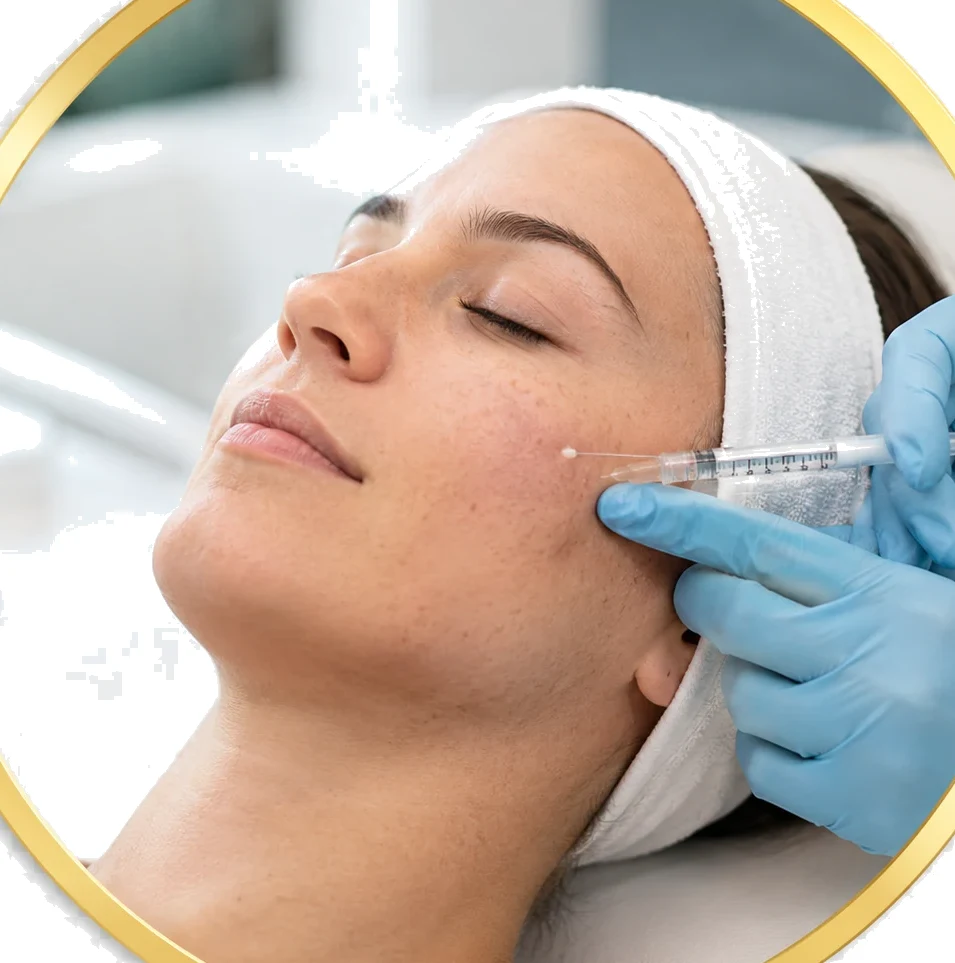
Polynucleotides typically deliver subtle hydration and a visible glow within the first two weeks, with firmer texture and softened fine lines building over a course of two to four sessions. The change is progressive, not instant. Full results usually settle between six and twelve weeks, and clinical trial data supports lasting improvement to several months. For the specifics on timing and area, read on.
TL;DR:
- Polynucleotides improve skin hydration, texture, and radiance mainly around the eyes, cheeks, and early photoaging, but do not add significant volume.
- Visible results peak between six and twelve weeks after treatment, with collagen synthesis and firmness stabilizing during this period.
- Up to four sessions are typically needed for optimal effects, with maintenance every six to twelve months depending on lifestyle factors like sun exposure and smoking.
- Side effects are usually mild, including redness and swelling that resolve within a week, but bruising and hyperpigmentation remain possible risks.
- Clinical evidence supports lasting improvements up to six months, especially in skin quality, but deep volume loss requires additional volumizing treatments.
Table of Contents
- What realistic before-and-after changes look like
- Polynucleotide results timeline: day one to six months
- Area-by-area outcomes: eyes, face, neck and décolletage
- How many sessions, and how long results last
- Risks, side effects, and aftercare that protect your results
- What the clinical evidence actually shows
- How we set realistic before-and-after expectations
- Book a polynucleotide consultation with Nexgen Clinic
- Sources
- FAQ
What realistic before-and-after changes look like
The honest answer sits between the dramatic transformations shown in some marketing galleries and the "it did nothing" scepticism you might read elsewhere. Polynucleotides work on two timescales at once. Straight after treatment, the skin plumps and hydrates because the injected gel draws in water and sits within the dermis. That effect is real, but it fades within days. The change that matters, structurally, builds over the following weeks as fibroblasts respond and begin producing new collagen.
Where polynucleotides perform best is skin quality, not skin volume. Crepey texture around the eyes, fine surface lines, dullness, and uneven tone tend to respond well. A systematic review of polynucleotide trials found consistent improvements in hydration, pore appearance, and wrinkle parameters across the studies it examined, including some split-face designs where polynucleotides outperformed hyaluronic acid on hydration and elasticity.
Considering treatment? Explore our Polynucleotide treatment in Cambridge — consultation-led regenerative care from our registered medical team at NexGen Clinic.
They are a poor fit for one specific problem: significant volume loss. If your main concern is hollow cheeks or a deflated midface, polynucleotides will not replace what a volumising filler does.
What tends to respond well:
- Fine lines and surface texture, particularly around the eyes and cheeks
- Dehydrated, dull-looking skin that has lost its natural sheen
- Early photodamage and mild crepiness
- Overall tone and radiance, often described as a "healthy glow" rather than a dramatic change
In clinical terms: a trial using an intradermal PN HPT protocol reported strong investigator and patient GAIS scores at six months, with a meaningful proportion of patients rated "Much Improved" or "Very Much Improved" on evenness, firmness, and radiance.
Polynucleotide results timeline: day one to six months
Setting the right expectations depends almost entirely on timing. Judge polynucleotide results too early and you will either be disappointed by swelling or fooled by temporary plumping.
- Day 0 to 3. Expect redness, small raised bumps at injection points, and mild swelling. This is normal and usually settles within 48 to 72 hours.
- Week 1 to 2. Initial puffiness resolves. Skin often looks slightly more hydrated as the product begins integrating into the dermis.
- Week 2 to 4. Early visible signs appear. Hydration improves noticeably and fine lines start to soften.
- Week 6 to 12. This is typically the peak window for visible change, once fibroblast activity has had time to build new collagen and elastin.
- Month 3 to 6. Refinement continues gradually. Firmness and radiance often reach their most stable, lasting state here, matching the six-month persistence reported in clinical trial data.
The key distinction is between the plumping you see in week one, which is mostly water, and the improvement you see from week six onward, which reflects genuine tissue change.
Pro Tip: If you are taking your own before-and-after photos, wait until at least the six-week mark before comparing against your baseline. Comparing day-three swelling to your starting point will only confuse what the treatment actually achieved.
Area-by-area outcomes: eyes, face, neck and décolletage
Results vary meaningfully depending on where polynucleotides are placed, and readers researching a specific concern deserve area-specific honesty rather than a blanket claim.
- Under-eyes. This is where polynucleotides earn their reputation. They improve skin quality and reduce crepey texture effectively, but they are not a substitute for volume fillers if deep hollowing or a tear-trough deficit is the primary issue. Combining approaches is common; our guide to polynucleotide under-eye treatment covers this in more depth.
- Cheeks and midface. Expect firmer, better-textured skin with a modest secondary plumping effect. It is a skin-quality treatment first, a volumising one only incidentally.
- Neck and décolletage. These areas respond more slowly because skin here is thinner and regenerates less readily. Cumulative gains across a course of sessions matter more here than anywhere else on the face.
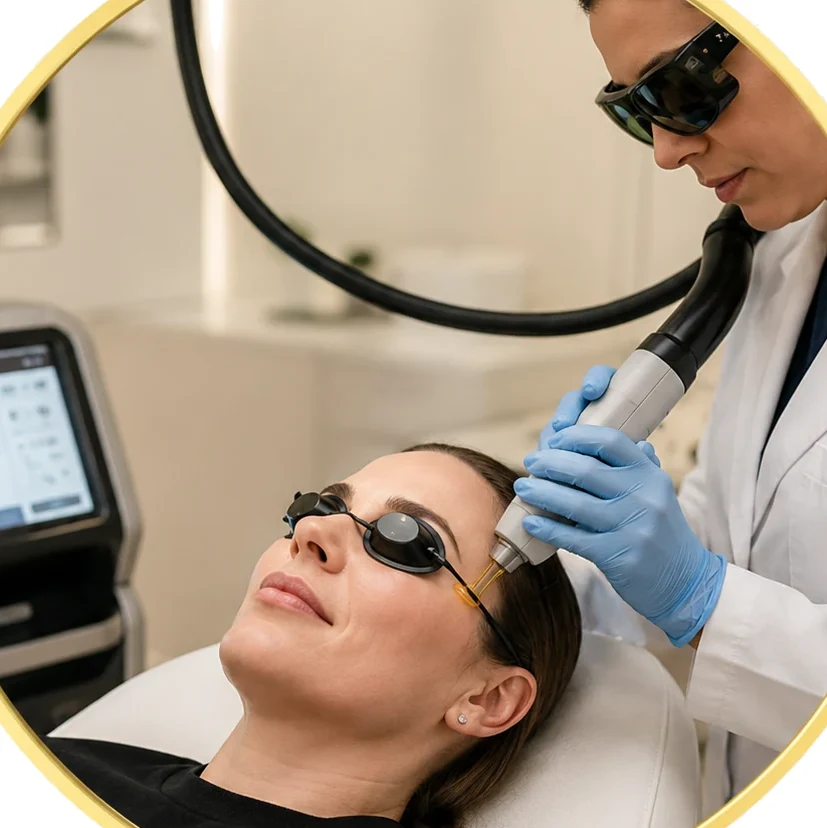
- Combination cases. Where deeper structural loss or pigmentary damage sits alongside poor skin quality, practitioners often recommend layering polynucleotides with laser resurfacing or PRP to close the gap.
How many sessions, and how long results last
Most protocols follow the same broad pattern, and it reflects how the treatment mechanism actually works rather than an arbitrary sales tactic.
- Induction phase: typically two to four sessions, spaced two to four weeks apart, to build a cumulative effect.
- Maintenance: commonly every six to twelve months, depending on your skin's baseline condition and how quickly you tend to show ageing changes.
- Longevity factors: sun exposure, smoking, existing photodamage, and how consistently you use supportive skincare all affect how long results hold.
A clinical guide to what happens after treatment notes that a course of three sessions generally gives better, longer-lasting results than a single treatment. That aligns with the mechanism: fibroblast stimulation needs repeated signalling to build meaningful collagen over time.
Risks, side effects, and aftercare that protect your results
Most reactions are mild and predictable. Redness, minor bruising, and tiny bumps at injection sites are common and usually resolve within a few days to a week.
Warning signs that need urgent review:
- Spreading redness or heat beyond the treated area
- Severe or worsening pain rather than mild tenderness
- Pus or discharge from an injection point
- Lumps that persist well beyond two to three weeks
Aftercare that actually affects your outcome:
- First 48 hours: avoid touching the treated area, skip strenuous exercise, and steer clear of alcohol
- First week: avoid saunas, sunbeds, and intense heat, which can worsen swelling
- Ongoing: daily SPF protects new collagen from UV degradation, and discussing any blood-thinning medication with your clinician beforehand reduces bruising risk
People with a tendency toward pigmentation should flag this before treatment, since post-inflammatory hyperpigmentation is a recognised, if uncommon, risk worth managing proactively. For a fuller breakdown of what can go wrong and how it is typically managed, see our dedicated page on polynucleotide side effects.
Pro Tip: Keep a simple written log of any bruising, swelling, or unusual sensation after each session. It sounds basic, but it is the single easiest way to tell your practitioner exactly how your skin responded, session by session.
What the clinical evidence actually shows
A randomised split-face trial found topical PDRN produced a notable improvement in dermal thickness and density compared with matched retinol over about one month, with Raman spectroscopy confirming the active ingredient reached viable skin layers rather than sitting on the surface.
That finding, from a peer-reviewed split-face study, matters because it demonstrates delivery, not just claimed benefit. Mechanistically, polynucleotides work through two pathways: modulating the adenosine A2A receptor to reduce inflammation, and supplying nucleotide building blocks through what researchers call the salvage pathway, which supports collagen and extracellular matrix synthesis, according to a molecular review of PN and PDRN action.
Reviewers are candid that the evidence base, while promising, still relies on relatively small studies with varied protocols. Larger, standardised trials would strengthen confidence further. Treatment planning draws on this evidence base alongside AI-assisted skin analysis, with clinical guidance authored under expert oversight, giving patients outcome expectations grounded in published data rather than gallery photos alone.
How we set realistic before-and-after expectations
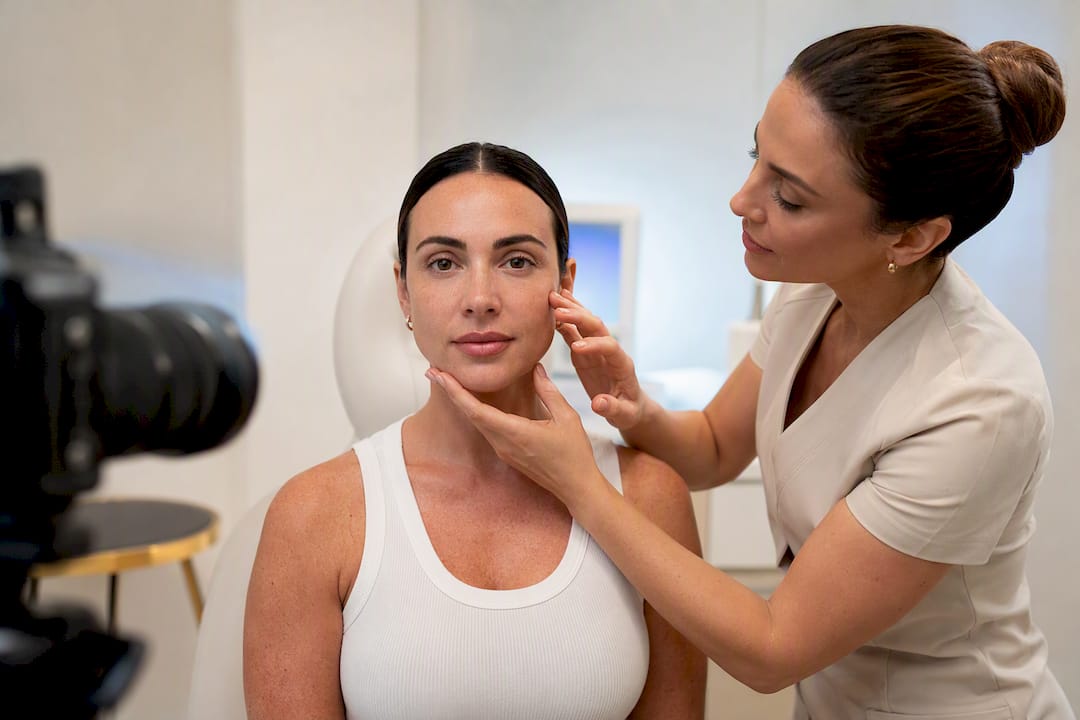
Every consultation starts with a proper skin assessment and a standardised photo, taken under consistent lighting so later comparisons are meaningful rather than misleading. Our AI skin analysis helps map your specific concerns and estimate how many sessions your skin is likely to need. Book a consultation and we will talk you through what your own before-and-after picture will probably look like.
Book a polynucleotide consultation with Nexgen Clinic
This clinic offers skin booster programmes that are tailored to the actual skin condition rather than generic packages. Assessments typically use AI-driven skin analysis alongside standardised before-and-after photography, so treatment plans reflect the skin's condition rather than a one-size protocol.
A consultation at Nexgen Clinic includes a full skin assessment, an honest discussion of how many sessions your skin realistically needs, and transparent pricing before you commit to anything. If skin quality and hydration are your priority, our skin booster programme is the natural starting point, and readers considering a broader rejuvenation plan can review our Signature Packages for a curated, multi-treatment approach. Book your consultation through the full treatments overview to get a personalised session plan rather than a guess.
Sources
- Systematic review on polynucleotides effectiveness in aesthetic medicine
- From PDRNs to PNs: molecular insights and clinical applications
- PDRN topical delivery and periocular improvements (randomised split-face study)
FAQ
Are polynucleotides worth it, judging by before and after results?
For skin quality concerns such as hydration, texture, and fine lines, clinical data showing sustained GAIS improvements to six months supports genuine, lasting benefit, though results build gradually across a course rather than appearing after one session.
Are polynucleotides good for older or more photodamaged skin?
Yes, older skin with visible photodamage often shows a clearer before-and-after contrast because there is more textural and hydration deficit to improve, though very deep static wrinkles or significant volume loss need additional treatments alongside polynucleotides.
What are the downsides of using polynucleotides?
The main downsides are temporary bruising and swelling in the days after treatment, the need for multiple sessions before seeing full results, and a small risk of post-inflammatory pigmentation in those prone to it.
How many sessions of polynucleotides do you need?
Most protocols use two to four sessions spaced two to four weeks apart, with maintenance treatments roughly every six to twelve months depending on your skin and lifestyle factors.
Recommended
- Polynucleotides in Cambridge | Regenerative Skin Treatment
- Polynucleotides Cambridge - Aesthetic Treatments Explained
- Polynucleotides side effects: what patients need to know
- Polynucleotide under eyes: a regenerative guide
Ready to explore your options?
Speak with a NexGen clinician for a personalised consultation. We’ll listen, assess, and recommend the safest and most effective route — always led by evidence, always tailored to you.
Book a consultation or get in touch with our Cambridge team.