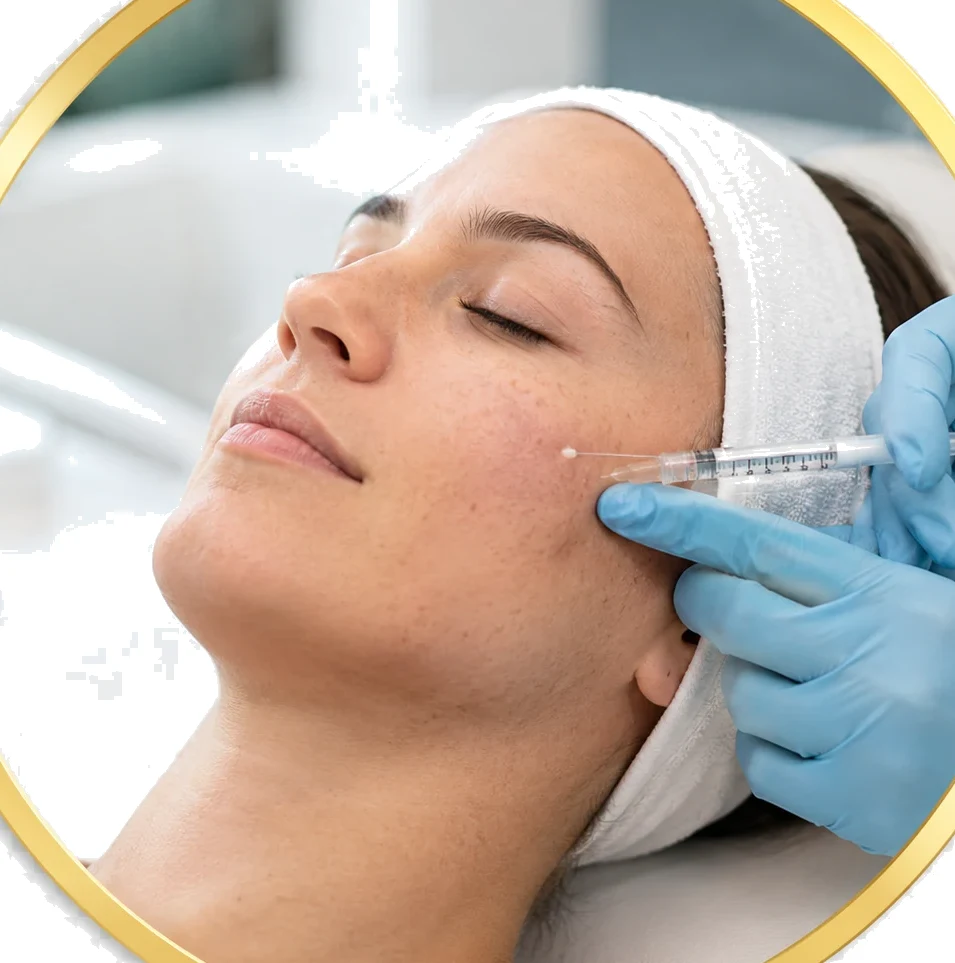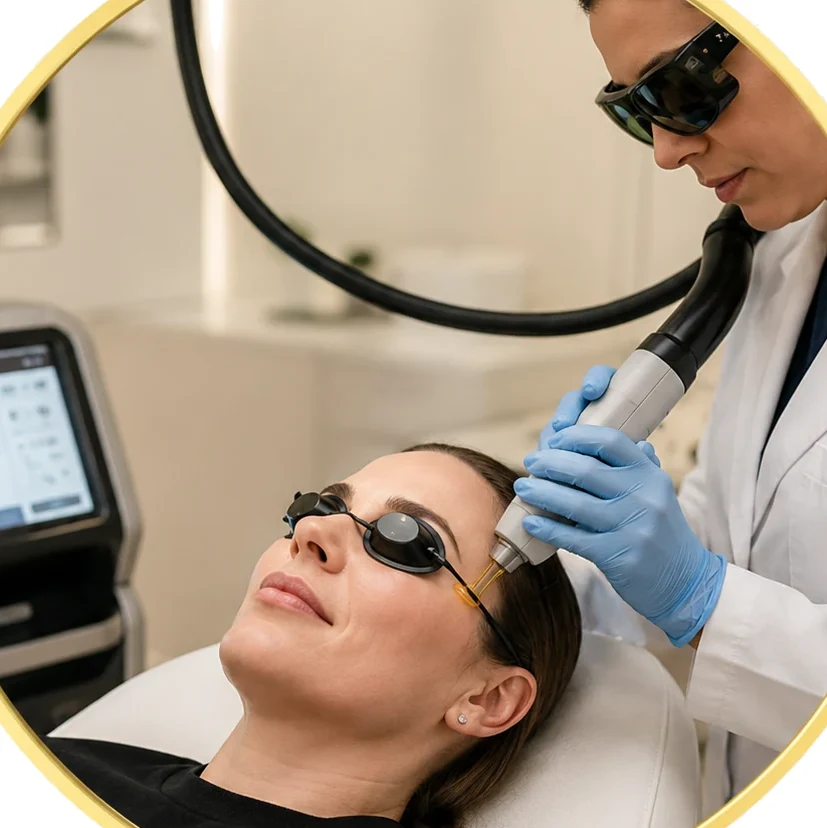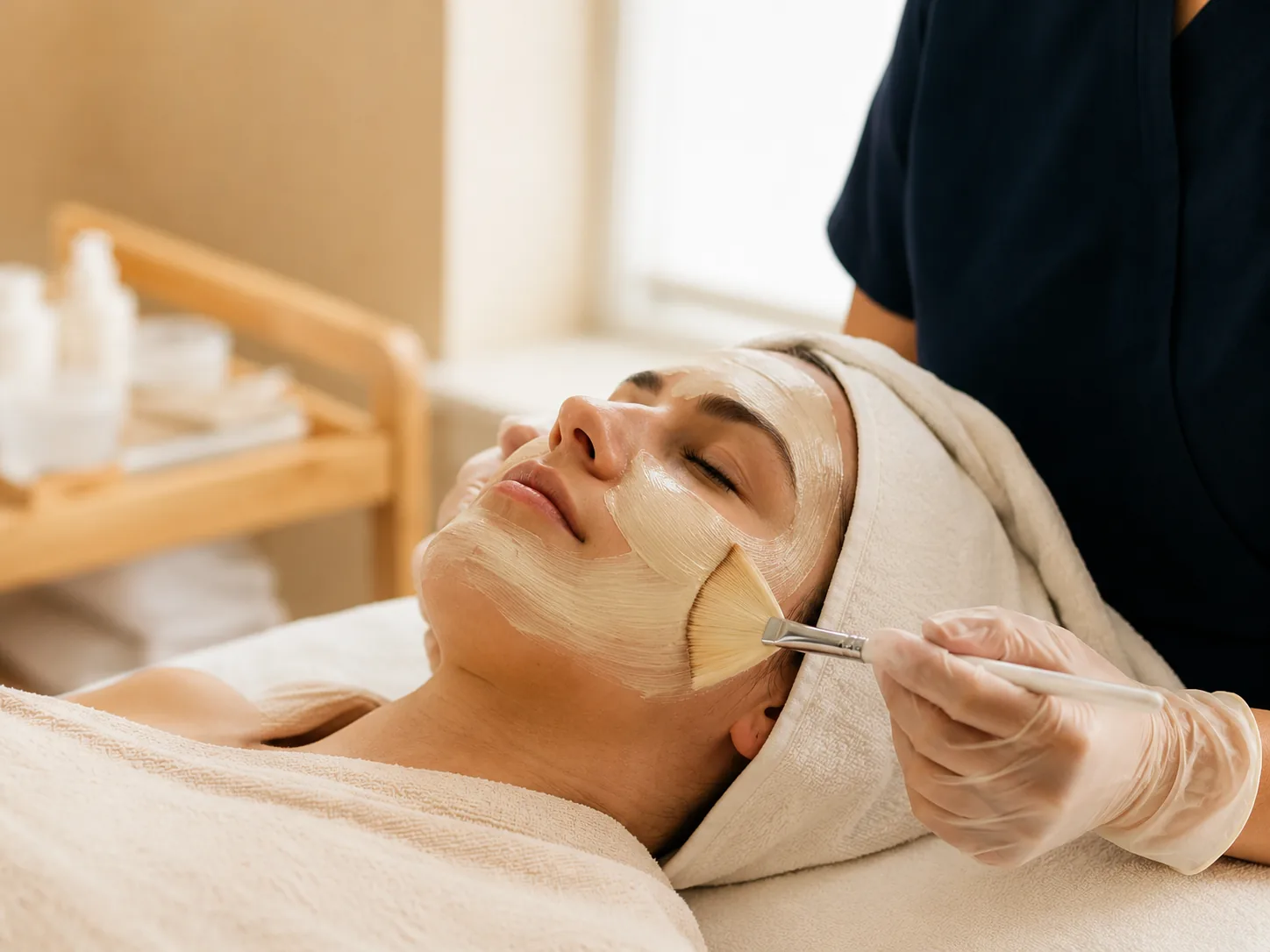

Daily sunscreen and sensible skincare slow neck lines, while clinician-led options such as anti-wrinkle injections for platysmal bands, fillers and skin boosters (Profhilo, polynucleotides) for horizontal lines and skin quality, and energy-based devices for laxity and texture can soften them. A tailored, often combined plan usually gives the most natural-looking result. A consultation comes first, to confirm what suits your skin and the safest order of treatments.
TL;DR:
- Horizontal creases may need skin boosters or polynucleotides plus small amounts of filler, while platysmal bands usually respond to botulinum toxin.
- For laxity or crepey texture without strong muscle bands, clinicians may favor radiofrequency, microneedling, laser, or HIFU; expect gradual, usually modest improvement.
- Botulinum toxin begins working within 4–14 days and typically lasts 3–6 months; bruising and swelling are common, so avoid booking shortly before important events.
- For neck retinoids, start with a low strength two or three nights weekly, increase gradually, and use sunscreen each morning because the skin is sensitive.
- Choose a clinician experienced with neck treatments who assesses your skin, medical history, and goals, explains emergency protocols, and avoids pressure to book the same day.
Table of Contents
- What causes neck lines, and why does it matter for treatment?
- What can you do at home to prevent and soften neck lines?
- Which professional non-surgical treatments are available?
- How do anti-wrinkle injections, fillers and skin boosters work on the neck?
- What do lasers, radiofrequency, HIFU and microneedling do for neck lines?
- Why do clinicians combine treatments, and in what order?
- How do you choose a clinician, and what does the law say?
- What is the typical timeline, downtime and aftercare?
- How do we assess neck anatomy and skin type before treatment?
- Are horizontal lines, vertical lines and platysmal bands treated differently?
- How much do neck line treatments cost?
- What results can you realistically expect, and how long do they last?
- Clinic perspective: why we begin with a consultation, not a product
- How can NEXGEN Clinic help with your neck lines?
- FAQ
- Sources
What causes neck lines, and why does it matter for treatment?
Neck lines have more than one cause, which is why no single product or procedure suits everyone. Understanding the mechanism helps you see why we choose different tools for different lines.
- Intrinsic ageing: skin loses collagen and elastin over time, and the dermis thins and contracts. The Best Practice Statement on ageing skin links this dermal atrophy to visible folds and a loss of structural integrity.
- Sun exposure: chronic ultraviolet exposure is a major accelerator of skin ageing. The same document describes fewer feeding capillaries and weaker repair mechanisms in sun-damaged skin.
- Smoking: it impairs healing and skin integrity, so it compounds the effects of sun and age.
- Repetitive creasing: looking down at a phone or laptop for hours folds the same bands of skin again and again. This is the pattern often called tech neck.
Anatomy adds another layer. Neck skin is thin and highly mobile, and it has fewer oil glands than the face, so it tends to show wear early. The platysma, a thin sheet of muscle running from the jaw to the collarbone, can form visible vertical bands as it tightens with age. A horizontal crease, a vertical band and general crepey texture respond to different treatments, so the first job in any plan is working out which of them you have.
What can you do at home to prevent and soften neck lines?
Home care will not erase an established crease, but it slows progression and can modestly improve texture. It is also the foundation that makes professional treatment last longer.
- Sunscreen every day: broad-spectrum protection is the single most important preventive step, as the Best Practice Statement sets out. Apply it to the front and sides of the neck and the upper chest, not just the face, and reapply if you are outdoors.
- Moisturise regularly: an emollient moisturiser supports the skin barrier and hydration. Creams tend to suit dry neck skin better than light lotions, and applying to slightly damp skin helps.
- Retinoids or retinal: these have the longest track record among topical actives for skin texture. Neck skin is more sensitive than facial skin, so start with a low strength two or three nights a week and build up gradually.
- Peptides and vitamin C: useful supporting ingredients, with realistic benefits measured over weeks rather than days. Our guide to peptides in skincare explains what to expect and how long to wait.
- Avoid common mistakes: over-exfoliating, scrubbing and aggressive home devices can inflame thin skin and make lines look worse.
Pro Tip: Apply your face products downwards from the jaw to the collarbone rather than stopping at the chin. It takes a few extra seconds and covers the area most people forget.
If a month or two of consistent care has not changed what you see, a medical-grade product or a clinician-prescribed topical may be worth discussing at a consultation. We would rather tell you honestly that a cream has reached its limit than let you spend months on products that cannot do more.
Which professional non-surgical treatments are available?
Clinic treatments fall into groups, each aimed at a different feature of the neck. Knowing the map helps you follow a consultation and ask better questions.
- Botulinum toxin (anti-wrinkle injections): relaxes the platysma, so it suits vertical bands and some downward pull on the lower face.
- Dermal fillers: hyaluronic acid placed in small amounts to soften etched horizontal creases. The neck calls for a conservative approach.
- Skin boosters (Profhilo, polynucleotides): improve hydration, quality and elasticity across the whole area rather than filling a single line.
- Biostimulators such as calcium hydroxylapatite (CaHA) and poly-L-lactic acid (PLLA): encourage the skin to build its own collagen over time.
- Microneedling and radiofrequency microneedling: create controlled micro-injuries that prompt collagen remodelling and tightening.
- Energy devices (laser, radiofrequency, HIFU): address texture, laxity and surface lines through heat or focused energy.
- PDO threads: used selectively for support and skin quality in suitable candidates.
The neck is less forgiving than the face. Its skin is thin, so a poorly judged filler can look lumpy, and an overly aggressive laser setting can scar. That is why we plan conservatively.
Most people end up on a staged, combined plan rather than a single procedure. A systematic review of combining biostimulators with toxin, fillers and energy devices describes this shift toward minimally invasive combinations, and consensus recommendations cover timing and sequencing for the neck and décolletage. The regulatory landscape is also evolving: the government's consultation on licensing non-surgical cosmetic procedures discusses hybrid devices, thread lifts and other modalities.
How do anti-wrinkle injections, fillers and skin boosters work on the neck?
Anti-wrinkle injections reduce the pull of the platysmal bands. Patient information from a teaching hospital leaflet on botulinum toxin A describes onset at 4–7 days, a full effect by about 14 days and a typical duration of 3–6 months. Studies of the Nefertiti technique, which treats the platysmal bands and the lower jaw line, report clear improvement in selected patients. Bruising and swelling are the usual side effects.
Dermal fillers can soften a deep horizontal crease, but only in very small, carefully placed amounts. Risks include surface irregularity and, rarely, vascular complications, so your practitioner should be trained in corrective protocols and emergencies.
Skin boosters and polynucleotides work differently. Profhilo and polynucleotides aim to improve hydration, texture and the skin's own collagen activity over a course of sessions, which suits crepey neck skin well. Improvement builds over weeks, and maintenance sessions keep it going.
- Aftercare: avoid pressing or massaging the area unless advised, skip strenuous exercise for a few days and follow your clinic's instructions.
- Urgent signs: seek immediate emergency care if you experience severe pain, blanching or a dusky colour change in the skin, or trouble breathing or swallowing.
A systematic review of abobotulinumtoxinA in the neck and lower face found:
Positive efficacy findings and high patient satisfaction across the included studies, with no serious adverse events reported in the reviewed literature.
That is encouraging, though it reflects reviewed studies rather than a guarantee for any individual. Our own guide to botox aftercare covers the first days in more detail.
What do lasers, radiofrequency, HIFU and microneedling do for neck lines?
Device-based treatments suit skin texture and laxity more than deep creases. The clinical literature on nonsurgical neck rejuvenation documents lasers, radiofrequency and microneedling among the options, with benefits alongside procedure-specific risks.
- Fractional laser resurfacing: improves texture and superficial lines. Ablative settings carry a scarring risk on the neck, so protocols are conservative.
- Radiofrequency and RF microneedling: use heat to prompt collagen remodelling and gentle tightening. A course of sessions is typical, with a few days of redness or mild swelling.
- HIFU: delivers focused energy to deeper layers for lifting, rather than smoothing the surface.
- Choosing devices over injectables: a clinician may favour them when laxity or texture is the main issue and no strong muscle bands are present.
Expect redness, tenderness and temporary swelling. Improvement is gradual and usually modest compared with what people imagine, which is why devices are often one part of a combined plan.
Why do clinicians combine treatments, and in what order?
Different tools target different mechanisms: muscle activity, volume loss, collagen production and surface texture. A single treatment rarely addresses every factor, which is why the systematic review and the consensus recommendations both favour tailored combinations.
A common sequence looks like this:
- Botulinum toxin first, to settle active platysmal bands.
- Skin boosters, biostimulators or small-volume fillers a couple of weeks later, to address creases and skin quality.
- Energy-based treatment after that, to refine texture and firmness, with sensible gaps between sessions.
Pro Tip: Tell your clinician about every treatment you have had, including at other clinics. Timing and skin type shape the safe order more than any fixed formula.
How do you choose a clinician, and what does the law say?
A good consultation should feel unhurried and thorough. Use this checklist:
- Ask about the practitioner's qualifications and experience with neck treatments specifically.
- Expect a proper assessment of your skin, health history and goals, with consent documented.
- Ask what happens if something goes wrong, and whether emergency protocols are in place.
- Look at genuine before and after photographs, and ask for honest talk about maintenance and cost.
On the legal side, the Botulinum Toxin and Cosmetic Fillers (Children) Act 2021 makes it a criminal offence in England to administer these treatments to anyone under 18 for cosmetic purposes. The NHS advice on whether a cosmetic procedure is right for you tells patients not to rush, to research risks and costs, and to expect a consultation-led process.
Walk away from high-pressure sales, same-day booking pushes, spot offers without any assessment, or treatment in unsuitable venues, concerns echoed in local authority guidance on fillers.
What is the typical timeline, downtime and aftercare?
Timelines differ by treatment, so plan around the one you choose.
- Anti-wrinkle injections: effects begin within 4–14 days and typically last 3–6 months, according to clinical patient information.
- Fillers: the effect is visible at once and settles over a few weeks.
- Skin boosters and biostimulators: collagen-related improvement builds over weeks to months.
- Downtime: bruising and swelling are common, so avoid booking treatment just before a major event.
Practitioner-level information from a specialist NHS service notes that bruising, swelling and transient discomfort are common with injectables.
- Cool the area gently if swollen, and avoid strenuous exercise for a few days.
- Follow your clinic's written aftercare instructions.
- Contact the clinic promptly if you notice severe pain, colour change or spreading redness.
How do we assess neck anatomy and skin type before treatment?
No two necks are the same, and a thorough assessment shapes everything that follows. We start by looking at the neck at rest and in movement: tilting the head, tensing the platysma and looking down, because lines and bands often appear only in certain positions.
We note how thick or thin the skin is, how much volume has been lost, whether there are visible bands, and whether the skin looks crepey, lax or etched with creases. Sun damage, pigmentation and redness matter too, as do skin type and tendency to scarring or pigmentation changes after treatment. Deeper skin tones, for example, call for extra care with heat-based devices.
Your history is just as important. Medications, previous treatments, pregnancy or breastfeeding plans, and any history of cold sores or keloid scarring can all change what is suitable. We also look at the jawline, chin and lower face together, because neck ageing rarely occurs in isolation and a plan that ignores the surrounding area can look unbalanced.
Finally, we discuss what bothers you most and what you want to achieve. A neck that is mostly lax needs a different plan from one with a single deep crease, and being honest about priorities keeps treatment proportionate and avoids unnecessary procedures.
Are horizontal lines, vertical lines and platysmal bands treated differently?
Yes. Naming the type of line is the first step toward choosing the right tool.
Horizontal neck lines, sometimes called necklace lines, are creases that run across the neck. Deeper ones are partly etched into the skin and partly caused by repeated folding, which includes the tech neck pattern. We often combine skin boosters or polynucleotides to improve overall quality with small-volume filler for the deepest lines, and sometimes a toxin to reduce the muscle activity that deepens them. Our guide to tech neck lines and treatment covers posture and device habits that contribute.
Vertical lines and platysmal bands are driven mainly by the platysma muscle. Anti-wrinkle injections are the usual first choice here, because relaxing the muscle reduces the visible cords, as studies of neck toxin techniques describe.
General crepey texture and laxity respond best to collagen-focused approaches: skin boosters, microneedling, radiofrequency and, where suitable, laser or HIFU.
Most necks show a mix of these. The plan then layers treatments, addressing the dominant feature first and refining afterwards.
How much do neck line treatments cost?
Prices depend on the treatment, the amount used and the number of sessions, and a firm quote follows your consultation. These are the figures we currently publish for relevant treatments at our Cambridge clinic:
| Treatment | Published starting price |
|---|---|
| Dermal fillers | from £180 |
| Polynucleotides | from £180 per session |
| Profhilo | from £250 per session |
| PDO threads | from £350 |
For current pricing details on anti-wrinkle injections, microneedling, laser treatments and skin boosters, see our website. Many people also ask about maintenance. Toxin typically needs repeating every few months, while skin boosters and polynucleotides are usually given as a short course with periodic top-ups, so the total depends on your goals. We explain the likely ongoing cost at your consultation, so there are no surprises. If you are comparing an anti-wrinkle membership with paying per visit, ask us how each would work for you.
What results can you realistically expect, and how long do they last?
Honest expectations matter more than any single product. Non-surgical treatment can soften neck lines and improve texture. It does not replicate surgery, and a deeply etched crease may improve rather than vanish.
- Anti-wrinkle injections: visible softening of platysmal bands, typically lasting 3–6 months before repeat treatment.
- Fillers: an immediate softening of selected creases, with longevity varying by product and area.
- Skin boosters and polynucleotides: gradual gains in hydration, smoothness and quality, maintained with top-up sessions.
- Biostimulators, microneedling and RF: subtle, progressive improvement as collagen builds, usually over a course.
- Lasers and HIFU: moderate improvement in texture or lift, with results depending on the device and your skin.
- PDO threads: modest support and skin quality improvement in suitable candidates.
The evidence on combinations is promising but varied. The systematic review describes heterogeneous study methods, which is a reminder that results differ between people and that professional judgement matters. Lifestyle counts as well: daily sunscreen, not smoking and reducing prolonged head-down posture all help your results last. If someone promises dramatic, permanent change from one session, treat that as a red flag.
Clinic perspective: why we begin with a consultation, not a product
Neck lines are rarely a one-treatment problem, and we think the industry sometimes oversells quick fixes. Our approach starts with your skin health, facial harmony and long-term goals before we recommend anything. For most people that means a staged, conservative plan, with each step judged on how your skin responds, rather than a bundle of treatments in one afternoon. Your preferences shape the plan as much as our assessment does, and we would rather do less and get it right. That is the thinking behind our clinical guides, from posture to aftercare.
— Ms Sandra Petraskaite
How can NEXGEN Clinic help with your neck lines?
At our Cambridge clinic we offer consultation-led programmes built around your neck, including skin boosters, Profhilo, polynucleotides, anti-wrinkle injections and other options on our treatments page. Every plan starts with an assessment, clear consent and written aftercare, so you know what to expect before you commit. Book a consultation and we will map out a conservative, natural-looking plan for your neck.
This article is general information, not a substitute for advice from a qualified doctor. Consult a qualified healthcare professional about your own circumstances before acting on anything here.
FAQ
Is there a natural way to get rid of neck lines?
There is no natural method that removes established neck lines, but daily sunscreen, moisturiser and avoiding smoking slow new ones forming. These steps protect collagen and keep skin hydrated, as the Best Practice Statement on ageing skin explains. Deeper lines usually need a clinician-led treatment to soften them.
Do neck exercises really work?
We are not aware of strong evidence that exercises erase neck lines, so we would not rely on them. Improving posture and taking breaks from looking down at screens may reduce repetitive creasing. For lines already etched into the skin, professional treatment is more reliable.
Can I use retinol on my neck?
Yes, many people can, but neck skin is thinner and more sensitive than facial skin. Start with a low strength two or three nights a week, always use sunscreen in the morning and stop if irritation persists. If you are pregnant or breastfeeding, check with a clinician first.
What are tech neck lines?
Tech neck lines are horizontal creases that form when the neck is repeatedly bent to look at phones, tablets or laptops. The same folds repeat day after day until the skin starts to hold them. Posture changes, daily skincare and treatments such as skin boosters or small-volume filler can help soften them.
Sources
- Best Practice Statement
- Is a cosmetic procedure right for me? - NHS
- A Systematic Review on the Effectiveness and Safety of Combining Biostimulators with Botulinum Toxin, Dermal Fillers, and Energy-Based Devices
- Nonsurgical Rejuvenation of the Neck
Recommended
Ready to explore your options?
Speak with a NexGen clinician for a personalised consultation. We’ll listen, assess, and recommend the safest and most effective route — always led by evidence, always tailored to you.
Book a consultation or get in touch with our Cambridge team.