
Introduction
In the world of aesthetics, achieving youthful, radiant skin often leads individuals to consider various treatment options. Among these, polynucleotides and skin boosters have garnered significant attention. Both treatments aim to enhance skin quality, but they employ different techniques and ingredients. Understanding their unique properties can help you make an informed choice about which treatment may suit your needs.
If you’re considering either of these treatments, book a consultation to discuss your options with our experienced practitioners at NexGen Clinic.
Considering treatment? Explore our Polynucleotide treatment in Cambridge — consultation-led regenerative care from our registered medical team at NexGen Clinic.
What are Polynucleotides?
Polynucleotides are naturally occurring biomolecules composed of nucleotide chains. They play a vital role in cellular processes, including repair and regeneration. In aesthetic treatments, polynucleotides are used to stimulate collagen production and promote skin rejuvenation.
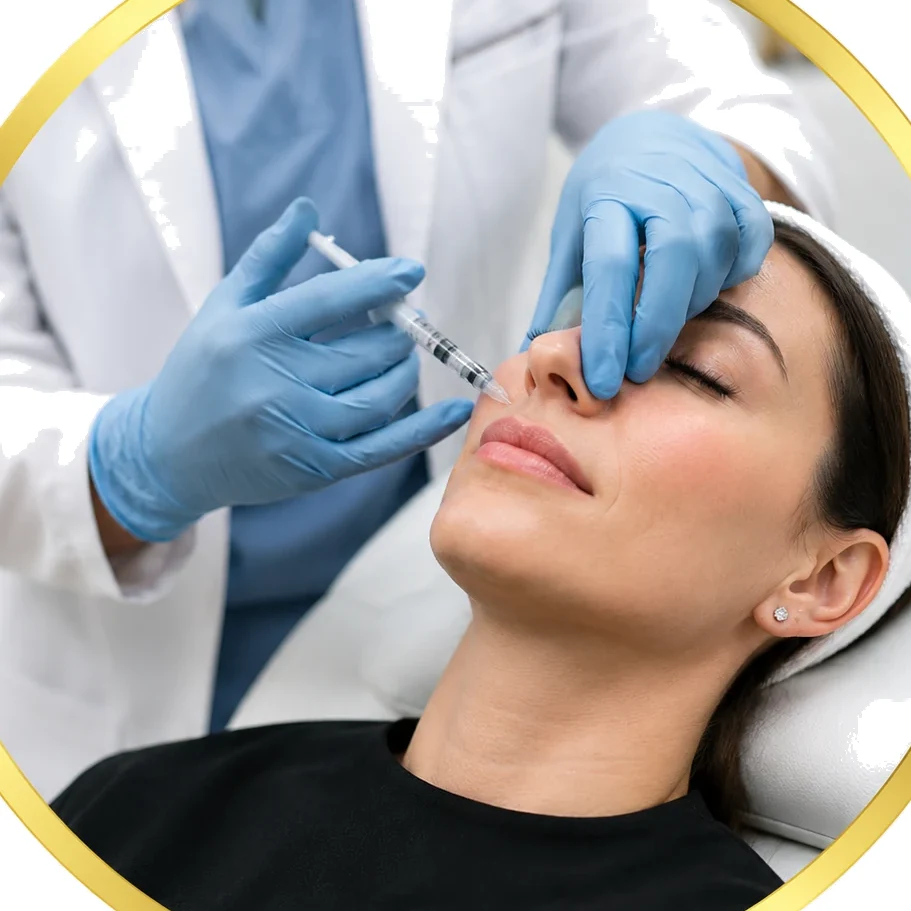
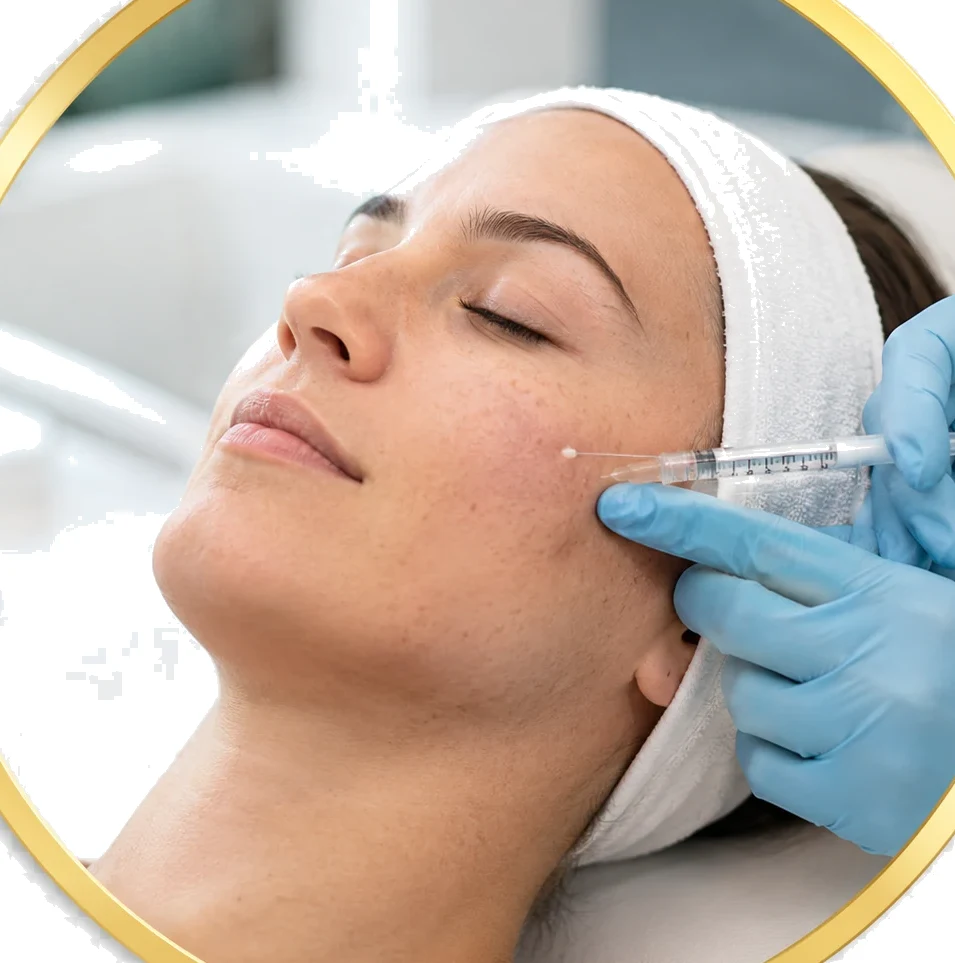
The application of polynucleotides in skincare typically involves injecting these substances into the dermis, where they can help improve skin elasticity, hydration, and overall texture. These treatments are often recommended for patients seeking to address signs of ageing, such as fine lines and loss of volume.
What to Expect with Polynucleotides
- Initial assessment by a qualified practitioner
- Potential mild discomfort during the procedure
- Immediate and progressive improvement in skin appearance
- Results can last several months, depending on individual factors
What are Skin Boosters?
Skin boosters are a type of injectable treatment designed to improve skin hydration, elasticity, and overall quality. They generally consist of a combination of hyaluronic acid and other nutrients that enhance skin health from within.
What to Expect with Skin Boosters
- Comprehensive pre-treatment consultation
- Minimal downtime; patients can usually resume normal activities shortly after
- Subtle, natural-looking results that improve over time
- Treatment effects may last between six months to a year, depending on individual skin type and conditions
Polynucleotides vs Skin Boosters: A Comparison
| Characteristic | Polynucleotides | Skin Boosters |
|---|---|---|
| Ingredients | Natural biomolecules | Hyaluronic acid & nutrients |
| Primary Benefit | Stimulates collagen production | Enhances hydration and elasticity |
| Injection Depth | Deeper into the dermis | Superficial layers |
| Longevity | Several months | 6 months to 1 year |
| Discomfort Level | Mild | Minimal |
Who These Treatments May Suit
Both treatments appeal to different demographics, primarily based on skin conditions, age, and individual aesthetic goals. Polynucleotides may be particularly suitable for individuals experiencing significant skin laxity or those with more advanced signs of ageing. Conversely, skin boosters are often recommended for younger patients seeking preventative measures or those who desire a quick refresh without substantial downtime.
Ultimately, a personalised consultation is crucial for determining which treatment aligns best with your skin goals. At NexGen Clinic, our experts will consider your unique skin type and concerns to recommend the most effective option tailored to you.
Cost Considerations in London
The cost of polynucleotides and skin boosters in London can vary significantly based on the clinic, practitioner experience, and specific products used. On average:
- Polynucleotides may range from £300 to £600 for a single session.
- Skin boosters typically cost between £250 to £500 per treatment.
It is essential to discuss these costs during your consultation to gain clarity on what is included and any recommendations for a comprehensive treatment plan. If you are interested in the specific costs at NexGen Clinic, feel free to speak to the clinic for more details.
Aftercare Considerations
Aftercare is vital for optimising results from both polynucleotides and skin boosters. Following treatment, you may experience minor swelling or redness at the injection sites, which typically resolves within a few hours to days.
It is advisable to avoid excessive sun exposure, rigorous exercise, or skincare products containing active ingredients for at least 24 hours post-treatment. Our practitioners at NexGen Clinic will provide specific aftercare instructions tailored to your treatment and individual needs.
When to Book a Consultation
The ideal time to schedule a consultation is when you notice early signs of ageing or if you are planning an event and wish to achieve a refreshed appearance. Additionally, it’s beneficial to discuss treatment options several weeks prior to any significant occasion so that any necessary preparations or follow-up appointments can be arranged.
Ready to explore your options? Book a consultation today and take the first step towards revitalising your skin.
Conclusion
In conclusion, both polynucleotides and skin boosters offer unique benefits and are part of an expanding array of aesthetic treatments available today. Understanding their differences, benefits, and costs can empower you to make an informed decision that aligns with your dermatological needs.
At NexGen Clinic, we are dedicated to helping you achieve your skincare goals through expert-led consultations and personalised treatment plans. Explore our aesthetic treatments to learn more about what we can offer.