
The single most important thing you can do after any skin procedure is follow a barrier-first routine: gentle cleansing, a hydrating barrier-support moisturiser, broad-spectrum SPF once the skin is intact, and a strict pause on all active ingredients and heat exposure. This applies whether you have had laser resurfacing, a chemical peel, microneedling, dermal fillers, or any energy-based treatment. The IAPAM expert consensus confirms that post-treatment skincare is not one-size-fits-all — procedure type and timing determine what is safe.
Immediate do's and don'ts:
- Do: cool the area gently if advised, apply a plain occlusive or barrier cream, keep the skin clean with lukewarm water and a fragrance-free cleanser.
- Don't: apply retinoids, acids, or vitamin C serums; use saunas, steam rooms, or exercise heavily; pick at crusts or apply makeup for at least 48 hours.
Red flag: If you experience spreading redness, fever, purulent discharge, or sudden severe swelling, contact your clinic immediately or call NHS 111.
Pro Tip: Save your clinic's aftercare contact number in your phone before you leave your appointment — you are far less likely to delay seeking advice when the number is already to hand.
Table of Contents
- Which treatments need post-procedure skincare?
- What should you do in the first 48 hours after a procedure?
- How does recovery progress from day 3 to week 12?
- Which ingredients and products are safe for recovery?
- Why does sun protection matter so much after a procedure?
- Aftercare for darker skin tones and pigment risk
- What are the red flags after a skin procedure?
- How does clinician-led aftercare work at Nexgen Clinic?
- Key takeaways
- Why structured aftercare changes outcomes
- Nexgen Clinic's aftercare support for your recovery
- Useful sources
- FAQ
Which treatments need post-procedure skincare?
Not every procedure disrupts the skin barrier equally, but most aesthetic and dermatological treatments require some degree of structured aftercare. Understanding which category your treatment falls into helps you prioritise the right steps.
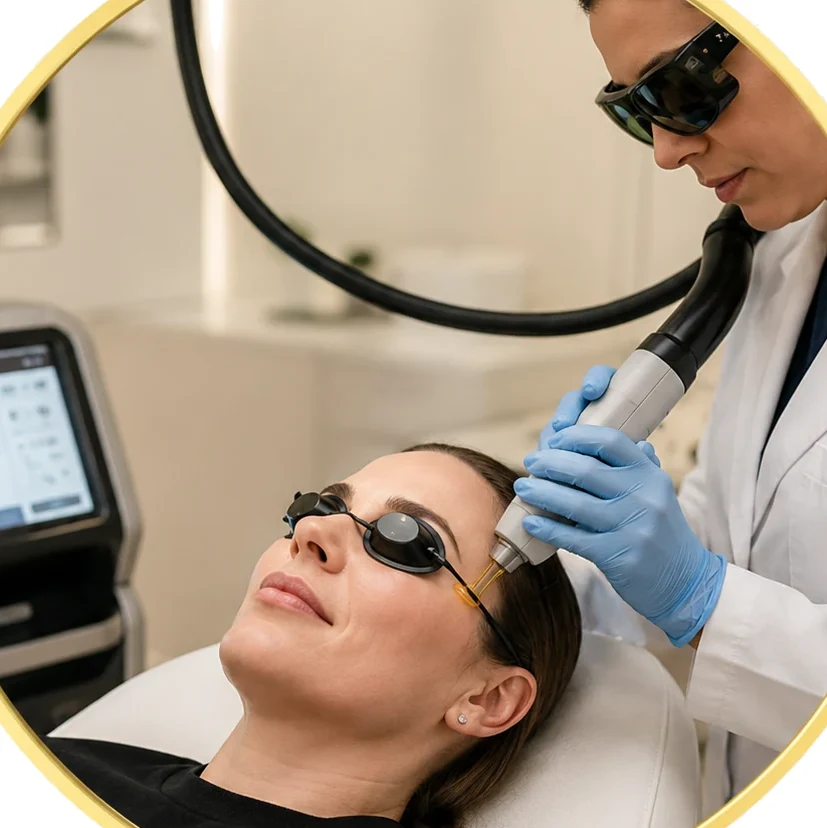
- Ablative laser resurfacing (CO₂, Er:YAG): removes the outer skin layers entirely, creating an open wound that needs occlusion, strict infection prevention, and prolonged sun avoidance.
- Non-ablative lasers and IPL: cause thermal injury beneath the surface with minimal visible wounding, but still trigger photosensitivity and inflammation.
- Chemical peels (superficial to deep): disrupt the stratum corneum to varying degrees; deeper peels behave similarly to ablative laser in terms of barrier loss.
- Microneedling: creates micro-channels that temporarily compromise the barrier, increasing absorption of both beneficial and harmful ingredients.
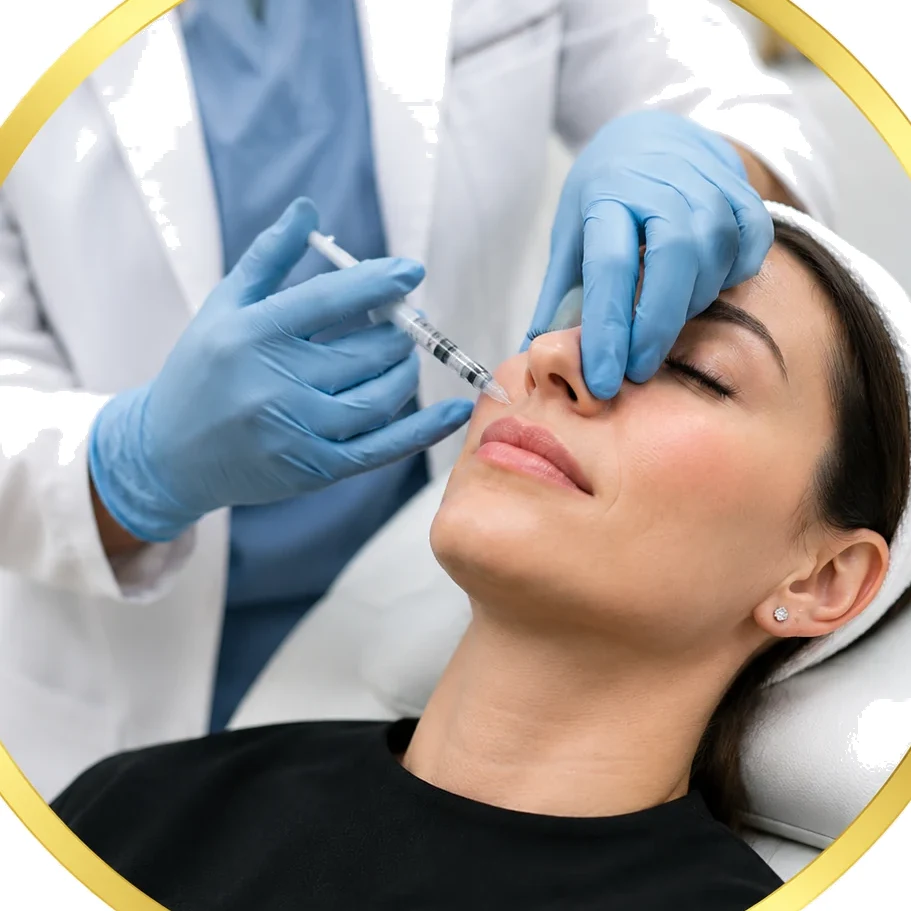
- Dermal fillers and injectables: minimal barrier disruption, but injection sites are vulnerable to infection and bruising; gentle handling is critical in the first 48 hours. See skin booster aftercare for injectable-specific guidance.
- Skin surgery and lesion removal: creates a genuine wound requiring wound-care principles, dressing management, and scar support.
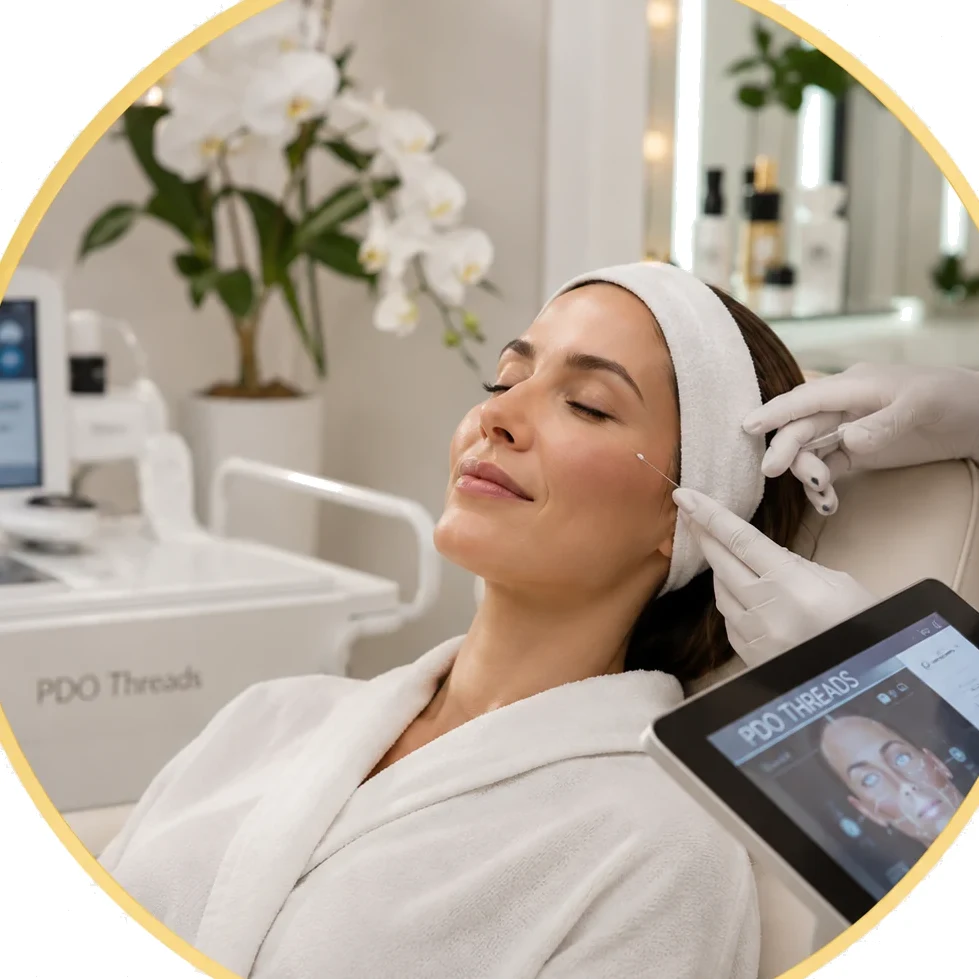
- Energy-based devices (radiofrequency, HIFU, cryotherapy): thermal effects without surface wounding, but heat sensitivity and inflammation still require a simplified routine.
The common thread across all categories is photosensitivity and a temporarily compromised barrier. The more the surface is disrupted, the longer the recovery window and the more conservative your product choices need to be.
What should you do in the first 48 hours after a procedure?
The first two days set the trajectory for your recovery. Keep the routine minimal and protective.
Hours 0–24:
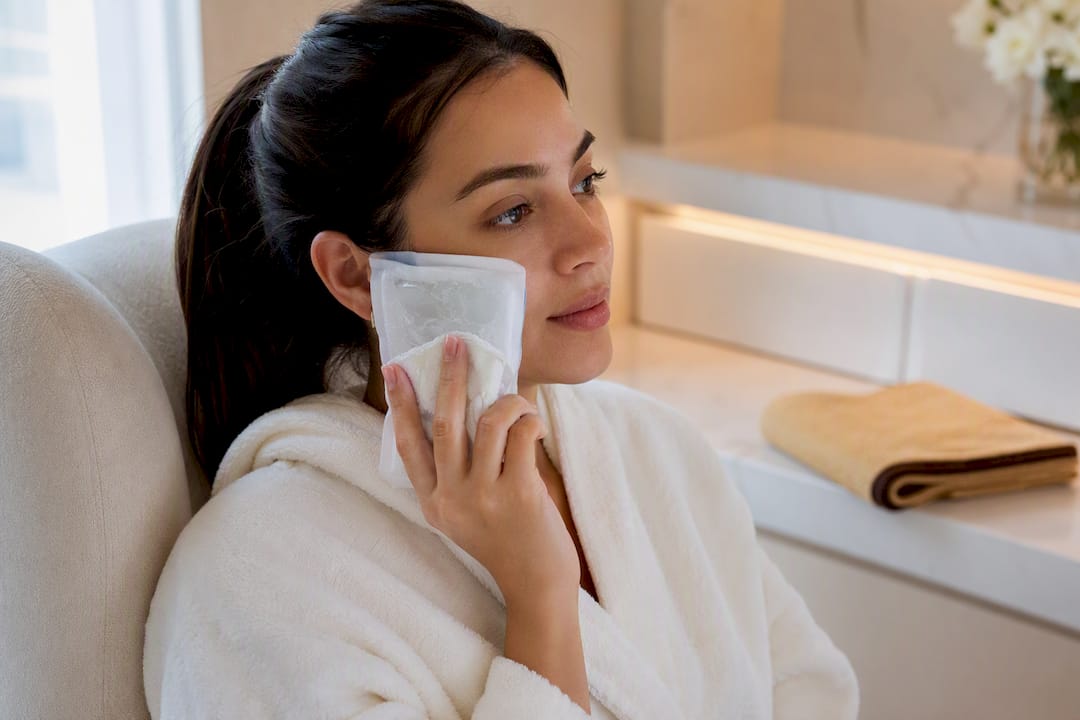
- Cool the area with a clean, damp cloth or a clinic-supplied cooling pack if advised — never apply ice directly to skin.
- Cleanse once with lukewarm water and a gentle, low-foaming, fragrance-free cleanser. Pat dry with a clean cloth; do not rub.
- Apply a thin layer of plain occlusive ointment (petrolatum or a clinic-recommended barrier balm) to support healing and prevent moisture loss.
- Avoid all active ingredients: retinoids, glycolic acid, lactic acid, salicylic acid, benzoyl peroxide, and high-concentration vitamin C.
- Do not apply makeup. Clinical guidance advises avoiding makeup for the first 48 hours; mineral make-up may be considered once the surface has healed.
- Sleep with your head slightly elevated if swelling is present — extra pillows reduce fluid pooling around the face.
Hours 24–48:
- Continue gentle twice-daily cleansing and reapply barrier ointment or a plain hydrating moisturiser.
- Avoid saunas, steam rooms, hot baths, and heavy exercise. The seven-day heat-avoidance rule used in UK clinic practice helps prevent sweating-related flare-ups after energy-based treatments.
- Do not pick, scratch, or attempt to remove any crusting — this is a normal healing response and interference increases scarring risk.
- For pain relief, plain paracetamol is preferred; ibuprofen and aspirin can increase bleeding risk and should be avoided unless your practitioner specifically advises otherwise.
Expected symptoms in the first 48 hours: redness, warmth, mild swelling, and occasional tightness are all normal. Blistering may occur after deeper treatments and does not automatically indicate a problem, but contact your clinic if you are concerned.
Pro Tip: Photograph the treated area at 24 hours and 48 hours. These images are genuinely useful if you need to contact your clinic — they give the clinician a clear baseline to assess whether any change is within normal range.
How does recovery progress from day 3 to week 12?
Healing is not linear, but it does follow predictable phases. The table below maps typical milestones and the product classes appropriate at each stage.
| Phase | Expected signs | Permitted product classes |
|---|---|---|
| Day 3+ | Peeling, flaking, residual redness, possible crusting | Gentle cleanser, plain barrier moisturiser, occlusive ointment as needed, no actives |
| Weeks 2–4 | Surface healed, mild pinkness, improved texture | Gentle cleanser, hydrating serum (hyaluronic acid, niacinamide, peptides), mineral SPF daily |
| Weeks 4–12 | Near-normal appearance, ongoing collagen remodelling | Gradual reintroduction of actives once cleared by clinician; antioxidant support |
Reintroducing actives too early is one of the most common mistakes. The IAPAM consensus advises that retinoids and acids are unsuitable on treatment day and during short-term aftercare, with reintroduction appropriate only during the followup phase once re-epithelialisation is confirmed. After ablative treatments, this window extends further.
Actives to pause during aftercare:
- Retinoids (retinol, tretinoin, retinaldehyde)
- Glycolic, lactic, mandelic, and salicylic acids
- Benzoyl peroxide
- High-concentration L-ascorbic acid (vitamin C)
- Azelaic acid at prescription strength
Pro Tip: When reintroducing any active after recovery, patch-test on a small area of the treated skin for two to three nights before applying it across the full face. Sensitivity can persist well beyond the visible healing phase.
Which ingredients and products are safe for recovery?
The IAPAM expert consensus evaluated 44 ingredients across four procedure categories and identified five that are appropriate at all time points: ceramides, cholesterol, hyaluronic acid, niacinamide, and peptides. These form the backbone of a safe post-care skin routine regardless of which procedure you have had.
Always-appropriate ingredients:
- Ceramides and cholesterol: restore the lipid matrix of the skin barrier; found in most barrier-repair creams.
- Hyaluronic acid: draws moisture into the skin without irritation; suitable from day one in a hydrating serum.
- Niacinamide: calms redness, supports barrier function, and is well tolerated even on compromised skin.
- Peptides: support collagen synthesis and tissue repair without the irritation risk of retinoids.
- Panthenol (pro-vitamin B5): soothes and promotes wound healing; frequently found in recovery balms.
- Alpha-bisabolol: derived from chamomile, it reduces redness and is gentle enough for the most reactive post-procedure skin.
Product types to use:
- A gentle, low-foaming, fragrance-free cleanser (micellar water or a cream cleanser).
- Plain petrolatum or a petrolatum-based ointment for the first 24–72 hours as an occlusive layer.
- A hydrating serum containing hyaluronic acid and niacinamide once the surface is intact.
- A barrier-repair cream with ceramides and cholesterol as your daily moisturiser.
- A clinic-grade mineral SPF once the skin is healed.
Ingredients and products to avoid during aftercare:
- Fragranced moisturisers and toners
- Alcohol-based products and astringents
- Retinoids and prescription-strength acids
- High-concentration L-ascorbic acid (stinging and irritation risk on recovering skin)
- Exfoliating scrubs or cleansing brushes
When reintroducing vitamin C during the followup phase, gentler derivatives such as Sodium Ascorbyl Phosphate or Magnesium Ascorbyl Phosphate are less likely to sting than high-concentration L-ascorbic acid, according to clinic-level protocols.
Pro Tip: When choosing a recovery balm, look for one with petrolatum or shea butter as the first or second ingredient, with no added fragrance, essential oils, or botanical extracts — these are common irritants on disrupted skin.
Why does sun protection matter so much after a procedure?
Treated skin is significantly more photosensitive than untreated skin, and UV exposure during recovery is one of the leading causes of post-inflammatory hyperpigmentation (PIH) and prolonged redness. Broad-spectrum SPF is non-negotiable once the skin barrier is intact.
Practical sun-protection checklist for UK patients:
- Apply a broad-spectrum SPF 30–50+ every morning as the final step in your routine, once the skin surface has healed.
- Mineral sunscreens containing zinc oxide or titanium dioxide sit on the skin surface and are less likely to sting compromised skin than some chemical filters.
- Reapply SPF every two hours if you are outdoors, even on overcast UK days — UVA penetrates cloud cover.
- Wear a wide-brimmed hat and seek shade between 11am and 3pm during the weeks following your procedure.
- Avoid deliberate tanning, sunbeds, and UV lamps throughout the recovery period.
- Do not apply SPF to open, blistered, or weeping skin — wait until the surface is intact and your clinician has confirmed it is appropriate.
Pro Tip: In the UK, many patients underestimate winter UV. UVA levels remain relatively consistent year-round, so daily SPF use during recovery applies in January just as much as in July.
Aftercare for darker skin tones and pigment risk
Skin of colour carries a higher risk of post-inflammatory hyperpigmentation after procedures. When inflammation meets UV exposure or premature reintroduction of actives, melanocytes can overproduce pigment, leaving dark patches that may take months to fade.
Practical adaptations for pigment-risk patients:
- Extend the avoidance window for retinoids and acids beyond the standard timeline; follow your clinician's specific guidance rather than general advice.
- Apply mineral SPF diligently from the first day the skin surface is intact, and reapply throughout the day.
- Use niacinamide and panthenol early in the recovery phase — both support barrier repair and help moderate the inflammatory response that triggers PIH.
- Avoid any heat exposure (saunas, hot showers, vigorous exercise) for longer than the standard seven-day rule if your skin is prone to pigmentation.
- Book a follow-up review promptly if you notice any unusual darkening in the treated area — early intervention with a clinician gives the best outcomes.
Pro Tip: If you have a Fitzpatrick skin type IV–VI, discuss PIH prevention with your clinician before your procedure, not after. A pre-treatment plan that includes photoprotection and, where appropriate, a preparatory brightening agent can meaningfully reduce post-procedure pigmentation risk.
What are the red flags after a skin procedure?
Most post-procedure symptoms are expected and resolve within days. The signs below indicate something beyond normal healing and require prompt action.
Contact your clinic immediately if you notice:
- Redness that is spreading beyond the treated area, particularly with warmth and swelling
- Pain that is increasing rather than improving after the first 24 hours
- Purulent (yellow or green) discharge from the treated site
- Fever or flu-like symptoms
- Uncontrolled bleeding that does not settle with gentle pressure
- Sudden severe swelling, breathlessness, or a rash spreading away from the treatment site (possible allergic reaction)
Contact pathway:
- First: call your treatment clinic. Most UK aesthetic clinics provide an aftercare contact number; use it before seeking other care.
- If unavailable or worsening rapidly: call NHS 111 for urgent clinical advice.
- Emergency: call 999 if you experience breathlessness, airway swelling, or signs of anaphylaxis.
Take photographs of any concerning change before you contact anyone — they help the clinician assess severity without delay. Keep your aftercare instructions and any dressing guidance in one place for reference.
Pro Tip: Do not wait 48 hours to contact your clinic if something feels wrong. A brief call on day one is always preferable to managing a complication that could have been caught earlier.
How does clinician-led aftercare work at Nexgen Clinic?
Structured follow-up from a clinician is not a luxury — it is what separates a good outcome from a great one. A clinician-led aftercare pathway typically includes an early check (often at 24–72 hours for more intensive procedures), photographic monitoring of healing progress, a personalised plan for reintroducing actives, and a clear escalation route if complications arise.
At Nexgen Clinic, aftercare is built into the treatment pathway, not added as an afterthought. The clinic's AI-supported skin analysis technology allows clinicians to monitor healing objectively and tailor product recommendations to your specific skin type and procedure. The treatments catalogue outlines the procedures available and the aftercare pathways associated with each.
What a Nexgen Clinic aftercare appointment typically includes:
- A clinician review of the treated area with photographic documentation
- Personalised product recommendations based on your skin's recovery stage
- A written aftercare plan with clear timelines for reintroducing actives
- An urgent review option if you have concerns between scheduled appointments
- Guidance on lifestyle factors — diet, hydration, alcohol, and smoking — that influence healing speed
Healing is also affected by factors outside the clinic. Adequate hydration, a diet with sufficient protein and antioxidants, avoiding alcohol, and not smoking all support faster tissue repair. These are not incidental — they are part of the recovery plan your clinician should discuss with you.
Key takeaways
Effective post-procedure recovery depends on a barrier-first approach, strict avoidance of actives during the early healing phase, and daily broad-spectrum SPF once the skin is intact.
| Point | Details |
|---|---|
| Barrier-first in the first 48 hours | Use gentle cleanser, plain occlusive ointment, and avoid all actives, makeup, and heat. |
| Paracetamol for pain relief | Ibuprofen and aspirin increase bleeding risk; plain paracetamol is the NHS-recommended choice. |
| Reintroduce actives in followup only | Retinoids and acids are unsuitable until re-epithelialisation is confirmed, typically from week 4 onwards. |
| Daily SPF is non-negotiable | Broad-spectrum SPF 30–50+ mineral sunscreen daily once the barrier is intact, year-round in the UK. |
| Nexgen Clinic aftercare | Clinician-led follow-up with AI-supported monitoring and a personalised reintroduction plan for each patient. |
Why structured aftercare changes outcomes
The gap between adequate and excellent recovery often comes down to what happens in the two weeks after a procedure, not the procedure itself. Patients who follow a structured, clinician-guided aftercare plan consistently heal with less pigmentation, fewer complications, and better long-term results than those who improvise.
What I find most underestimated is the psychological dimension of recovery. Patients who understand exactly what to expect at each stage — the peeling on day four, the residual pinkness at week two — are far less anxious and far more likely to follow their aftercare plan correctly. Anxiety leads to over-cleansing, premature reintroduction of actives, and unnecessary product switching, all of which slow healing. A clear, written timeline given at the point of treatment is one of the simplest and most effective clinical tools available.
The evidence from the IAPAM consensus reinforces what experienced clinicians already know: a small set of well-chosen ingredients, applied at the right time points, outperforms a complex multi-step routine. Simplicity is not a compromise — it is the protocol.
Nexgen Clinic's aftercare support for your recovery
Recovery from a skin procedure is straightforward when you have the right clinical support behind you. Nexgen Clinic's clinician-led aftercare model means you receive a personalised recovery plan, not a generic leaflet. The clinic's AI-powered skin diagnostics allow your clinician to track healing progress objectively and adjust your product recommendations as your skin moves through each recovery phase.
Patients who book a post-procedure review at Nexgen Clinic receive a documented aftercare plan, access to clinic-grade skincare products selected for their specific procedure and skin type, and a direct line to their clinician if concerns arise between appointments. The clinic reports high patient satisfaction, reflecting its personalised, medically led care approach.
If you have recently had a procedure or are planning one, book a consultation at Nexgen Clinic to receive a tailored aftercare plan and clinician follow-up from a team that understands your skin's recovery needs.
Useful sources
| Source | Description |
|---|---|
| IAPAM Post-Procedure Skincare Consensus | International expert consensus identifying five universally safe ingredients and a four-time-point framework for post-procedure skincare. |
| Ashford and St Peter's NHS — Dermatology Postoperative Advice | NHS leaflet recommending paracetamol and cautioning against NSAIDs after dermatological procedures. |
| Oxford University Hospitals NHS — PDT Aftercare | NHS patient information on photodynamic therapy aftercare, including sun protection, dressing care, and pain management. |
| Asclepion UK — Pre and Post Laser Care | UK clinic guidance on heat avoidance, makeup timing, and practical post-laser care steps. |
| RM — Post-Procedure Skincare Protocol | Clinical guide covering minimal-routine principles for the first 72 hours and guidance on antioxidant reintroduction. |
| Nexgen Clinic | Nexgen Clinic's primary landing page for booking, treatment information, and clinician-led aftercare pathways. |
FAQ
What should I put on my skin immediately after a procedure?
Apply a plain, fragrance-free occlusive ointment (such as petrolatum) and cleanse gently with lukewarm water and a low-foaming cleanser. Avoid all active ingredients, fragranced products, and makeup for at least 48 hours.
When can I reintroduce retinol after a skin treatment?
Retinoids are unsuitable during the short-term aftercare phase. The IAPAM consensus advises reintroduction only during the followup phase once re-epithelialisation is confirmed, typically from around week four onwards, and later still after ablative procedures.
Can I wear makeup after a laser or peel?
Makeup should be avoided for the first 48 hours after most procedures. Mineral make-up may be considered once the skin surface has fully healed, but check with your clinician before applying anything to recently treated skin.
What SPF should I use after a skin procedure?
Use a broad-spectrum SPF 30–50+ mineral sunscreen (zinc oxide or titanium dioxide) once the skin barrier is intact. Mineral formulations are generally better tolerated on post-procedure skin than chemical filters, and daily application is advised year-round in the UK.
When should I contact my clinic after a procedure?
Contact your clinic if you notice spreading redness, increasing pain, purulent discharge, fever, or any sudden severe swelling. If your clinic is unavailable, call NHS 111; call 999 for breathlessness or signs of anaphylaxis. Nexgen Clinic provides a direct aftercare contact route for all patients — book a review if you have any concerns.
Recommended
- Clinical Skincare Supplies | NexGen Clinic Cambridge
- Precision Treatments | NexGen Clinics
- Skin Boosters in Cambridge | Deep Skin Hydration | NexGen Clinic
- Wellness & Aftercare | NexGen Clinic Journal
Explore related NexGen treatments
- Explore our full treatment menu
- Book a consultation with our clinicians
- Contact our Cambridge team
- Read more articles in the NexGen Journal
Ready to explore your options?
Speak with a NexGen clinician for a personalised consultation. We’ll listen, assess, and recommend the safest and most effective route — always led by evidence, always tailored to you.
Book a consultation or get in touch with our Cambridge team.