
Most people who start tretinoin notice some purging within days to a couple of weeks, with the roughest patch typically lasting around 4 to 6 weeks. Many see real improvement by 6 to 12 weeks, and 12 weeks is the standard point for a professional review. If irritation feels severe or nothing has changed by then, it is time to speak with a clinician.
TL;DR:
- A likely purge begins early and stays within your usual breakout zones; a flare starting after stable use or spreading elsewhere may signal irritation.
- Redness, peeling, dryness, and stinging often peak during weeks 1 to 4; mild to moderate reactions were reported in up to 39% of facial study patients.
- Apply every other night, use an amount about the size of a pea, moisturize daily, wear sunscreen each morning, and avoid harsh exfoliants.
- Stop tretinoin and seek medical advice promptly for severe pain, marked swelling, infection signs, or uncontrolled peeling beyond mild flaking.
- Topical retinoids are generally advised against during pregnancy and breastfeeding, so discuss alternatives with a clinician before starting treatment for acne.
Table of Contents
- What purging is and how it differs from a regular breakout
- Typical timeline: onset, peak, and when clearer skin usually appears
- Factors that influence how long the purge lasts for you
- Practical steps to care for skin during a tretinoin purge
- When to contact a clinician and the professional review timetable
- Clinician perspective and the evidence behind the timeline
- Variations in purge timeline based on skin type
- Impact of age and skin condition on the purging process
- Tips on managing pigmentation or redness during the purge phase
- Professional treatments alongside tretinoin during the purge
- Expected skin appearance milestones post-purge to set realistic recovery expectations
- Clinician-author perspective: reframing the purge
- FAQ
- Sources
- Getting clinical support if your skin needs more than a routine adjustment
What purging is and how it differs from a regular breakout
Purging happens because tretinoin speeds up skin cell turnover. That accelerated cycle pushes existing microcomedones, the tiny clogged plugs already sitting under the skin, to the surface faster than they would have appeared on their own. The patient leaflet for Treclin describes this acceleration as the mechanism behind the initial flare, which is why clinicians frame purging as part of the treatment working rather than a sign it has failed.
During this phase, you might see:
- Whiteheads and blackheads appearing in clusters rather than one at a time
- Small papules or pustules in areas you already tend to break out
- Flaking, dryness or patches of sensitivity around the nose and mouth
- A flare that starts within days of your first few applications
The clearest giveaway is timing and location. A true purge shows up shortly after starting tretinoin and concentrates in your usual breakout zones. A new reaction appearing weeks into stable use, or spreading to skin that has never troubled you, is more likely an unrelated breakout or an irritant reaction worth reviewing separately.
Typical timeline: onset, peak, and when clearer skin usually appears
Purging tends to start quickly. Some people notice changes early in treatment, though the timing and whether a reaction occurs vary. This early window reflects how fast tretinoin pushes buried congestion to the surface.
Local skin reactions, including redness, peeling, dryness and stinging, commonly peak within the first 1 to 4 weeks of treatment, with mild to moderate reactions reported in up to 39% of patients in facial studies. That peak is usually the roughest stretch, and it is also the point at which many people are tempted to stop.
From there, most people settle into a steadier pattern. A commonly cited duration for the purging phase overall is about 4 to 6 weeks, though individual cases can run anywhere from 2 to 12 weeks depending on your skin and how you are applying the product. The NHS notes that a six-week period is usually needed before you can judge whether a treatment is helping, which lines up with when many people start to see genuine improvement rather than just irritation settling down.
By 12 weeks, most people have a clear enough picture to know whether tretinoin is working for them. This is also the point UK treatment pathways use for a formal efficacy and tolerance check, so it is a sensible marker to hold yourself to rather than judging progress week by week.
Factors that influence how long the purge lasts for you
No two purges run on exactly the same clock, because several variables affect how your skin responses.
- Formulation and strength: creams tend to be gentler than gels, and combination products like clindamycin and tretinoin gels carry their own irritation profile.
- Application habits: using more than a pea-sized amount, or applying more often than once daily, does not speed results. The Treclin leaflet is explicit that overuse only raises the risk of redness and discomfort.
- Skin history: more severe baseline acne or a compromised skin barrier, from previous harsh treatments or over-exfoliation, tends to prolong and intensify the reaction.
- Concurrent products and sun exposure: layering aggressive exfoliants or skipping sunscreen can extend irritation, since retinoids increase photosensitivity.
Starting gradually and building up as tolerated may help reduce irritation without giving up on the product.
Practical steps to care for skin during a tretinoin purge
Getting through the purge comfortably comes down to a handful of consistent habits rather than anything elaborate.
- Cleanse gently and moisturise daily from day one. A mild, fragrance-free cleanser paired with a non-comedogenic moisturiser supports the skin barrier while tretinoin does its work. Our 2 to 4 week skin barrier repair plan sets out a straightforward routine for rebuilding tolerance if your barrier feels compromised.
- Apply broad-spectrum SPF every morning. Retinoids increase photosensitivity, so sunscreen is not optional during this phase. Our sunscreen guide compares mineral and chemical options if you are unsure which suits your skin.
- Start slowly and use the right amount. Apply every other night to begin with, and use only a pea-sized amount for the whole face. Short-contact therapy, applying tretinoin for around an hour and then rinsing it off, is a tactic UK primary care pathways use to build tolerance before moving to overnight application.
- Avoid stacking harsh actives. Strong exfoliants, and combining benzoyl peroxide or other active ingredients without guidance, can intensify irritation well beyond what purging alone would cause.
- Know when to pause. If burning is intolerable or peeling becomes widespread, stop and contact a clinician. Restarting at a lower frequency afterwards, rather than abandoning treatment altogether, usually allows your skin to rebuild tolerance.
Pro Tip: Keep your moisturiser in the fridge during the first few weeks; the cooling effect takes the edge off stinging straight after application.
When to contact a clinician and the professional review timetable
Some signs warrant more than patience.
- Severe pain, marked swelling or signs of infection mean you should stop tretinoin and seek medical advice promptly.
- Uncontrolled, widespread peeling that goes well beyond mild flaking is worth a clinician's opinion rather than waiting it out.
- A standard check-in point in UK care is around 12 weeks, when clinicians reassess whether a topical retinoid is working and well tolerated; no improvement by then often prompts a change in regimen.
- Topical retinoids are generally advised against during pregnancy and breastfeeding, so this is a conversation worth having with a clinician before starting.
Clinician perspective and the evidence behind the timeline
Acne often worsens initially after starting a retinoid, and this reflects accelerated skin cell turnover rather than the treatment failing. Persistence is usually needed before clearer skin follows.
That framing, drawn from British Association of Dermatologists guidance, underpins most of the practical advice in this article. It is echoed in product-level data: local reactions commonly peak within the first 1 to 4 weeks, and dosing guidance consistently emphasises a pea-sized amount applied once daily, with instructions to stop if reactions become intolerable.
In practice, the tactics clinicians lean on most, short-contact application, layering in moisturiser from the outset, and holding to a 12 week review rather than judging week by week, exist specifically to reduce the number of people who give up on tretinoin during the roughest early weeks.
Variations in purge timeline based on skin type
Oily skin often tolerates tretinoin's early effects with less visible dryness, but the purge itself can look more dramatic because there is more congestion to clear. Breakouts may appear more concentrated and the skin can still feel slick even while flaking around the edges of the nose and chin.
Dry skin tends to show irritation faster. Flaking, tightness and redness often appear before any new spots do, simply because the barrier has less natural oil to buffer the retinoid's effect. This group usually benefits most from starting at a lower frequency and leaning harder on moisturiser from day one.
Combination skin often experiences both patterns at once, with oilier zones purging more visibly while drier areas flake and feel tender. This mixed response is normal and does not mean the product is working unevenly; it simply reflects how tretinoin interacts with the skin's own variation in oil production.
None of these patterns changes the overall timeline dramatically. Oily, dry and combination skin typically still move through the same rough 4 to 6 week window, though dry skin may need a gentler build-up to get there comfortably rather than pushing through nightly use from the start.
Impact of age and skin condition on the purging process
Younger skin with active acne tends to purge more visibly simply because there is more congestion for tretinoin to clear. Teenagers and people in their twenties dealing with hormonal acne often see a more pronounced initial flare, though this usually settles within the same general timeframe as anyone else.
Older skin, particularly where tretinoin is being used for fine lines and texture rather than active acne, often shows a milder purge because there is less congestion to begin with. Irritation in this group tends to show up as dryness and sensitivity rather than new spots.
Skin that has been compromised by previous treatments, whether aggressive exfoliation, long-term steroid use on the face or recent procedures, generally needs a slower introduction. A weakened barrier amplifies irritation and can extend the uncomfortable phase, which is one reason clinicians often recommend a short-contact approach for anyone starting from a more sensitive baseline rather than applying a standard protocol to everyone.
Tips on managing pigmentation or redness during the purge phase
Post-inflammatory pigmentation and lingering redness are common companions to purging, particularly on darker skin tones where marks can take longer to fade than the spots that caused them. Consistent sun protection matters here more than almost anything else, since UV exposure deepens pigmentation and slows its fade considerably.
Resist the urge to pick at purging spots. Picking is the single biggest driver of lasting marks, far more than the purge itself. A gentle, consistent routine, cleanser, moisturiser, sunscreen, without added exfoliating acids during the worst weeks, gives pigmentation the best chance to fade on its own.
Redness that comes with purging is usually transient and settles as the skin adjusts, though it can be mistaken for the purge getting worse. If redness persists well beyond the typical 4 to 6 week window or seems to be spreading rather than calming, that is worth mentioning at a review rather than waiting it out indefinitely.
Professional treatments alongside tretinoin during the purge
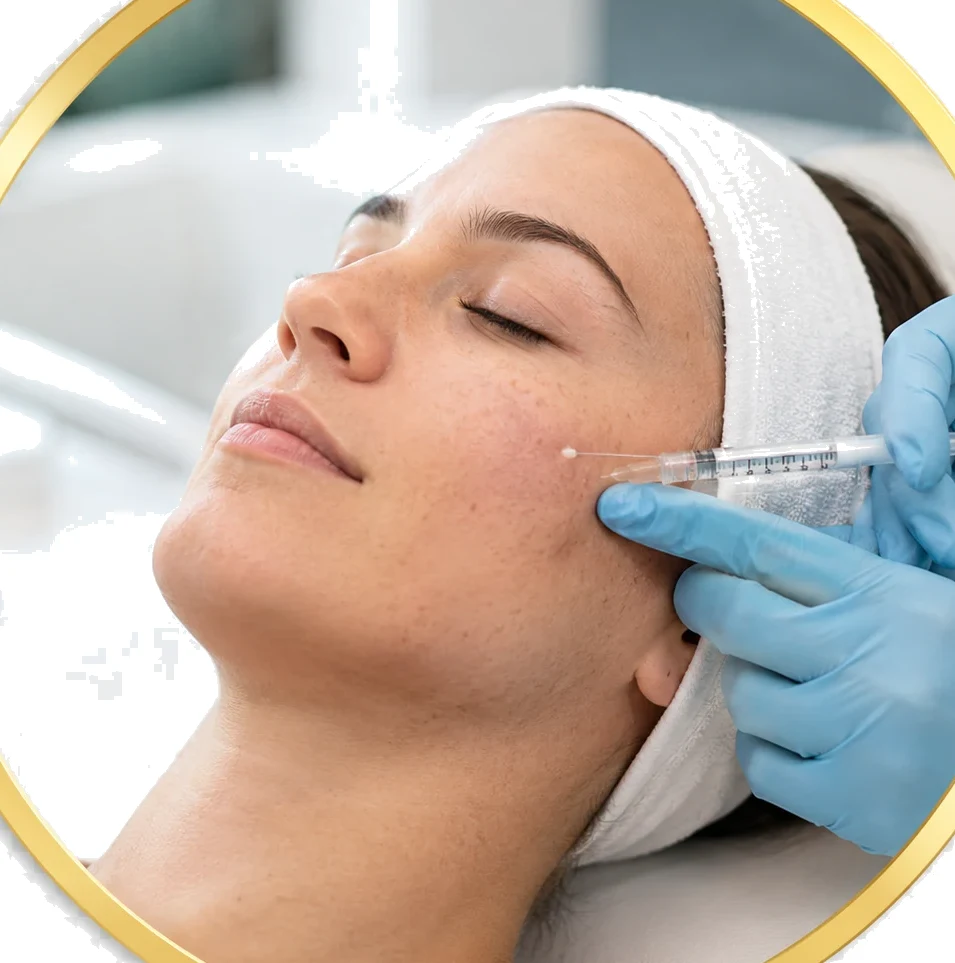
Some in-clinic treatments can complement tretinoin, though timing matters. Microneedling and laser treatments both work by creating controlled injury to the skin, and combining that with an already sensitised, purging complexion can increase the risk of irritation or downtime.
Most clinicians prefer to wait until the purge has settled, typically once the 4 to 6 week mark has passed and the skin is tolerating nightly application comfortably, before introducing additional procedures. This sequencing allows tretinoin to establish its effect without competing demands on a barrier that is already working hard to adjust.
For those managing pigmentation or texture concerns alongside acne, treatments like Profhilo or polynucleotides are generally considered once the skin has stabilised rather than during the active purge itself, since they are designed to support skin quality rather than address acute irritation. Any combination of in-clinic treatments with an active retinoid routine is worth discussing with a clinician first, since individual tolerance varies considerably.
Expected skin appearance milestones post-purge to set realistic recovery expectations
By around 4 weeks, most people notice the frequency of new breakouts starting to slow, even if some flaking and sensitivity remain. This is usually the first sign that the worst of the adjustment period is behind you rather than still ahead.
By 6 weeks, visible improvement is common: fewer active spots, calmer texture and a skin barrier that tolerates the product with less daily irritation. This is the point the NHS flags as a reasonable marker for judging whether a treatment is doing something.
By 12 weeks, most people have a genuinely clearer picture: smoother texture, fewer breakouts and skin that has adapted to nightly or near-nightly use. This is the standard review point, and it is the moment to decide, ideally with a clinician, whether to continue as is, adjust strength or frequency, or try a different approach altogether.
Clinician-author perspective: reframing the purge
Initial worsening is often expected, and for most people it is temporary rather than a sign tretinoin is wrong for them. One habit I find genuinely useful is photographing your skin at baseline and again at 6 and 12 weeks, so you are judging progress against evidence rather than how your skin looks on any single difficult morning. If a reaction ever feels intolerable, contact a clinician rather than pushing through it.
— Ms Sandra Petraskaite
This article is general information, not a substitute for advice from a qualified doctor. Consult a qualified healthcare professional about your own circumstances before acting on anything here.
FAQ
Can tretinoin cause bumps on the face?
Yes, small whiteheads, blackheads and papules are a common part of purging as accelerated skin turnover brings existing congestion to the surface. These may appear early in treatment and settle as the skin adjusts over time.
Is 0.05 tretinoin strong enough for acne?
Strength needs vary by individual, skin tolerance and how severe the acne is, so there is no single concentration that suits everyone. A clinician can help match strength and frequency to your skin rather than guessing, since overuse at any strength only raises irritation without speeding results, according to the Treclin leaflet.
What does skin purging look like?
Purging typically looks like clusters of whiteheads, blackheads or small inflamed spots appearing in areas you already tend to break out, often alongside dryness and flaking. It may start early in treatment and concentrate in your usual problem areas rather than spreading to new ones.
How long do tretinoin uglies last?
The roughest stretch, often called the "tretinoin uglies," commonly lasts around 4 to 6 weeks, though it can range from 2 to 12 weeks depending on your skin and how gradually you introduce the product. Many people see noticeable improvement by 6 weeks, with a fuller picture usually clear by the 12 week review point.
Sources
- Package leaflet: Information for the user Treclin 1 % / 0.025 % w/w gel clindamycin 10 mg/g and tretinoin 0.25 mg/g
- 13.6.1 Topical preparations for acne - North & East
- Acne
Getting clinical support if your skin needs more than a routine adjustment
Tretinoin works for many people, but it is not the only route to clearer, calmer skin, and it is not something you have to manage alone if irritation or breakouts feel unmanageable. We offer medically led, AI-assisted skin analysis at NexGen Clinic that looks at your specific concerns, from active breakouts to pigmentation and texture left behind by previous treatments, and builds a plan around what your skin actually needs rather than a generic protocol.
For readers who would rather start with a prescription pathway, Getamrx offers virtual assessments and prescription fulfilment for tretinoin-compatible treatments, which can be a practical starting point if you do not yet have a dermatology referral.
Where skin needs support beyond a retinoid alone, whether that is residual pigmentation, textural changes or a need for professional-grade skincare guidance, our treatments including Profhilo and polynucleotides are designed to improve skin quality once the acute phase has settled. We also outline the full range of skin treatments on our treatments page, including options for those who want a doctor-led assessment rather than navigating a routine by trial and error.
If your skin has not responded the way you expected by the 12 week mark, or you simply want a professional opinion before starting a retinoin routine, book a consultation with us to get a plan built around your skin rather than a generic timeline.
Recommended
- 8–12 weeks to tell: Peptides in skincare that deliver for UK
- 2–4 week skin barrier repair plan for UK skin, NHS backed
- Clinician Matters More Than Device: Acne Scar Laser Care
- Frown Lines (11 Lines) Treatment Guide
Ready to explore your options?
Speak with a NexGen clinician for a personalised consultation. We’ll listen, assess, and recommend the safest and most effective route — always led by evidence, always tailored to you.
Book a consultation or get in touch with our Cambridge team.