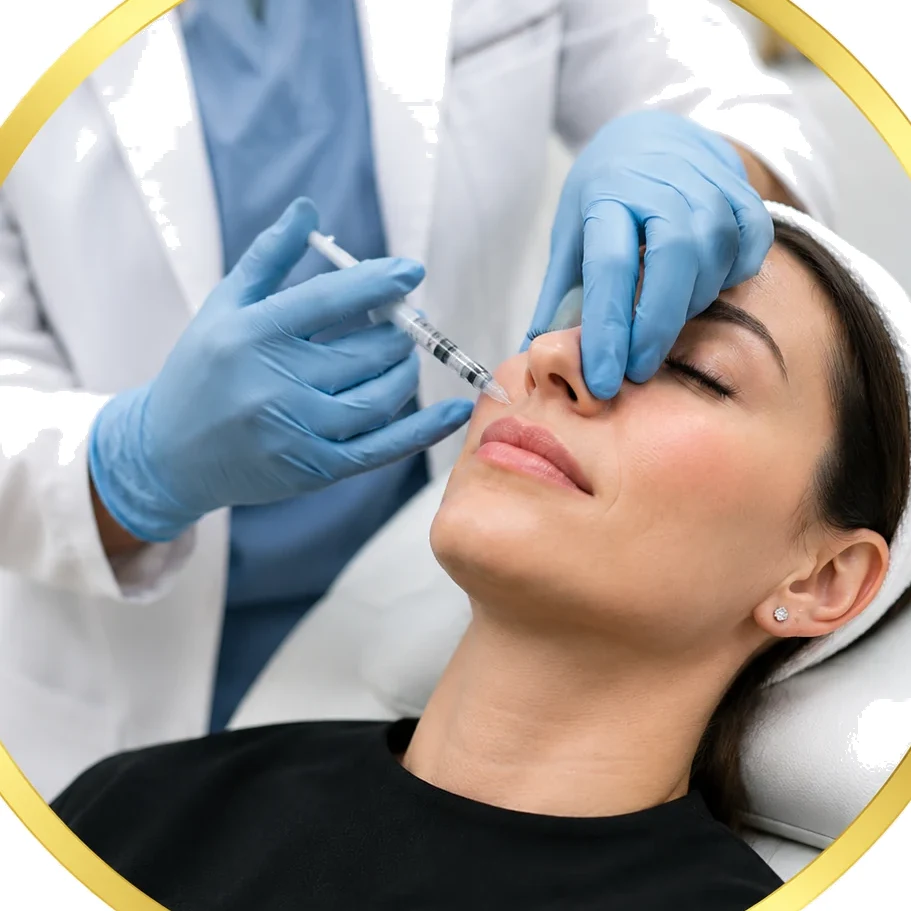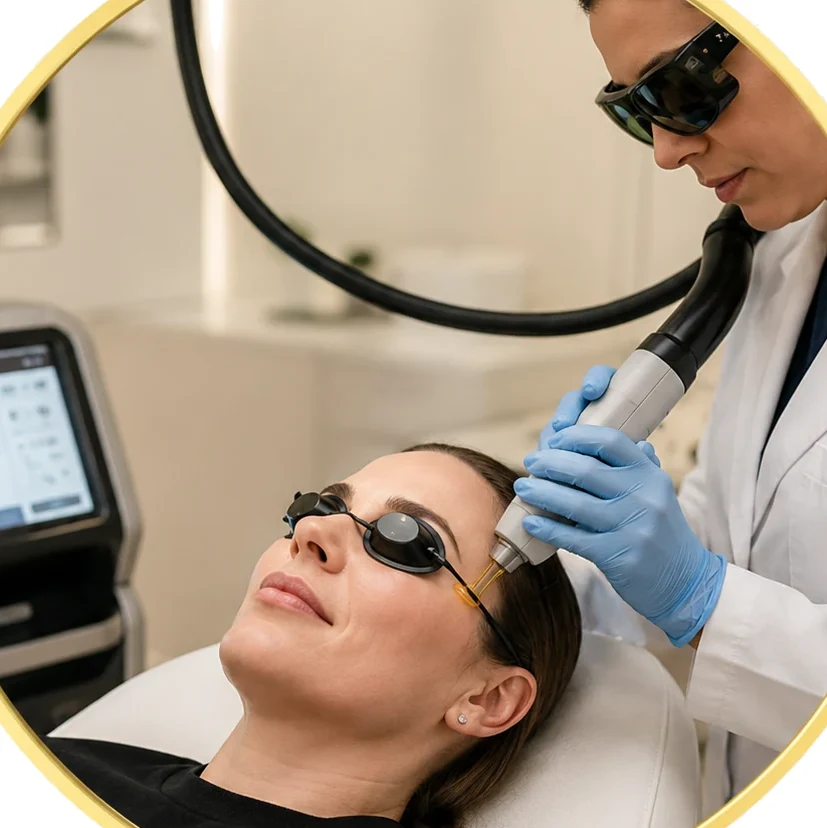

Blue light works best for surface level, inflammatory acne. Red light works best for collagen support and repair. When you need both antibacterial action and tissue renewal, combining red and blue is a common and well supported approach. The right choice depends on what your skin actually needs, not which device looks more advanced.
TL;DR:
- A review of 31 trials found moderate benefit for acne and photoaging, with combination protocols often producing larger improvements than either wavelength alone.
- Courses generally run 4 to 12 weeks, with 15 to 20 minute sessions two to four times weekly; device power also affects results.
- Before buying a home device, check its published irradiance and fluence; without both figures, you cannot assess whether its output matches clinical research.
- People with deep, cystic, or nodular acne need clinical assessment, because light therapy alone is not a substitute for systemic treatment.
- People with darker skin tones should use conservative settings under clinician guidance, since visible light can trigger prolonged post inflammatory hyperpigmentation.
Table of Contents
- How blue and red light act on the skin
- Practical comparison: what each colour treats best
- What trials and reviews actually show
- Typical wavelengths, session lengths, frequencies and courses
- Home LED masks versus clinic PBM and LED systems
- Safety, side effects and cautions for different skin types
- How to choose red, blue or combined light for your skin
- Why combine red and blue light, and what to expect over time
- How clinician-led clinics build light therapy into a wider plan
- When light therapy makes sense
- Book a consultation to find your right treatment path
- FAQ
- Sources
How blue and red light act on the skin
Blue and red light work through entirely different biological routes, which is why they suit different concerns. Blue light, at wavelengths of roughly 415 to 445 nanometres, is absorbed by porphyrins inside acne causing bacteria. This triggers reactive oxygen species that damage the bacteria and calm surrounding inflammation, as described in phototherapy research on acne. Red and near infrared light act on mitochondria instead, stimulating an enzyme called cytochrome c oxidase. This increases cellular energy production and supports fibroblast activity, the process behind new collagen synthesis.
- Blue light mainly affects the skin's surface layers, where acne bacteria live.
- Red and near infrared light penetrate deeper, reaching the dermis where collagen is produced.
- The two mechanisms are not interchangeable, which is why treatment choice depends on your goal.
Practical comparison: what each colour treats best
Matching the light to the concern makes a real difference to results. Blue light reduces inflammatory lesions and bacterial load effectively, but it has limited reach for deep, cystic breakouts that sit lower in the skin. Red light improves texture, softens fine lines and supports repair once active inflammation has settled, making it better suited to photoageing and post acne recovery than to active breakouts.
- Blue light: best for surface inflammatory acne and reducing bacterial activity.
- Red light: best for texture, fine lines and post inflammatory repair.
- Combined red and blue: suited to mixed concerns needing both control and renewal.
A systematic review of 31 trials found moderate efficacy for blue and red LED therapy in acne and photoageing, with combination protocols frequently showing larger improvements than either wavelength alone. For anyone dealing with both active spots and the marks they leave behind, that combined approach tends to make more sense than picking a single colour.
What trials and reviews actually show
Clinical trial data gives a reasonably consistent picture, though with some caveats. Randomised trials on blue light phototherapy report moderate reductions in inflammatory and non-inflammatory lesion counts, with some studies showing short-term reductions in the region of 50 to 70%. Systematic reviews reach similar conclusions but are careful to flag that trial protocols vary widely in session length, device power and course duration, which makes direct comparison difficult.
- Trials generally show meaningful but not dramatic improvements over several weeks.
- Reviews consistently highlight small sample sizes and inconsistent treatment parameters across studies.
- Light phototherapy is considered generally safe, but it is not positioned as a replacement for systemic therapy in severe or cystic acne.
Older Cochrane-style reviews note similar heterogeneity across the available studies, while still reporting significant short-term benefit in several of the better designed trials. This means the evidence supports light therapy as a genuine option, but one that works best when the expectations match what the data actually shows rather than marketing claims.
Typical wavelengths, session lengths, frequencies and courses
Treatment parameters vary between studies, but patterns repeat often enough to give useful benchmarks. Blue light protocols typically use wavelengths around 405 to 445 nanometres, while red light protocols sit around 630 to 670 nanometres. Combined devices commonly pair wavelengths close to 415 and 633 nanometres in a single session.
- Sessions in trials often last 15 to 20 minutes, carried out two to four times weekly.
- Courses usually run for 4 to 12 weeks, sometimes followed by maintenance sessions.
- Fluence and irradiance levels differ between studies, and higher, well documented outputs tend to track more closely with the results seen in published trials.
Power density matters as much as wavelength. A device delivering the right colour of light at too low an intensity will struggle to reproduce the outcomes reported in clinical research.
Home LED masks versus clinic PBM and LED systems
Not every LED device is built to the same standard, and that gap shows up in results. Consumer masks and handheld devices commonly deliver lower irradiance and fluence than the systems used in clinical trials, according to a review comparing consumer and professional LED systems. Many fall below the power ranges associated with meaningful photobiomodulation. Clinic based systems, by contrast, are calibrated, report their output figures and are used within protocols that mirror trial conditions, which tends to produce more reproducible outcomes.
- Home devices vary enormously in quality; colour alone does not guarantee effectiveness.
- Clinic systems are typically more powerful and used under consistent, monitored protocols.
- Device parameters, not just wavelength, determine how much benefit you are likely to see.
Pro Tip: Before buying a home LED device, check that the seller publishes irradiance in milliwatts per square centimetre and fluence in joules per square centimetre; without these figures, there is no way to judge whether it matches clinical standards.
Safety, side effects and cautions for different skin types
Light therapy has a reassuring safety profile overall. Most reported effects are mild and short lived, including temporary dryness or redness, and serious adverse events are uncommon in published trials, as noted in a safety overview of LED phototherapy. Darker skin tones need a more cautious approach, since visible light exposure has been linked to prolonged post inflammatory hyperpigmentation in some cases, so dose and device choice should be guided by a clinician for these phototypes.
- Mild, transient side effects are the norm; serious reactions are rare.
- Skin of colour benefits from clinician supervised, conservative treatment parameters.
- Light therapy alone is not sufficient for severe nodulocystic acne, and pregnant patients should check with their own clinician before starting any light based treatment.
How to choose red, blue or combined light for your skin
Matching the treatment to the concern, rather than picking a colour at random, is what actually drives results.
- Superficial, inflammatory acne responds well to blue light or a combined protocol.
- Deeper, cystic or nodular acne needs a clinician assessment, since light therapy alone is unlikely to be enough and systemic options may be worth discussing.
- Photoageing, textural changes and collagen loss respond better to red light, often paired with in-clinic procedures for a fuller result.
- Before booking any course, ask what wavelength, session frequency and parameters are used, and what exactly is included.
For deeper acne scarring, a laser based approach guided by a clinician may be a more appropriate next step than light therapy alone.
Why combine red and blue light, and what to expect over time
Combining red and blue light addresses two separate problems at once: bacterial activity and tissue repair. Several randomised trials report larger improvements with combined protocols than with either wavelength used on its own. Visible changes typically appear within 4 to 12 weeks of consistent use, and ongoing maintenance sessions, or complementary treatments, help reduce the chance of acne or dullness returning once a course ends.
- Combination therapy tackles bacteria and repair in the same session.
- Most people notice gradual change over weeks, not days.
- Light therapy works best as part of an ongoing plan rather than a single fix.
Topical adjuncts, such as comparing azelaic acid and niacinamide for acne-prone skin, often sit alongside light therapy in a fuller regimen. Collagen focused ingredients follow a similar timeline; peptides in skincare typically need 8 to 12 weeks to show visible change, which lines up closely with red light's own repair timeline.
How clinician-led clinics build light therapy into a wider plan
We use a clinician assessment alongside skin analysis to decide whether LED or photobiomodulation suits you on its own, or works better paired with microneedling, skin boosters or another regenerative treatment. Our focus stays on regenerative, consultation-led care rather than a one-size-fits-all device session.
- We discuss device parameters and realistic timelines with you before any course begins.
- Treatment plans are built around your skin's actual needs, not a fixed package.
- Follow-up is built into the plan, so progress gets checked and adjusted as needed.
For readers interested in how technology shapes these decisions, our piece on AI-driven diagnostics in aesthetics explains the thinking behind personalised plans in more depth. Collagen induction approaches such as microneedling are worth understanding too, since they're often paired with red light in a combined repair strategy.
When light therapy makes sense
Clinician-supervised LED is a sensible, low downtime addition for many people managing acne or early photoageing, particularly when it sits alongside the right topicals or in-clinic treatment rather than standing in for them. The evidence supports gradual, realistic improvement, not a quick transformation, and that honesty matters more than any single device's marketing claims.
— Ms Sandra Petraskaite
Book a consultation to find your right treatment path
We offer clinician-led consultations that assess whether red light, blue light or a combined protocol suits your skin, and whether pairing it with a treatment such as Profhilo or polynucleotides would support your goals further.
Visit our treatments page to see the full range, or book a consultation with our team to discuss what's realistic for your skin.
This article is general information, not a substitute for advice from a qualified doctor. Consult a qualified healthcare professional about your own circumstances before acting on anything here.
FAQ
Can red light help with EDS?
Ehlers-Danlos Syndrome affects collagen structure at a genetic level, and there is no clinical evidence that red light therapy treats the underlying condition. Red light's documented effects relate to stimulating collagen production and supporting skin repair generally, so any benefit for someone with EDS would need to be discussed directly with their own medical team.
What is the difference between red light and blue light for the face?
Blue light targets the bacteria involved in acne, working mainly at the skin's surface to reduce breakouts and inflammation. Red light works deeper, in the dermis, where it supports collagen production and tissue repair, making it better suited to texture, fine lines and post-acne recovery.
Is infrared light safe for pregnancy?
There is no robust clinical evidence confirming the safety of infrared or red light therapy during pregnancy, so it is treated with caution. Anyone who is pregnant should speak to their own clinician before starting any light based skin treatment.
What does white light therapy treat?
White light therapy typically combines multiple wavelengths, often including portions of the red and blue spectrum, and is used for a mix of concerns such as general skin tone and mild inflammation. It is less specifically studied than single wavelength red or blue protocols, so its effects are usually described in broader, more general terms.
Sources
- Phototherapy and acne — mechanisms and trials (PMC10920142)
- Systematic review/meta-analysis of LED therapy for skin (PubMed 36310510)
- Forum Dermatologicum review: consumer vs professional LED systems (Forum Dermatologicum)
Recommended
- NHS and Cochrane Evidence for Laser Treatment of Broken
- Clinician Matters More Than Device: Acne Scar Laser Care
- PRF vs PRP: 5 Checks Before Choosing a Treatment
Ready to explore your options?
Speak with a NexGen clinician for a personalised consultation. We’ll listen, assess, and recommend the safest and most effective route — always led by evidence, always tailored to you.
Book a consultation or get in touch with our Cambridge team.