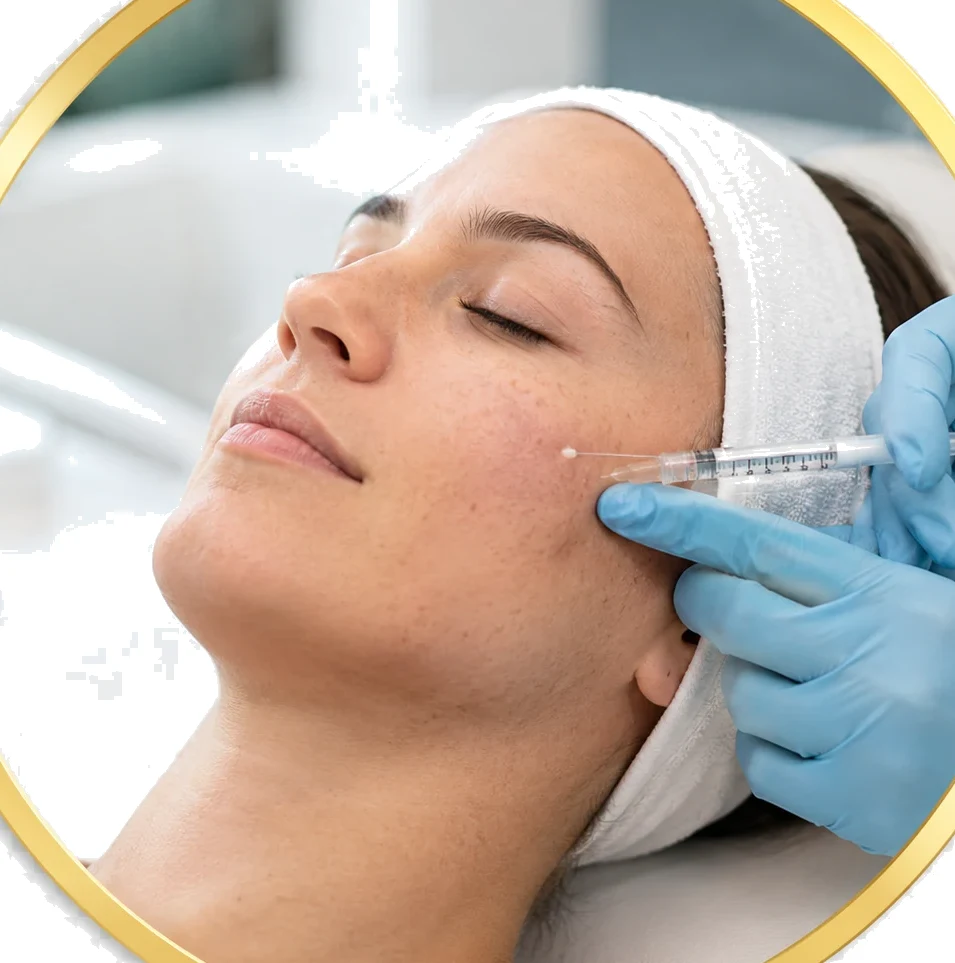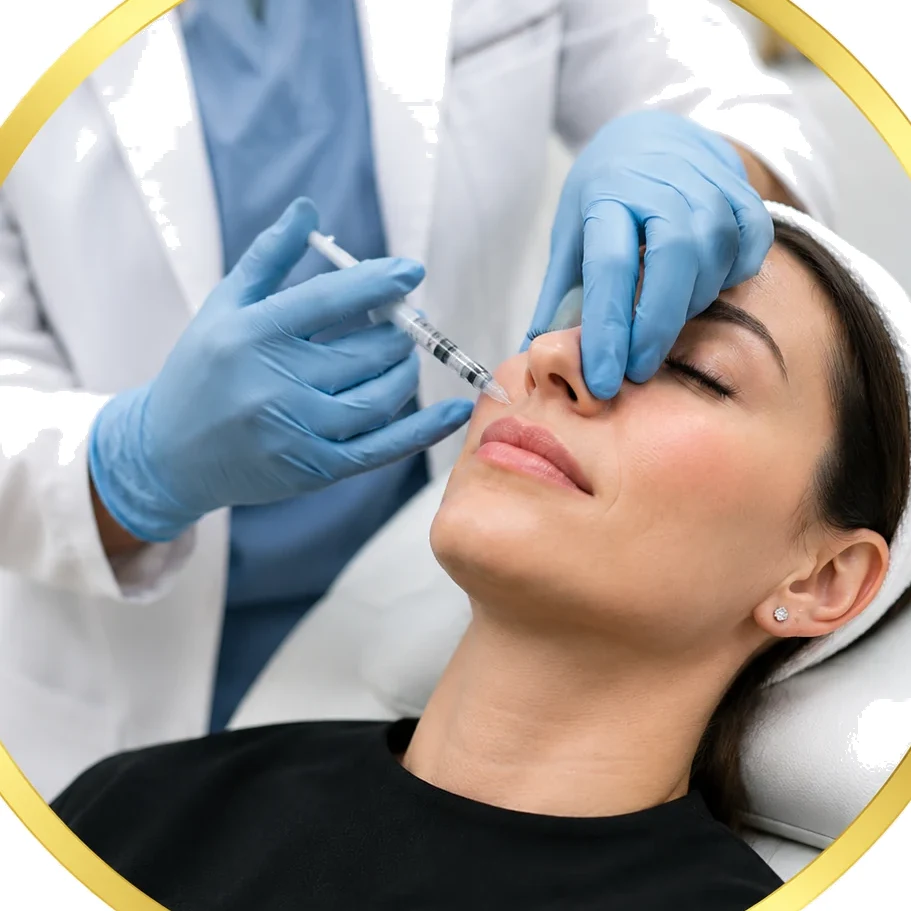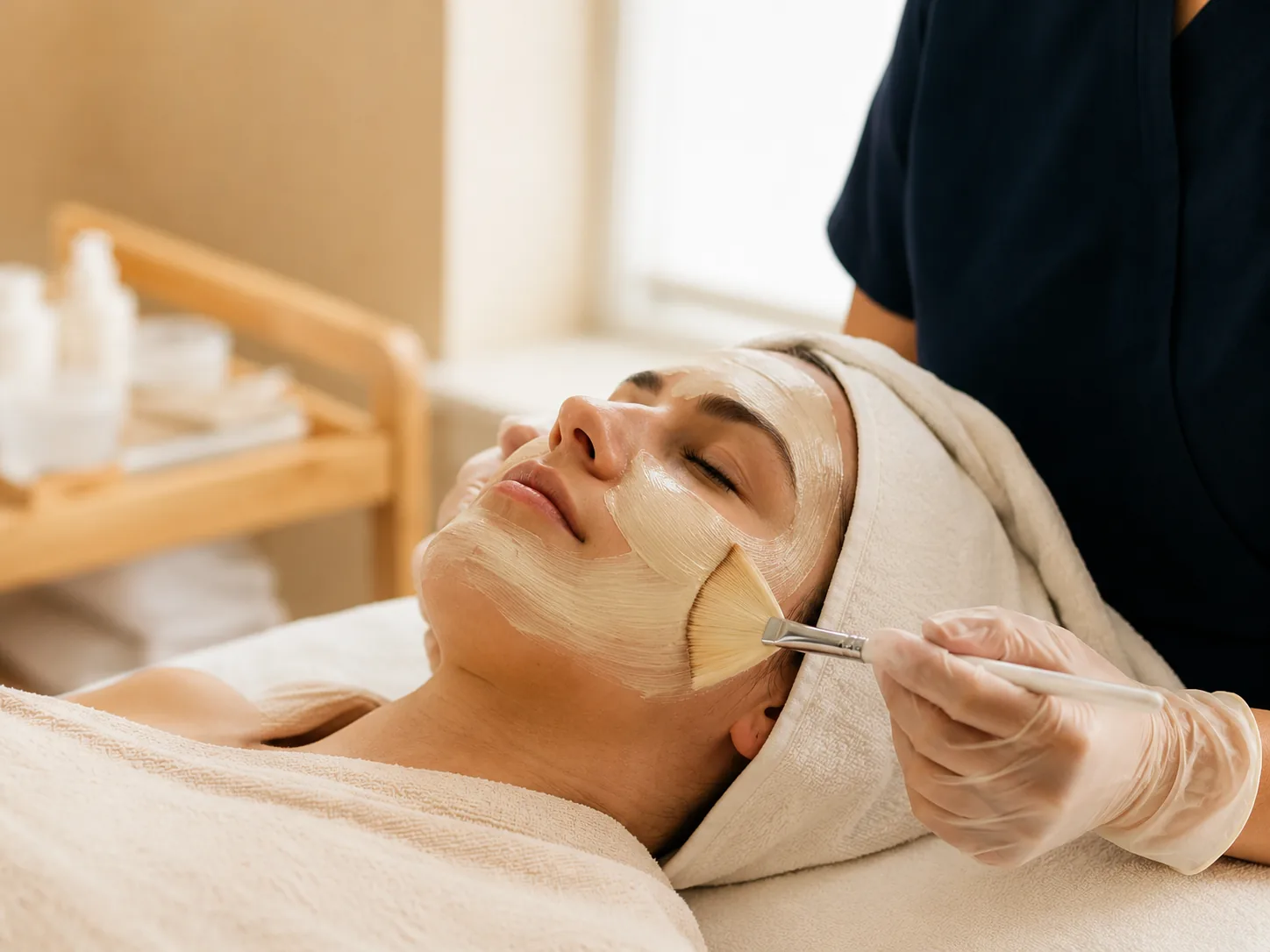
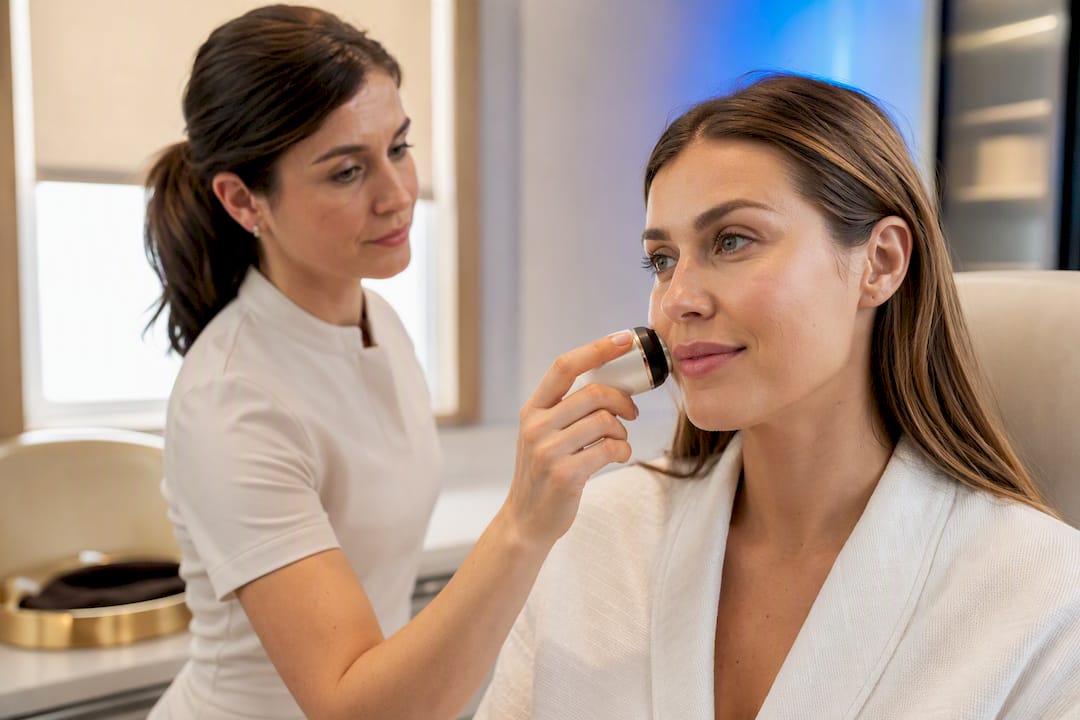
Natural-looking results mean you look refreshed, balanced, and recognisably like yourself, never "done." The most reliable way to secure that outcome is a consultation-led, staged approach that prioritises skin quality first and treats structural correction with restraint, adding only what a face genuinely needs, one small step at a time.
TL;DR:
- Treatments focusing on skin quality, such as resurfacing, skin boosters, and hydration, often provide the biggest visible improvement with minimal intervention.
- Proper placement of fillers depends on product rheology and depth, with technical judgment critical for natural, integrated results.
- Effective consultation requires face-to-face assessment, clear discussion of options, documented consent, and a cooling-off period before booking.
- A staged, conservative approach that starts with skin optimization and gradually adds structural support yields more natural and sustainable outcomes.
- Prices at Nexgen Clinic start from £180 for dermal fillers and £250 for Profhilo, with treatment plans tailored based on individual skin analysis and consultation.
Table of Contents
- What does 'natural-looking' actually mean in clinical practice?
- Which treatments are typically used for subtle, natural results?
- How do you choose a practitioner and what should the consultation cover?
- Which technical choices actually determine whether a result looks natural?
- How does a consultation-led clinic actually sequence care?
- How long do results take to settle, and when should you review?
- Why restraint is a clinical skill, not just a preference
- How Nexgen Clinic supports a natural, staged approach
- Authoritative resources to read next
- Sources
- FAQ
What does 'natural-looking' actually mean in clinical practice?
Ask ten patients what "natural" means and you get ten slightly different answers. For one person it's softening a frown line without losing expression. For another, it's restoring volume lost over a decade without anyone noticing why they look better. That variation is exactly why a single consultation can't be templated. What counts as subtle enhancement for a 55-year-old with significant volume loss looks like overcorrection on a 30 year old with good skin quality.
Behind the subjective language sit some fairly consistent clinical principles. Practitioners working towards authentic, lifelike results tend to apply the same framework regardless of the patient in front of them:
- Proportion over projection — changes should suit the face's existing structure, not impose a new one.
- Preserving movement — a forehead that can still show surprise looks more natural than one that can't move at all.
- Skin quality first — texture, tone and hydration often matter more to how "natural" a face reads than volume does.
- Sequencing and restraint — treating conservatively now, reviewing later, rather than solving everything in one visit.
These principles change real decisions. A patient asking for cheek filler might be redirected towards a skin booster if volume loss isn't actually the problem. That's the difference between chasing a trend and getting a plan built around your own anatomy.
Which treatments are typically used for subtle, natural results?
Clinics working towards naturally enhanced features usually start with the skin itself rather than jumping to injectables. Clinical commentary on natural aesthetics consistently points to skin quality as the intervention with the biggest visible payoff relative to how conservative it is, which is why improving skin quality often comes before any structural work is even discussed.
Typical building blocks, usually combined rather than used in isolation:
- Medical-grade skincare and resurfacing to address tone, texture and early sun damage.
- Skin boosters and Profhilo to improve hydration and skin quality without adding visible volume.
- Anti-wrinkle injections dosed conservatively to soften movement lines while keeping expression intact.
- Small-volume, depth-appropriate dermal filler, placed to restore lost structure rather than add new shape.
- PDO threads or energy-based devices (lasers, microneedling) for subtle lift or texture improvement where filler isn't the answer.
Sequencing matters as much as the treatment list. Starting with skin quality and modest muscle-relaxing work often reduces how much filler is needed later, because a face that looks fresher to begin with needs less structural correction to look "finished."
How do you choose a practitioner and what should the consultation cover?
Start here: NHS guidance is unambiguous that you should have a face-to-face consultation with the actual practitioner who will perform your treatment, not a sales consultant or a colleague standing in. That consultation should cover risks, realistic outcomes, cost and aftercare before you commit to anything.
A thorough consultation should include:
- Verification of the practitioner's training, qualifications and who specifically will carry out the treatment.
- A clear discussion of alternatives, including doing less or nothing at all.
- Written information about likely results, risks and what aftercare involves.
- A cooling-off period rather than pressure to book on the day.
- Documented consent, not a verbal agreement rushed through at the desk.
A 2026 study on aesthetic consultation practice found strong practitioner support (94.4%) for mandatory structured consultation frameworks, with the majority also backing face-to-face assessment as a minimum standard. That consensus exists because informal, rushed consultations are where safety and satisfaction both break down.
Pro Tip: If a clinic offers a discount for booking immediately, or hands you a treatment plan before anyone has examined your skin, treat that as a warning sign rather than a bargain.
Which technical choices actually determine whether a result looks natural?
This is where consultations get genuinely useful, because the right questions here separate a considered plan from a generic one. Filler rheology, the measure of how firm or soft a product is (its "G' value") matters enormously depending on where it's placed. High-G' products give the structural support needed for a jawline or cheekbone, but the same product in a dynamic area like the lips or under-eye can look stiff or unnatural. Matching product to anatomical zone is one of the clearest technical markers of a considered plan.
Depth of placement matters just as much. Filler placed too superficially can create visible lumps or a shiny, tight look; placed at the correct depth, it integrates and moves with the face.
A few other principles worth raising directly with your practitioner:
- Ask whether they're treating your concern in isolation or assessing your face as a connected system, since a small change in one area shifts perceived proportion elsewhere.
- Ask how they decide when enough has been done for this session.
- Ask what happens if the plan needs adjusting after you've had time to live with the result.
How does a consultation-led clinic actually sequence care?
At Nexgen Clinic, objective skin analysis technology is used before any treatment is proposed, so recommendations are grounded in measurable skin data rather than a generic package. A typical pathway looks like optimising skin quality first, adding minimal structural support only where analysis shows genuine need, then booking a review appointment at a set interval before considering anything further.
Any clinic using newer diagnostic approaches should be able to explain, in plain terms, the evidence behind them rather than simply asserting they work.
How long do results take to settle, and when should you review?
Most injectable treatments need two to four weeks to fully settle before you can judge the final result, which is why reputable clinics schedule a review appointment rather than adjusting on the day. Skin boosters and Profhilo tend to build gradually over a course of sessions, with visible improvement continuing for several weeks after the final treatment.
Longevity varies by treatment category rather than following one universal rule, so ask your practitioner for guidance specific to what you've had done. The purpose of a scheduled review isn't just reassurance. It's the mechanism that prevents progressive, cumulative overfilling, since each addition is judged against how your face looks now rather than added on top of an outdated plan. If a result isn't sitting right, dissolving or pausing before adding anything further is often the more sensible route than layering on a fix.
Why restraint is a clinical skill, not just a preference
Saying no to a treatment a patient wants is one of the harder parts of this work, but it's often the most important judgement call a practitioner makes. Subtlety isn't the absence of skill. It requires knowing precisely when to stop, and prioritising how someone will look in five years over how dramatic today's result appears. Readers researching this should weight evidence and a proper consultation far more heavily than whatever look happens to be trending.
— Ms Sandra Petraskaite
How Nexgen Clinic supports a natural, staged approach
If everything above sounds like the plan you want, some clinics build treatment around a philosophy of AI-assisted skin analysis, doctor-led protocols, and staged plans that start conservatively and adjust based on individual response.
The clinic's treatments overview covers skin boosters, dermal fillers, anti-wrinkle injections, Profhilo and polynucleotides, each assessed against your own skin data rather than a fixed package. Anti-wrinkle injections are available for readers focused on conservative muscle-balancing, while Profhilo (from £250 per session) and Polynucleotides (from £180 per session) sit within the skin-first strategies discussed earlier in this article. Dermal fillers start from £180 and PDO threads from £350, both quoted on the dermal fillers page.
Every plan begins with a face-to-face consultation with the treating clinician, exactly the standard NHS guidance recommends. Book a consultation through the treatments page to get a plan built around your own skin, not a generic template.
Authoritative resources to read next
These sources back up the guidance in this article and are worth reading in full before your own consultation:
- Choosing who will do your cosmetic procedure — NHS guidance on face-to-face assessment and what a proper consultation must cover.
- Patient safety in aesthetic practice — 2026 study on structured consultation frameworks.
- Cosmetic interventions: professional standards — professional guidance on technique, honesty and evidence.
- Red light therapy side effects — useful reading on evidence strength for non-invasive skin devices.
This article is general information, not a substitute for advice from a qualified doctor. Consult a qualified healthcare professional about your own circumstances before acting on anything here.
Sources
- Choosing who will do your cosmetic procedure - NHS
- Patient safety in aesthetic practice: the case for standardised consultations - Aesthetic Nursing (2026)
- Cosmetic interventions: professional standards - GMC
FAQ
What is the most natural-looking facelift approach?
There's no single procedure that guarantees a natural result. What works consistently is a staged, non-surgical approach starting with skin quality, with structural treatments like threads or filler added conservatively and only where genuinely needed.
What treatment takes years off your face without looking obvious?
Improving skin texture and hydration through skin boosters or resurfacing often produces the most convincing age reduction, because tired, dull skin reads as "older" more than mild volume loss does. Combining this with conservative anti-wrinkle treatment tends to outperform aggressive single-session filler correction.
Can a facelift make you look ten years younger?
Surgical facelifts can produce dramatic change, but "natural" and "dramatic" aren't the same goal, and rushing towards the biggest possible shift raises the risk of an overcorrected look. A staged, consultation-led plan focused on skin quality and proportion, whether surgical or non-surgical, is more likely to age well over time.
Can I reshape my face naturally without surgery?
Non-surgical options like dermal filler, PDO threads and skin boosters can adjust proportion and support subtly, provided they're placed with attention to your existing anatomy rather than a generic template. A proper consultation is where that anatomy gets assessed properly before any product is chosen.
How much does treatment at Nexgen Clinic cost?
Prices vary by treatment: dermal fillers start from £180, PDO threads from £350, lip fillers from £160, Profhilo from £250 per session, and polynucleotides from £180 per session. Prices for anti-wrinkle injections, skin boosters, laser treatments and fat dissolving are available on request through the treatments page.
Recommended
- Subtle lip filler: your guide to natural results in the UK
- Natural Looking Botox - Achieve Subtle Enhancements
- Clinic Led Safety and Layering for Full Face Rejuvenation in t
- Bespoke Laser Plans Backed by AI for Safer Skin Rejuvenation i
Ready to explore your options?
Speak with a NexGen clinician for a personalised consultation. We’ll listen, assess, and recommend the safest and most effective route — always led by evidence, always tailored to you.
Book a consultation or get in touch with our Cambridge team.